
Guide to Buying a Freestanding Bathtub
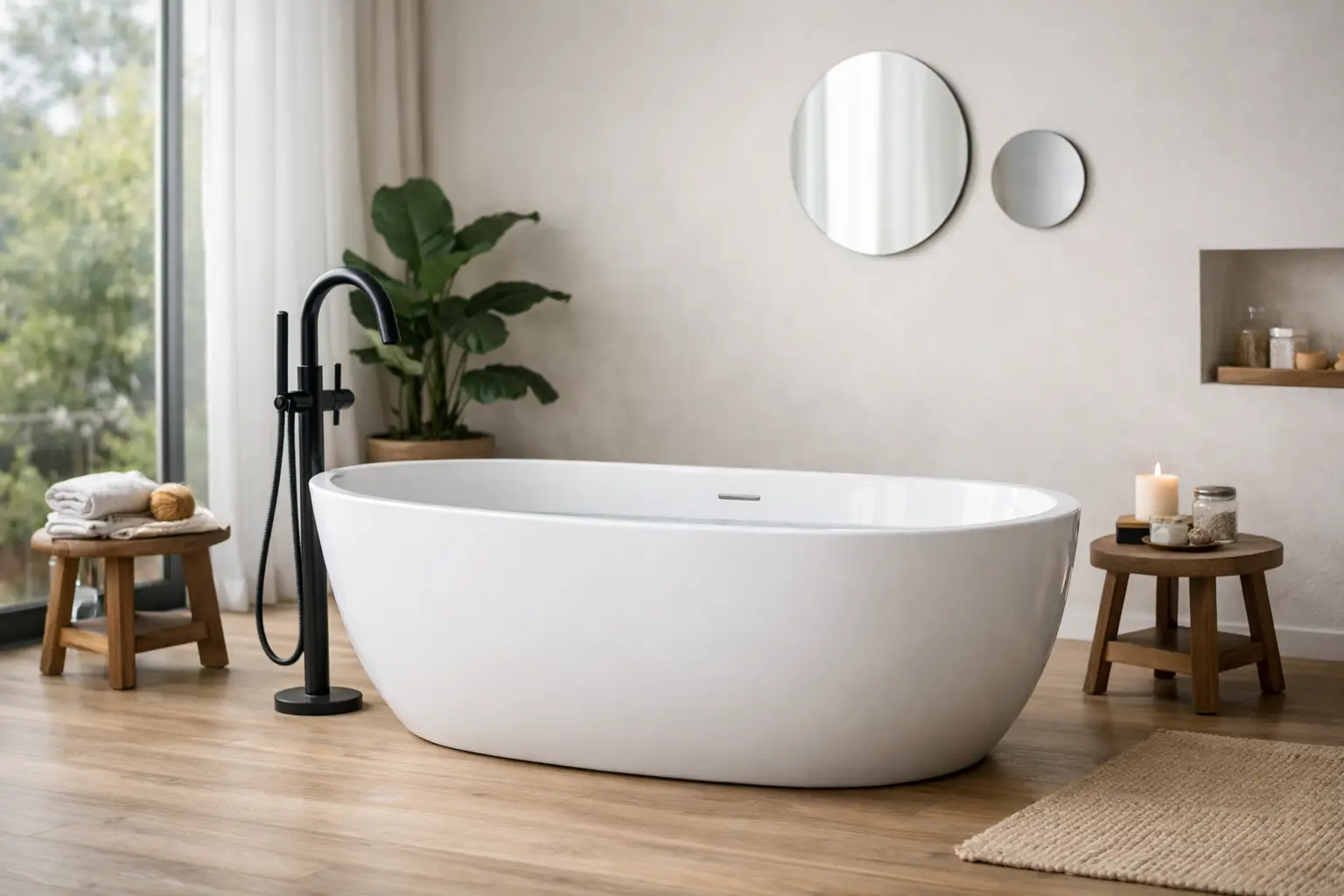
A freestanding tub can make an ordinary bathroom feel custom, but it is also one of the easiest fixtures to get wrong. The shape may look exquisite in photos, yet the real test is how it fits your floor plan, supports your soak, and works with your plumbing without turning installation into a costly rewrite. This guide to buying a freestanding bathtub is designed to help you choose with confidence and with the kind of clarity that suits a high-end upgrade.
Why a freestanding tub changes the room
A built-in tub usually disappears into the architecture. A freestanding tub does the opposite. It becomes the visual anchor of the bathroom, which is exactly why so many design-focused shoppers are drawn to it. It adds softness to modern spaces, sculptural presence to minimalist rooms, and a sense of retreat that a standard alcove tub rarely delivers.
That said, the statement only works when scale and placement are right. A tub that is too large can crowd the room and make daily movement feel tight. One that is too small may look refined but feel underwhelming every time you step in. The best choice balances proportion, comfort, and performance.
Start with the room, not the tub
The smartest guide to buying a freestanding bathtub begins with measurements. Before comparing silhouettes or finishes, look at the reality of the room. Freestanding tubs need breathing space around them, not just for appearance but for cleaning, access, and safe movement.
In many bathrooms, leaving at least a few inches around the tub is the minimum, while more open clearance creates the elevated look most homeowners want. You also need to account for door swings, vanity drawers, shower enclosures, and traffic flow. A beautiful tub placed too close to a toilet or vanity can make the whole room feel compromised.
Floor strength matters too, especially in older homes or upper-level bathrooms. A filled soaking tub is heavy, and the material you choose will affect that load. If you are planning a substantial cast iron or stone resin model, it is worth confirming the floor can handle the weight before you fall in love with a specific piece.
Choose the right size for how you actually bathe
Tub dimensions are not just about the footprint. Interior depth, rim thickness, and backrest angle all shape the bathing experience. Two tubs with the same exterior length can feel very different once you are inside.
If you want a quick, comfortable soak, a compact tub may be enough. If you prefer long baths, deeper immersion, or need room for a taller bather, look closely at interior basin length and water depth. Many shoppers focus on an elegant exterior line and miss the fact that the usable bathing space is smaller than expected.
A common sweet spot is around 59 to 67 inches long, which works in many primary and secondary bathrooms. Larger models can feel more luxurious, but only when the room supports them. Smaller tubs can be a smart choice for apartments or tighter layouts, especially when they are designed with a deeper basin.
Single slipper, double slipper, or flat rim
The silhouette affects comfort as much as style. Single slipper tubs raise one end for back support, making them ideal for solo bathing. Double slipper tubs lift both ends and create a more symmetrical, dramatic profile, though they sometimes place the drain in the center, which some bathers love and others do not.
Flat rim or oval tubs tend to feel cleaner and more modern. They are often easier to pair with a wide range of interiors and can be especially effective in contemporary bathrooms where restraint is part of the luxury.
Material sets the tone
The material influences heat retention, maintenance, durability, and price. This is one of the biggest trade-offs in any freestanding tub purchase.
Acrylic remains one of the most popular options because it is lighter, easier to install, and generally more approachable in price. A quality acrylic tub can still feel polished and premium, especially when the finish is smooth and the design is well proportioned. It is often the practical choice for online shoppers who want sophisticated design without the structural demands of heavier materials.
Stone resin and solid surface tubs offer a more substantial feel. They tend to hold heat well and deliver a refined matte or satin look that feels distinctly high-end. They are heavier and usually cost more, but the visual payoff is strong.
Cast iron has lasting appeal thanks to its durability and classic presence. It retains heat well once warmed, but it is extremely heavy and often better suited to homes where installation logistics are already accounted for. Copper and natural stone bring undeniable character, though they require more care and sit at a higher price point.
Think beyond looks when choosing style
A freestanding bathtub should work with the room’s architecture, not compete with it. In a modern bathroom, a clean oval or crisp rectangular shape often feels composed and intentional. In a more traditional setting, a clawfoot or pedestal base can add depth and character.
Finish matters too. Glossy white is timeless and versatile. Matte finishes feel more editorial and current, but they may show water spotting or dust more readily depending on the surface. If your bathroom already has strong visual elements like statement tile or bold hardware, a quieter tub shape often creates a more expensive overall effect.
The faucet decision matters more than most buyers expect
Freestanding tubs need a faucet plan early in the process. Floor-mounted tub fillers create a striking look, but they require precise plumbing placement and enough clearance around the tub. Deck-mounted options only work on tubs designed to accept them. Wall-mounted fillers can be elegant, though the tub must sit close enough to the wall for the reach to work properly.
This is where design ambition meets real-world coordination. The most luxurious setup is not always the most practical one for your layout. If you are remodeling, you have more flexibility. If you are replacing an existing tub with minimal plumbing changes, your options may narrow quickly.
Installation costs can reshape the budget
Many shoppers price the tub and stop there. The fuller number usually includes the tub filler, drain, plumbing labor, possible floor reinforcement, and delivery logistics. A freestanding tub is often easier to style than to install.
If the tub is going where no freestanding fixture existed before, expect additional plumbing work. If it is being carried upstairs or through narrow hallways, weight and dimensions suddenly become a serious concern. Even a beautifully priced tub can become a costly project if the installation requirements are overlooked.
This is one area where buying from a curated retailer can help. Clear product specifications, responsive support, and dependable delivery remove some of the uncertainty, which is especially valuable when you are making a statement purchase online.
Comfort features are worth a closer look
Luxury is not just visual. A well-designed soaking experience depends on details that are easy to miss in product images. Look for a gently angled backrest, comfortable rim height, and a center or offset drain placement that suits the way you bathe.
Overflow placement matters because it determines how deep the water can get. Arm width, interior floor shape, and even slipper angle can change the experience from decorative to genuinely restorative. If the tub is for a primary bathroom used often, comfort should outrank novelty.
Maintenance should match your lifestyle
Every premium bathroom upgrade asks for some level of care, but the right tub should not feel precious. Acrylic is generally straightforward to clean and easy to live with. Matte solid surface materials look sophisticated, though some may need more attentive maintenance to preserve the finish. Specialty materials like copper or natural stone have a richer presence but often require more specific cleaning habits.
Think about your routine honestly. If you want a tub that always looks polished with minimal effort, choose a finish and material that support that expectation. A high-design piece should elevate your space, not introduce daily friction.
How to know you have found the right one
The right freestanding tub feels aligned from every angle. It fits the room without forcing it. It supports the kind of bathing experience you actually want. Its material, faucet setup, and installation requirements all make sense for your home and budget.
At MyTotalTake, the best bath upgrades are the ones that combine visual refinement with practical confidence. A freestanding tub should deliver that rare balance of statement design and everyday ease. When you choose with proportion, comfort, and craftsmanship in mind, the result is not just a better bathroom. It is a space you will look forward to returning to, again and again.
Treat the decision like a design investment, not an impulse buy, and your bathroom will reward you with the kind of calm that feels beautifully considered.








Leave a comment