
The Role of Craftsmanship in Luxury Goods Explained
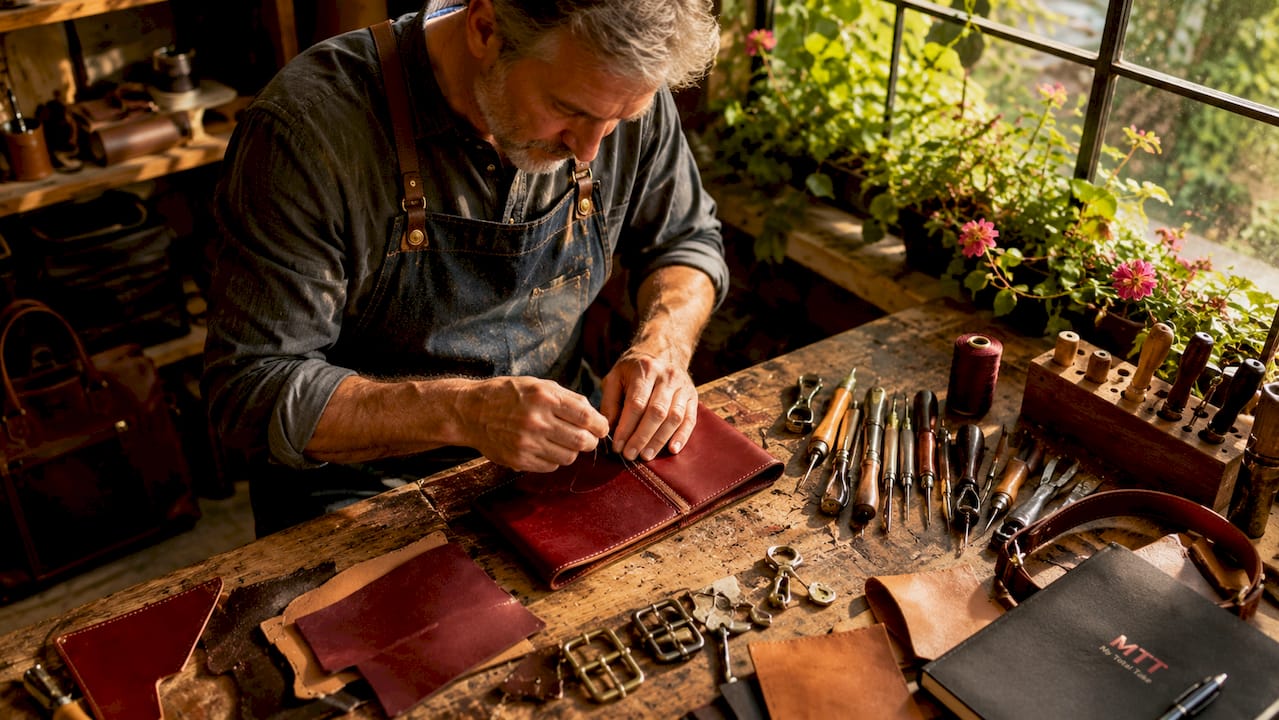
Craftsmanship is defined as the application of skilled human judgment, time, and technique to produce objects of lasting quality and rarity. The role of craftsmanship in luxury goods goes far beyond aesthetics. It signals authenticity, builds consumer trust, and justifies the premium price that separates a luxury purchase from a commodity. Reports from Accenture and Forbes confirm that quality and craftsmanship remain the most protected fundamentals in luxury. As AI and mass production grow more capable of mimicking surface appearances, the value of genuine artisanal skill only sharpens.
How does craftsmanship influence consumer trust in luxury goods?
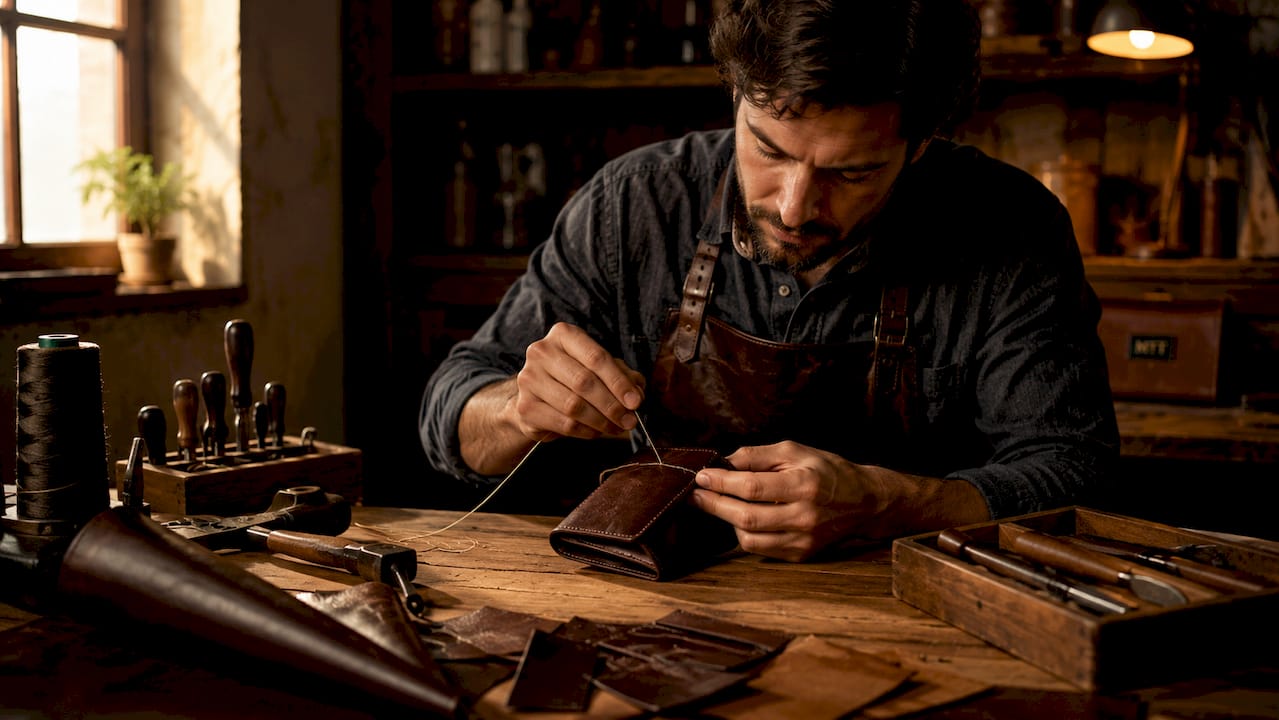
Craftsmanship is the primary driver of perceived quality in luxury goods. When a consumer holds a hand-stitched leather bag or examines the joinery on a handmade cabinet, they are reading physical evidence of skill and time. That evidence creates trust in a way that marketing copy cannot replicate.
The data on this is clear. 37% of luxury customers say brands struggle to sustain emotional resonance, and quality, craftsmanship, and exclusivity are the core fundamentals at risk. That figure comes from a survey of 3,435 luxury customers across 13 countries, which means it reflects a global pattern, not a regional quirk.
Yet trust is fragile. Only 26% of assessed luxury brands achieved high trust scores in customer reviews, based on an analysis of 19,344 reviews across 31 luxury brands. Poor customer service and weak after-sales support undermine the craftsmanship promise before the product even wears in. The same Engine and Adoreboard study found that attentive, knowledgeable staff interactions produce the highest trust scores, which means the human element matters at every touchpoint, not just on the production floor.
“Craftsmanship’s value increases when brands effectively communicate and support it throughout the entire customer relationship.”
The financial stakes are real. Failure to meet basic experience standards puts $213.56 billion of luxury revenue at risk globally. That risk comes primarily from post-sale breakdowns, not product defects. A beautifully crafted product loses its power when the brand fails to honor it with equally careful service.
Pro Tip: When evaluating a luxury brand, check their repair and after-sales policies before you buy. A brand that stands behind its craftsmanship will offer restoration, not replacement.
What distinguishes authentic luxury craftsmanship from generic craft?
Not every handmade product qualifies as luxury craftsmanship. The word “artisanal” has been stretched so thin by marketing that it now covers everything from mass-produced candles to genuine heirloom furniture. The distinction lies in verifiability and curation.
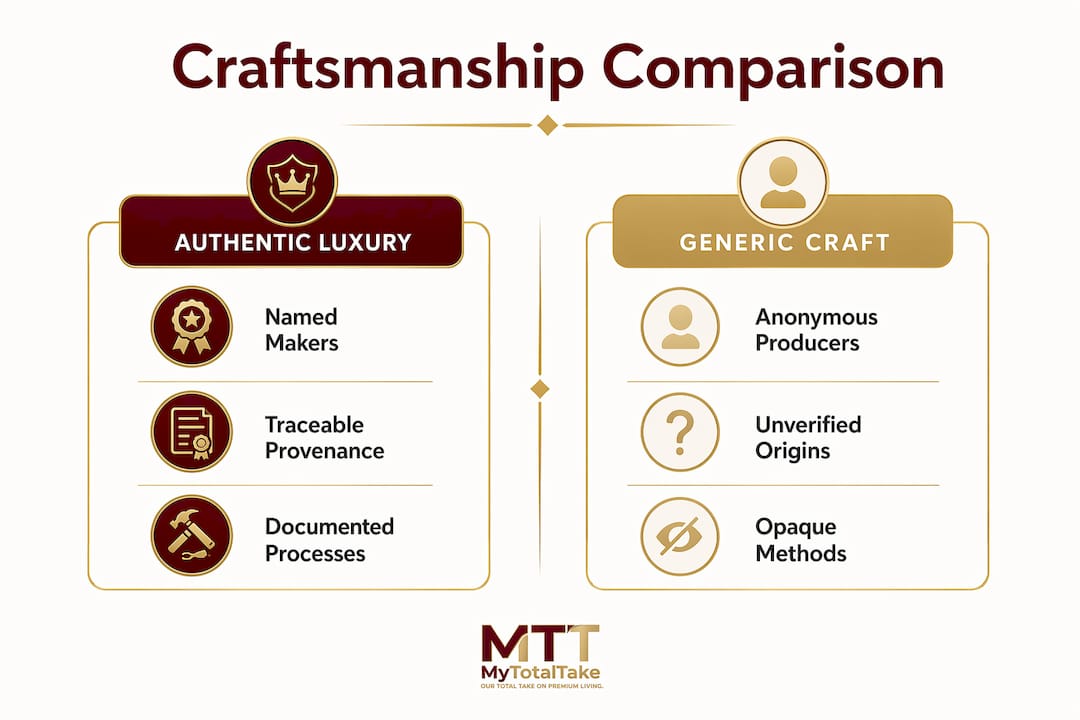
Luxury craft credibility is built through auditable proof: named makers, traceable provenance, and documented processes that consumers can verify beyond marketing claims. A Hermès saddle maker who trained for years under a master craftsman represents something fundamentally different from a factory worker operating a “handfinished” assembly line. The former has a name, a history, and a traceable skill set.
Luxury brands also avoid automatic association of craft with luxury, relying instead on editorial intelligence and storytelling to create legible, desirable craft experiences. The story must be specific, not generic. “Made by hand” is not enough. “Made by a third-generation glassblower in Murano using a technique documented since 1847” is a different claim entirely.
Capacity also enforces rarity. Luxury craftsmanship training can take up to a decade, which means the supply of genuinely skilled artisans is structurally limited. That scarcity is not a marketing device. It is a real constraint that keeps quality high and volume low.
Here is what separates authentic luxury craftsmanship from generic craft:
- Named makers: The artisan is identified, not anonymous.
- Traceable provenance: Materials and origin are documented and verifiable.
- Visible quality details: Stitching, joinery, and finishing show deliberate skill, not speed.
- Documented process: The technique is recorded and auditable, not just claimed.
- Rarity by design: Production volume is limited by the actual capacity of skilled makers.
| Feature | Authentic luxury craftsmanship | Generic “artisanal” production |
|---|---|---|
| Maker identity | Named, traceable artisan | Anonymous workforce |
| Training depth | Years to decades of apprenticeship | Short-cycle training |
| Production volume | Structurally limited by skill supply | Scalable on demand |
| Provenance documentation | Verified and auditable | Marketing claim only |
| Storytelling | Specific, historical, verifiable | Vague, aspirational |
Pro Tip: Ask the brand directly: “Who made this, and where can I learn about their training?” A confident answer signals genuine craftsmanship. Silence or vague language signals marketing spin.
How does craftsmanship connect to sustainability in luxury markets?
Craftsmanship and sustainability are not separate conversations in luxury. They reinforce each other in ways that shape consumer behavior. Traditional craftsmanship indirectly boosts purchase intention in sustainable fashion products through perceived environmental benefits, based on a study of 358 respondents using the stimulus-organism-response model.
The mechanism is worth understanding. Consumers who recognize genuine craft associate it with durability, material respect, and cultural continuity. A hand-woven textile made from natural fibers by a skilled artisan carries a lower implied environmental cost than a machine-produced synthetic alternative. That perception drives purchase decisions even when the buyer is not consciously thinking about sustainability metrics.
Sustainability narratives linked to craftsmanship focus on environmental benefits to influence consumer purchase behavior, which means storytelling is as important as technique. Brands like Loro Piana and Brunello Cucinelli have built significant credibility by connecting their craft traditions to land stewardship, fiber sourcing, and community preservation. These are not abstract values. They are specific, verifiable commitments that reinforce the craftsmanship story.
The practical benefits of craft-based sustainability include:
- Material longevity: Handcrafted goods made from quality materials outlast mass-produced alternatives by years, reducing replacement frequency.
- Cultural preservation: Traditional techniques support local artisan communities and protect knowledge that would otherwise disappear.
- Reduced waste: Skilled makers produce less waste per unit because precision is built into the process.
- Repairability: Crafted goods are designed to be restored, not discarded, extending their useful life significantly.
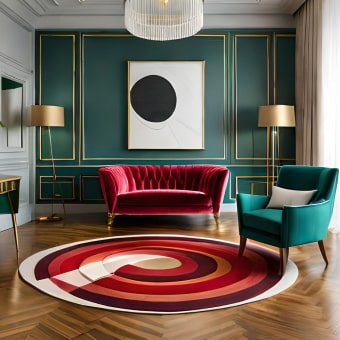
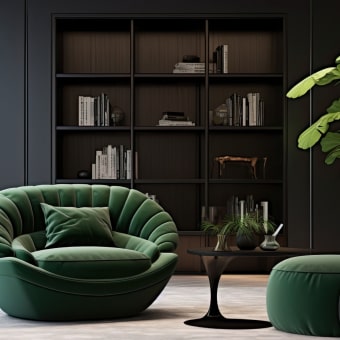
Consumers who value artisanal decor for their home are already acting on this connection, choosing pieces that carry both aesthetic and environmental credibility.
What should consumers look for to identify genuine craftsmanship?
Recognizing authentic craftsmanship requires looking past marketing language and examining the product and brand on specific, concrete criteria. The luxury market rewards discernment. Here is how to apply it.
-
Examine the materials. Genuine luxury craftsmanship starts with quality raw materials. Full-grain leather, solid hardwood, hand-spun fibers, and natural stone are not interchangeable with their synthetic equivalents. Ask for material specifications, not just brand names.
-
Study the finishing details. Run your fingers along seams, joints, and edges. Hand-stitching has slight irregularities that signal human involvement. Machine stitching is perfectly uniform. Neither is inherently superior in all contexts, but knowing the difference helps you verify the claim.
-
Research the maker’s history. Brands with genuine craft heritage can point to founding dates, apprenticeship programs, and named artisans. Houses like Louis Vuitton, Patek Philippe, and Bottega Veneta publish detailed accounts of their production methods. That transparency is itself a quality signal.
-
Check repair and restoration services. A brand that offers lifetime repair or restoration services is making a structural commitment to the durability of its work. This is one of the clearest signals of genuine craftsmanship in high-end products. Disposable goods do not come with repair programs.
-
Evaluate the post-purchase experience. The Engine and Adoreboard research confirms that post-sale service amplifies perceived craftsmanship value. A brand that handles your questions with expertise and care is honoring its product promise. One that deflects or delays is not.
These criteria apply across categories. For luxury home decor and craftsmanship, look for documented joinery methods, named workshops, and material traceability. For fashion, examine construction and lining quality. For jewelry, ask about the bench jeweler and the sourcing of stones.
Pro Tip: Request a certificate of authenticity or a maker’s card when purchasing high-value crafted goods. Reputable brands provide this without hesitation. It is your audit trail.
In the AI era, this scrutiny matters more than ever. Craftsmanship signals genuine human time and judgment, reinforcing a brand’s premium positioning in ways that surface-level simulation cannot replicate. A Forbes Business Council analysis published in march 2026 makes this point directly: the luxury market’s response to AI is not to compete on speed or volume, but to double down on verifiable human skill.
Key Takeaways
Craftsmanship defines luxury by combining verifiable human skill, traceable provenance, and post-purchase integrity into a single, coherent quality signal.
| Point | Details |
|---|---|
| Trust requires more than product quality | Only 26% of luxury brands achieve high trust scores; after-sales service is the gap. |
| Authenticity demands auditability | Named makers, traceable provenance, and documented processes separate luxury craft from marketing claims. |
| Sustainability and craft are linked | Traditional craftsmanship boosts purchase intention through perceived environmental benefits. |
| Rarity is structural, not manufactured | Training periods of up to a decade limit the supply of genuine luxury artisans by design. |
| Post-purchase experience amplifies value | Knowledgeable staff and repair services reinforce the credibility of crafted goods after the sale. |
Why I believe craftsmanship is still the only honest luxury signal
I have spent years examining what separates a purchase that holds its value from one that disappoints within a season. The answer is almost always the same: the presence or absence of genuine craft. Not the word “artisanal” on a label. The actual evidence of a skilled person’s time and judgment in the object itself.
What concerns me about the current market is not AI or mass production. Both have existed in some form for over a century. What concerns me is the growing sophistication of craft simulation. Brands can now produce objects that look handmade without being handmade, and most consumers lack the vocabulary to tell the difference. That is why the auditable proof standard matters so much. Named makers, documented processes, and repair programs are not optional extras. They are the minimum threshold for an honest luxury claim.
The brands I trust most are the ones that treat their artisans as brand ambassadors, not back-room labor. When a house publishes the names and training histories of its makers, it is making a public commitment that is difficult to fake and expensive to abandon. That commitment is the most durable signal of quality available to you as a consumer.
My advice: demand specificity. Vague craft language is a red flag. Specific, verifiable craft language is the signal worth paying for.
— Lysander
Crafted luxury goods worth living with, at Mytotaltake
Mytotaltake curates luxury home goods built on the same principles this article defends: traceable quality, durable materials, and design that earns its place in your home over years, not seasons.

The designer furniture collection at Mytotaltake reflects a commitment to pieces that hold their form and finish through daily use. Each selection is chosen for construction integrity, not trend cycles. For consumers who want to apply craftsmanship principles to their living spaces, Mytotaltake’s premium home decor guidance offers a practical starting point. Quality at this level is not an indulgence. It is the most cost-effective choice you can make for your home.
FAQ
What is luxury craftsmanship?
Luxury craftsmanship is the application of verified human skill, time, and technique to produce goods of traceable quality and rarity. It is distinguished from generic craft by auditable proof such as named makers, documented processes, and structured apprenticeship training.
Why does craftsmanship matter in luxury fashion?
Craftsmanship in fashion signals construction quality, material integrity, and brand authenticity. Houses like Hermès and Bottega Veneta use named artisan programs and repair services to demonstrate that their products are built to last, not just to impress at first glance.
How does craftsmanship affect the value of handmade luxury items?
Handmade luxury items hold value because skilled production is structurally scarce. Training periods of up to a decade limit supply, and the physical evidence of human skill in the object creates emotional and financial worth that machine production cannot replicate.
Can AI replace craftsmanship in luxury goods?
AI can simulate the appearance of craftsmanship but cannot replicate the verifiable human time and judgment that define it. Forbes Business Council analysis from 2026 confirms that genuine craft remains the clearest differentiator for luxury brands in an AI-saturated market.
How do I verify craftsmanship before buying a luxury product?
Look for named makers, traceable material sourcing, visible quality details in finishing, and documented repair or restoration services. Brands with genuine craft heritage provide this information without prompting. Vague or evasive answers are a reliable warning sign.
Recommended
8 Home Automation Trends for 2026
How to Choose a Home Theater Projector
Comments
[…] Heavier, more substantial shower heads often signal quality, but they need secure support. In premium design, craftsmanship should feel solid, not […]








Leave a comment