
12 Minimalist Bedroom Decor Ideas Modern Homes Need
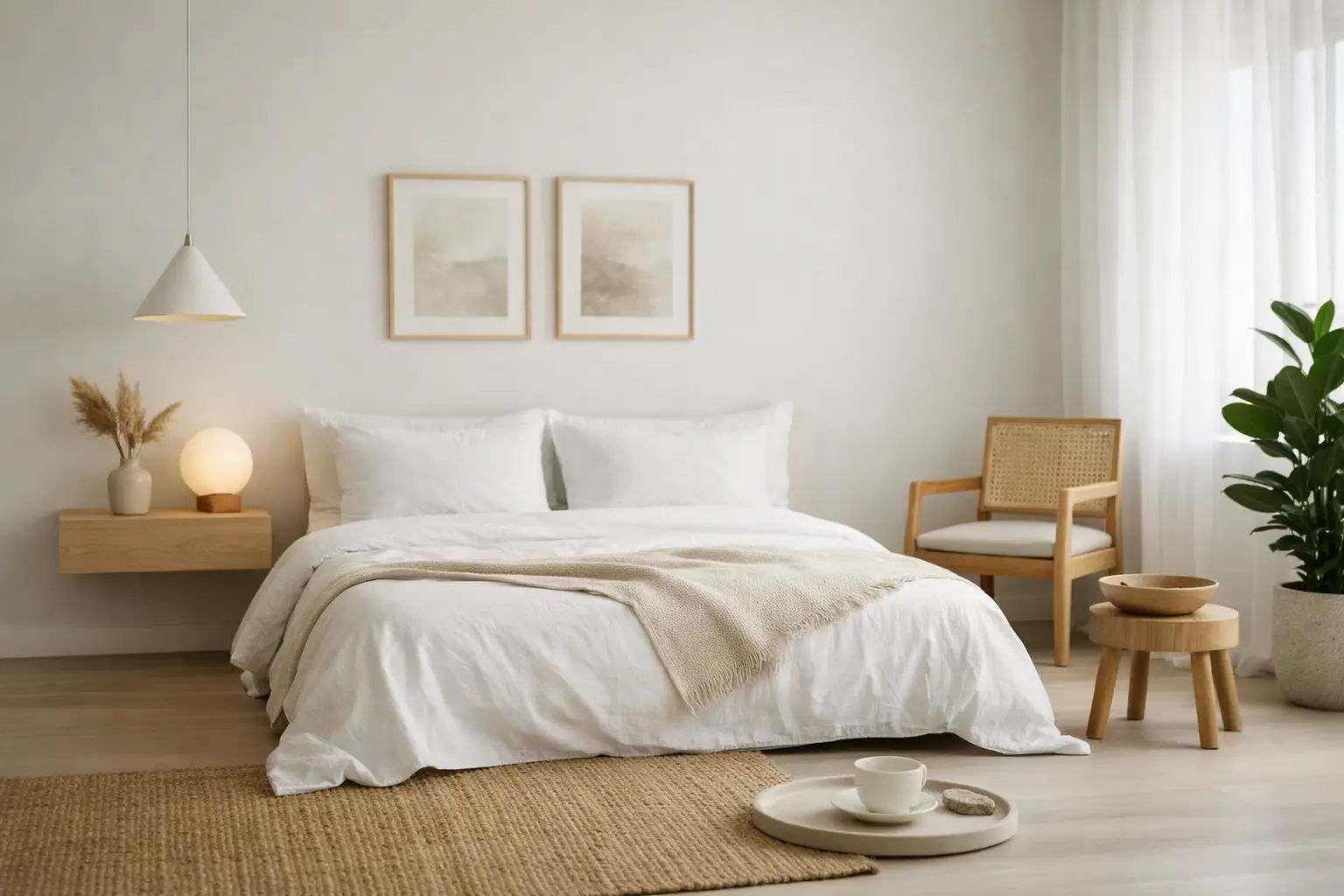
A bedroom can look expensive and still feel unsettled. Usually, the problem is not a lack of style – it is too many visual decisions competing at once. The best minimalist bedroom decor ideas modern homeowners return to are less about stripping a room bare and more about editing it with intention, so every piece earns its place.
Minimalism, done well, does not read cold or unfinished. It reads composed. It gives premium materials, sculptural forms, and thoughtful storage room to stand out. If you want a bedroom that feels calm at night and polished all day, the answer is not filling it with more decor. It is choosing better decor.
Why minimalist bedroom decor ideas modern spaces use feel more luxurious
There is a reason high-end interiors often appear restrained. When a room has fewer elements, quality becomes more visible. The grain of a wood nightstand, the softness of layered bedding, and the silhouette of a well-made bed frame all carry more impact when they are not crowded by unnecessary accents.
That does not mean every bedroom should look stark. A minimalist room still needs warmth, and that usually comes from texture, scale, and material contrast rather than excess ornament. Think upholstered headboards instead of ornate carvings, matte finishes instead of shine everywhere, and a small number of striking pieces instead of a dozen forgettable ones.
The trade-off is real. A highly edited room asks more from each item you keep. If one piece feels flimsy, overly trendy, or out of proportion, it becomes obvious fast. Modern minimalism rewards discernment.
Start with a restrained color palette
Color sets the tone before furniture or styling ever gets noticed. In a modern minimalist bedroom, the strongest palettes tend to stay close to soft neutrals – warm white, sand, taupe, mushroom, charcoal, and muted black. These shades create a calm foundation and make the room feel larger, cleaner, and more cohesive.
If your space gets little natural light, warmer neutrals usually feel more inviting than bright white. If your room has strong sun, cooler grays and crisp off-whites can look beautifully tailored. It depends on the architecture, flooring, and even the view outside your window.
You do not need a monochrome room to keep things minimal. One grounded accent color, such as olive, rust, or deep navy, can add depth without disrupting the look. The key is repetition. Use that accent sparingly across textiles or art so the room feels curated rather than random.
Choose a bed that carries the room
In most bedrooms, the bed is the visual anchor. In a minimalist setting, it should do more of the design work. A low-profile platform bed, a refined upholstered frame, or a clean-lined wood silhouette creates instant structure without needing much around it.
This is one area where craftsmanship matters. Because the room will not be distracting from the bed, details like joinery, fabric texture, and finish quality become part of the atmosphere. A well-proportioned frame looks quiet but intentional. A bulky or poorly made one can flatten the entire room.
If your bedroom is small, a bed with subtle integrated storage may be worth it. If the room is larger, a more architectural frame can help the space feel finished. Minimalist does not mean undersized. Proportion is what makes the room feel sophisticated.
Let bedding create softness
A modern minimalist bedroom needs softness somewhere, and bedding is the cleanest way to add it. Start with high-quality sheets in white, ivory, oatmeal, or gray, then layer with a duvet, coverlet, or quilt in complementary tones. The look should feel inviting, not overly styled.
This is where texture does heavy lifting. Linen, washed cotton, and subtle matelasse weaves bring dimension without clutter. You can keep the bed simple and still make it feel elevated if the materials are rich enough.
Be selective with pillows. Two sleeping pillows, two larger shams if you prefer them, and one accent pillow or lumbar cushion is often enough. More than that, and the room can start leaning decorative instead of serene.
Use nightstands as functional design pieces
Minimalist rooms work best when practical furniture is also visually strong. Nightstands are a perfect example. A compact wood table, a floating drawer unit, or a simple pedestal form can provide storage while reinforcing the room’s lines.
Avoid the instinct to crowd the top. A lamp, one book, and perhaps a small tray or ceramic object usually reads cleaner than multiple framed photos and small accessories. Negative space is part of the styling.
If you need more storage, choose closed drawers over open shelving. Open storage sounds minimal in theory, but it often becomes a display for chargers, paperbacks, and items you would rather not see. Hidden storage keeps the room feeling effortless.
Keep lighting sculptural and warm
Lighting can make a minimalist bedroom feel expensive fast. The best choices balance clean shape with soft output. Consider slender table lamps, matte sconces, or pendant lighting that introduces form without visual noise.
Warm bulbs matter. A cool, bright light will fight the entire mood of the room, no matter how beautiful the fixtures are. Bedrooms want a flattering glow, especially when your palette is restrained.
This is also a smart place to add a distinctive finish. Brushed brass, black metal, smoked glass, or ceramic bases can bring subtle contrast to an otherwise neutral scheme. One sculptural lamp often has more effect than several decorative accessories.
Add texture through rugs, wood, and upholstery
A minimalist bedroom with no texture can feel unfinished. The solution is not more stuff. It is better surfaces. A wool rug underfoot, a natural wood dresser, an upholstered bench, or woven window treatments can make the room feel layered while staying visually calm.
Material contrast is what gives modern minimalism its depth. Smooth painted walls next to nubby bedding, pale oak against matte black accents, or boucle paired with clean-lined furniture keeps the room from looking flat.
If you are furnishing from scratch, mix at least two or three tactile finishes. Too much matching wood or too many slick surfaces can feel like a showroom rather than a personal retreat.
Minimalist bedroom decor ideas modern homes use for storage
Clutter is the quickest way to weaken a minimalist room. Good storage is not just practical here – it is part of the design. Dressers with streamlined fronts, under-bed storage, and wardrobes with clean facades help preserve the sense of order that makes the room feel premium.
The best storage pieces disappear a little. That does not mean they should be boring, but they should not visually compete with the bed and lighting. Sleek hardware, quiet finishes, and simple forms usually work best.
If your bedroom doubles as a dressing space or work zone, zoning becomes important. A bench with concealed storage, a narrow cabinet, or a compact vanity can keep daily essentials contained. Minimalism is easier to maintain when the room supports how you actually live.
Be selective with wall decor
Empty walls do not automatically equal elegance. But covering every surface with art rarely suits a modern minimalist bedroom either. One oversized piece above the bed, a pair of balanced works, or a leaning full-length mirror can be enough.
Scale matters more than quantity. Undersized art tends to feel timid in a pared-back room. A larger piece with generous matting or a substantial frame looks more deliberate.
Mirrors are especially useful if your room is small or lacks light. They add dimension while keeping the palette open. Just avoid overly ornate frames if you want the room to stay modern.
Bring in one or two organic elements
Modern minimalism benefits from a living touch. A single branch in a ceramic vase, a modest plant, or dried stems on a dresser can soften hard edges and keep the room from feeling too controlled.
The keyword is restraint. Organic accents should look effortless, not styled to exhaustion. If maintenance is a concern, preserved or low-care options are often enough to add shape and life.
Edit visible decor ruthlessly
The most refined minimalist bedrooms are usually not missing decor. They are missing excess. That means removing small items that do not contribute much, even if each one seems harmless on its own.
A candle, a book, a tray, and one object with sculptural interest can be all you need on a dresser. On a nightstand, less often looks better. When every surface is only lightly styled, the room feels more spacious and the individual pieces feel more elevated.
This is where a curated shopping approach helps. Fewer, better pieces tend to outperform impulse accessories every time, especially in a bedroom where calm is the goal.
Make comfort the final test
Minimalism should never make a bedroom less livable. If a room looks pristine but feels hard, echoing, or inconvenient, it is not finished. Modern design works best when beauty and function meet.
That might mean adding blackout drapery, a softer rug, a bench for getting dressed, or better bedside lighting for reading. These upgrades are not clutter. They are what turn a styled bedroom into a genuinely restorative one.
For shoppers building a more elevated home, this is the real opportunity. Minimalist bedroom decor ideas modern enough for a design-forward space should still support sleep, storage, and everyday ease. When each piece is chosen for craftsmanship, comfort, and visual clarity, the room stops chasing trends and starts feeling timeless.
A beautifully edited bedroom does not ask for attention. It earns it quietly, every time you walk in.
Top 4 luxtiers.com Alternatives Marketplaces 2026
How to Style a Console Table Beautifully
Comments
[…] vetted options with delivery and return services. Whether you are pairing a diffuser with a minimalist bedroom refresh or simply want to know what actually separates a well-made accessory from a disposable one, our […]







Leave a comment