
How to Style a Console Table Beautifully
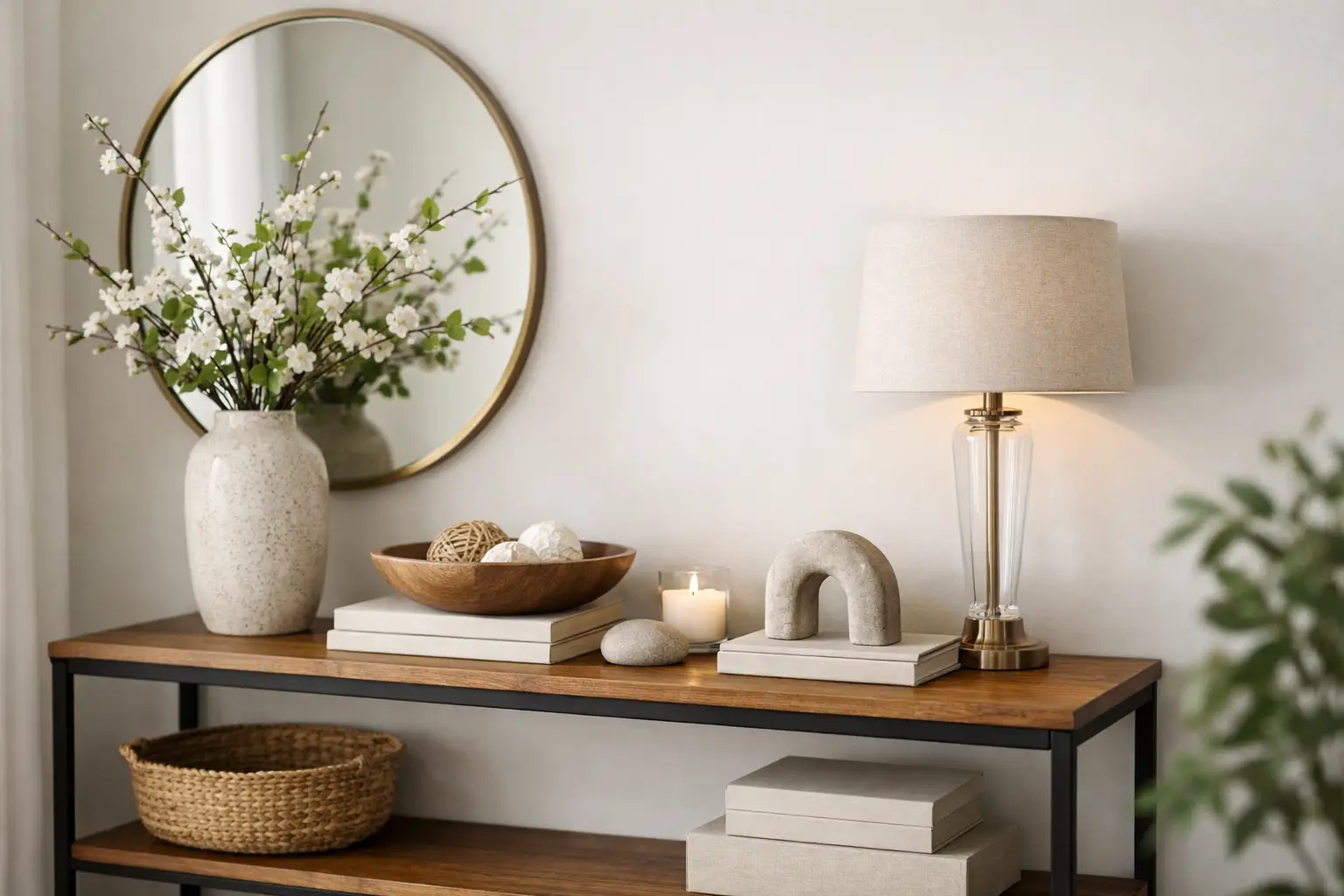
A console table can make an entryway feel finished, turn an empty wall into a focal point, or give a living room that tailored, collected look that expensive spaces always seem to have. If you have ever wondered how to style a console table without making it look cluttered, flat, or unfinished, the answer is less about filling the surface and more about editing it with intention.
The best console styling feels effortless, but it is usually built on a few smart design decisions. Scale matters. Height matters. Function matters. And the room around the table matters just as much as what sits on top of it. Once you understand those pieces, styling becomes much easier and far more enjoyable.
How to style a console table with balance
A beautiful console table display usually combines three things: structure, variation, and restraint. Structure gives the arrangement a visual anchor. Variation keeps it from feeling stiff. Restraint is what stops the whole setup from looking like a storage zone dressed up as decor.
Start with one larger element that sets the tone. That could be a mirror, a framed artwork piece, or a pair of wall sconces above the table. This backdrop does a lot of heavy lifting. Without it, even thoughtfully chosen accessories can feel like they are floating. A mirror is especially effective in an entryway because it bounces light and adds function, while artwork can make the styling feel more personal and elevated.
From there, layer in objects of different heights. A table lamp, tall vase, or sculptural branch arrangement introduces height. Lower items such as stacked books, a catchall tray, or a small decorative box bring the eye back down. When every item is the same height, the result feels static. When height varies too dramatically without a clear anchor, it can feel chaotic. You want contrast, but controlled contrast.
Symmetry can work beautifully, especially in more formal interiors. Two matching lamps with a centered mirror create a polished, architectural look. But asymmetry often feels more current and relaxed. For example, a tall lamp on one side balanced by a stack of books and a bowl on the other can look more collected. Neither approach is better in every room. It depends on whether you want the space to feel classic and composed or softer and more organic.
Start with the table itself
Not every console table wants the same styling treatment. A slim metal frame table with a glass top needs a lighter hand than a substantial wood console with drawers and lower shelving. The style, finish, and proportions of the table should guide what you place on it.
If your console is visually heavy, keep accessories refined and selective. Too many large objects can make the whole wall feel crowded. If the table is delicate or narrow, oversized styling pieces may overwhelm it. The goal is to complement the silhouette, not compete with it.
This is also where material comes into play. Warm wood consoles pair beautifully with ceramics, linen shades, woven textures, and antique-inspired metals. Sleek black or marble tables often look strongest with cleaner lines, sculptural forms, and a tighter color palette. In a design-forward home, those material relationships make a bigger difference than people think. They are what give a space that curated, high-end finish.
Choose a focal point before the accessories
One of the most common styling mistakes is buying small decor first and hoping it will come together. Usually, it does not. It is far easier to choose the focal element first, then build around it.
For an entryway, the focal point is often a mirror. It adds practicality and makes the area feel brighter and more open. In a hallway or behind a sofa, oversized art can bring more character. If the wall already has strong architectural detail, your focal point might simply be a striking lamp or a tall vase arrangement.
Once that anchor is set, the smaller pieces should support it rather than steal attention. Think of them as finishing layers. A tray can organize essentials while adding polish. A candle introduces warmth. A stack of books can elevate smaller objects and bring in color or texture. A decorative bowl or box keeps the composition from feeling too predictable.
How to style a console table in different rooms
The room changes the rules.
In an entryway, function should sit alongside style. This is the place for a beautiful tray for keys, a small bowl for daily essentials, and perhaps a lamp to soften the space in the evening. If you need real storage, drawers or baskets below the table can keep clutter out of sight. An entry console should feel welcoming, not overloaded with items that have nowhere to go.
In a living room, a console table can be more decorative. Behind a sofa, it often benefits from taller elements that hold their own in an open layout. Lamps work especially well here because they add both height and usable light. Against a wall, the table can support artful accessories, books, and sculptural pieces that echo the room’s palette.
In a dining room, a console often acts almost like a sideboard-lite. This is a good setting for a more refined display – perhaps a statement vase, a pair of candlesticks, and a tray for entertaining essentials. You can lean into a slightly more formal look here, especially if the surrounding furniture already has a tailored presence.
A bedroom console or vanity-style table should feel quieter. Fewer pieces, softer textures, and a more intimate scale usually work best. This is where a jewelry box, a small lamp, and a framed piece of art can feel especially considered.
Use the rule of layers, not clutter
Luxury styling rarely comes from having more. It comes from having the right mix.
A simple formula helps: start with something tall, add something horizontal, then finish with one or two sculptural or personal pieces. That could mean a lamp, a stack of books, and a candle. Or artwork, a tray, and a ceramic object. The exact items matter less than the variation in shape and the negative space around them.
Negative space is what makes the arrangement breathe. Leave room on the tabletop. Let the eye rest. If every inch is filled, even beautiful objects lose their impact. This is especially true with narrower consoles, where overstyling shows immediately.
Layering also works below the tabletop. If your console has a lower shelf, use it intentionally. A pair of baskets can add texture and practical storage. Larger coffee table books or a folded throw can soften the look. But if the top is already busy, keep the shelf simple. The top and bottom should feel connected, not like two separate styling projects.
Keep the palette edited
A console table often sits in a transitional area, which means it can influence how the entire room feels. A tight palette helps it look sophisticated.
You do not need everything to match, but the finishes and colors should relate to one another. If the room is warm and neutral, lean into ivory, taupe, wood, aged brass, and muted greenery. In a more modern interior, black, white, stone, and smoked glass can create a crisp, elevated effect. If you love color, use it with purpose – perhaps through a book spine, artwork, or florals rather than several competing accent pieces.
Texture is often more effective than color for making a console display feel rich. Think ceramic against wood, glass beside metal, linen next to stone. Those contrasts create depth without visual noise.
Add something living
Fresh branches, seasonal stems, or even a simple plant can transform a console table instantly. Organic elements break up harder surfaces and make the arrangement feel less staged.
That said, scale matters here too. Large branches can be dramatic and beautiful, but in a small apartment entryway they may dominate the table. A compact vase with a loose arrangement may be the better choice. Faux greenery can work if it is high quality and convincingly styled, but obviously artificial stems can undercut an otherwise refined setup.
Edit for real life
The most successful console tables are not just photogenic. They work for the way you live.
If this surface becomes a drop zone every evening, style around that reality. Leave space for keys and mail. Use a tray to contain the everyday. If you have children or pets, fragile objects at the edge may not be practical. If your home already has enough decor, a lamp and one beautiful object may be all you need.
That is often the difference between styling that lasts and styling that gets cleared off within a week. Practicality is not the enemy of elegance. In a well-designed home, the two should support each other.
If you are selecting a new piece, choose a console table that already brings something distinctive to the room through silhouette, craftsmanship, or finish. Then the styling can stay minimal and still feel complete. That is often the smartest route to a space that feels elevated without effort, and it is exactly why curated retailers such as My Total Take resonate with design-conscious shoppers looking for pieces that do more than just fill a wall.
A console table should not feel like an afterthought. When styled well, it sets the mood the moment you enter a room – polished, intentional, and unmistakably lived in with taste.







Leave a comment