
What Is Signature Design? A Guide for Designers

Signature design is defined as the distinctive set of visual, tactile, and conceptual elements that consistently express a creator’s or brand’s identity, making their work instantly recognizable. Known formally as a Visual Brand Language, this discipline goes far beyond logos or color palettes. It shapes how a product feels in your hand, how a collection reads across a room, and how a brand registers in memory before a single word is read. From fashion houses to furniture makers, signature design elements represent the full core of a brand’s identity and generate predictable revenue unaffected by seasonal trends.
What is signature design, and what are its key characteristics?
Signature design is a strategic brand language built from consistent visual and tactile elements that produce instant consumer recognition. The most effective examples share a clear set of traits that work together rather than in isolation.
Visual elements form the most visible layer:
- A defined color palette used consistently across all products and touchpoints
- Recurring silhouettes or structural forms that make individual pieces feel related
- Proprietary patterns, textures, or surface treatments tied to the brand
- Material choices that signal quality and reinforce identity, such as a specific grade of leather or a signature weave
Sensory and tactile elements deepen the impression:
- The weight and finish of a product in the hand
- Auditory cues, such as the click of a closure or the sound of packaging opening
- Scent, temperature, or surface texture that triggers brand memory
Sensory memory cues like tactile interactions and sounds contribute significantly to emotional brand recognition. That means a brand’s identity lives not just in what you see but in what you feel and hear. Cohesion across every product and platform is what separates a true signature from a style trend.
Pro Tip: Before finalizing any new product, hold it next to your three best-selling items. If it does not share at least two signature elements, redesign before production.

The emotional connection created by these elements is the real prize. Consumers who recognize a brand’s signature before reading its name are far more loyal than those who rely on labels alone.
How do signature collections and products function within brand strategy?
A signature collection is a curated group of products unified by a shared visual and material language. In fashion, signature collections typically consist of 8 to 15 interchangeable garments unified by color palette, silhouettes, and a fabric story. That range prioritizes cohesion over volume and reduces production risk while establishing a clear brand identity.
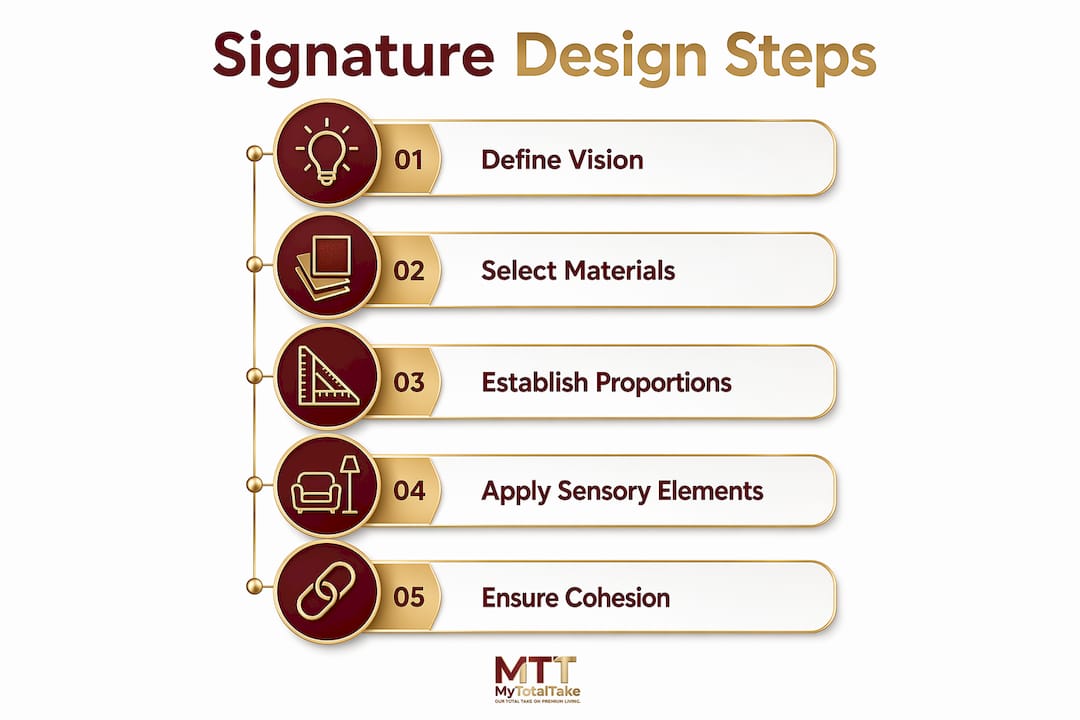
Understanding how signature collections differ from other product groupings clarifies their strategic role:
| Collection type | Size and purpose |
|---|---|
| Capsule collection | Small, time-limited drop; often seasonal or collaborative |
| Mini collection | 4 to 7 pieces; tests a new direction without full commitment |
| Signature collection | 8 to 15 core pieces; permanent brand anchor across seasons |
Signature products serve as what branding strategists call the brand’s visual DNA. They provide a foundation for seasonal collections and set consumer expectations. A shopper who buys a brand’s signature bag expects every new bag to feel related to it, not foreign.
The merchandising grid is the planning tool that makes this possible. A well-defined grid maps how each product in the line relates to every other, creating a connected product pyramid. Brands that skip this step tend to overload their catalogs with unrelated SKUs, which confuses consumers and creates inventory problems.
- Define your anchor products. Identify the two or three pieces that best express your brand’s identity. Every other product should relate to these.
- Build a product pyramid. Place anchor products at the top, supporting pieces in the middle, and entry-level items at the base.
- Map the merchandising grid. Confirm that each product shares at least one signature element with its neighbors in the grid.
- Set seasonal rules. Decide which elements are permanent and which can evolve each season without breaking cohesion.
- Review before each launch. Hold every new piece against the grid before committing to production.
Fashion experts are direct on this point: quality in signature collections comes from cohesion, not volume. A tightly edited line of 10 pieces that share a clear visual language outperforms a sprawling catalog of 40 loosely related items every time.
What are some emerging technical applications of signature design?
Signature design principles extend well beyond fashion and product development. Two fields where this is especially visible are digital marketing and clinical workflows.
In dentistry, signature design workflows convert a single STL file into before-and-after 3D simulations that improve patient communication. The process requires minimal input and no complex software setup. That application demonstrates a core truth: signature design is about reducing friction and creating clarity, whether the audience is a retail consumer or a dental patient.
In digital marketing, personalized signature campaigns that engage customers personally build stronger loyalty than traditional contact-gathering methods. Interactive and personalized branding experiences increase consumer participation and trust. That finding matters because it confirms that the emotional logic of signature design, creating recognition and connection, works across digital touchpoints just as it does in physical products.
Pro Tip: Map every digital touchpoint your brand owns, from email headers to app loading screens. Apply at least one signature visual element to each. Consistency at this level compounds brand memory faster than any single campaign.
The broader implication is significant. Brands that treat signature design as a purely physical discipline miss the opportunity to build sensory memory across screens, sounds, and interactions. The brands that will lead in the next decade are those that apply a consistent design language to every moment a consumer encounters them, whether that moment happens in a store, on a phone, or in a clinical setting.
How can designers and brands develop signature design effectively?
Developing a signature design requires deliberate planning before a single sketch is drawn. The most common mistake is starting with aesthetics and working backward to strategy. The process works better in reverse.
- Audit your existing work first. Identify which elements appear most often across your best-received products. These recurring choices are the raw material of your signature.
- Write a design brief for your brand identity. Define your palette, your material standards, your structural preferences, and your sensory goals in writing before any new project begins.
- Plan the product grid before designing. A connected merchandising plan prevents overproduction and keeps every new piece anchored to the brand’s core identity.
- Balance cohesion with evolution. A signature should feel consistent, not static. Allow one or two elements to shift each season while keeping the foundational language intact.
- Test recognition without context. Show a new product to someone unfamiliar with the brief. If they cannot connect it to your existing work, the signature element is missing.
Overproduction is the most damaging pitfall. Brands that launch too many SKUs without a coherent product plan create collections that feel incoherent. Consumers lose the thread of the brand’s identity, and inventory builds up in categories that never found an audience. A connected product pyramid and a clear merchandising plan prevent this before it starts.
Balancing tradition and innovation is the long-term challenge. A signature design that never changes becomes a cliché. One that changes too fast loses its recognition value. The most durable brands treat their signature elements the way architects treat load-bearing walls: you can renovate everything around them, but you do not remove the structure that holds the building up.
For designers working across home renovation and branding contexts, the same principle applies. A consistent material and color language across a project creates the same sense of intentional identity that a fashion house builds over decades.
Key Takeaways
Signature design is a strategic discipline: brands that define their visual DNA before production build stronger recognition, more loyal consumers, and more stable revenue than those that design reactively.
| Point | Details |
|---|---|
| Definition of signature design | A consistent set of visual, tactile, and sensory elements that make a brand instantly recognizable. |
| Signature collections | Typically 8 to 15 cohesive pieces that anchor brand identity and reduce production risk. |
| Sensory elements matter | Tactile and auditory cues reinforce brand memory beyond what visual logos alone can achieve. |
| Plan before you design | A merchandising grid and product pyramid prevent overproduction and keep collections coherent. |
| Digital applications | Consistent design language across digital touchpoints compounds brand recognition over time. |
Why signature design is the most underrated discipline in branding
Most designers I talk with treat signature design as an output, something that emerges naturally from good work over time. That framing is wrong, and it costs brands years of compounding recognition.
Signature design is an input. You define it before you design, not after. The brands that get this right, the ones whose products you recognize across a room before you read the label, made deliberate decisions about palette, material, form, and sensory experience long before their first collection shipped. The ones that get it wrong spend years producing beautiful individual pieces that never add up to a coherent identity.
The sensory dimension is where most professionals leave the most value on the table. A logo is the last thing a loyal consumer needs to recognize a brand. The weight of the packaging, the sound of the zipper, the texture of the material: these are the cues that create genuine brand memory. Brands that invest in premium home decor understand this intuitively. The best interior pieces are recognizable not because they carry a label but because their material quality and proportions tell a consistent story.
My advice for emerging designers is this: write your signature down before you design anything. Not as a mood board, but as a brief. Name your palette. Name your materials. Name the feeling you want a consumer to have when they touch your work. Then hold every decision against that brief. The discipline of that process is what separates a signature from a style.
— Lysander
Signature design in the products Mytotaltake curates
The principles that define great signature design, consistent materials, deliberate proportions, and sensory coherence, are exactly what separates lasting luxury furniture from pieces that date quickly.
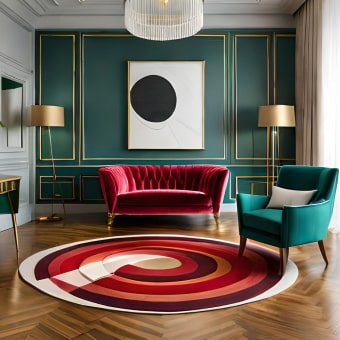
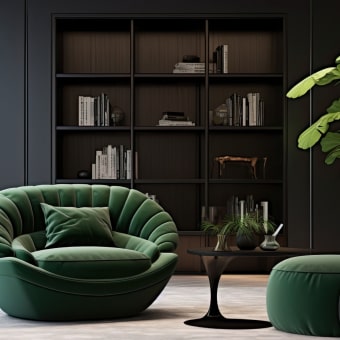
Mytotaltake curates luxury furniture selected for the same qualities that define strong signature design: distinctive craftsmanship, material integrity, and a visual language that holds up across years of use. Each piece is chosen because it contributes to a cohesive living space rather than competing with it. For designers and discerning homeowners who want their interiors to carry the same intentional identity as the brands they admire, Mytotaltake’s curated selections offer a direct path from principle to practice. Explore the full range and find pieces that earn their place in your space.
FAQ
What is signature design in simple terms?
Signature design is the consistent set of visual, tactile, and sensory elements that make a brand’s or creator’s work instantly recognizable. It functions as a brand’s visual identity language applied across every product and touchpoint.
What defines a signature collection in fashion?
A signature collection typically contains 8 to 15 interchangeable pieces unified by a shared color palette, silhouettes, and material story. Cohesion across those pieces, not the number of items, defines its strength.
How does signature design differ from a brand’s logo?
A logo is one element of brand identity. Signature design encompasses the full sensory experience, including materials, proportions, sounds, and textures, that consumers recognize before they ever read a name.
Why is a merchandising grid important for signature design?
A merchandising grid maps how each product in a line relates to every other, preventing overproduction and keeping collections coherent. Brands that skip this step often produce disconnected SKUs that dilute their identity.
Can signature design principles apply outside of fashion and product design?
Yes. In dentistry, signature design workflows convert STL files into 3D simulations for patient communication. In digital marketing, consistent design language across interactive campaigns builds consumer trust and loyalty.









Leave a comment