
The Luxury Furniture Selection Process: A Complete Guide

The luxury furniture selection process is a deliberate, step-by-step method for choosing pieces that elevate your home’s design, reflect your personal style, and hold their value over time. It goes far beyond picking what looks beautiful in a showroom. Successful curation requires spatial measurement fidelity, strict material scrutiny, style clarity, and dealer transparency working together. Skip any one of these pillars and you risk costly mistakes that no return policy fully corrects. This guide walks you through each stage so your final choices blend function with lasting elegance.
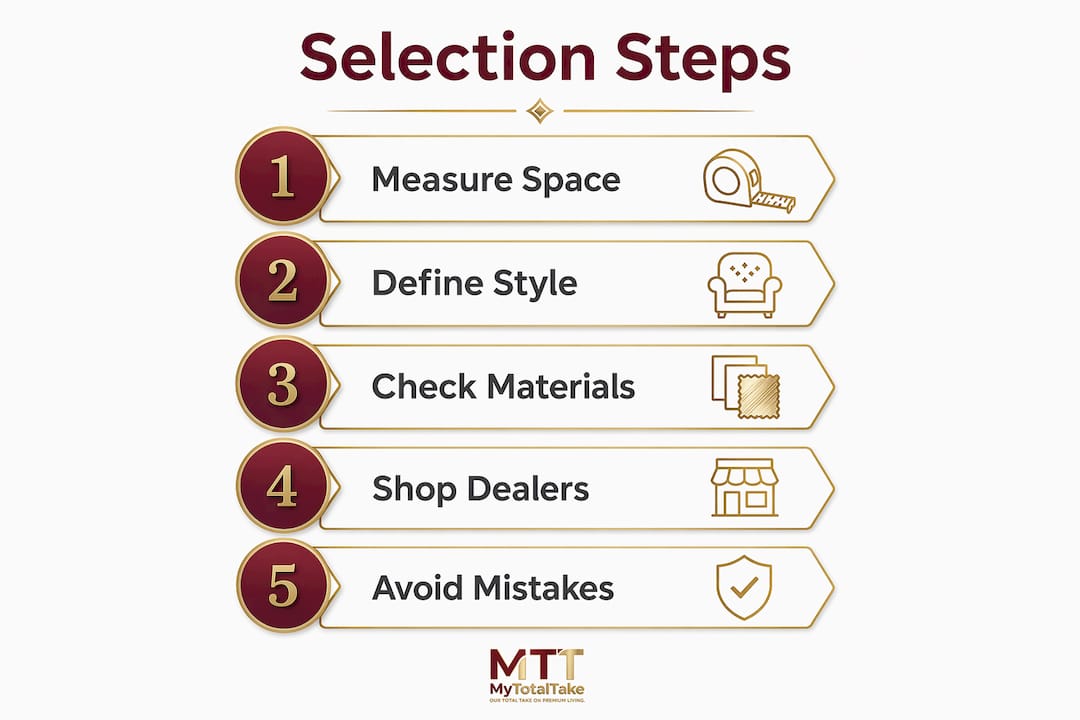
How do you measure and analyze your space before selecting luxury furniture?
Precise spatial measurements are the foundation of every successful premium furniture selection. Measurement accuracy prevents the single most common and expensive mistake in luxury buying: furniture that fails to fit physically or aesthetically. A sofa that photographs beautifully can overwhelm a living room if you never confirmed the room’s true proportions.
Start by recording every relevant dimension in the room:
- Wall lengths on all four sides, including any alcoves or recesses
- Ceiling height, which determines whether tall armoires or canopy beds are proportionate
- Doorway and hallway widths, since a piece that cannot enter the room is useless regardless of quality
- Window and radiator positions, which restrict furniture placement more than most buyers anticipate
- Walkway clearances, where interior designers recommend a minimum of 36 inches for primary paths
Once you have your numbers, transfer them to a scaled floor plan. Graph paper works well, but free digital tools like RoomSketcher or Planner 5D let you place furniture outlines accurately before spending a dollar. For large pieces like sectional sofas or dining tables, lay painter’s tape on the floor in the exact footprint of the piece. Living with that outline for a day reveals whether the scale feels right in real life.
Pro Tip: When buying online, review dimensions carefully against your floor plan before placing any order. A piece that looks elegant in photos can overwhelm a room if dimensional checks are insufficient.

Proportion is the concept that ties measurement to aesthetics. A low-profile mid-century sofa in a room with 11-foot ceilings reads as underwhelming. A grand Chesterfield in a compact study reads as oppressive. Getting the numbers right first means every subsequent decision about style and material builds on a solid foundation. You can also read Mytotaltake’s guide on measuring for a sofa for a practical room-by-room breakdown.
How do you define your interior style before choosing luxury furniture?
A clear design vision is the difference between a curated interior and an expensive collection of unrelated pieces. Mood boards and defined style themes simplify furniture selection and prevent the style dissonance that makes even costly rooms feel unresolved.
The major interior styles each carry distinct furniture characteristics:
- Modern and contemporary: clean lines, low profiles, neutral palettes, materials like polished concrete, glass, and brushed metal
- Classic and traditional: carved wood frames, symmetrical arrangements, rich fabrics like velvet and damask, warm tones
- Transitional: a blend of classic silhouettes with modern finishes, the most forgiving style for mixing pieces over time
- Rustic and organic: natural wood grain, linen and leather, irregular forms that celebrate material imperfection
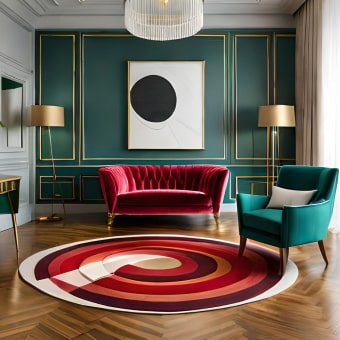
- Art Deco and maximalist: bold geometry, lacquered surfaces, brass accents, jewel-toned upholstery
Build your mood board before you shop. Pull images from Architectural Digest, 1stDibs editorial content, or Pinterest boards dedicated to a single style. Pin only what genuinely excites you, then look for the repeating elements. Those repeating elements are your design language.
Balancing timeless and trendy choices is where most buyers go wrong. Trendy pieces date quickly and rarely justify a luxury price point. Timeless silhouettes, like a well-proportioned wingback chair or a solid walnut dining table, absorb changing accessory trends without looking dated. Reserve trend-forward choices for lower-investment items like cushions, throws, and table lamps. Align your furniture’s scale, shape, and material palette with your chosen style before you fall in love with any single piece. A luxury furniture style guide from Mytotaltake covers this alignment in more depth.
What are the key materials and craftsmanship indicators to evaluate?
Material quality is the most reliable indicator of whether a luxury piece will last a decade or a generation. Premium materials like Italian leather, walnut, teak, marble, and brass not only convey quality but also contribute to longevity and aesthetic cohesion across a room.
Evaluate craftsmanship through these four checkpoints:
- Frame construction: Kiln-dried hardwood frames, particularly beech, ash, or walnut, resist warping and cracking. Avoid frames described only as “solid wood” without species specification.
- Joinery method: Mortise-and-tenon and dovetail joints indicate hand or precision machine craftsmanship. Staple-and-glue construction is a red flag at any price point.
- Upholstery standards: High-resilience foam rated at 1.8 lb density or above holds its shape under daily use. Eight-way hand-tied spring systems in seating are the benchmark for premium sofas.
- Surface and finish: Hand-applied lacquer, oil-rubbed wood finishes, and hand-stitched leather seams all signal artisan involvement that machine production cannot replicate.
Pro Tip: Request artisan certifications and provenance documents from any dealer before committing. A hesitation to provide this information is a reliable signal of an unreliable source.
Customization is a significant advantage in the luxury category. Reputable manufacturers offer fabric, finish, dimension, and hardware choices that allow a piece to fit your space and style precisely rather than approximately. That flexibility also protects your investment: a custom piece is harder to replicate and easier to reupholster or refinish decades later. Understanding what defines luxury materials helps you ask the right questions when a dealer presents options.
| Indicator | What to look for | Red flag |
|---|---|---|
| Frame material | Named hardwood species, kiln-dried | “Solid wood” with no species detail |
| Joinery | Mortise-and-tenon, dovetail | Staple-and-glue construction |
| Upholstery foam | 1.8 lb density or above | Foam density not listed |
| Spring system | Eight-way hand-tied | Sinuous wire springs only |
| Finish | Hand-applied, artisan-noted | Factory spray with no detail |
How do you shop confidently from reputable dealers and showrooms?
Reputable sourcing separates a lasting luxury purchase from an expensive disappointment. Evaluating the broader brand experience, not just individual product pages, helps you gauge quality, service, and alignment with genuine luxury values before you commit.
When visiting a showroom, bring your floor plan, material samples from your existing interior, and a short list of questions about construction. Sit in every upholstered piece for at least five minutes. Open drawers, press on cushions, and check that doors hang level. A showroom that discourages this kind of physical inspection is not a showroom worth trusting.
For online purchases, apply the same discipline. Check technical specifications like cushion density, frame construction, and customization options rather than relying on polished photography. Experts warn that online shopping for luxury goods requires heightened due diligence because imagery routinely flatters proportion and conceals material quality.
“Reading warranty and return policies thoroughly is as crucial as inspecting furniture details. Top-tier furniture often comes with extended warranties covering frames and upholstery for years, and that coverage signals a maker’s confidence in their own craftsmanship.”
Confirm delivery terms in writing before purchase. White-glove delivery, which includes in-room placement and packaging removal, is standard at the luxury tier. Anything less suggests the brand does not fully stand behind the experience it sells. The made-to-measure guidance from BravoLondon also illustrates why precise measurements matter even more when ordering bespoke pieces with long lead times.
What common mistakes undermine the luxury furniture selection process?
Even experienced buyers make avoidable errors that compromise the result. Knowing these pitfalls in advance protects both your investment and your interior’s integrity.
- Skipping measurements: Buying without confirmed dimensions is the top mistake in high-end furniture purchasing. A piece that does not fit physically or aesthetically cannot be corrected after delivery.
- Prioritizing looks over comfort: Pieces that are visually stunning but uncomfortable become expensive regrets. Luxury furniture must perform daily, not just photograph well.
- Overfilling the room: Negative space is a core design principle at the luxury level. Crowding a room with too many pieces destroys the atmosphere of refinement you paid to create.
- Neglecting maintenance requirements: Marble requires sealing. Untreated teak weathers outdoors. Italian leather needs conditioning. Ignoring care needs shortens the life of materials that should last decades.
- Impulse and trend-driven purchases: A piece that excites you in a showroom but clashes with your existing palette or style theme will never feel at home. Patience is the most underrated skill in premium furniture selection.
- Skipping brand research: Not all luxury price tags reflect luxury quality. Verify a brand’s reputation through independent reviews, design press coverage, and direct communication with past clients when possible.
Avoiding these six errors does not require more budget. It requires more preparation. The buyers who feel most satisfied with their purchases are consistently those who spent more time planning than shopping.
Key Takeaways
Successful luxury furniture selection combines spatial accuracy, material knowledge, style clarity, and verified sourcing to produce interiors that remain beautiful and functional for decades.
| Point | Details |
|---|---|
| Measure before you shop | Record wall lengths, ceiling heights, and doorway widths before evaluating any piece. |
| Define your style first | Build a mood board to identify your design language and prevent costly style dissonance. |
| Assess materials and joinery | Named hardwood frames, hand-tied springs, and artisan certifications confirm genuine quality. |
| Verify dealer transparency | Request provenance documents and read warranty terms before committing to any purchase. |
| Avoid the comfort trap | A visually stunning piece that is uncomfortable becomes an expensive regret at any price point. |
What I have learned from years of watching luxury interiors succeed and fail
The buyers who get this right share one habit: they treat furniture selection as a research project, not a shopping trip. They arrive at showrooms with floor plans, material swatches, and specific questions about joinery. They do not fall in love with a piece before confirming it fits the room in every sense of the word.
The most common failure I observe is the comfort trap. Affluent buyers sometimes assume that a high price guarantees a satisfying experience. It does not. A sculptural lounge chair that looks gallery-worthy but forces you to perch awkwardly will sit unused within six months. The room will look beautiful in photographs and feel wrong to live in. That gap between visual appeal and daily experience is where luxury purchases most often disappoint.
Craftsmanship cues are your most reliable guide when brand names are unfamiliar. Run your hand along a seam. Open a drawer slowly and feel whether it glides on wooden runners or metal slides. Press a cushion and time how quickly it recovers. These physical tests take thirty seconds each and reveal more than any product description. Brand transparency matters equally: a maker who publishes their wood species, foam density, and spring construction has nothing to hide.
My honest advice is to buy fewer pieces and buy them better. One heirloom-worthy dining table anchors a room more powerfully than six trend-forward accent chairs. Patience compounds in interior design the same way it does in any long-term investment.
— Lysander
Mytotaltake’s curated resources for discerning homeowners
Mytotaltake brings together expert buying guides, curated product selections, and honest assessments for homeowners who refuse to compromise on quality or style.
Whether you are refining a single room or furnishing an entire residence, the luxury furniture guide covers which pieces genuinely earn their place and which ones only look the part. For broader interior direction, the premium home decor tips section offers refined advice on integrating furniture within a cohesive design plan. If material quality is your primary concern, the upscale products guide provides clear criteria for identifying furnishings built to last. Mytotaltake is the resource for buyers who want signal, not noise.
FAQ
What is the luxury furniture selection process?
The luxury furniture selection process is a structured approach to choosing high-end pieces by evaluating spatial dimensions, design style, material quality, and dealer credibility before purchasing. It prioritizes long-term satisfaction over impulse decisions.
How do I assess the quality of luxury furniture materials?
Check for named hardwood species in frames, high-resilience foam rated at 1.8 lb density or above, eight-way hand-tied spring systems, and hand-applied finishes. Request artisan certifications and provenance documents to verify authenticity.
Why does negative space matter in a luxury interior?
Negative space allows each piece to be seen and appreciated individually, which reinforces the atmosphere of refinement. Overfilling a room with furniture disrupts that atmosphere regardless of each piece’s individual quality.
What should I bring to a luxury furniture showroom?
Bring a scaled floor plan of your room, material swatches from your existing interior, and a list of questions about frame construction, joinery, and warranty terms. Sit in and physically test every upholstered piece before deciding.
Is buying luxury furniture online safe?
Buying luxury furniture online is safe when you verify dimensions against your floor plan, review technical specifications beyond photography, and confirm warranty and return policies in writing before placing an order.







Leave a comment