
Designer Ceiling Fans That Elevate Every Room
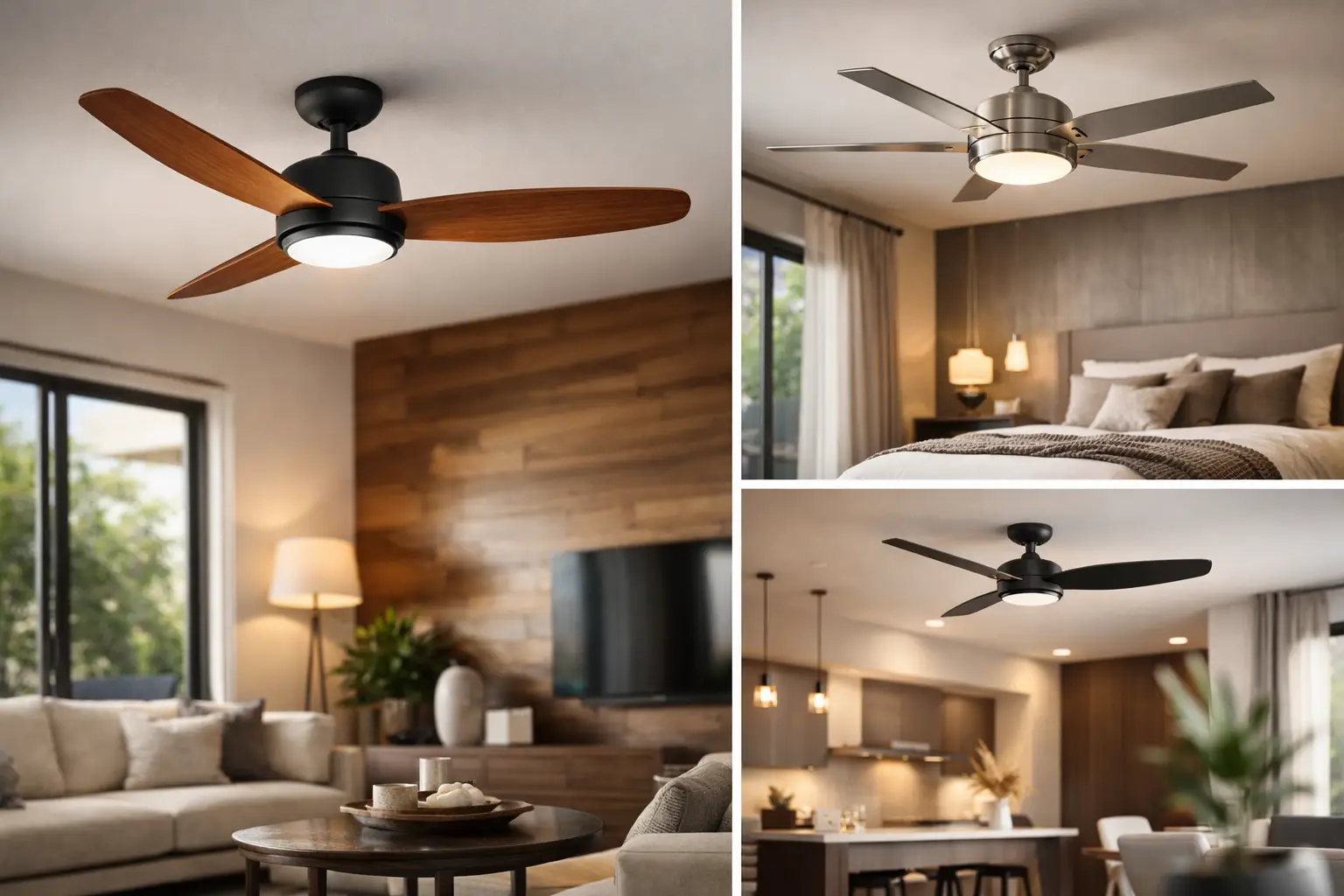
A ceiling fan can either disappear into the background or become the detail that makes a room feel considered. The difference is rarely just the number of blades. Designer ceiling fans bring together proportion, finish, airflow, and lighting in one highly visible fixture, turning a practical necessity into a polished part of the room’s architecture.
For a sun-washed living room, a quiet bedroom, or a covered patio designed for long evenings outdoors, the right fan creates comfort without compromising the point of the space: how it feels to be there. Choosing well means looking beyond a trend-forward silhouette and considering the scale, controls, motor, and installation conditions that will shape everyday use.
Why designer ceiling fans deserve more attention
Ceiling fans occupy valuable visual territory. They sit at the center of the ceiling, often directly above a dining table, bed, or seating arrangement, where a dated fixture can interrupt an otherwise refined interior. A designer model treats that placement with intention. Think streamlined blade profiles, sculptural housings, matte finishes, warm wood tones, or integrated LED lighting that feels tailored rather than added on.
The appeal is not purely aesthetic. A well-made fan circulates air to make a room feel more comfortable at a higher thermostat setting in summer. In winter, a reversible motor can gently push warm air down from the ceiling. That year-round usefulness makes it one of the more intelligent upgrades for homeowners and renters alike, especially in spaces where air conditioning or heating alone leaves hot and cool zones.
Premium design also tends to bring quieter performance and more thoughtful controls. A high-quality DC motor, for example, is typically more energy-efficient and noticeably quieter than a traditional AC motor. This matters in a bedroom, nursery, home office, or media room, where the low hum of an inexpensive fan can quickly become distracting.
Start with scale, not style
The most exquisite fan can still look wrong if it is undersized for the room. A small fixture floating above a large sectional has little visual presence and may not circulate enough air. An oversized fan in a compact room can feel crowded, even when the finish is beautiful.
For rooms up to about 75 square feet, a fan around 29 to 36 inches is generally appropriate. Bedrooms, offices, and spaces between roughly 76 and 144 square feet often suit a 42- to 48-inch fan. For larger living rooms and open-plan areas, look to 52- to 60-inch options, with 60 inches and beyond reserved for generous great rooms, lofts, and covered outdoor entertaining areas.
These are starting points, not rigid rules. Ceiling height, furniture layout, and the room’s shape all affect the decision. A long, narrow space may benefit more from two coordinated fans than from one oversized centerpiece. In a large room with a vaulted ceiling, a substantial fan can look balanced but may require a longer downrod to position the blades at an effective height.
For safety and performance, blades should generally sit at least seven feet above the floor and about 18 inches from walls or sloped ceilings. Most installations look and work best with the blades eight to nine feet above the floor. A flush-mount design is often the elegant answer for an eight-foot ceiling, while downrod-mounted fans give taller rooms a more proportionate, intentional finish.
Choose a finish that belongs in the room
A designer ceiling fan should relate to the other materials already doing the visual work. It does not need to match every metal finish exactly, but it should feel like it shares the same design language.
Matte black fans offer crisp contrast against pale ceilings and work beautifully with modern, industrial, and organic interiors. They can echo black window frames, cabinet hardware, or a statement fireplace surround. Brushed nickel and soft silver finishes are adaptable choices for transitional homes, particularly where chrome or stainless steel appliances already appear nearby.
For a warmer, more collected look, consider brass, antique bronze, or wood-blade designs. Brass can lend a quiet sense of luxury to a dining room or bedroom, especially when paired with creamy walls, rich textiles, and warm lighting. Wood finishes bring softness to minimalist spaces and are particularly effective in coastal, Japandi, and contemporary rustic interiors.
The blade count is less important than the overall profile. Two- and three-blade fans often read as clean and contemporary, while four- and five-blade designs can suit more traditional rooms. Focus on the shape of the blades, the depth of the motor housing, and the visual weight of the fixture from below. A fan with sculptural, gently tapered blades can feel more like a custom lighting piece than a utility item.
Airflow and motor quality make the luxury feel real
Style earns the first look, but airflow determines whether a fan becomes a lasting favorite. The number to consider is cubic feet per minute, or CFM, which measures how much air the fan moves. A larger room typically needs a higher CFM, though blade pitch, blade design, and motor quality affect performance as much as size alone.
DC motors are a particularly compelling choice for design-conscious homes. They use less energy, often offer multiple speed settings, and provide soft, quiet operation. Their cost may be higher upfront, but the difference is meaningful in rooms used every day. If the fan will run overnight or during movie nights, a whisper-quiet motor is worth prioritizing.
Do not assume the strongest fan is automatically the best. Excessive air movement can be unpleasant at a dining table or in a smaller bedroom. The ideal model gives you range: a gentle breeze for a calm evening, more power for humid afternoons, and a reverse setting for cool-weather circulation.
Remote controls and wall controls each have their place. A handheld remote brings convenience, while a wall-mounted control is easier for guests and avoids another device getting misplaced. Smart-enabled fans can add scheduling, voice control, and app-based adjustments, but they are most valuable when they fit naturally into an existing smart-home routine. For some households, a beautiful fan with a simple, reliable wall control is the more refined choice.
Decide whether the fan should provide light
Integrated lighting can simplify a ceiling plan, especially in bedrooms, guest rooms, and multipurpose spaces. Today’s better LED light kits are far removed from the harsh, overly bright domes found in older fans. Look for dimmable LEDs and color temperatures around 2700K to 3000K for a warm, inviting glow.
Still, a fan with a light is not always the right answer. In a dining room with a statement chandelier, or a living room with layered recessed, floor, and table lighting, a lightless fan can preserve the cleaner silhouette. It is also an excellent option for patios, covered porches, and rooms where the ceiling fixture is meant to remain visually restrained.
If you choose integrated light, consider how it will work with the rest of the room after dark. A fan light may be ideal for general illumination, but it should not be the only source in a space designed for atmosphere. Lamps, sconces, and accent lighting create the depth that makes a home feel inviting.
Indoor, outdoor, and installation details
A beautiful fan is only as durable as its rating allows. Indoor-rated fans belong in dry interiors. Damp-rated models can handle covered porches, bathrooms, and other humid locations where they will not be directly exposed to rain. Wet-rated fans are built for open patios, pergolas, and outdoor spaces where moisture is unavoidable.
Outdoor settings are also where finish quality becomes especially important. Select corrosion-resistant materials and blades designed to resist warping or fading. Natural wood may look exquisite indoors, but weather-resistant composite blades are often the wiser long-term choice outdoors.
Installation should not be treated as an afterthought. Ceiling fans need a properly rated electrical box that can support movement and weight. If electrical work, a high ceiling, or a sloped mount is involved, professional installation protects both the fixture and the home. It also helps ensure the fan is balanced, quiet, and positioned at the correct height.
At My Total Take, the best home upgrades are the ones that make a space more beautiful while improving the way it is lived in. Choose a fan that suits the room’s proportions, supports its lighting plan, and delivers the level of comfort you will notice long after the first impression. The right piece does more than move air – it gives the entire room a more finished point of view.









Leave a comment