
How to Organize Kitchen Countertop Appliances
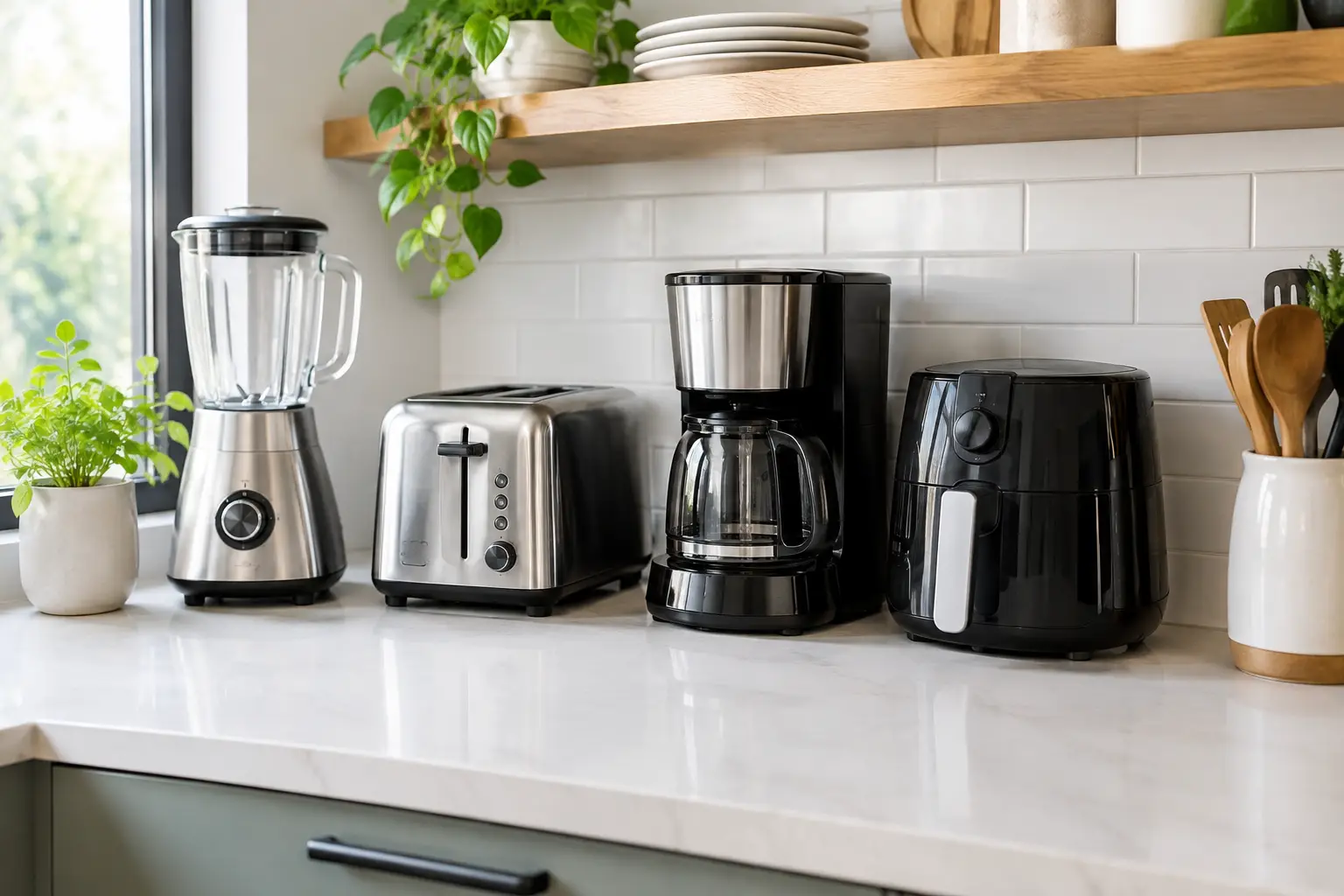
A beautiful kitchen can lose its sense of calm the moment the toaster, blender, espresso machine, air fryer, and stand mixer compete for the same stretch of counter. Learning how to organize kitchen countertop appliances is less about hiding every useful tool and more about giving each piece a purposeful place. The result is a kitchen that feels considered, performs better during busy mornings, and still looks polished when guests arrive.
Begin With Your Actual Routine
The most refined kitchens are not styled for a photograph alone. They are designed around the people who use them. Before moving a single appliance, notice what happens in your kitchen from morning through dinner. A household that makes espresso every day needs a different setup than one that blends smoothies, batch-cooks on weekends, or relies on an air fryer for weeknight meals.
Start by separating countertop appliances into three practical groups: daily-use, weekly-use, and occasional-use. Daily-use pieces have earned visible real estate. Weekly-use appliances may deserve an easy-access cabinet, pantry shelf, or appliance garage. Occasional-use pieces, such as a waffle maker, holiday slow cooker, or oversized food processor, can live higher up or farther back without making the kitchen less functional.
This simple edit is often the biggest transformation. Counter space is valuable, especially in an apartment kitchen or a compact open-plan home. Keeping every appliance visible can make even high-end materials feel crowded. Let frequency of use, not guilt over a purchase, decide what stays out.
How to Organize Kitchen Countertop Appliances by Zone
Think of the countertop as a series of small workspaces rather than one large storage surface. When appliances are organized around tasks, they become easier to use and easier to put away.
Create a morning beverage station
Place the espresso machine, coffee grinder, electric kettle, or tea maker near the mugs, coffee beans, filters, and water source. This keeps the morning routine contained to one area instead of sending you across the kitchen before your first cup.
A handsome tray can make the station feel intentional while protecting the counter from drips and grounds. Choose one with a low profile and a finish that suits the room, whether that is warm wood, polished metal, or matte black. Keep only the essentials on the tray. A row of syrup bottles or an overflowing collection of capsules can turn a refined station into visual noise.
Keep prep appliances close to prep space
Blenders, food processors, stand mixers, and juicers work best near a clear section of counter where ingredients can be chopped, measured, and assembled. If possible, position them near the refrigerator or pantry, but not directly in front of the most-used drawer or cabinet.
A stand mixer is often substantial enough to deserve a permanent home, particularly if its finish complements the kitchen. For a blender used several times a week, leave the base out but store the pitcher in a cabinet if it creates a cluttered silhouette. This is a worthwhile compromise between convenience and visual restraint.
Give cooking appliances breathing room
Air fryers, toaster ovens, multicookers, and countertop grills produce heat, steam, or both. Set them where they have clearance from upper cabinets, walls, and decorative objects. Avoid wedging them into a tight corner just because it is empty.
Check the manufacturer’s safety guidance before choosing a permanent spot. In many kitchens, a heat-producing appliance is best stored in a lower cabinet or pantry and brought out for use. This preserves the countertop and prevents grease, moisture, and heat from affecting nearby finishes.
Protect the Work Triangle
Your sink, refrigerator, and cooktop form the kitchen’s main movement pattern. Appliances should support that flow, not interrupt it. A countertop can look perfectly arranged yet remain frustrating if the coffee maker blocks the cabinet with everyday dishes or the toaster sits where dinner prep usually happens.
Keep at least one generous, uncluttered prep area near the sink and cooktop. In a smaller kitchen, this may mean limiting the counter to two permanent appliances rather than five. A portable cart, rolling island, or nearby shelf can absorb the overflow while adding useful storage and a furniture-like presence.
Also consider height and reach. Heavy appliances should not be lifted from an awkward high shelf every day. A premium stand mixer or espresso machine is designed to be enjoyed, not treated like a cumbersome appliance you avoid using. Place weighty pieces at counter height or in a lower pullout where they can be accessed safely.
Make Cords Disappear From View
Nothing makes a carefully designed countertop look less finished than a tangle of black cords. Cord management is a small detail with an outsized effect.
Choose the outlet closest to each appliance’s intended zone, then coil excess length behind the appliance with a reusable cord tie. If a cord must run along the backsplash, keep it straight and discreet instead of allowing it to drape across the counter. Avoid overloading power strips, particularly around heat-producing appliances or areas exposed to water.
When planning a future kitchen update, consider outlets inside an appliance garage, under upper cabinets, or along the backsplash where they can support a beverage station without becoming a focal point. These thoughtful details create the quiet convenience associated with a truly high-end haven.
Use Storage That Feels Built In
You do not need a full renovation to create a more composed look. The right storage can make countertop appliances feel integrated into the kitchen.
An appliance garage is an excellent choice for a toaster, blender, coffee maker, or mixer that is used frequently but does not need to remain on display. Look for a design that opens easily and provides enough depth for ventilation and cords. A cabinet with a lift-up door can offer the same benefit, provided the appliance can be used safely inside or moved forward before operation.
For renters or anyone avoiding permanent changes, a dedicated pantry shelf, rolling cart, or sideboard can be equally effective. Store appliances with their accessories together: blender with tamper and travel lid, mixer with attachments, multicooker with measuring cup and steam rack. Searching for missing parts is one reason countertop clutter returns.
Open shelving can work for a limited number of beautiful, frequently used pieces. It depends on your tolerance for dust and the consistency of your appliance finishes. A coordinated collection in stainless steel, soft cream, black, or brushed brass accents can look curated. An assortment of mismatched colors and bulky packaging usually benefits from closed storage.
Curate What Remains on Display
Visible appliances should contribute to the kitchen’s overall character. This does not mean every item must match exactly, but the collection should feel deliberate. Consider finish, scale, and shape together. A sculptural espresso machine may be a statement piece; a scratched toaster beside it can diminish the effect.
Limit decorative objects around working appliances. One small bowl for fruit or a vase with simple greenery is often enough. Countertops need visual pauses, especially if they feature expressive stone, veining, or rich wood grain. Leaving open space is not wasted space. It is what allows the materials and craftsmanship of the room to register.
Clean the visible appliances regularly, too. Fingerprints on chrome, coffee residue on a drip tray, and crumbs around a toaster are more noticeable in a streamlined setup. A quick wipe at the end of the day maintains the elevated look without adding a major chore.
Reassess After Two Weeks
The first arrangement is rarely the final one. Live with your new zones for a couple of weeks, then pay attention to friction. If the blender remains out because you use it every morning, it belongs on the counter. If the air fryer is constantly moved aside to make room for chopping, it may need a storage home closer to where it is used.
The goal is not a sparse kitchen or a showroom kitchen. It is a kitchen where every appliance earns its place through beauty, performance, or both. A thoughtfully chosen espresso machine, mixer, or compact cooking appliance can elevate everyday rituals when it is positioned with care.
Treat your countertop as a stage for the pieces that improve your life most. With a few considered zones, concealed storage, and room to work, the kitchen becomes a more elegant setting for every meal, morning, and gathering.








Leave a comment