
Best Greenhouse Starter Kits for First Harvests
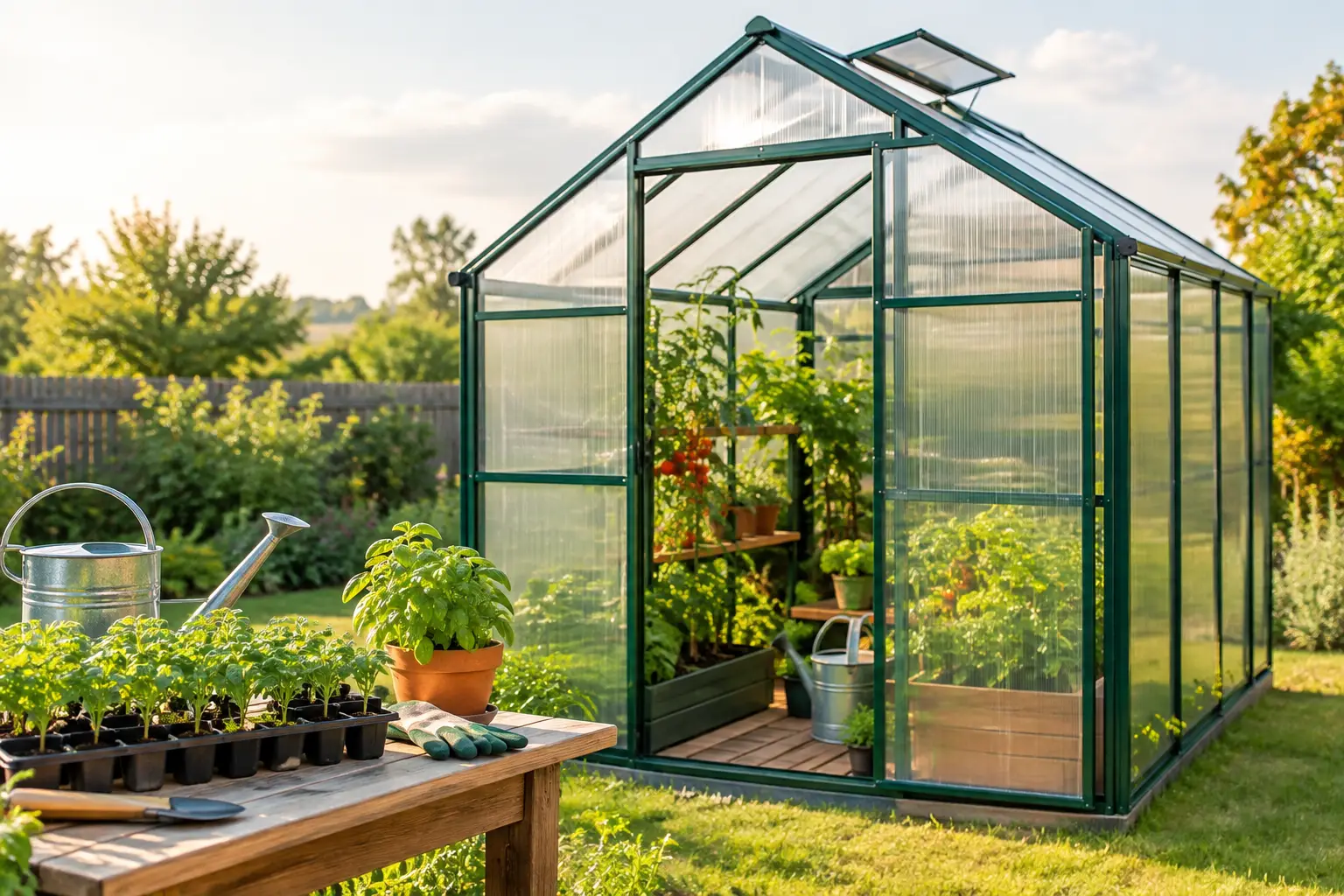
A greenhouse can turn the overlooked corner of a patio, side yard, or garden into a more generous growing space. The best greenhouse starter kits make that transformation feel considered rather than complicated, creating a protected setting for herbs, seedlings, flowers, and vegetables without requiring a custom build. The right choice is less about buying the largest structure you can fit and more about choosing one that suits your climate, available light, gardening ambitions, and the look of your outdoor space.
For a first greenhouse, thoughtful design pays off. A kit should provide a clear path from delivery to planting day, while still offering the materials and details that make it feel like a lasting home upgrade rather than a temporary seasonal purchase.
What Sets the Best Greenhouse Starter Kits Apart
A starter kit earns its place by simplifying the essential decisions: structure, covering, access, airflow, and usable growing room. It should arrive with the major components engineered to work together, so you are not sourcing hardware, panels, and supports separately. That convenience matters, but it should never come at the expense of stability.
The most satisfying kits also leave room for your gardening habits to grow. A compact structure with a sensible door, room for shelving, and enough height to work comfortably can serve a beginner beautifully for years. Conversely, a dramatic walk-in model may be the better value when you already know you want to raise tomatoes, peppers, and climbing plants through a long season.
Start with the frame, not the accessory list
The frame establishes how a greenhouse handles wind, rain, and the recurring movement of daily use. Powder-coated steel is a strong choice for shoppers who want a grounded, traditional structure with a durable finish. Aluminum is lighter, naturally corrosion-resistant, and often favored for clean-lined greenhouse designs. Both can perform well, provided the frame includes secure connectors, cross bracing where needed, and clear anchoring provisions.
Avoid treating anchoring as an optional extra. Even a modest greenhouse presents a broad surface to the wind. Depending on your site, a level wood base, pavers, ground stakes, or a concrete foundation can make the difference between a serene garden retreat and a frustrating repair project after the first storm.
Choose glazing for your climate and expectations
Greenhouse coverings affect warmth, light diffusion, durability, and visual polish. Polyethylene covers are commonly found on entry-level tunnel and walk-in kits. They are affordable, lightweight, and practical for extending a growing season, especially when the frame can be secured well. Their trade-off is a shorter service life and a more utilitarian appearance.
Polycarbonate panels are a significant step up for an enduring backyard installation. Twin-wall panels provide insulation while softening intense sun, helping reduce hot spots on delicate young plants. Clear panels offer bright visibility and a crisp architectural look, though they may demand closer attention to shade and ventilation in high-sun regions. Tempered glass can feel especially refined, but it is heavier, generally more expensive, and best suited to a permanent foundation.
Ventilation protects your plants and your investment
A greenhouse is designed to trap warmth, which is helpful until it becomes excessive. On a bright spring afternoon, interior temperatures can climb quickly, even when the outdoor air feels mild. Look for a kit with roof vents, operable windows, a wide door, or mesh-screened openings. These features help release heat, lower humidity, and discourage the fungal issues that thrive in still, damp air.
For many home gardeners, a roof vent paired with an opening door provides a strong foundation. In hotter parts of the US, consider whether there is room for a compact circulation fan, shade cloth, or an automatic vent opener. These are modest additions that can protect a season’s work when schedules get busy.
Match the Greenhouse Kit to Your Space
A greenhouse should complement the way you live outdoors. Before focusing on square footage, observe the intended location for a few days. It needs consistent sun, reasonable shelter from severe wind, and easy access to water. A beautiful kit placed where it is inconvenient to reach will not receive the daily attention that seedlings and tender plants appreciate.
A mini greenhouse is ideal for apartment balconies, petite patios, and gardeners who primarily start seeds or grow culinary herbs. These compact cabinet-style or lean-to designs keep supplies close at hand and can bring a tailored, orderly presence to a small outdoor area. They are not intended for tall crops or extensive harvests, but their scale is part of their appeal.
A walk-in greenhouse is often the most versatile first investment for a homeowner. Models around 6 by 8 feet can accommodate shelves, pots, seed trays, and several mature plants without overwhelming a standard backyard. Choose a taller profile if you plan to grow indeterminate tomatoes, cucumbers, or ornamental vines. The added headroom improves airflow as well as comfort.
Lean-to kits make sense when a sunny wall of the home, garage, or garden shed is available. They use less yard space and can create a more integrated, intentional outdoor design. The adjacent wall may offer some warmth and wind protection, but verify that runoff from the roof will not drain directly onto the greenhouse.
For ambitious growers, a larger freestanding kit creates room for zones: propagation on one side, mature plants on the other, and a compact work surface in between. Bigger is not automatically better, however. More volume means more watering, more temperature management, and more seasonal cleaning. Buy for the garden you will realistically tend, not only the one you imagine at the height of January planning.
Details Worth Checking Before You Buy
A premium-feeling greenhouse experience comes from the details that make daily use easier. Read the kit specifications with the same care you would bring to a major outdoor furnishing purchase. Four areas deserve particular attention:
- Door design: A wide, smooth-opening door makes it easier to carry trays, soil, and watering cans. Sliding doors save clearance in tight spaces, while hinged doors can offer a more traditional feel.
- Panel and cover attachment: Clips, channels, reinforced hems, and secure fastening systems matter more than a dramatic product photo. They determine how well the greenhouse stays sealed through changing weather.
- Interior flexibility: Built-in shelving can be convenient, but adjustable shelves or clear wall space may better support changing crops, grow lights, and potting benches.
- Replacement availability: Covers, panels, clips, and vent components eventually wear or get damaged. A kit designed with replaceable parts can extend its useful life considerably.
It is also wise to account for the items that may not be included. A thermometer-hygrometer, shelving, seed-starting trays, grow lights, a watering wand, and a small fan can elevate a basic kit into a highly functional growing space. These additions should support your routine, not turn a simple garden project into a collection of gadgets.
Build for a Better First Season
Set aside more time for site preparation than for assembly itself. Level the ground, establish the base, and make sure the door will open freely before you begin constructing the frame. Assemble on a calm day with a second person if possible, especially for larger panels or a flexible cover that can catch the wind.
Once built, test the greenhouse before filling it. Open and close every vent, check that doors latch cleanly, and observe the interior temperature over a sunny day. Start with forgiving crops such as basil, lettuce, kale, marigolds, or sturdy tomato seedlings. Their response will teach you how quickly your greenhouse warms, how often it needs water, and where shade may be needed.
The best greenhouse starter kit is ultimately the one that invites you outside more often. Select a structure with enduring materials, a proportion that suits your property, and enough refinement to make tending plants feel like a welcome daily ritual. A well-chosen greenhouse does more than shelter a harvest – it gives the growing season a place of its own.









Leave a comment