
Choosing a Home Sauna for Two People
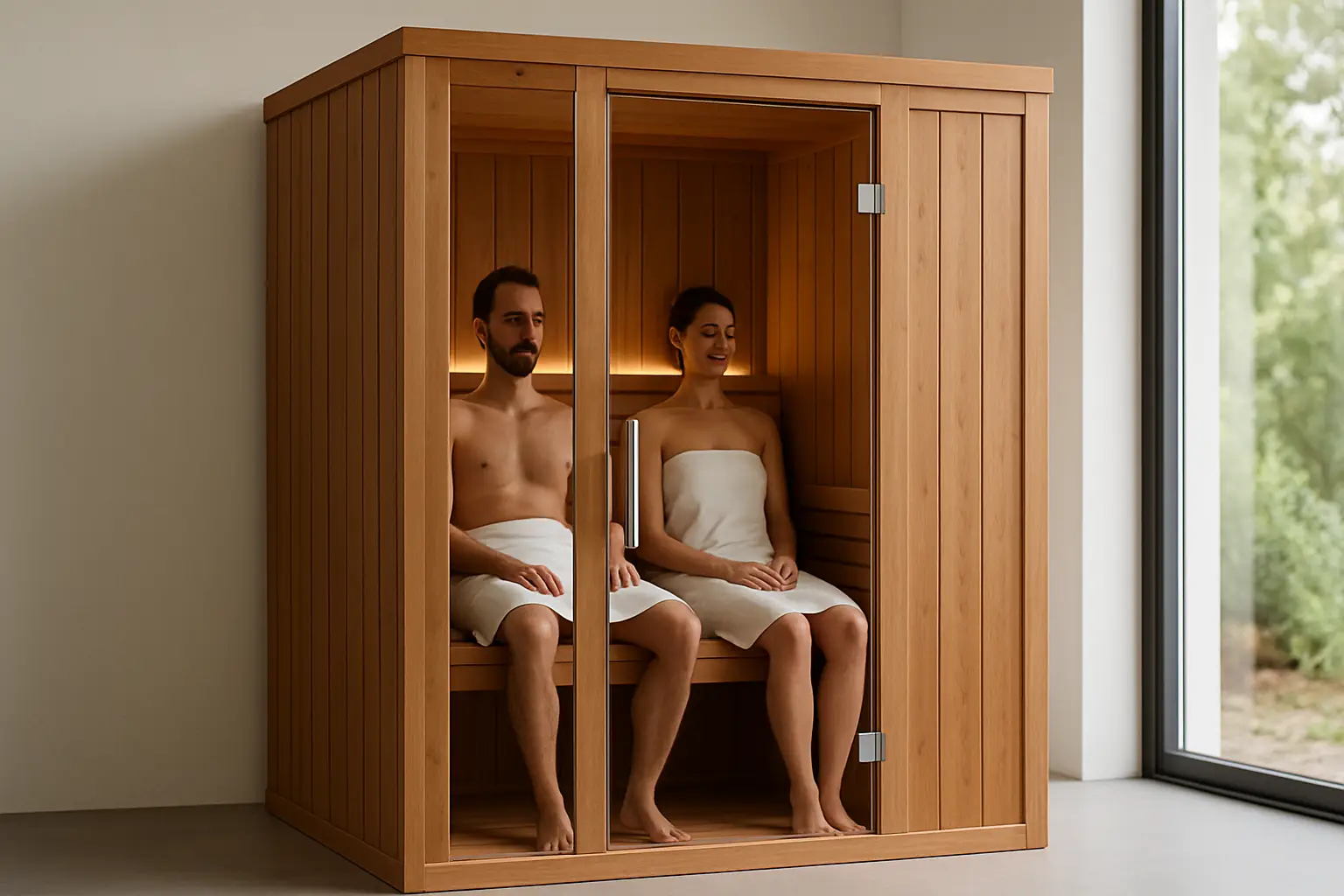
There is a particular kind of luxury in stepping out of the shower, dimming the lights, and knowing the best part of your day is already warmed up – for both of you. A home sauna for two people is not just “a bigger one-person unit.” It is a shared ritual, a design choice, and a daily upgrade that can change how your home feels after workouts, long workdays, or cold-weather weekends.
The catch is that two-person saunas live in the details: the footprint that looks modest online, the heater style that changes the experience, the electrical requirements that determine where it can realistically go, and the comfort features that decide whether you use it once a month or four times a week.
Why a two-person sauna hits the sweet spot
A two-person format is often the most livable option for modern homes and apartments because it delivers a true “sauna session” without demanding a dedicated spa wing. Two seats also change the psychology: you are more likely to use it when it supports conversation, quiet companionship, or a simple routine you can keep together.
From a design standpoint, two-person units tend to be the first category where manufacturers add thoughtful touches: better interior lighting, more stable benching, improved ventilation, and a more considered exterior finish that does not look like gym equipment parked in a spare room.
There are trade-offs. Two-person models cost more, they can require a higher-power circuit, and the heat-up time can vary widely depending on heater type. But for many buyers, this is the point where sauna ownership shifts from “nice idea” to “habit.”
Start with placement, not features
The most expensive mistake is choosing a sauna you love that does not truly fit your home. Measure the intended space like you would for a refrigerator: width, depth, height, door swing, and the path it must travel to reach the room.
Most two-person saunas land in a compact range, but “compact” can still mean 45-55 inches deep and 48-60 inches wide, plus breathing room. You also want at least a few inches of clearance for airflow around the exterior, and enough space in front to step out comfortably.
Placement also shapes the vibe. A bedroom-adjacent sauna makes nightly sessions effortless. A garage or basement setup can be ideal for post-workout recovery, but may require insulation and temperature management to keep performance consistent. Bathrooms are appealing, yet humidity and ventilation in that room matter more than most people expect.
Choosing the sauna type: infrared vs traditional
This is where the experience diverges.
Infrared: gentle heat, faster habits
Infrared saunas heat your body more directly, typically at lower ambient temperatures. Many people find them easier to use consistently, especially if they want a calmer session rather than the intense, steamy feel of a classic sauna.
Infrared units are often simpler to install, and many two-person models can run on standard household power. They can be a strong fit for apartments, primary suites, and multipurpose rooms where you want polished wellness without a major build-out.
The trade-off is that if you grew up loving the traditional “hot room” sensation, infrared can feel different. It is still sweat, still recovery, still relaxation – but it is not the same heat story.
Traditional (electric heater): the classic sauna atmosphere
Traditional saunas heat the air, and the ritual feels unmistakable: higher temperatures, a more enveloping warmth, and (in some setups) the option to add water to sauna stones for bursts of humidity.
A two-person traditional sauna can feel like a true spa installation, but power requirements are often higher. You may need a dedicated circuit and professional electrical work. Heat-up time can be longer depending on insulation quality, heater size, and where the unit is placed.
If you want the authentic “sauna cabin” feel and you plan to use it as a centerpiece of recovery and relaxation, traditional is often the direction. If convenience and ease of install are the priority, infrared tends to win.
Size and seating: what “two people” really means
Two-person labels are not standardized. Some designs fit two people in theory, but not in comfort.
For everyday use, look for a bench depth that lets you sit without your knees pushing forward, and a width that allows two adults to sit without shoulder-to-shoulder tension. If one of you likes to sit cross-legged or stretch legs up on the bench, you will appreciate a slightly wider interior.
Backrests matter more than they sound. A well-designed backrest can turn a 15-minute session into a 30-minute wind-down. Also consider the height of the upper bench if there are multiple levels. In a compact sauna, a single main bench is often the most comfortable approach because it avoids cramped headroom.
Materials and craftsmanship: where premium actually shows
If your goal is an elevated home aesthetic, the wood and build quality cannot be an afterthought.
Cedar is popular for good reason: it is stable, aromatic, and naturally suited to warm environments. Hemlock and spruce can also be attractive and durable when constructed well, often with a cleaner, more modern look.
Pay attention to panel thickness, fit and finish, and the quality of the door. A solid, well-sealed door helps heat retention and reduces energy waste. Tempered glass can look beautiful and contemporary, but you want confident hardware and a precise fit so it feels substantial, not flimsy.
Inside, look for smooth sanding, comfortable edges on benches, and sturdy supports. A premium sauna should feel like furniture, not a kit.
Electrical and installation realities
Before you commit, match the sauna’s power needs to your home’s capabilities. Many infrared models use standard outlets, while many traditional electric heaters need higher-voltage service and a dedicated circuit.
This is not a reason to avoid traditional saunas. It is simply a planning step. If you are already renovating, adding the right circuit can be straightforward. If you are renting or you want a minimal-install setup, infrared can reduce friction and get you to day-one use faster.
Ventilation is another overlooked factor. Good saunas are designed with airflow in mind, but the room itself should not trap excessive heat or moisture. A little planning here keeps sessions comfortable and protects surrounding finishes.
The comfort details that separate “used often” from “used rarely”
Two people share space, so small design decisions feel bigger.
Lighting should be warm and calm, not harsh. Interior reading lights, soft LED strips, or a gentle glow behind a backrest can shift the whole experience from functional to spa-like.
Controls should be intuitive. If you need a manual every time you want to start a session, the ritual will fade. A clear timer, temperature control, and predictable preheat behavior keep it effortless.
Sound is personal. Some people love quiet sessions, others want music or guided breathing. If built-in audio is included, it should feel refined, not like an afterthought.
Finally, think about how you will use it. If your sessions are post-workout, you may want easy-clean surfaces and a floor design that handles towels and water drips gracefully. If your sessions are more “evening reset,” you may care more about lighting, aesthetics, and how it looks with the door closed.
Budget: where it makes sense to invest
Pricing ranges widely, and not all higher-priced units are better. For a two-person sauna, the smartest spend is usually on build quality and heater performance rather than flashy add-ons.
If you are choosing between a slightly larger interior and a long list of minor features, space often wins. A sauna you can sit in comfortably together will get used more, and use is what makes this purchase feel worth it.
Also consider the “ownership costs” you rarely see on product pages: possible electrical work, flooring protection, and the value of a warranty that actually feels supportive. Buying from a retailer that treats the sauna as a premium home product – with clear service and a confident shopping experience – makes the process feel far less risky.
If you want to browse a curated selection of high-end home wellness pieces with the reassurance of safe payments, responsive support, and streamlined delivery, mytotaltake.com is positioned as a design-forward destination for elevated upgrades.
Making it feel intentional in your home
A home sauna for two people should not look like it was dropped into the room as an appliance. Treat it like a statement piece.
In a bedroom or lounge space, anchor it with a simple mat or low-profile flooring protection, keep towels in a closed basket, and add one small surface nearby for water and essentials. In a garage gym, improve the feel with better lighting and a clean zone around the entrance so stepping out feels refreshing, not industrial.
If you care about resale or long-term flexibility, choose a model with a clean exterior design and a footprint that can move with you. Many owners appreciate the option to relocate the unit later, even if they never do.
A quick reality check: who should reconsider
A sauna is a commitment to heat and routine. If you dislike being warm, if you are looking for a “set it and forget it” wellness solution, or if your space is already too tight to breathe, it may not be the right upgrade.
And if you are deciding mainly because it sounds impressive, pause. The best reason to buy is simple: you can picture exactly when you will use it, where it will live, and how it will make your evenings or recovery days better.
The most satisfying two-person saunas are not the ones with the longest feature list. They are the ones that fit your home cleanly, feel exceptional to sit in, and make it easy to keep a shared ritual – a quiet, heated place where the day softens, and your home feels like it is taking care of you back.










Leave a comment