
Premium home decor tips for affluent homeowners
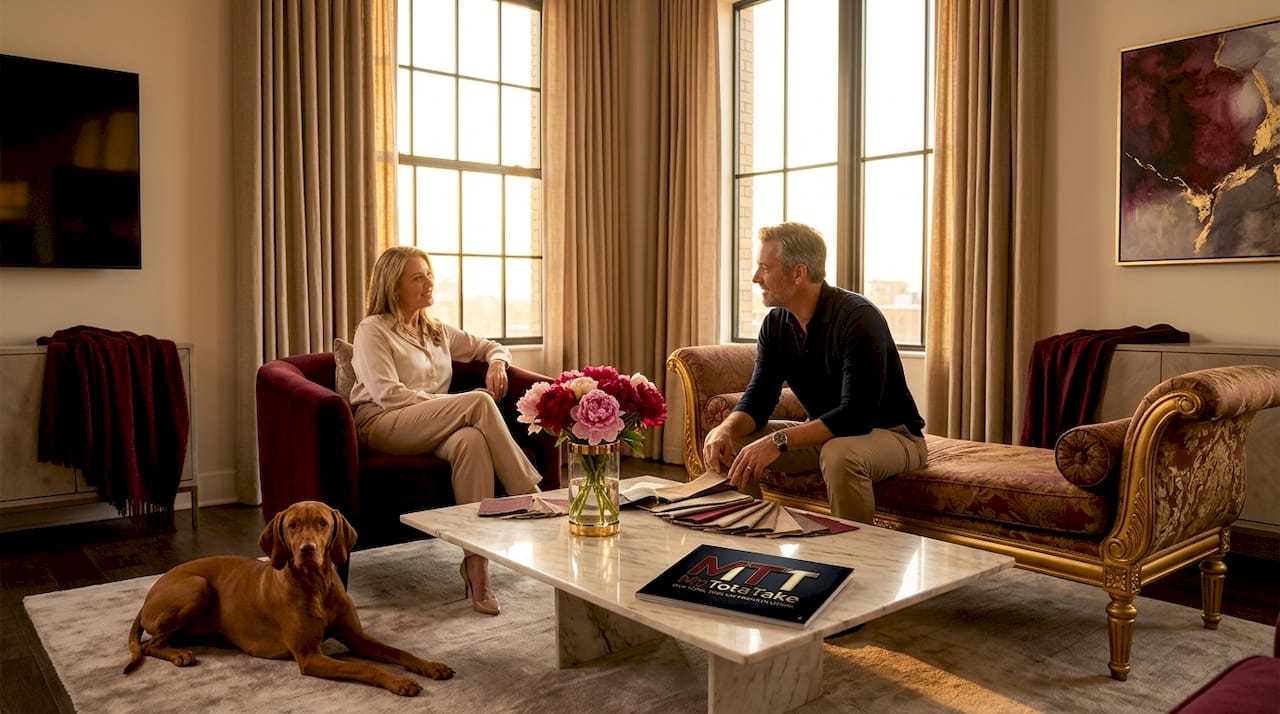
Achieving a truly premium home aesthetic is harder than it looks. You can spend generously on furniture and still end up with spaces that feel assembled rather than designed. The challenge most affluent homeowners face is not budget — it’s knowing which premium home decor tips actually move the needle versus which ones just add noise. This article gives you a clear, expert-backed framework for selecting, investing in, and styling luxury decor that reflects your personal aesthetic, stands the test of time, and makes every room feel like it was composed rather than decorated.
Table of Contents
- Set your premium home decor criteria: style, scale, and craftsmanship
- Invest in impactful statement pieces that define your space
- Add luxury with custom window treatments and rich textures
- Curate meaningful art and greenery for personalized luxury
- Refine your decor with lighting, scale, and cohesive details
- The overlooked luxury: embracing negative space and personal style
- Discover premium furnishings and expert design solutions
- Frequently asked questions
Key Takeaways
| Point | Details |
|---|---|
| Set clear luxury criteria | Define style, scale, and craftsmanship standards to guide premium decor investments. |
| Prioritize statement pieces | Choose impactful furniture like sofas and rugs that anchor and elevate rooms. |
| Use custom textiles wisely | Invest in high and wide window treatments with elegant fabrics for lasting luxury. |
| Curate with meaning | Select art and plants that reflect personal style and add warmth authentically. |
| Refine with lighting and detail | Employ warm lighting and cohesive hardware finishes to unify and elevate spaces. |
Set your premium home decor criteria: style, scale, and craftsmanship
Before you buy a single piece, you need a filter. Without clear criteria, even a generous budget produces rooms that feel incoherent. The most effective approach is to evaluate every decor decision against three pillars: personal style, room scale, and craftsmanship quality.
Personal style is not about following premium decor trends. It is about understanding your property’s architectural language and your own aesthetic instincts. A Georgian townhouse calls for different design choices than a minimalist concrete penthouse. When you’re choosing premium home decor, your selections should feel like a continuation of the building’s character, not a contradiction of it.
Scale is where many beautifully intentioned rooms fall apart. As noted by Architectural Digest’s top stylists, furniture scale maintains balance and harmony by ensuring pieces complement room proportions. A grand sectional sofa in a modestly sized room overwhelms. A delicate accent table beside an oversized fireplace disappears. Before purchasing, tape out dimensions on the floor and live with the outline for a day.
Craftsmanship separates pieces that age gracefully from those that deteriorate. Look for hand-stitched upholstery, solid wood joinery, and materials like full-grain leather or hand-knotted wool. These details signal quality long before a price tag does. Understanding craftsmanship and style in decor is what gives a room its lasting elegance.
Key criteria to apply before every purchase:
- Does this piece align with my established style narrative?
- Is the scale proportional to the room and surrounding furniture?
- Does the material and construction quality justify long-term investment?
- Does it reinforce design continuity across adjacent spaces?
Pro Tip: Keep a single reference image on your phone that represents your ideal room. Hold every potential purchase up against it mentally before committing.
Now that you understand the importance of setting criteria, let’s explore top premium decor elements to invest in individually.
Invest in impactful statement pieces that define your space
Not all decor spending is equal. Some pieces quietly fill a corner, and others anchor the entire room. The most effective luxury home styling tip is knowing which category deserves your biggest investment.
The living room is the right place to start. Living rooms command 38% of luxury homeowners’ renovation budgets, dominated by modular sofas and bespoke rugs. That concentration of spend reflects a real design truth: the living room is where your taste is most legible to guests and most experienced by you daily.
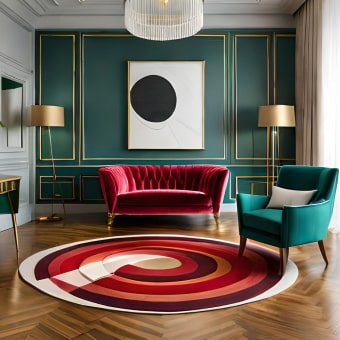
When it comes to top furniture investments, the sofa is the single most important decision in most living rooms. A handmade sofa in a performance velvet or tight-woven linen reads as premium immediately. Premium sofas run $3,000 to $6,000, while bespoke armchairs typically range from $1,500 to $3,000. These are not extravagant numbers for pieces you will use daily for a decade.
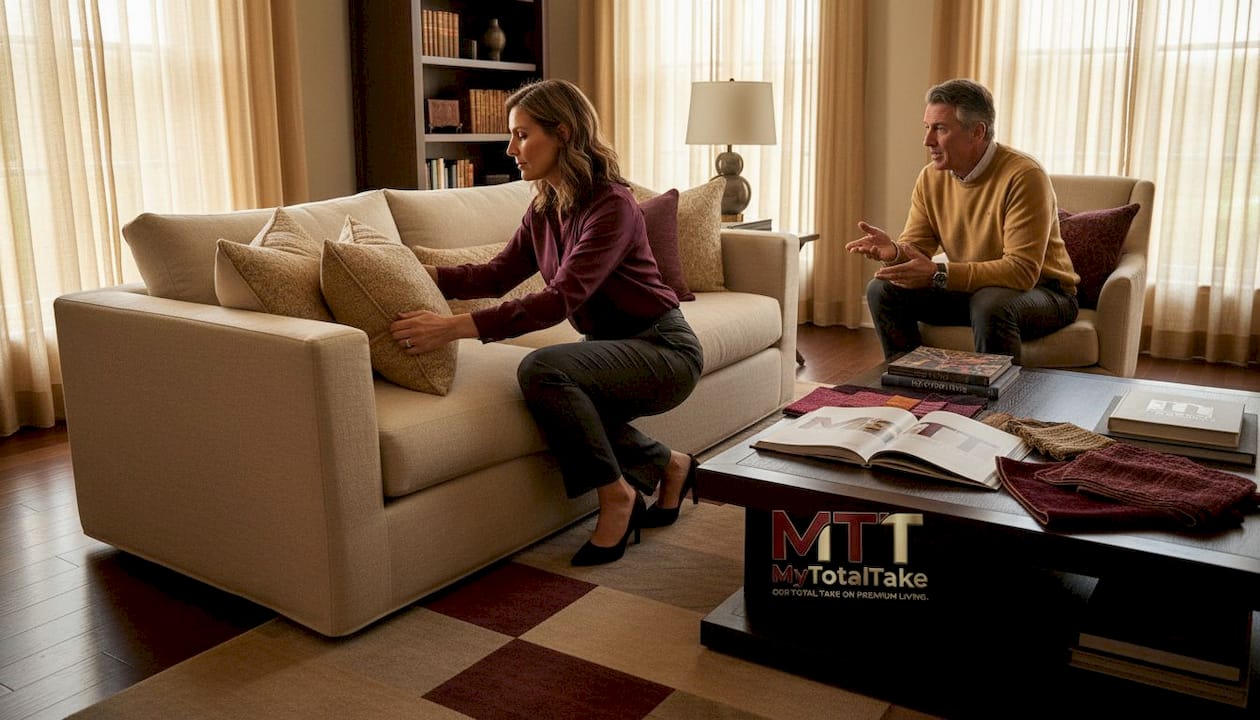
| Statement piece | Investment range | Impact level |
|---|---|---|
| Bespoke sofa | $3,000 to $6,000 | Highest — defines the room |
| Hand-knotted area rug | $2,500 to $8,000 | Very high — anchors and warms |
| Custom armchair | $1,500 to $3,000 | High — adds character and exclusivity |
| Sculptural coffee table | $800 to $2,500 | Medium to high — focal point detail |
High-impact statement pieces worth prioritizing:
- Modular or bespoke sofa: Opt for custom dimensions and fabric selections for true exclusivity
- Oversized hand-knotted rug: A quality rug under-laid with a thick pad doubles perceived softness and quality
- Sculptural lighting fixture: A chandelier or oversized pendant doubles as art
- Single bespoke armchair: More memorable than two generic ones
Explore modern decor ideas to see how statement pieces anchor different room styles.
Pro Tip: Limit yourself to one true focal piece per room. Two competing statement items cancel each other out and create visual tension rather than luxury.
With prime statement pieces selected, let’s explore accent elements that subtly enhance your luxury decor.
Add luxury with custom window treatments and rich textures
Window treatments are one of the most consistently underestimated elements in sophisticated home decor. Most homeowners treat them as an afterthought. Top designers treat them as architecture.
The installation height matters more than the fabric cost. Hanging drapes from ceiling height down to the floor, rather than just above the window frame, instantly makes ceilings feel taller and rooms feel grander. Custom window treatments cost 20 to 50% more than standard options but create an expansive, high-end feel when installed high and wide. That premium is worth every dollar.
Fabric choice shapes the room’s emotional tone. Heavy silk panels feel formal and opulent. Linen with a relaxed pleat feels refined but livable. Custom linen curtains with pleating add instant elegance without overextending the budget, making them a favored choice among designers working on custom window treatments for residential luxury projects.
Layered textures amplify the overall effect. Consider combining:
- Linen or silk drapery for the primary window treatment
- Woven wool or cashmere throws draped over seating
- Natural fiber rugs like jute or sisal layered under a finer area rug
- Velvet or boucle cushions for contrast and tactile richness
These rich textures in luxury decor create depth that photographs beautifully and feels even better in person. Texture is what gives a room warmth. Without it, even expensive furniture reads as cold.
Pro Tip: Touch everything before you buy. Luxury fabrics should feel substantial and smooth, never scratchy or stiff. If a fabric feels cheap against your wrist, it will read as cheap against your walls.
Beyond textiles, meaningful accessories further personalize luxury spaces.
Curate meaningful art and greenery for personalized luxury
The most exclusive home design tip most designers share is also the simplest: buy art you love, not art you think you should have. A well-curated art collection focused on personal meaning elevates luxury beyond cost. One piece that genuinely moves you communicates more sophistication than a wall full of trendy prints acquired for their resale potential.
Framing matters enormously. A modest print in a deep, museum-quality frame reads as gallery-worthy. A fine artwork in a flimsy frame loses its authority. Always invest in framing that matches the weight of the piece. When curating luxury art and accessories, treat framing as part of the art budget, not a separate afterthought.
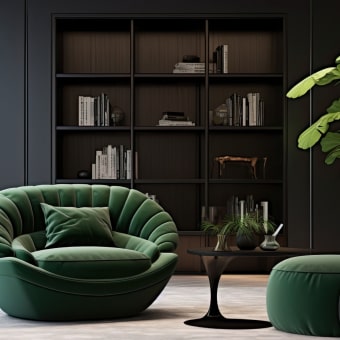
Greenery is underused in high-end spaces. Tall plants in quality pots add height, guide the line of sight, and elevate a space instantly. A Ficus lyrata (fiddle-leaf fig) or Monstera in a hand-thrown ceramic planter brings organic warmth and scale that no accessory can replicate at the same cost.
Ways to combine art and greenery effectively:
- Position a large-scale artwork above a console table with a sculptural plant to one side
- Use a series of framed works in matching frames to create a gallery wall with genuine coherence
- Place a tall plant in a corner to draw the eye upward and make ceiling height feel more generous
- Choose pots that echo the room’s color palette rather than contrast with it
Explore luxury accessories that complement art-forward interiors and reinforce a cohesive design narrative.
After understanding how to personalize with art and plants, let’s consider lighting and finishing touches that refine luxury.
Refine your decor with lighting, scale, and cohesive details
Lighting is the fastest way to change how a room feels without moving a single piece of furniture. Yet most homeowners default to overhead fixtures and call it done. That approach flattens everything.
Warm LED lighting and under-cabinet strips elevate perceived luxury without major investment. The goal is to layer light from multiple sources at different heights: overhead ambient, table lamp accent, and directional task lighting. This creates dimension and makes materials like marble, velvet, and polished wood glow.
Cohesive hardware finishes unify a space and add subtle luxury. This means matching drawer pulls, door handles, curtain rod hardware, and lighting fixtures to a single finish, whether brushed brass, matte black, or polished nickel. The consistency is subconscious but deeply felt. When everything aligns, a room feels intentional rather than assembled. This is one of those design impacts on luxury decor that costs almost nothing but reads as expert-level.
| Lighting approach | Effect | Investment level |
|---|---|---|
| Single overhead fixture only | Flat, institutional feel | Low |
| Layered ambient, accent, task | Warm, dimensional, premium | Medium |
| Under-cabinet plus warm floor lamps | Intimate, hotel-quality atmosphere | Low to medium |
| Directional art lighting | Gallery feel, elevated sophistication | Medium |
Practical lighting and finishing touches to apply immediately:
- Replace cool-white bulbs with warm-white LEDs (2700K to 3000K) throughout
- Add a floor lamp with a linen shade to each seating area
- Install under-cabinet lighting in the kitchen and primary bathroom
- Audit all hardware and replace any mismatched finishes in a single pass
Pro Tip: Dim every light source you can. Dimmer switches cost under $30 each and are among the highest-return changes you can make to perceived room quality.
With these refined touches in place, let’s step back for a unique perspective on luxury home decor decisions.
The overlooked luxury: embracing negative space and personal style
Here is what most high-end decor guides will not tell you: the most common mistake affluent homeowners make is filling too much. Not spending too little. Filling too much.
There is a persistent assumption that premium means abundant. That a room with more curated objects, more layered textiles, and more statement pieces signals more luxury. It does not. It signals anxiety. The rooms that genuinely feel rarefied are the ones where negative space and restraint draw attention to key pieces and create a sense of deliberate calm. When every corner is filled, nothing stands out. When you edit ruthlessly, each chosen piece becomes a statement.
This means the most powerful act in curating distinctive luxury spaces is often subtraction, not addition. Remove the piece you bought because it seemed appropriate. Remove the accent cushion that matches but does not add. What remains should be there because it earns its place, whether through beauty, meaning, or function.
Personal narrative is the other undervalued element. A room furnished entirely from a single designer’s catalog reads as expensive, not personal. True sophistication comes from the tension between eras, materials, and stories. A nineteenth-century inherited side table beside a contemporary sofa tells a story. That story is what guests remember. Trend-driven interiors date. Personally meaningful ones do not.
The edit is the luxury. It is harder to achieve than spending, and far more impressive.
Discover premium furnishings and expert design solutions
You now have a clear framework for elevating your home with intention, quality, and lasting elegance. The next step is finding pieces that actually meet these standards.

At mytotaltake.com, we curate collections built around the principles discussed here: exceptional craftsmanship, proportional design, and materials that age beautifully. Whether you are sourcing a statement sofa, designer furniture that anchors your living room, or finishing touches that unify a space, our selections are chosen with discerning homeowners in mind. Explore our high-end home decor range for pieces that embody heirloom-worthy quality. Or browse our full modern home decor ideas guide to see how our curated products translate into complete, gallery-worthy interiors.
Frequently asked questions
What are the most important areas to invest in for premium home decor?
The living room deserves your highest allocation, as it commands 38% of renovation budgets for luxury homeowners. Follow with bedrooms and dining spaces, focusing on bespoke, high-craftsmanship pieces in each.
Are custom window treatments worth the extra cost?
Yes. Custom treatments priced 20 to 50% above standard create an expansive, polished feel that store-bought curtains simply cannot replicate, especially when installed at ceiling height.
How can I make my home look expensive without major renovation?
Layer warm LED lighting, hang custom drapery, introduce rich textures, display art with quality framing, and practice restraint by allowing negative space to give your best pieces room to breathe. Warm lighting and curated art consistently rank among the most effective, lowest-cost improvements.








Leave a comment