
Smart Home Upgrades That Feel Truly Premium
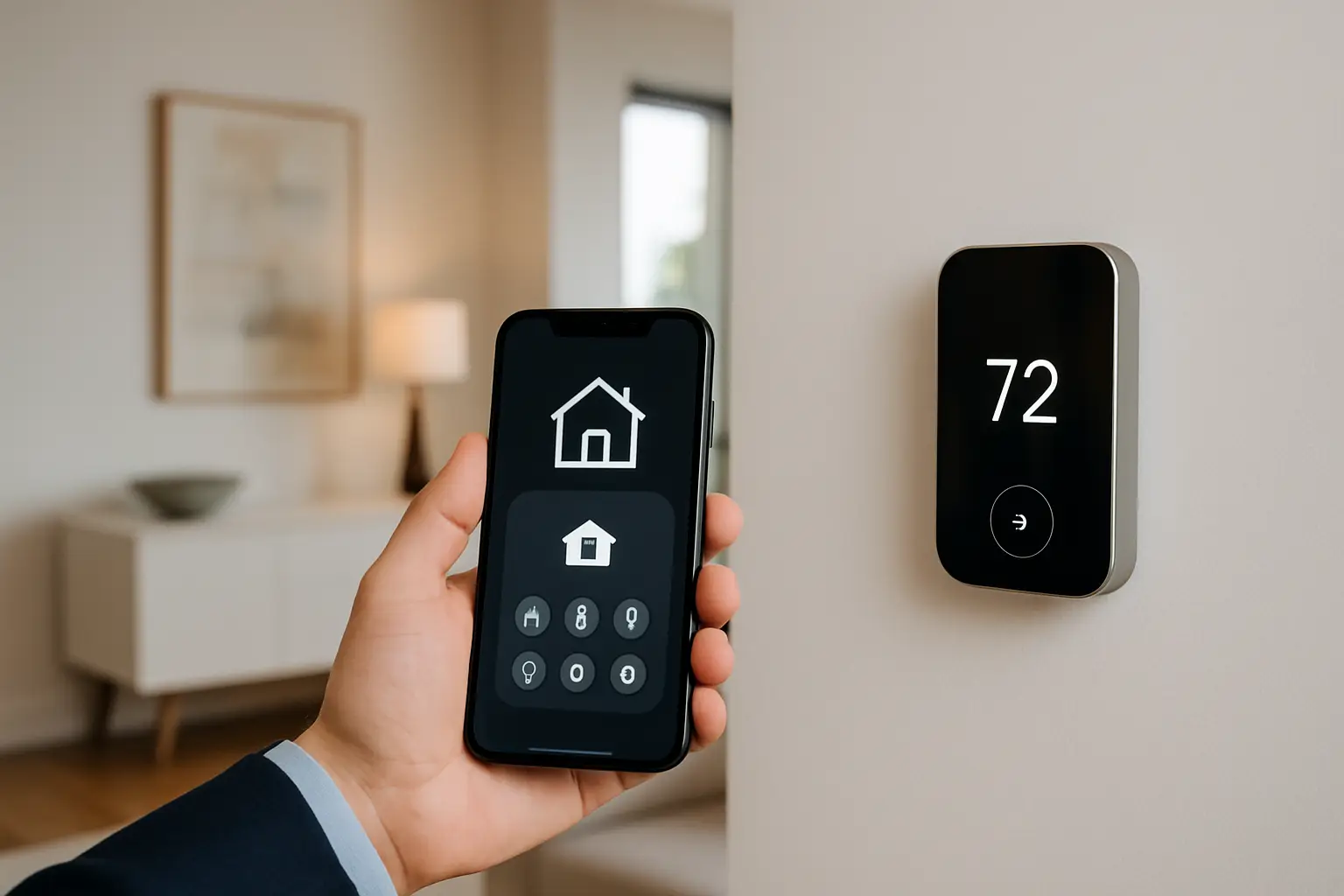
You can tell when a home is “smart” in the wrong way. There are gadgets everywhere, three different apps for the same light, and a voice assistant that chirps at the worst possible moment. It’s technically advanced, but it doesn’t feel elevated.
A premium smart home is quieter than that. It’s the kind of upgrade you notice most when you stop noticing it – the lights that soften automatically at dusk, the entryway that feels secure without being intrusive, the climate that stays comfortable without constant tweaking. The goal isn’t to collect devices. It’s to curate a few high-impact systems that make daily living smoother, safer, and more refined.
What “smart” should mean in a high-end home
The best smart home choices behave like great design. They reduce friction, they look intentional, and they work reliably. In practice, that means prioritizing three things.
First, consistency. A smart home that requires different workflows for different rooms will always feel messy. You want the same habits to work everywhere: one way to control lighting, one routine for bedtime, one approach to guest access.
Second, discretion. The most satisfying setups don’t scream “tech.” They integrate into your existing aesthetic – finishes that match your hardware, devices that disappear into the background, and fewer blinking LEDs.
Third, resilience. Wi‑Fi goes down. Phones die. Guests don’t know your app. Premium automation still gives you manual control, and it doesn’t fall apart when a single link in the chain breaks.
Start with the backbone, not the accessories
It’s tempting to begin with the fun stuff: color-changing bulbs, novelty sensors, a smart mug. Those can come later. The foundation of a smart home is your network and your “control layer,” because every other device depends on them.
A strong home network often means upgrading the router, adding mesh nodes if you have multiple floors, and placing devices thoughtfully so your far corners don’t become dead zones. If your video doorbell stutters or your smart lock fails intermittently, it’s often not the product – it’s the signal.
Then choose a control approach you can live with. Some households prefer voice control, others want a wall panel, and most end up using a mix of voice, app, and automation. What matters is committing to a primary ecosystem so your devices speak the same language. If you’re split between platforms, you can end up with a home that’s “smart” only for the person who set it up.
Smart home lighting that looks designed, not improvised
Lighting is one of the highest-return upgrades because it changes how the whole home feels. Done well, it’s not about party colors. It’s about mood, routine, and precision.
Start by deciding whether you want smart bulbs, smart switches, or a hybrid. Smart bulbs are quick, but they can create awkward moments when someone flips the wall switch and the bulb goes offline. Smart switches feel more architectural – they keep physical controls intact while adding automation in the background. A hybrid can work beautifully if you reserve bulbs for lamps and accent lighting, and use switches for ceiling fixtures.
The luxury move is to build “scenes” that match real life. Morning should be bright but not harsh. Evening should soften and warm. A dinner scene should flatter faces and reduce glare. If you’ve ever walked into a hotel suite where the lighting feels expensive, it’s rarely brighter – it’s simply layered and controlled.
Security and access that feel effortless
Security devices can easily tip into a cluttered, over-notified experience. Premium security is calm. You want the right information at the right time, with minimal false alarms.
A smart lock is often the best place to start because it upgrades the daily experience of coming and going. Look for solid build quality, quiet operation, and dependable backup options. Keypads are convenient, but consider whether you want codes for guests and service providers, or whether you prefer app-based temporary access. For renters, verify that your lock choice works with your existing deadbolt configuration.
Video doorbells and cameras add visibility, but placement and notification settings matter more than raw specs. If you get alerts for every car headlight, you’ll train yourself to ignore the system. Aim for clean sight lines, calibrated motion zones, and privacy-conscious angles.
For a finishing touch, integrate lighting with security. Motion-triggered exterior lights and an “away” routine that simulates occupancy can make the home feel protected without feeling paranoid.
Climate control that serves comfort, not constant tinkering
Smart thermostats are popular for good reason, but the premium result depends on how your home is built. A well-insulated condo behaves differently than a drafty older home. If you have multiple zones, you’ll want a thermostat strategy that respects them rather than fighting them.
Set your system up once, then let it run. The best smart home climate experience is steady comfort: gentle pre-cooling before you arrive, subtle nighttime adjustments for sleep, and humidity-aware behavior if your region demands it. Pairing climate control with indoor air quality monitors can be especially worthwhile if you’re investing in wellness-forward living.
One trade-off to consider: aggressive “energy saving” schedules can make a home feel less luxurious if they constantly chase temperatures up and down. Comfort is the point. Savings should be a benefit, not a compromise.
Smart home entertainment that feels like a destination
If you care about elevated living, entertainment is where technology can feel truly boutique. A well-chosen projector or a premium TV paired with the right sound setup turns a living room into a high-end lounge.
The key is reducing friction. You want guests to press one button and have the right inputs, lighting, and volume behave predictably. That might mean a smart remote, a single streaming interface, or an automation that dims lights when you start a movie.
Sound is often the missing ingredient. Even an exceptional screen can feel underwhelming with thin audio. Consider whether you want a soundbar for simplicity, a more immersive speaker setup for dedicated spaces, or a hybrid approach where aesthetics and performance are balanced.
The hidden luxury: routines that match your life
Automation is where a smart home stops being a pile of devices and starts feeling curated. The best routines are specific and personal.
A “Good Morning” routine can bring up lights gradually, start the coffee area lighting, and set a comfortable temperature. A “Work Mode” routine can adjust lighting to reduce eye strain and mute certain notifications. A “Wind Down” routine can lock doors, turn off common-area lights, and leave a gentle path light for late-night trips.
The rule is simple: automate what you do every day, not what you do once a month. If a routine doesn’t save time or reduce decisions, it becomes maintenance.
Design-first device selection: how to choose without overbuying
When you’re shopping premium, specs don’t tell the whole story. The devices that feel high-end are often the ones that disappear into the experience.
Prioritize build materials, tactile controls, and long-term support. A smart home product should look and feel like it belongs in your space. That includes finish options, button feel, and even how bright the indicator lights are at night.
Also pay attention to power and placement. Battery devices are flexible, but they introduce charging schedules. Hardwired devices are stable, but they require thoughtful installation. There’s no universally “best” answer – it depends on whether you value clean installation, flexibility, or minimal upkeep.
If you’re curating across categories – from lighting to security to air quality to portable power for outages – a premium retailer that filters for design-forward choices can save time. Shoppers who want that curated breadth often start at mytotaltake.com, where lifestyle and technology upgrades sit in the same elevated storefront.
Common smart home mistakes (and how to avoid them)
The most expensive mistake is building a smart home around novelty. If the product doesn’t solve a daily need, it will end up unused, or worse, annoying.
Another common issue is mixing too many ecosystems too quickly. It’s not that cross-platform homes can’t work. It’s that they often require ongoing troubleshooting that doesn’t feel “premium.” If you want to experiment, do it in one room first, then scale what works.
Finally, don’t ignore the human side. Make sure guests can turn on a light without a tutorial. Keep physical controls where they matter. And label routines clearly so your household knows what “Evening” actually does.
Making it feel finished
A smart home feels complete when it’s calm. Notifications are minimal. Controls are intuitive. The tech doesn’t compete with your decor – it supports it.
If you’re deciding what to do next, choose one area that touches your everyday routine: lighting in the most-used rooms, a front-door upgrade, or climate comfort in your bedroom. Invest there, tune it until it feels effortless, and only then expand.
The closing thought worth keeping: the best smart homes aren’t the ones with the most devices. They’re the ones that make your home feel more like itself – just better behaved.
Patio Furniture That Looks Great for Years
Pick the Perfect Dining Table Size
Comments
[…] that increasing home value through technology is not about stacking features. It is about choosing premium smart home upgrades that integrate seamlessly and serve your lifestyle for years to come. Think of it as curating your […]
[…] Smart Home Upgrades That Feel Truly Premium […]
[…] knowing what to look for before you shop. And if you’re integrating technology into your space, premium smart home upgrades can complement artisan decor beautifully when chosen with the same discernment. For large statement […]
[…] premium smart home upgrades into these spaces, such as invisible speakers, motorized window treatments, and scene-based […]
[…] integration: Smart home upgrades that are invisible when not in use, integrated into the fabric of the home rather than appended to […]
[…] your home work harder for you. Whether you rent an apartment or own a four-bedroom house, the smart home benefits available in 2026 are practical, measurable, and more accessible than they have ever […]
[…] this framework to home appliances, outdoor furniture, or premium home upgrades consistently favors the higher-quality option. Replacing a budget appliance twice costs more in […]
[…] shoppers building a refined, connected home, smart door locks are one of the few upgrades that blend security, convenience, and design in a […]







Leave a comment