Tiered Discounts That Feel Premium, Not Pushy
You can feel it the moment a discount crosses the line from “smart buy” to “clearance rack.” For premium ecommerce, that line matters. The customer who’s choosing a sculptural floor lamp, a design-forward espresso machine, or a patio set meant to last five summers is not just buying a product – they’re buying a decision they’ll live with.
That’s why tiered discount pricing ecommerce works best when it behaves less like a gimmick and more like a concierge: it nudges, it rewards, and it never begs.
What tiered discount pricing really is (and what it is not)
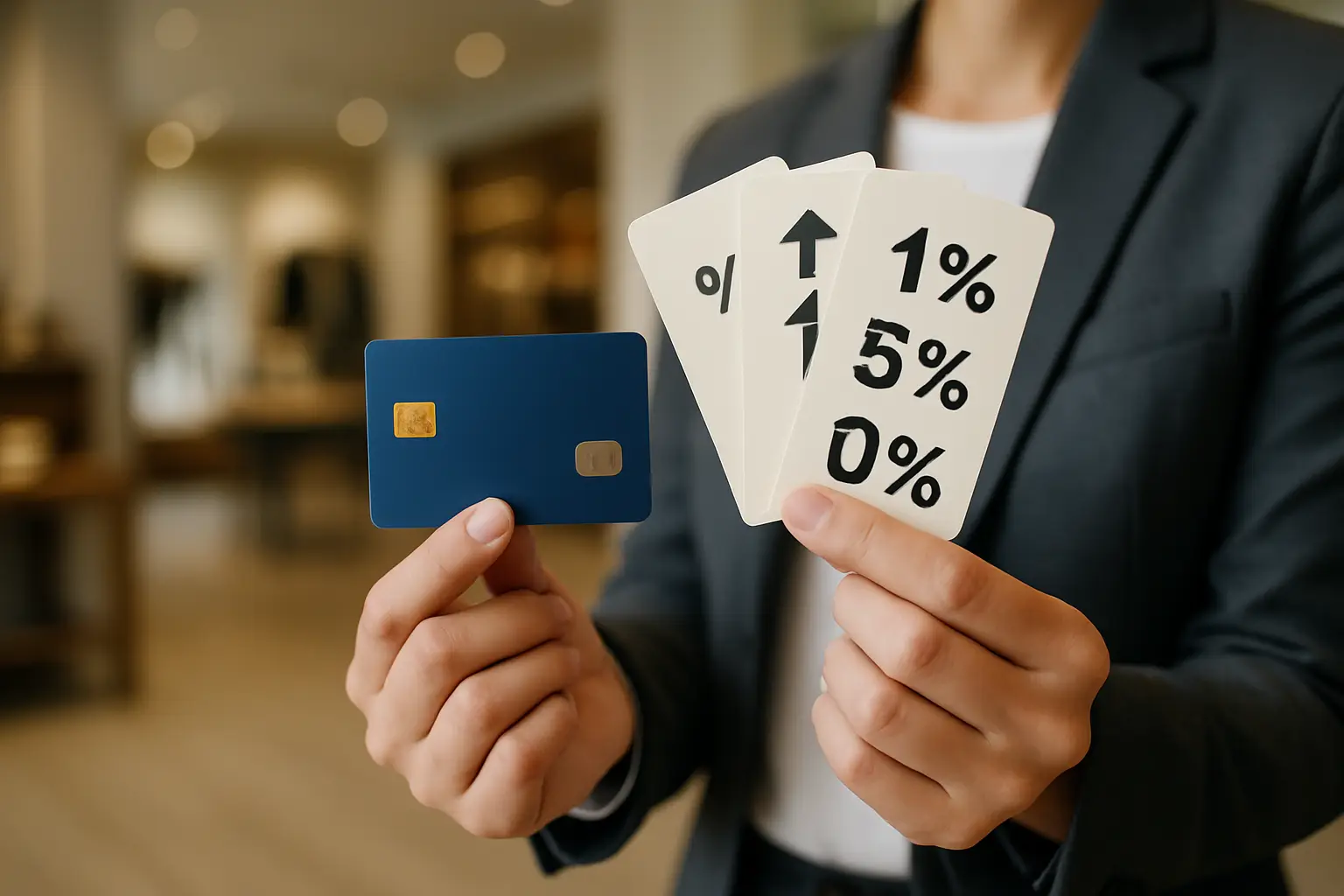
Tiered discount pricing is a structured offer where the reward increases as the shopper crosses pre-set thresholds. The threshold can be spend-based (Save 10% at $200, 15% at $400), quantity-based (Buy 2, save 10%; buy 3, save 15%), or category-based (Add any bathroom fixture plus accessory and get a higher tier).
What it is not: a blanket price cut that trains customers to wait. The tiers are the point. They create a reason to add one more item, upgrade to a better model, or complete the set.
For a curated retailer, the best tiering feels intentional, like merchandising. The customer should think, “That’s exactly what I was going to do anyway,” not “They’re desperate.”
Why tiered discount pricing ecommerce works for premium retail
Tiering wins because it aligns incentives with how people actually shop for higher-end items. Most shoppers do not arrive with a fully formed cart. They arrive with a goal: refresh the bathroom, elevate the patio, finally buy the projector. The cart is assembled along the way.
A tiered structure rewards completion. It also gives a customer permission to trade up. A shopper who planned to spend $280 may choose the upgraded finish at $330 if it moves them into the next tier. That extra margin can be healthier than pushing a deeper discount on the original item.
There’s also a psychological benefit: tiers create a clear, fair ladder. A flat 20% off can feel arbitrary, and for premium goods, arbitrary discounts can trigger skepticism. A tier feels earned.
The trade-offs: where tiering can backfire
Tiered discounts are not automatically “good for conversion.” Used carelessly, they create three common problems.
First, they can cheapen the brand if the tiers are too aggressive or too frequent. When everything is always on tiered promotion, the list price stops being believable.
Second, they can complicate checkout. If the rules require fine print, you’ve already lost momentum. The customer should understand the deal in one glance.
Third, they can punish the wrong products. If the best-selling hero items are always discounted heavily at the top tier, you may be eroding margin where you least need to.
Tiering works best when it’s selective, legible, and built around how shoppers combine products.
Choosing the right tier model for your catalog
Spend-based tiers: best for multi-category carts
Spend tiers are ideal when your store spans home, lifestyle, and tech because customers naturally bundle. Someone buying a smart home device might add cables, a mount, or a portable power solution. Someone buying a vanity might add a faucet or mirror.
Spend tiers are also easy to message: a single progress bar in the cart can show “$42 away from the next tier.” That’s the most elegant version of upselling because it feels like guidance, not pressure.
Quantity-based tiers: best for replenishment and sets
Quantity tiers shine when products are purchased in multiples: dining chairs, bar stools, outdoor cushions, storage solutions, even certain pet supplies. The offer feels logical: buying more units reduces per-unit handling and shipping complexity, so the discount feels justified.
For premium assortment, quantity tiers should avoid “bulk warehouse” vibes. Position it as “complete the look” or “build the set,” not “buy more stuff.”
Category-based tiers: best for curated pairings
Category tiers are your chance to behave like a tastemaker. Instead of asking for more spend broadly, you guide the customer toward a complementary category that improves the outcome.
For example, pairing a bathroom fixture with coordinating accessories, or a projector with an elevated screen option, can feel like thoughtful curation. The tier becomes a nudge toward a more finished result.
Setting thresholds that feel natural, not manipulative
A tier should be reachable without feeling like a dare. If the customer is $9 away from the next tier, adding a small add-on feels satisfying. If they’re $140 away, they will ignore it or, worse, feel like you’re playing games.
A practical way to set thresholds is to anchor them to your real cart behavior. Look at your current average order value and your most common two-item combinations. Then place the first tier slightly above your average, and the next tier where a sensible bundle lands.
Premium retailers often benefit from fewer tiers, not more. Two tiers are frequently enough: one that rewards the “smart complete purchase,” and one that rewards the “fully outfitted” cart.
Also consider shipping economics. If you already offer express delivery and free returns, a tier that reduces fulfillment pain can protect your profitability. The customer sees a reward; you see fewer under-margin orders.
The offer mechanics that protect brand value
Tiered discounts can be designed to preserve your premium positioning.
One approach is to discount only eligible categories or only non-hero items. Another is to cap the discount on certain brands or collections so your signature pieces remain status-forward.
You can also shift the value from pure percentage off to “premium-friendly” rewards: a higher tier might include an extended return window, white-glove scheduling, or a gift-with-purchase accessory that complements the main item. Percentage discounts are clean, but experiential perks can feel even more upscale.
The key is consistency. If you promise refined curation, your promotion rules should feel curated too.
How to present tiered pricing so it converts without clutter
The best tiered discount pricing ecommerce presentation is calm and visual.
Start by showing the tiers where the customer is making decisions: product page (brief), cart (clear), and checkout (confirmed). The cart is where tiering earns its keep, because it can show progress. The message should be short and specific: “Add $35 more to save 15%.”
Avoid stacking confusing language like “up to,” “selected items,” and “exclusions apply” all at once. If you need exclusions, keep them minimal and place them in an expandable detail.
And resist turning the site into a banner farm. Tiering is persuasive because it feels like guidance inside the shopping flow, not noise outside it.
Where tiered discounts fit in a premium promotional calendar
If tiering runs every day, customers learn to wait for the higher tier. If it never runs, you lose a powerful tool for increasing basket size. The sweet spot is to use tiering as a recurring feature, but not a constant one.
Many premium stores use tiered offers during moments when customers are naturally building carts: seasonal refresh windows, category pushes (outdoor living in spring, home organization in January), and gift-oriented periods.
Between these moments, keep the store feeling full-price confident. Let the products and craftsmanship do the talking. When the tier returns, it feels like a timely benefit, not a permanent markdown.
Examples that feel elevated (not discount-driven)
Imagine a shopper upgrading their outdoor space. A tiered offer can encourage them to move from “just seating” to “a complete setting.” The first tier might reward adding a cover or side table, while the second tier might reward adding lighting or a heater that extends the season.
Or picture a home tech purchase. Instead of pushing random add-ons, a tier can guide the customer toward the accessories that make the experience better: mounts, stands, protective cases, or a portable power solution for flexibility.
For bath and home upgrades, tiering can encourage the “finished room” feeling. A customer choosing a statement fixture often needs the coordinating pieces. A tier can motivate a cohesive selection without ever saying “buy more.”
If you want to see this style of curated promotion in action across lifestyle, home, and technology categories, mytotaltake.com frequently frames deals around elevated outcomes rather than bargain hunting.
Measuring success beyond “did AOV go up?”
Average order value is the obvious metric, but it’s not the only one that matters for tiering.
Watch margin by tier. If your highest tier becomes dominated by already-popular hero items, you may be paying discounts you didn’t need to pay.
Watch return rate by tier. If higher tiers increase impulse add-ons that get returned, the promotion may be inflating revenue while hurting profit.
Watch attachment rate for the pairings you actually want. The best tier is the one that increases the purchase of complementary items that improve satisfaction. When customers buy the right accessory or finishing piece, they complain less and keep more.
And keep an eye on customer behavior over time. If repeat shoppers only purchase during tier events, you may need to reduce frequency, lower the top-tier generosity, or introduce non-discount perks that feel more premium.
A closing thought for brands that want to stay premium
Tiered discounts can be elegant when they respect the customer’s taste. Treat each tier as a curated suggestion, not a louder price cut, and you’ll earn larger carts for the right reason: shoppers feel guided toward a better version of the life they’re building at home.









Leave a comment