
Luxury Furniture That Actually Earns Its Place
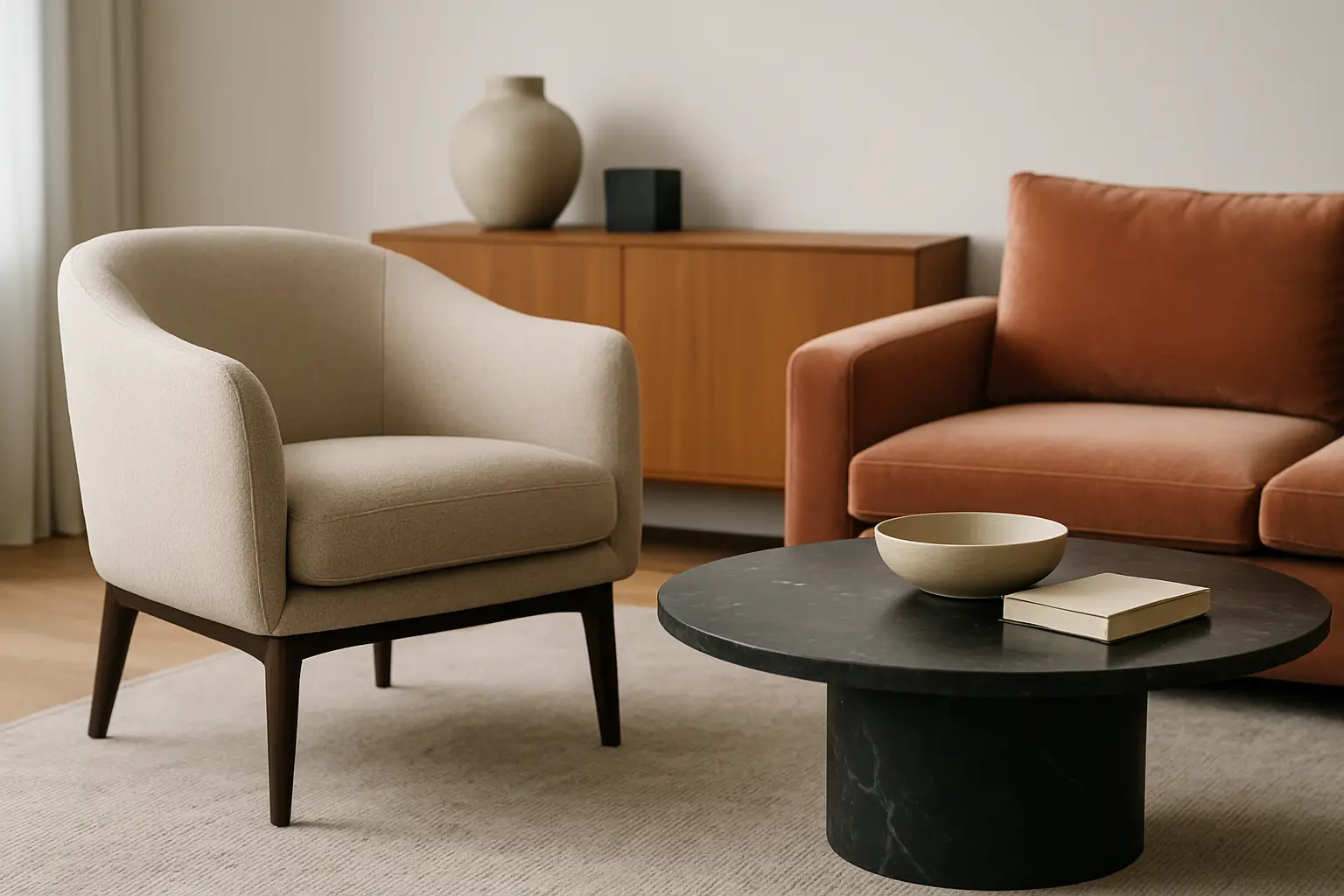
You can feel the difference before you can explain it.
A sofa that holds its shape after a long movie night. A dining table that looks calmer, richer, more intentional in daylight. A chair that stays comfortable through an unplanned two-hour conversation. The best luxury furniture does not shout. It changes how your home functions and how it feels to live in it.
That word, “luxury,” gets stretched in online shopping until it barely means anything. So instead of treating luxury furniture as a price bracket or a logo, it helps to look at what separates a true investment piece from a pretty product photo. The goal is not to buy the most expensive thing in the room. It is to buy the piece that earns its space for years.
What “luxury furniture” really buys you
Luxury furniture is best understood as a stack of decisions – material choices, construction methods, comfort engineering, and finishing standards – that cost more upfront but pay back in longevity and daily experience.
The payoff is rarely just visual. It is structural. In a well-made sofa, the frame is built to stay square. The cushions are designed to rebound, not collapse. In a table, the top is built to resist warping and the finish is applied to look refined without feeling fragile.
It also buys you restraint. Better pieces tend to have cleaner lines because they do not need design tricks to distract from weak construction. When the underlying build is confident, the silhouette can stay simple.
Materials that signal real quality (and when they don’t)
Most shoppers start with “real wood” and “top-grain leather,” but luxury materials are not a checklist. They are a match between your lifestyle and the way a piece will age.
Solid wood, veneers, and the honesty test
Solid wood can be exceptional, but it is not automatically superior in every application. Wide solid-wood panels can move with humidity; that movement is natural, but it needs smart joinery and allowances in the build. High-end veneers, used over stable cores, can actually outperform poorly made solid wood by resisting warping while still delivering the beauty of real grain.
The luxury signal is not “solid” versus “veneer.” It is whether the maker uses the right structure for the right surface, and whether edges, corners, and grain alignment look intentional rather than improvised.
Leather and performance fabrics: elegance vs. ease
Leather can be timeless, but it is also honest: it will show wear where you live. That is part of the charm if you like patina. If you prefer a “new” look longer, a high-quality performance fabric may be the more luxurious choice for your routine, especially in homes with kids, pets, or frequent guests.
Here is the trade-off. Some performance textiles feel slightly more tailored than relaxed, especially when new. Leather tends to soften with time, while certain woven fabrics keep a crisper profile. Luxury is choosing the aging story you want.
Stone, metal, and mixed materials
Marble, travertine, and sintered stone bring presence, but they come with different levels of maintenance. Natural stone can stain or etch, depending on the finish and your habits. Sintered stone and advanced composites often deliver a similar look with more forgiveness.
Metal details should feel substantial, not sharp or hollow. Pay attention to how metal meets wood or upholstery. Clean transitions, flush mounting, and smooth edges are small signals that the piece was engineered, not merely assembled.
Construction: the difference between “nice” and lasting
Product descriptions love romance. Your job is to find the facts underneath.
Frames, joinery, and what you can’t see online
In seating, the frame is the foundation. Hardwood frames and reinforced corner blocking are strong indicators, but the real question is whether the structure is built to resist racking (that subtle wobble that grows over time). Better construction keeps angles true so cushions sit correctly and seams stay aligned.
For casegoods like dressers and media consoles, drawer construction tells the truth quickly. Smooth glide is great, but also look for drawers that feel stable when extended and faces that sit flush without uneven gaps.
Cushion comfort: tailored luxury is engineered
Cushions are where luxury becomes physical. High-resiliency foam, layered fills, and supportive cores affect how a sofa feels on day one and year three. Down-blend tops can feel exquisite, but they often require more fluffing. Firmer, structured cushions can look sharper and demand less maintenance, but they should still feel welcoming.
If you love a “sink-in” seat, accept the upkeep as part of the lifestyle. If you want a polished look that stays polished, a more tailored cushion build may be your version of luxury.
Fit matters more than price: choosing pieces that elevate your space
A common mistake is buying luxury furniture that is individually beautiful but collectively wrong for the room. Scale, proportion, and flow do the heavy lifting.
Scale and proportion: the quiet flex
In a living room, the most expensive sofa can still look awkward if it overpowers the space or floats without grounding. Measure, then measure again. Consider traffic paths, door swings, and sightlines. A refined room feels effortless because nothing interrupts movement.
In dining spaces, chair width and table clearance decide whether meals feel gracious or cramped. Luxury is not a tight squeeze.
Statement piece vs. foundation piece
Not every item needs to be the star. The smartest luxury homes usually have one or two statement anchors – a sculptural coffee table, a dramatic sectional, a show-stopping bed – supported by quieter forms.
If your room already has bold architecture or art, your foundation pieces should complement, not compete. If your space is minimal, a statement silhouette can bring personality without adding clutter.
Shopping luxury furniture online without the guesswork
Buying high-end online is absolutely viable, but only when you shop with the same discipline a designer would use.
Start with the non-negotiables: dimensions, materials, and the kind of wear you expect. Then look for clarity in the details. Listings that specify frame materials, cushion composition, and finish type tend to come from sellers who understand what quality shoppers care about.
Photography matters, too. Clean, close-up shots of seams, edges, and hardware usually signal confidence. If the listing avoids those angles, you may be looking at style-first merchandising with less emphasis on build.
And because luxury is also an experience, service policies become part of the value. Fast delivery options, transparent timelines, safe payments, and free returns reduce the most common pain points of furniture buying – especially when you are investing in pieces meant to last.
If you prefer a curated storefront that filters for design-forward, quality-led options across home categories, mytotaltake.com is positioned for shoppers who want that premium edit with ecommerce reassurance built in.
Care and longevity: how luxury stays luxurious
The best pieces are designed to age well, but they still need the right habits.
For wood, protect from direct sunlight and extreme swings in humidity. Use coasters, but also be realistic about how you live. If you host often, a more forgiving finish might be the most luxurious choice because it lets you relax.
For upholstery, rotate cushions when possible and address spills quickly. For leather, keep it clean and conditioned, but avoid overdoing products. A light, consistent routine beats intense, occasional treatments.
For stone, learn what your surface is and what it hates. Some stones tolerate everyday life beautifully with simple care. Others demand more caution. There is no wrong choice, only a mismatch between surface and routine.
When luxury furniture is worth it – and when it isn’t
Luxury furniture is worth the investment when the piece will be used daily, when comfort is central to how you live, and when you want an object to hold its shape and appeal through changing trends.
It is less worth it when you expect to move frequently, when the room is temporary (a short-term rental, a transitional space), or when your style is still in active experimentation. In those cases, you can still buy beautifully, but you may prioritize flexibility over heirloom durability.
It also depends on what kind of “luxury” you mean. Some shoppers want artisanal character and are happy with small variations that prove something was made, not stamped out. Others want precision: perfect alignment, uniform texture, a controlled finish. Both are valid. Just do not mistake one for the other when you buy.
The real win is a home that feels elevated without feeling delicate. Choose pieces that match your pace, your habits, and your version of comfort. When luxury furniture is right, it stops being a purchase you think about and becomes the backdrop to the life you actually want to live.
How to Integrate Tech Gadgets in Home Decor
Premium Home Enhancement Ideas for Lasting Luxury
Comments
[…] curates luxury furniture that earns its place in any room, from heirloom-worthy sofas to outdoor pieces built for lasting elegance. Every item is […]
[…] finishes, mirrors with solid frames, and storage benches built for daily use. Our collection of luxury furniture is selected for craftsmanship and lasting elegance, not just visual appeal. If you want decor that […]
[…] nothing. Start by browsing the curated outdoor furniture guide for this year’s lineup, or explore luxury furniture picks if you’re furnishing more than one room. If you want the full buying framework before you […]







Leave a comment