
How to Choose an Ergonomic Office Chair
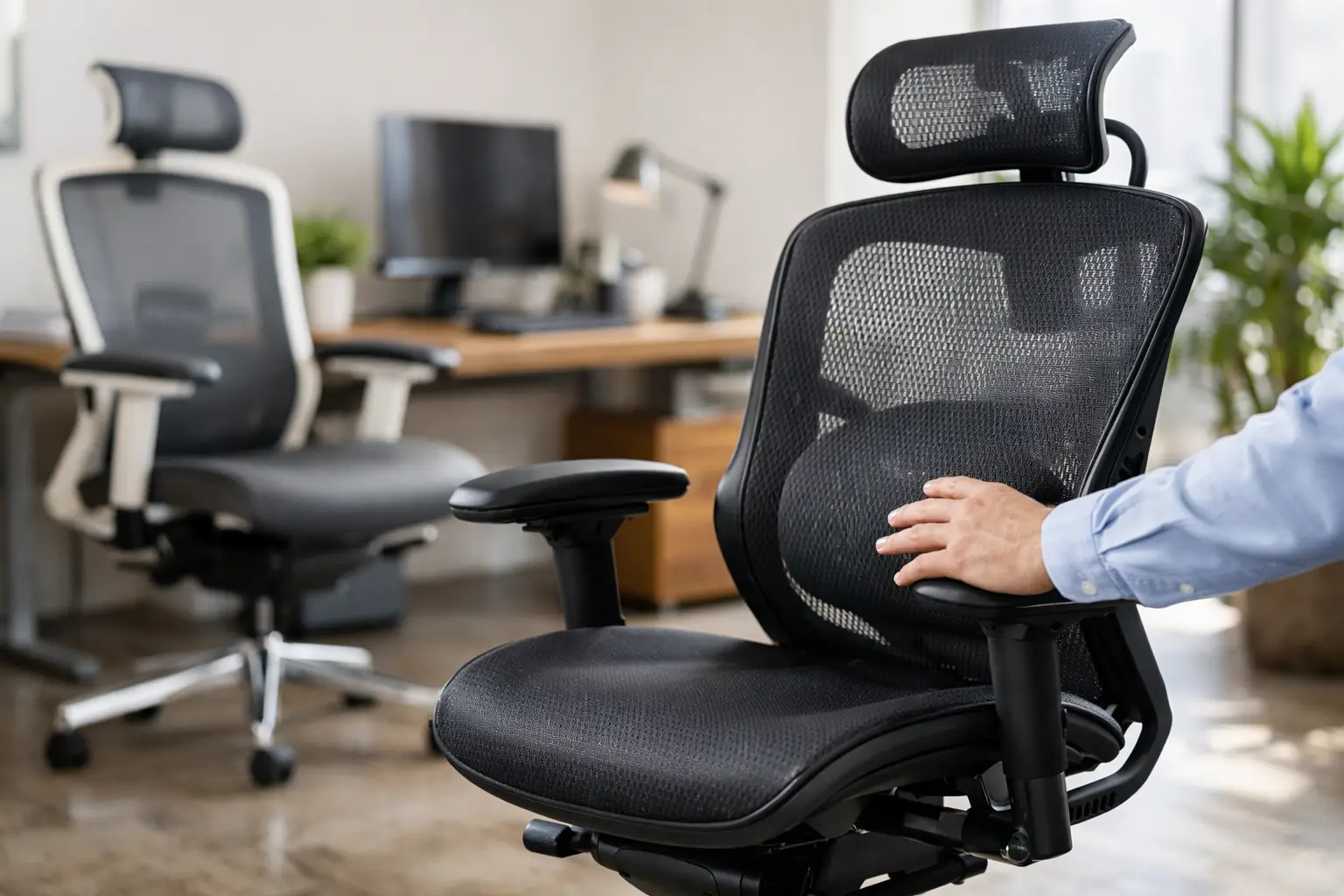
A chair can look sculptural, modern, and impeccably finished – and still leave you shifting, slouching, and counting the hours until you stand up. That is why learning how to choose an ergonomic office chair matters more than chasing a trendy silhouette. The right chair does not just complement a workspace. It supports the way you work, protects comfort across long days, and makes your office feel intentionally designed rather than merely furnished.
What makes an office chair truly ergonomic
An ergonomic office chair is built to adapt to your body instead of forcing your body to adapt to it. That sounds straightforward, but in practice, many chairs labeled ergonomic only offer one or two comfort features and little real adjustability. A premium chair should support posture in motion, not just when you first sit down.
That usually starts with seat height, lumbar support, armrests, and recline. If those elements cannot be adjusted with some precision, the chair may still be comfortable for short sessions, but it is less likely to deliver all-day support. Ergonomics is not one feature. It is the relationship between the chair, your desk height, your screen position, and your body proportions.
There is also a design consideration. In a refined home office, comfort should not come at the expense of aesthetics. The best pieces balance performance with polished materials, clean lines, and a profile that feels at home in a well-appointed interior.
How to choose an ergonomic office chair for your body
The first filter is fit. A chair that earns glowing reviews can still be wrong for you if the seat is too deep, the backrest hits in the wrong place, or the arms interfere with your desk. This is where many shoppers overspend – they buy for reputation before they buy for proportions.
Seat height should allow your feet to rest flat on the floor with your knees at about a right angle. If the chair is too high, pressure builds under the thighs. Too low, and your hips roll backward, which often leads to slouching. Most adults do well with a standard adjustment range, but petite and tall users should pay special attention here.
Seat depth is just as important and often overlooked. You want enough room to support your thighs without the front edge pressing into the backs of your knees. A good rule is to leave a small gap between the seat edge and your knee crease. If you are sharing the chair or know your proportions are outside the average range, a seat slider is especially valuable.
Backrest shape matters because lumbar support is highly personal. Some people prefer a pronounced lower-back curve, while others need gentler support that encourages a neutral posture without feeling intrusive. If the lumbar support adjusts up and down, or in and out, you have a much better chance of finding a comfortable fit.
Don’t ignore shoulder and arm comfort
Armrests can improve comfort or quietly create strain. If they are too high, your shoulders lift. If they are too low, your arms hang and your upper back works harder. Ideally, your elbows should rest close to your sides with forearms supported and shoulders relaxed.
Width and pivot adjustments are useful if you type for long stretches or switch between keyboard work and reading. A chair with highly adjustable arms tends to suit more desk setups, especially in compact spaces where every inch matters.
Prioritize adjustability over marketing claims
When shoppers compare chairs, it is easy to get distracted by buzzwords. Mesh. Executive. Posture-correcting. Zero gravity. Some of those terms may describe real features, but none of them guarantee a better seat.
What matters is whether the chair gives you meaningful control. Can you fine-tune the recline tension? Can the backrest move with you instead of locking you upright all day? Can the seat height and arms adjust quickly and intuitively? Ergonomics should feel responsive, not complicated.
A synchronized recline is often worth seeking out because it lets the backrest and seat move in a coordinated way as you lean back. That encourages movement during the day, which is better than holding one rigid posture for hours. A chair that supports dynamic sitting tends to feel more luxurious over time because it reduces the sense of fatigue that builds from staying fixed.
There is a trade-off, though. More adjustability usually means a higher price point. If you do not sit for long periods, you may not need every advanced control. But if your chair is a daily-use piece in a home office, paying for fit and flexibility usually delivers better long-term value than paying for appearance alone.
Material choices change the experience
The material of an office chair affects comfort, maintenance, and visual impact. This is not just a style decision.
Mesh chairs are popular because they feel breathable and modern. In warmer rooms or long work sessions, that airflow can be a real advantage. High-quality mesh can also create a lighter visual profile, which works well in contemporary interiors. The downside is that lower-end mesh may sag over time or feel less cushioned than upholstered options.
Fabric-upholstered chairs often feel warmer, softer, and more residential. They can blend beautifully into a design-forward workspace, especially if you want your office to feel like an extension of the living area rather than a corporate corner. The quality of the padding matters here. Too plush, and support can disappear after an hour or two. Too firm, and the chair can feel unforgiving.
Leather and leather-look finishes bring a more executive look and a distinct sense of polish. They can elevate a room immediately, but they are not the ideal choice for everyone. Some users find them less breathable, and depending on the finish, they may show wear differently over time. If style is a priority, it helps to balance that visual richness with practical comfort.
Match the chair to your workspace, not just your taste
A beautiful chair can still fail if it does not work with your desk and room layout. The height of your desk, the depth of your workspace, and even your flooring all affect what will feel right.
If you work at a standard desk, check whether the armrests can slide under it easily. This sounds minor, but a chair that cannot tuck in properly often leaves you reaching forward, which puts strain on the neck and shoulders. In smaller apartments or multipurpose rooms, a bulky executive chair may overwhelm the space visually and physically.
Caster choice matters too. Hard casters can be fine on carpet, while softer casters usually perform better on hardwood or other hard flooring. Stability, swivel, and ease of movement all contribute to whether a chair feels premium in daily use.
For many buyers, the ideal office chair sits at the intersection of performance and presence. It should support the body, yes, but it should also look considered in the room. At mytotaltake.com, that balance between functionality and elevated design is what makes a practical purchase feel like a lifestyle upgrade.
How to test quality before you buy
When you cannot sit in a chair before ordering, product details become more important. Look closely at dimensions, adjustment range, weight capacity, frame materials, and warranty coverage. Vague descriptions usually signal a generic product. Well-made chairs tend to be more transparent about construction and mechanics.
Pay attention to the base and frame. Aluminum or reinforced metal components generally feel more substantial than lightweight plastic, especially in high-use settings. The same goes for the lift mechanism and recline controls. A chair may look refined in photos, but weak hardware often shows up fast in the form of wobble, noise, or uneven movement.
Reviews can be useful if you read them carefully. The best ones mention body height, desk type, hours of use, and how the chair performed after several months. Comments like comfortable or stylish are nice, but they do not tell you much on their own.
The best chair is the one you’ll actually sit in well
There is no universal best ergonomic office chair because comfort is personal, work habits vary, and design priorities are real. Some people want airy mesh and a crisp, modern profile. Others want upholstered comfort that softens the look of a workspace. What matters is choosing a chair that fits your body, adjusts to your routine, and holds its appeal beyond the first week.
A well-chosen chair does something subtle but valuable – it makes long hours feel more composed. When your seat supports you properly and your space looks the way you want it to look, work feels less like compromise and more like a considered part of living well.










Leave a comment