
Guide to Choosing Smart Door Locks
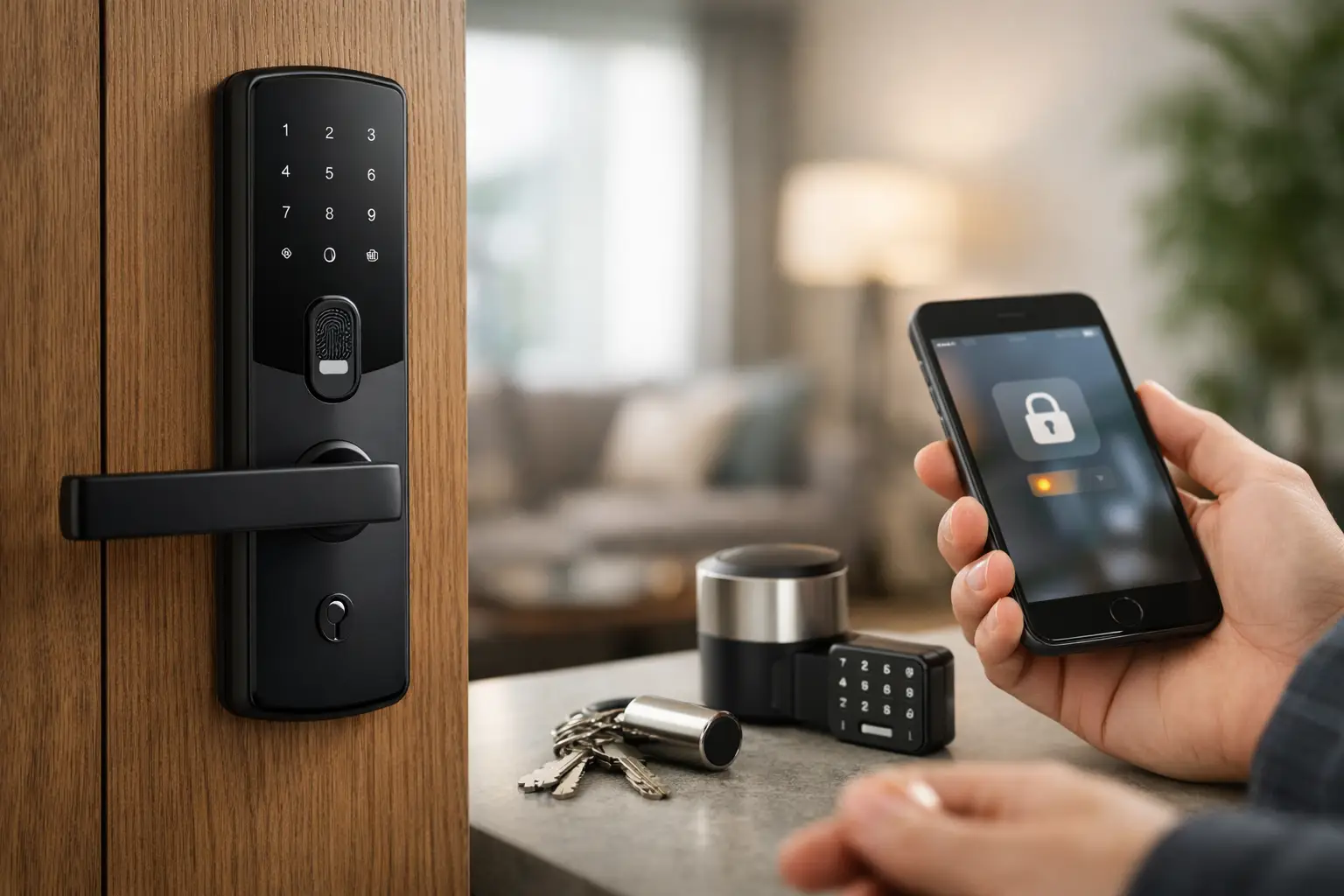
A front door says a lot before anyone steps inside. The hardware, the finish, the way it feels in your hand – all of it shapes the experience of home. That is why a guide to choosing smart door locks should start with more than tech specs. The right lock needs to protect your space, suit your routine, and look as considered as the rest of your home.
Smart door locks have moved well beyond novelty. For some households, they solve a daily friction point – no more spare keys under planters, no more texting neighbors for emergency access, no more second-guessing whether the door was locked on the way to the airport. For others, they are part of a wider design upgrade, replacing dated hardware with a cleaner, more modern entryway. The best choice usually sits at the intersection of security, convenience, and style.
Why a guide to choosing smart door locks matters
Not every smart lock is built for the same home or the same buyer. A downtown apartment, a family house with frequent visitors, and a short-term rental all have different demands. Some people want the simplest possible keypad entry. Others care most about app control, voice assistant support, or a lock that blends perfectly with upscale exterior hardware.
That is where many shoppers get stuck. A longer feature list does not always mean a better fit. In fact, extra functions can add complexity you may never use. Choosing well means focusing on how the lock will perform in real life, not just how it looks on a product page.
Start with your door, not the app
Before comparing finishes and smart features, look at the door itself. The type of lock already installed matters. Some smart locks replace only the interior thumb turn of an existing deadbolt, while others replace the full deadbolt and exterior hardware. If you rent, a retrofit model may be the more practical route because it preserves the original exterior appearance and may be easier to remove later.
Door thickness, backset, and weather exposure also affect compatibility. A lock installed on a covered front porch has different needs than one facing harsh sun, rain, or winter temperatures. If your entry door is a design statement, proportion and finish matter just as much as function. Matte black, satin nickel, polished brass, and bronze each create a different effect, and the lock should feel intentional next to your handle set, sconces, and house numbers.
Choose your access method carefully
Most smart door locks center on one or more access methods: keypad codes, smartphone control, fingerprint entry, traditional keys, or proximity unlocking. The right choice depends on who comes and goes.
For busy households, keypad entry is often the easiest place to start. It is intuitive, reliable, and easy to share with family, dog walkers, housekeepers, or overnight guests. Temporary codes are especially useful if access changes often. You can create a code for a weekend visitor, then remove it without collecting keys or changing locks.
App-based entry adds another layer of control. It lets you lock or check status remotely, receive activity alerts, and manage users from anywhere. That convenience is appealing, but it does rely on a stable connection and a comfort level with mobile setup. If the idea of managing permissions through an app feels like overkill, a keypad-first model may be the more elegant solution.
Fingerprint access feels especially premium and can be remarkably fast, though performance varies by model and by conditions such as wet fingers or cold weather. Traditional key backup still matters for many buyers. Even in a smart home, mechanical redundancy brings peace of mind.
Security features worth paying for
A smart lock should feel refined, but security is still the point. Look first at the locking mechanism and build quality. A well-made deadbolt with solid materials and a reputable security rating deserves more attention than flashy extras.
Encryption, two-factor authentication, and tamper alerts are worth having if you plan to use app control. Auto-lock can also be useful, especially for households that rush out the door. Still, auto-lock is not perfect for every routine. If you often carry in groceries, manage kids, or move between yard and house, an aggressive timer can become annoying fast.
Some locks keep detailed entry logs, showing who entered and when. That feature can be genuinely useful for families, service access, and second homes. It can also be more monitoring than some buyers want. The trade-off is simple: more visibility often means more notifications, more settings, and more app involvement.
Connectivity: Bluetooth, Wi-Fi, Z-Wave, or Matter
Connectivity shapes how the lock behaves day to day. Bluetooth models are often simpler and can be very dependable for local use, but remote control may require an added bridge. Wi-Fi locks offer direct remote access without extra hardware, though they usually consume battery faster.
Z-Wave and similar smart home protocols are attractive if you already have a more advanced home ecosystem with a compatible hub. They can offer strong integration with alarms, lights, and routines. Matter-compatible products are also gaining attention because they aim to simplify cross-platform smart home use. If you already use Apple Home, Google Home, Alexa, or Samsung SmartThings, check compatibility before you buy. The lock should fit your home system, not force you to rebuild it.
Design is not a side note
In a premium home, hardware is part of the visual language. A smart lock should not feel like a plastic compromise attached to an otherwise elegant entrance. Today’s better models are far more design-conscious, with cleaner silhouettes, better finishes, and slimmer profiles that complement modern and transitional homes alike.
When comparing options, look beyond finish names and study the form itself. Some locks are visibly tech-forward, with illuminated keypads and larger exterior housings. Others are understated and architectural. Neither is wrong. It depends on whether you want your entry to feel discreet or obviously smart.
This is one category where aesthetics and practicality meet. A beautiful lock that leaves smudges, has hard-to-read numbers, or feels flimsy in use will lose its appeal quickly. The better choice is the one that delivers visual polish and tactile quality every day.
Battery life, backup, and maintenance
Smart locks run on power, and power management deserves more attention than it gets. Most models use replaceable batteries, and battery life varies widely based on connectivity, climate, and frequency of use. Wi-Fi convenience often means more frequent battery changes. Bluetooth-only models can be more efficient.
Look for clear low-battery alerts and a graceful backup plan. Some locks allow emergency charging from the outside. Others keep a physical keyway. Both are reassuring, especially if your home is a primary residence with heavy traffic.
Maintenance is usually light, but not nonexistent. Exterior exposure, battery replacement, firmware updates, and occasional recalibration are part of ownership. For most buyers, that is a fair trade for the added convenience. It just helps to go in knowing a smart lock is not a set-it-and-forget-it purchase forever.
Installation can be simple, but not always
Many smart locks are designed for straightforward DIY installation with a screwdriver. If your existing deadbolt is standard and your door is in good condition, setup may be quick. That said, older doors, misaligned frames, and decorative handle sets can complicate the process.
If smooth performance matters – and it should – alignment matters more than many shoppers realize. A lock that strains to close will drain batteries faster and feel less refined in daily use. If your door already sticks or needs a firm push to latch, fix that first. Premium hardware performs best on a properly fitted door.
How to narrow your options without overbuying
The most practical guide to choosing smart door locks comes down to three questions. First, who needs access? Second, how often will access change? Third, how visible should the technology feel?
If you want simple family convenience, choose a well-designed keypad lock with strong build quality and key backup. If you want remote management for guests, deliveries, or a second property, prioritize dependable app control and user management. If your home is already smart-home heavy, integration should lead the decision.
It also helps to decide what you do not need. Not everyone needs fingerprint entry, geofencing, voice control, and a dozen custom automations. A more focused lock often feels more luxurious because it does its job cleanly and consistently.
For shoppers building a refined, connected home, smart door locks are one of the few upgrades that blend security, convenience, and design in a single product. Curated well, they make daily life easier while sharpening the first impression of your space. If you approach the category with a clear sense of your routine and your style, the right lock will feel less like another gadget and more like a natural extension of how you live.







Leave a comment