What Is High-End Fashion? Luxury Style Defined
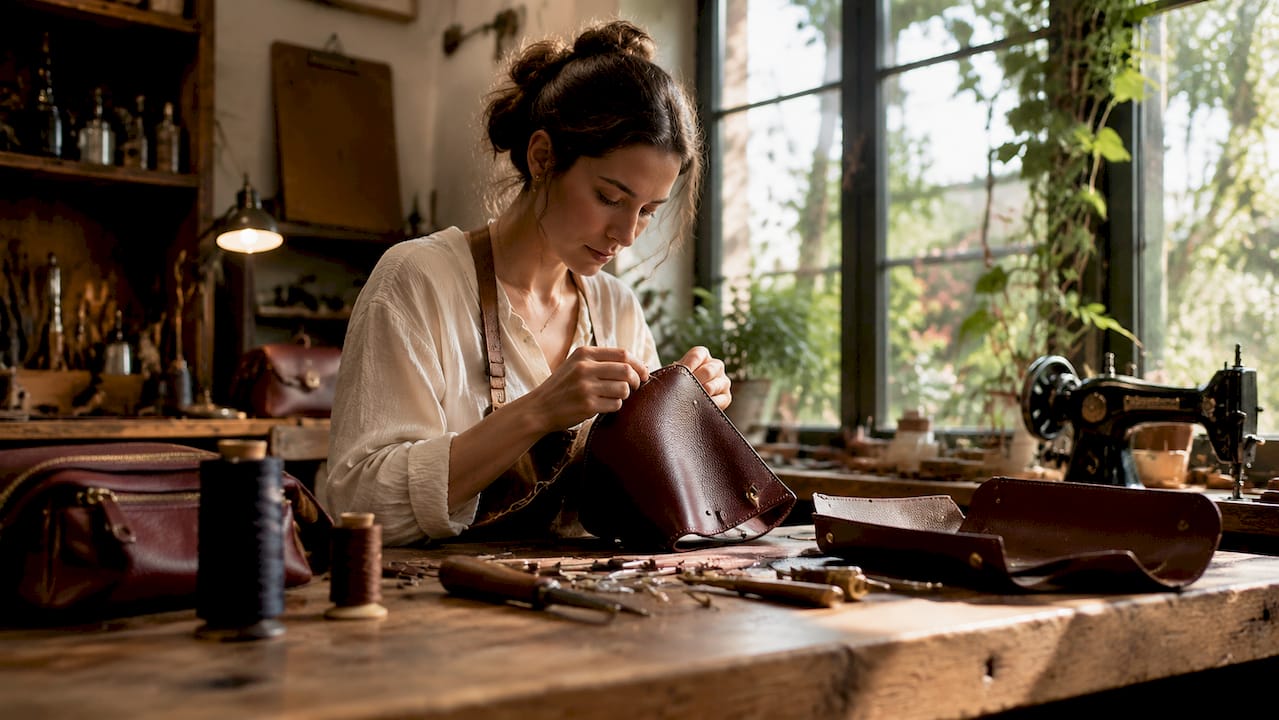
High-end fashion refers to garments and accessories defined by exceptional craftsmanship, material quality, and deliberate exclusivity. The industry term most closely aligned with this concept is luxury fashion, though high-end clothing spans a broader spectrum that includes Haute Couture, ready-to-wear designer lines, and premium heritage brands. Houses like Chanel, Hermès, and Dior have spent decades establishing what this standard looks like in practice. Understanding what defines luxury fashion means looking past price tags and recognizing the decisions made at every stage of production, from sourcing to finishing.
What is high-end fashion, and how is it defined?
High-end fashion is defined by four non-negotiable qualities: superior materials, skilled handcrafting, limited production, and a coherent design identity maintained across decades. These are not aspirational ideals. They are the measurable standards that separate genuine luxury from well-marketed imitation.
Luxury brands are characterized by expense, high quality, longevity, and limited distribution. That combination is deliberate. Scarcity protects value. Longevity signals that the product was built to outlast trends. High quality means the garment performs and ages well, not just that it looks impressive on a rack.
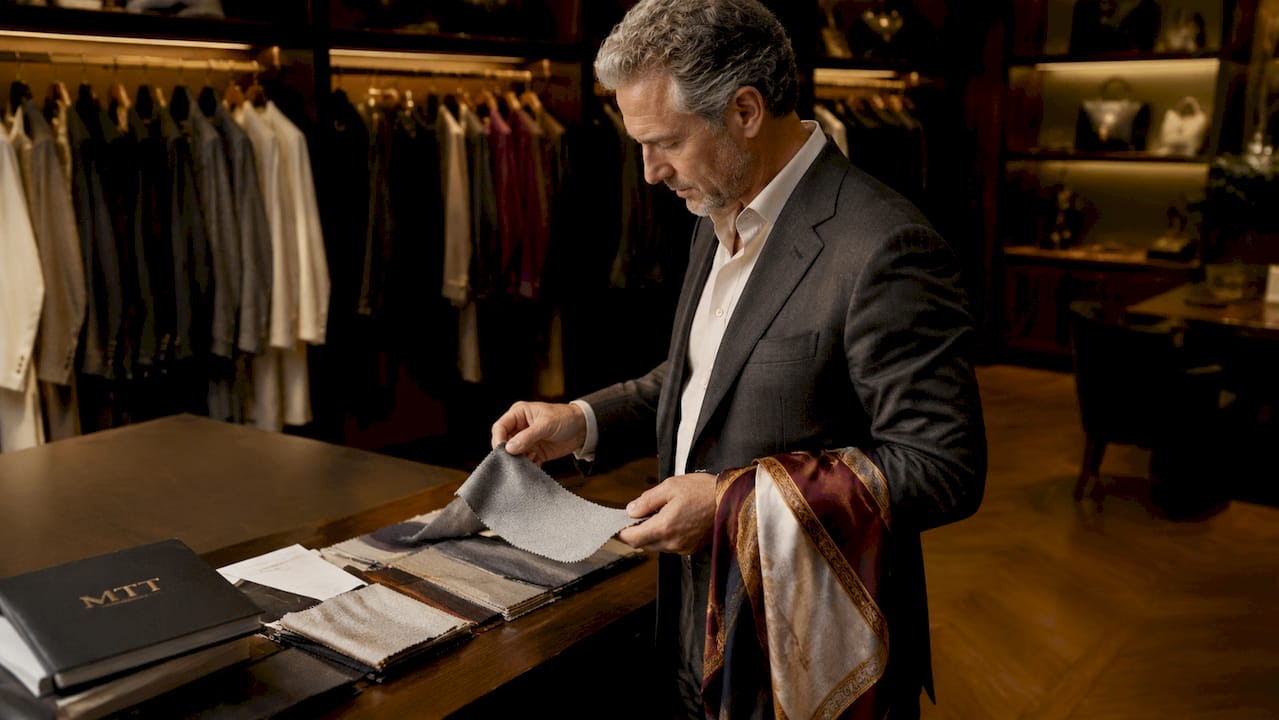
The high fashion meaning in everyday conversation often gets confused with “expensive” or “designer.” Those are related but not equivalent. A mass-produced item carrying a recognizable logo is not high-end fashion by this definition. True luxury excludes compromise on speed, cost, or volume. The moment a brand prioritizes output over craft, it exits the high-end category regardless of its price point.
How does high-end fashion differ from other fashion tiers?
The fashion market organizes itself into distinct tiers, and the differences between them are concrete, not just a matter of perception.
| Tier | Key Characteristics | Example Brands |
|---|---|---|
| Haute Couture | Custom-made, hand-finished, legally protected | Chanel, Dior, Julien Fournié |
| High-End / Luxury Ready-to-Wear | Premium materials, limited runs, heritage identity | Hermès, Bottega Veneta, Loro Piana |
| Designer | Recognizable branding, quality above mass market | Versace, Burberry, Michael Kors |
| Premium | Better materials than fast fashion, accessible price | Club Monaco, Reiss, Theory |
| Fast Fashion | High volume, low cost, trend-driven | Zara, H&M, Shein |
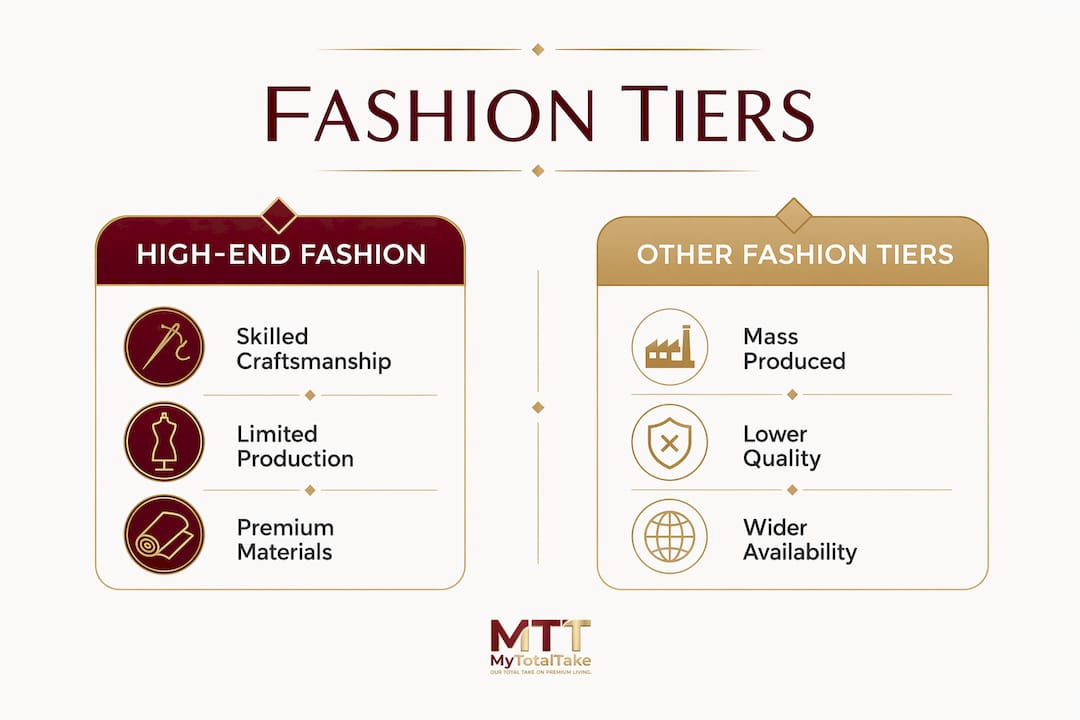
The difference between high-end and fast fashion is not simply price. Fast fashion brands like Zara and H&M operate on speed cycles measured in weeks. High-end brands operate on seasonal cycles measured in months, with production decisions made around material availability and artisan capacity, not trend forecasts.
The role of materials is decisive. High-end clothing brands source cashmere from specific Mongolian regions, silk from particular Italian mills, and leather from tanneries with century-long reputations. That specificity is not marketing. It produces a tactile and structural difference that any experienced hand can detect.
- Handcrafting: Luxury garments involve hand-stitching, hand-finishing, and fitting sessions that machine production cannot replicate.
- Exclusivity: Limited production runs protect both quality and brand positioning.
- Design coherence: High-end brands maintain a recognizable aesthetic across collections without chasing every trend.
- Heritage accountability: Brands like Hermès and Chanel are held to their own historical standards by informed consumers.
Pro Tip: When evaluating a luxury purchase, turn the garment inside out. The quality of interior seams, lining attachment, and finishing stitches reveals more about true craftsmanship than any exterior detail.
Why does Haute Couture set the standard for high-end fashion?
Haute Couture sits at the absolute apex of the fashion hierarchy. It is not a marketing term. Haute Couture is legally protected in France by the French Ministry of Industry, and membership requires meeting strict standards of design creativity and hand-executed garment making. As of early 2026, only 10 fashion houses hold active Haute Couture status globally. That number alone communicates the level of exclusivity involved.
The historical center of Haute Couture is Paris, where couture garments require extreme attention to detail and are custom-made using expensive, unusual fabrics. Collections define fashion seasons and set the creative direction that filters down through every tier below.
What makes Haute Couture the defining standard for high-end fashion comes down to four specific requirements:
- Custom fitting: Each garment is made to the measurements of a specific client, with multiple fittings during production.
- Hand execution: Stitching, beading, embroidery, and finishing are completed by hand by trained artisans called petites mains.
- Original design: Each collection must present new creative work, not adaptations of previous seasons.
- Atelier standards: The house must maintain a Paris-based atelier with a minimum number of full-time technical staff.
“Haute Couture is not simply clothing. It is the proof that human skill, applied without compromise, can produce something that no machine will ever replicate.” — Julien Fournié
Modern Haute Couture houses are also adopting digital tools to deepen client engagement without sacrificing craft. Maison Julien Fournié, for example, uses technology to allow clients to participate in design decisions before a single piece of fabric is cut. This is not a departure from tradition. It is an extension of the couture principle that each garment should reflect its wearer precisely.
How does quiet luxury represent the evolving face of high-end fashion?
Quiet luxury is the most significant shift in high-end fashion in the past decade. It moves away from logo-heavy, status-signaling design toward clothing that communicates quality through fabric weight, cut precision, and restrained color palettes. You recognize it not by what it announces, but by what it refuses to say loudly.
Quiet luxury focuses on subtle, logo-free design that emphasizes fabric quality and craftsmanship. This shift reflects changing consumer values. Buyers who understand luxury no longer need external validation through visible branding. The quality speaks for itself to those who know what to look for.
Brands that define this approach include Loro Piana, Brunello Cucinelli, and The Row. None of these labels rely on prominent logos. All of them command prices that reflect genuine material and production costs.
The characteristics of high-end style in the quiet luxury context share a consistent set of markers:
- Fabric weight and drape: Heavier, more structured fabrics signal investment in material quality.
- Neutral and tonal palettes: Beige, ivory, camel, and navy replace trend-driven colors.
- Minimal hardware: Understated buttons, invisible zippers, and clean closures replace decorative elements.
- Precise tailoring: Fit is the primary design statement, not embellishment.
- Longevity by design: Pieces are made to remain relevant across multiple seasons without alteration.
Quiet luxury is trending as a reflection of a broader cultural shift away from conspicuous consumption. There is also a sustainability connection. Buying fewer, better pieces reduces waste and aligns with the values of a growing segment of luxury consumers who think about the full lifecycle of what they own.
How do cultural and technological shifts influence modern high-end fashion?
Modern high-end fashion is no longer a one-way broadcast from designer to client. Clients are becoming active participants in high-end fashion creation through digital tools, with collaborations between fashion houses and technology firms enabling personalized couture experiences. This is a structural change in how luxury fashion operates, not a temporary trend.
Luxury fashion shapes identity, cultural relevance, and investment value. Brands like Chanel and Hermès transcend apparel entirely. They function as cultural institutions, with waiting lists, secondary market premiums, and resale values that rival financial assets. A Hermès Birkin bag, for instance, has historically appreciated in value faster than gold or the S&P 500 over comparable holding periods.
The resale market now directly influences brand strategy. Houses that maintain coherent design identity across decades preserve resale value and attract buyers who treat luxury purchases as long-term investments. Brands that dilute their identity through licensing or volume expansion see secondary market prices fall accordingly.
Sustainability has moved from a peripheral concern to a central one. High-end brands face growing pressure from informed consumers to document supply chains, certify material sourcing, and reduce production waste. This pressure actually reinforces the core values of genuine luxury. Craftsmanship, longevity, and limited production are inherently more sustainable than the fast fashion model.
Pro Tip: Before purchasing a high-end piece, research its resale value on platforms like The RealReal or Vestiaire Collective. Strong secondary market prices confirm that the brand maintains genuine luxury standards over time.
Key takeaways
High-end fashion is defined by craftsmanship, exclusivity, and design coherence, not by price or logo visibility alone.
| Point | Details |
|---|---|
| Craftsmanship is the baseline | Genuine luxury requires hand-finishing and material specificity that machine production cannot replicate. |
| Haute Couture sets the ceiling | Only 10 houses globally hold legal Haute Couture status, making it the most exclusive fashion category. |
| Quiet luxury is reshaping the market | Logo-free, fabric-forward design now defines the most credible segment of high-end fashion. |
| Client participation is growing | Digital tools allow buyers to co-create couture pieces, shifting luxury from passive to active consumption. |
| Resale value confirms authenticity | Brands with strong secondary market prices demonstrate sustained design coherence and genuine luxury standards. |
Why I think most people misread the luxury signal
I have spent years studying how people interact with luxury goods, and the most common mistake I see is treating price as the primary signal of quality. It is not. Price is a consequence of quality decisions, not the cause of them.
The fundamental distinction between commercial and essential luxury is one that most consumers never learn to make. Commercial luxury is driven by logos and marketing budgets. Essential luxury is driven by the absence of compromise in every production decision. These two things can share a price point and look identical on a receipt. They do not feel identical after five years of wear.
What I find most telling is how a brand handles volume pressure. Every successful luxury brand eventually faces the temptation to expand production and capture a broader market. The brands that resist this, Hermès being the clearest example, maintain both their craft standards and their resale value. The brands that give in, and there are many, become expensive without being luxurious.
The quiet luxury movement is the most honest development in fashion in decades. It strips away the performance of wealth and replaces it with the substance of quality. If you are building a wardrobe with genuine longevity in mind, the principles of quiet luxury and the standards of Haute Couture point in exactly the same direction. Buy less. Buy better. Know what you are buying.
The same logic applies beyond fashion. When I look at handmade furniture craftsmanship or premium home decor, I apply identical criteria. Materials, construction method, design coherence, and longevity. The category changes. The standard does not.
— Lysander
Bring the same standard home with Mytotaltake
The principles that define high-end fashion, craftsmanship, material integrity, and design that lasts, apply equally to how you furnish and style your living space. Mytotaltake curates luxury home products held to the same standard you would expect from a heritage fashion house.
If you are drawn to pieces built with genuine skill and lasting beauty, explore Mytotaltake’s guide to luxury furniture worth owning. Every piece in the collection is selected for construction quality, design coherence, and the kind of longevity that makes a purchase feel like an investment. For those who want to extend that standard outdoors, the high-end home decor guide covers how to bring the same refined sensibility to every room in your home.
FAQ
What is the luxury fashion definition in simple terms?
Luxury fashion refers to clothing and accessories produced with exceptional materials, skilled handcrafting, and limited distribution. The defining factor is the absence of compromise in any stage of production.
How many Haute Couture houses exist today?
As of early 2026, only 10 fashion houses hold active Haute Couture status, a designation legally protected by the French Ministry of Industry with strict standards for creativity and hand-executed craftsmanship.
Is high-end fashion worth it compared to fast fashion?
High-end fashion is worth it when the purchase is evaluated over a long time horizon. Luxury garments from brands like Hermès or Chanel often retain or appreciate in resale value, while fast fashion items depreciate immediately and wear out quickly.
What are the main characteristics of high-end style?
The core characteristics of high-end style include premium fabric sourcing, hand-finishing, limited production runs, a coherent design identity, and pieces that remain relevant across multiple seasons without relying on trend cycles.
What is quiet luxury, and why does it matter?
Quiet luxury is a design philosophy that replaces visible logos and bold branding with fabric quality, precise tailoring, and restrained aesthetics. Brands like Loro Piana and Brunello Cucinelli lead this category, which reflects a shift toward informed, understated consumption.







Leave a comment