
Best Floating Vanity for Small Bathroom Picks
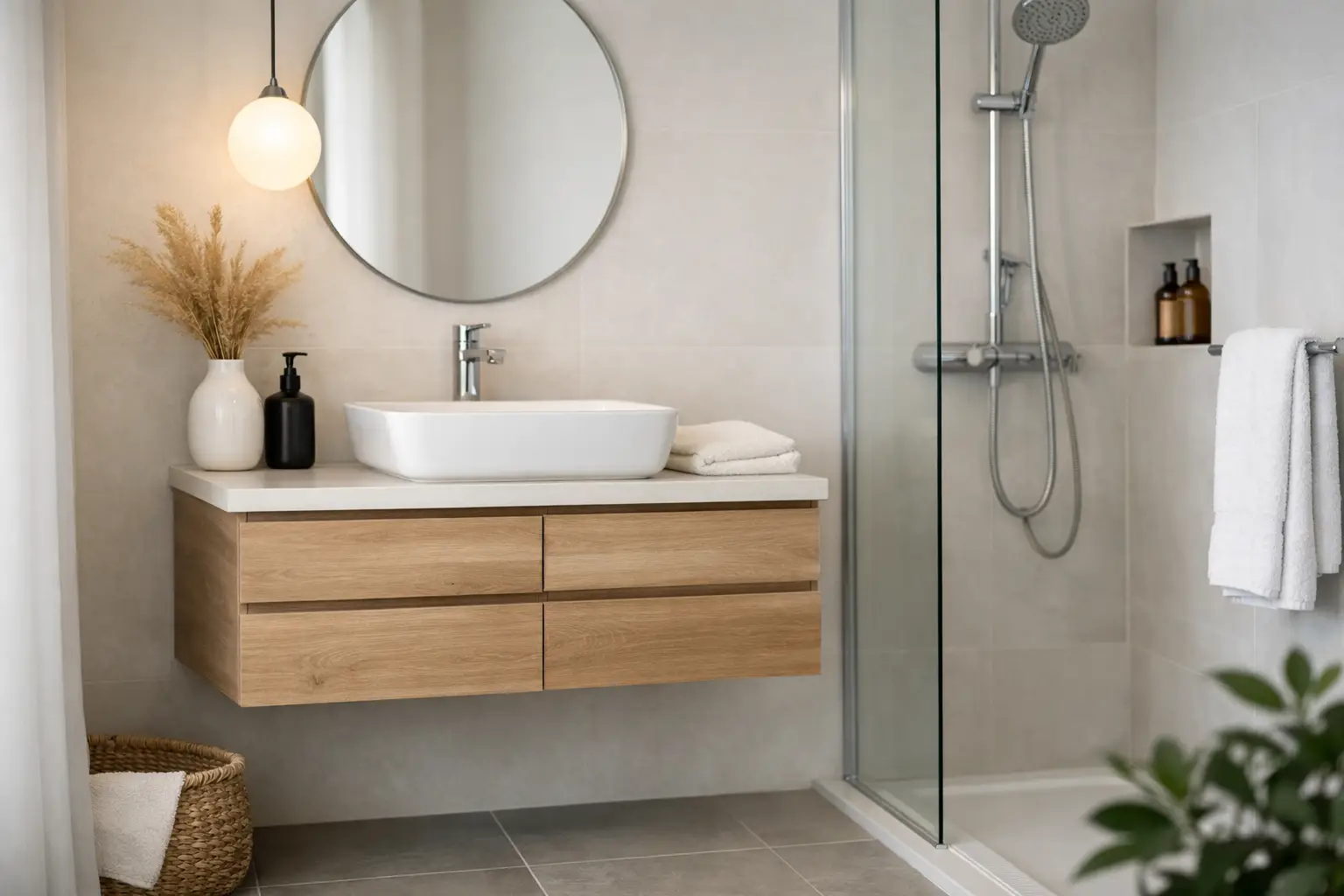
A few inches can decide whether a small bathroom feels tailored or frustrating. That is why choosing the best floating vanity for small bathroom layouts is less about chasing trends and more about getting proportion, storage, and finish exactly right. The right piece opens up the floor visually, sharpens the room’s architecture, and gives even a compact bath a more refined, high-end presence.
What makes the best floating vanity for small bathroom spaces?
In a tight footprint, a floating vanity works because it creates breathing room where standard cabinets tend to add visual weight. Seeing more floor area makes the room feel wider, cleaner, and better considered. It also helps with everyday practicality – sweeping, mopping, and navigating around the vanity becomes easier when the base is lifted.
But not every wall-mounted design deserves the upgrade. The best floating vanity for small bathroom use has to do more than save space. It needs a scale that suits the room, storage that matches real routines, and materials that can handle humidity without losing their finish. A vanity that looks sleek in a staged photo can still disappoint if the drawers are shallow, the sink is oversized, or the wall support is not substantial enough.
That trade-off matters. Floating vanities often feel more luxurious than bulky floor models, but they also demand better planning. Installation is more precise, and if you want generous storage, you may need to balance a slimmer silhouette with smarter drawer design rather than simply expecting deep cabinet space.
Start with size, not style
The first decision should be width. In most small bathrooms, the sweet spot lands between 18 and 36 inches, depending on whether the space is a powder room, guest bath, or primary bath with a compact layout. An 18- to 24-inch vanity is often enough for a powder room where storage needs are light. In a daily-use bathroom, 30 to 36 inches usually feels more comfortable because it offers room for toiletries without overwhelming the wall.
Depth matters just as much. Many people focus on width and forget that a vanity projecting too far into the room can make the whole layout feel cramped. A shallower profile, often around 18 to 20 inches deep, keeps circulation easier. If your bathroom door swings close to the vanity or the toilet sits nearby, those saved inches can make a noticeable difference.
Height is where comfort and visual balance meet. Floating models let you customize mounting height, which is one of their quiet advantages. If the household is taller, you can mount slightly higher for a more tailored feel. Just be careful not to push it so high that the mirror, backsplash, and faucet proportions start to look off.
The materials that actually hold up
In premium bathrooms, material quality is what separates a vanity that ages beautifully from one that starts looking tired within a year. Solid wood and high-grade plywood tend to outperform cheap particleboard in humid conditions. Veneered finishes can look exceptional when well-made, especially in walnut, white oak, or ash tones that add warmth without heaviness.
Lacquered finishes in white, taupe, charcoal, or matte black bring a more contemporary edge, though darker colors can show water spots and dust more easily. Wood grains are often more forgiving in daily use, especially in family bathrooms where perfection is not realistic.
The countertop and sink material also shape the experience. Integrated sintered stone or ceramic tops are easy to maintain and usually look crisp in smaller spaces. Marble or marble-look tops feel more elevated, but they can require more care depending on the finish and porosity. If low maintenance is part of the goal, engineered surfaces are often the smarter luxury.
Storage is where good design proves itself
Small bathrooms rarely have room for wasted space, so vanity storage needs to work harder than it does in a large primary suite. Drawers are usually more efficient than open cabinets because they let you reach the full depth without digging. Soft-close drawers also reinforce the premium feel people expect from an upscale bath upgrade.
A single-drawer vanity can work in a guest bath or a minimalist setup, but for a main bathroom, two levels of storage usually make more sense. Look for organizers, U-shaped drawers that accommodate plumbing, and interiors finished as carefully as the exterior. These details may seem minor at first, yet they shape how luxurious the vanity feels after months of daily use.
Open shelving underneath can be attractive, especially in spa-inspired designs, but it is not always the best fit for small spaces. It keeps the room airy, though it also puts every towel, basket, and bottle on display. If you prefer a clean, composed look, closed storage tends to hold up better in real life.
Single sink, integrated sink, or vessel?
For most compact bathrooms, a single integrated sink is the most practical choice. It keeps the profile streamlined, simplifies cleaning, and usually offers the cleanest visual line. That simplicity is often what makes the room feel more expensive.
Vessel sinks can look sculptural and distinctive, but they add height and may splash more than an integrated basin. In a small bathroom, they can either become a standout design moment or create clutter, depending on the faucet pairing and countertop depth. If you love the look, keep the vanity itself restrained so the room does not feel overdesigned.
Undermount sinks are another strong option if you want a more classic upscale finish. They pair especially well with stone countertops and transitional cabinetry. The trade-off is that they can take up more usable drawer space beneath, so the storage plan has to be carefully thought through.
Which style works best in a small bathroom?
Modern floating vanities are the most natural fit for compact spaces because clean lines and minimal hardware reduce visual noise. Flat-panel fronts in oak, walnut, white, or matte black tend to feel current without dating too quickly. If your tile or lighting already carries strong personality, a simpler vanity creates balance.
That said, warm contemporary designs often outperform ultra-minimal ones in everyday homes. A vanity with subtle wood texture, rounded corners, or brushed metal details can soften the room and make it feel curated instead of stark. This is especially useful in apartment bathrooms and narrow guest baths where too much sharp contrast can feel cold.
If you lean transitional, choose a floating vanity with understated detailing rather than ornate trim. The goal is to preserve the lifted, spacious look. Heavy moldings and oversized hardware can work against that.
Wall prep and installation are not optional details
A floating vanity only feels luxurious when it is installed correctly. Because the weight is carried by the wall, you need proper blocking or secure stud mounting. This becomes even more important with stone tops, wider vanities, or users who expect the cabinet to handle daily wear without shifting.
If your bathroom walls are not prepared for a wall-mounted unit, installation can become more involved than a floor-standing vanity swap. That does not mean it is the wrong choice. It simply means the best option depends partly on your renovation scope. If the wall is already open during a remodel, adding support is relatively straightforward. If you are making a quick cosmetic update, the install may require more planning than expected.
Plumbing placement also matters. A floating vanity exposes more of the lower wall area, so sloppy rough-ins become easier to notice. Clean alignment helps the final result look intentional and custom.
How to choose the right one for your space
If your bathroom is especially tight, prioritize shallow depth and visual lightness first. A compact oak or matte white vanity with integrated sink and one or two efficient drawers will usually feel calm and elegant. In a guest bath, that is often enough to create a polished impression without overloading the room.
If the bathroom is your primary daily space, lean toward a slightly wider model with serious drawer storage. This is where the best value often appears – not in the cheapest piece, but in a vanity that combines durable materials, premium hardware, and a finish you will still enjoy years from now.
For shoppers building a more elevated home environment, this is one of those upgrades that pays off both visually and practically. A thoughtfully chosen floating vanity can make a modest bathroom feel custom-designed. That is exactly why curated retailers like mytotaltake.com continue to spotlight high-end bathroom pieces that blend craftsmanship with real functionality.
Price should be viewed through that lens. A lower-priced vanity may look appealing initially, but if the finish chips, the drawers sag, or the cabinet swells from moisture, the value disappears quickly. In small spaces, every detail is more visible, so quality tends to show faster.
The best choice is not always the smallest vanity or the trendiest finish. It is the one that fits your layout cleanly, supports your routine, and brings a sense of order to the room. When a floating vanity gets those basics right, the whole bathroom feels lighter, sharper, and far more intentional. For a space you use every day, that kind of refinement is never wasted.








Leave a comment