
Best Bathroom Storage for Small Spaces
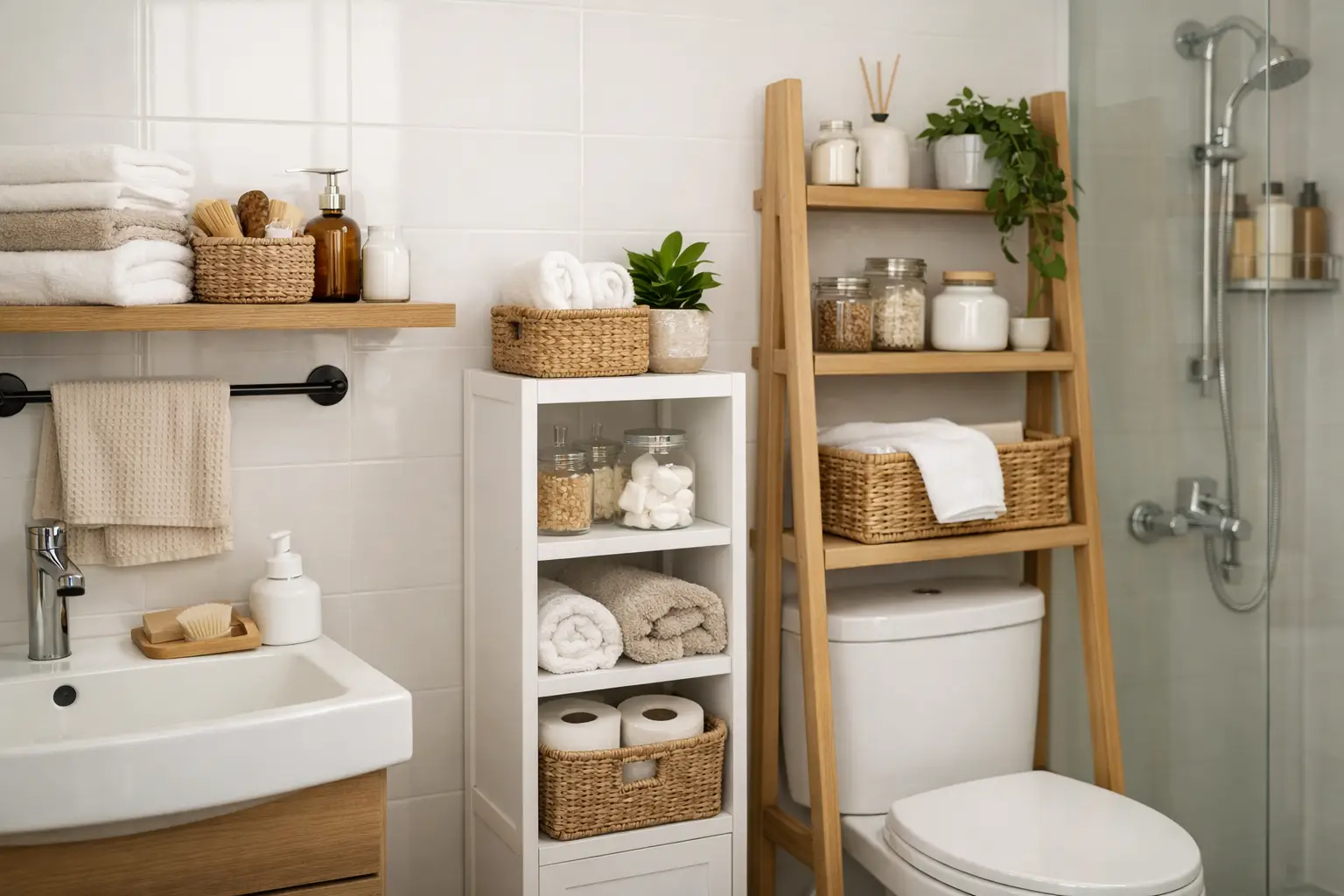
A crowded vanity, towels with nowhere to land, skincare balanced on the sink edge – small bathrooms reveal every bit of clutter fast. The best bathroom storage for small spaces is not about squeezing in more bins. It is about choosing pieces that look refined, work hard, and make the room feel calmer the moment you walk in.
In a compact bath, every inch has a job. Floor area is limited, drawer depth is shallow, and the wrong organizer can make the room feel tighter instead of better. That is why the most effective storage choices do two things at once: they create order and preserve the visual openness that makes a small bathroom feel elevated rather than overfilled.
What the best bathroom storage for small spaces gets right
The strongest storage setups start with restraint. Instead of adding a little shelf here and a random basket there, it helps to think in zones: daily-use items near the sink, backup supplies tucked away, and linens stored where they stay accessible without dominating the room.
Good small-space storage also respects proportion. A slim cabinet with clean lines often performs better than a bulky unit with more raw capacity. Open shelving can look beautiful, but only if what sits on it is edited and intentional. Closed storage is usually the better choice for anyone who wants a polished, hotel-like finish with less effort.
Material matters too. Bathrooms deal with heat, moisture, and constant use, so this is one room where craftsmanship pays off. Storage that warps, peels, or rusts will quickly make the whole space feel tired. Well-made pieces in wood, metal, tempered glass, or moisture-resistant finishes hold their shape and their style far longer.
Start with vertical storage, not more floor storage
When square footage is tight, the wall becomes your most valuable real estate. Vertical storage instantly expands what the room can hold without shrinking the walkway or crowding the vanity.
A tall, narrow cabinet is one of the smartest upgrades for a small bathroom. It uses height rather than width, giving you room for extra towels, paper goods, cleaning essentials, and personal care items in one clean silhouette. If the design is slim enough, it can fit beside a vanity, near the toilet, or into an underused corner that would otherwise go wasted.
Floating shelves are another strong option, especially above the toilet or along an open wall. They keep the floor visible, which helps the room feel lighter. The trade-off is maintenance: open shelves require discipline. If your routine includes multiple products, mixed packaging, or family bathroom traffic, open storage can quickly look busy. In those cases, a combination works better – one or two shelves for attractive essentials and a cabinet for everything less display-worthy.
Ladder-style shelving can add a design-forward look, but it depends on the room. In very tight layouts, the angled footprint may consume more space than expected. It works best when you want a decorative layer for folded towels and a few curated accessories, not when you need serious concealed storage.
Vanity storage should work harder
The vanity is often the center of bathroom storage, yet it is where many small spaces underperform. A beautiful sink setup with poor organization underneath creates daily frustration, especially during busy mornings.
If you are choosing a new vanity, prioritize drawer efficiency over sheer size. Deep drawers with divided interiors often outperform standard cabinet doors because they bring items to you instead of forcing you to crouch and reach into dark corners. A floating vanity can also make a compact bathroom feel more expansive, while still offering enough space for essentials if the layout is well planned.
For existing vanities, internal organization makes the difference. Stackable trays, pull-out bins, and tiered inserts turn awkward undersink areas into usable storage. This is especially useful around plumbing, where open empty space tends to waste valuable capacity. The goal is not to fill every inch. It is to create fast access to what you actually use.
Countertop storage deserves a lighter touch. One refined tray for soap, lotion, and a daily skincare edit looks composed. Five separate containers do not. In a small bathroom, visible storage should feel curated, not improvised.
Over-the-toilet storage can look far more polished than you think
This zone is frequently overlooked or treated as purely functional, but it has real potential. The space above the toilet is ideal for storage because it does not interfere with circulation and can hold more than most people expect.
A well-designed over-the-toilet cabinet offers some of the best bathroom storage for small spaces because it adds enclosed room for toiletries, extra tissue, and folded hand towels without demanding more square footage. Choose a silhouette that feels integrated with the rest of the bathroom rather than bulky or purely utilitarian. Clean finishes, subtle hardware, and balanced proportions matter here.
Open étagère-style units can work in modern or spa-inspired bathrooms, particularly when styled with restraint. Rolled white towels, a single candle, and a small vessel can feel intentional. But if your aim is to reduce visual noise, a cabinet with doors will usually deliver a more luxurious result.
Small accessories make a large difference
Not every storage fix requires furniture. Sometimes the biggest improvement comes from the details that remove friction from daily routines.
Wall hooks free towels from the back of the door and keep robes or hair tools within reach. Recessed niches in shower walls create streamlined storage without adding bulk. Corner shelves inside the shower solve bottle clutter, though quality is essential if you want a clean finish that lasts.
Mirror cabinets are especially effective in compact bathrooms because they combine two necessities in one footprint. If you have limited wall space and very little vanity storage, a medicine cabinet with a sleek profile can quietly hold a surprising amount. It is not the most dramatic upgrade, but it is one of the most efficient.
Door-mounted organizers can also help, particularly in rental spaces where larger changes are off the table. The key is choosing options that sit flat and feel discreet. Oversized, flimsy systems tend to make a premium bathroom look temporary.
How to choose the right storage for your layout
Not every small bathroom has the same problem. Some lack towel storage. Others struggle with toiletries, cleaning supplies, or shared-use overflow. The best choice depends on what is causing the room to feel disorganized now.
If your vanity is cramped but you have open wall space, go vertical with a tall cabinet or shelves. If your walls are limited but the vanity is inefficient, upgrade the internal organization first. If the room looks cluttered even when everything technically fits, you likely need more closed storage and fewer visible items.
It also helps to think about who uses the bathroom. A guest bath can lean more decorative, with open shelving and lighter storage needs. A primary bathroom or family bath benefits from concealed systems that handle daily volume while keeping the room composed. Shared bathrooms need easy categories and reachable zones, especially if more than one person is moving through the space at the same time.
Style should never be treated as separate from function. In a smaller room, the visual effect of each piece is amplified. Storage with refined finishes, balanced scale, and thoughtful detailing does more than organize – it elevates the entire atmosphere. That is where a curated approach matters. A premium piece may cost more upfront, but it often replaces the cycle of temporary fixes that never quite solve the problem.
A smarter way to create a high-end feel
The most appealing small bathrooms are not packed with products, even expensive ones. They feel edited. The palette is calm. The surfaces are mostly clear. Storage supports the room quietly instead of announcing itself.
That means buying less, but buying better. One slim cabinet with solid construction can outperform several low-cost organizers. One mirrored medicine cabinet can eliminate countertop clutter and open up the room visually. One set of matching containers can make everyday essentials look intentional instead of chaotic.
For shoppers who want practical upgrades with design credibility, this is the sweet spot. A compact bathroom does not need grand square footage to feel luxurious. It needs smart proportions, durable materials, and storage that respects both the routine and the room. That is the kind of solution worth bringing home – because when your space works beautifully, the day starts better too.








Leave a comment