
How to Pick a Mattress Topper Right
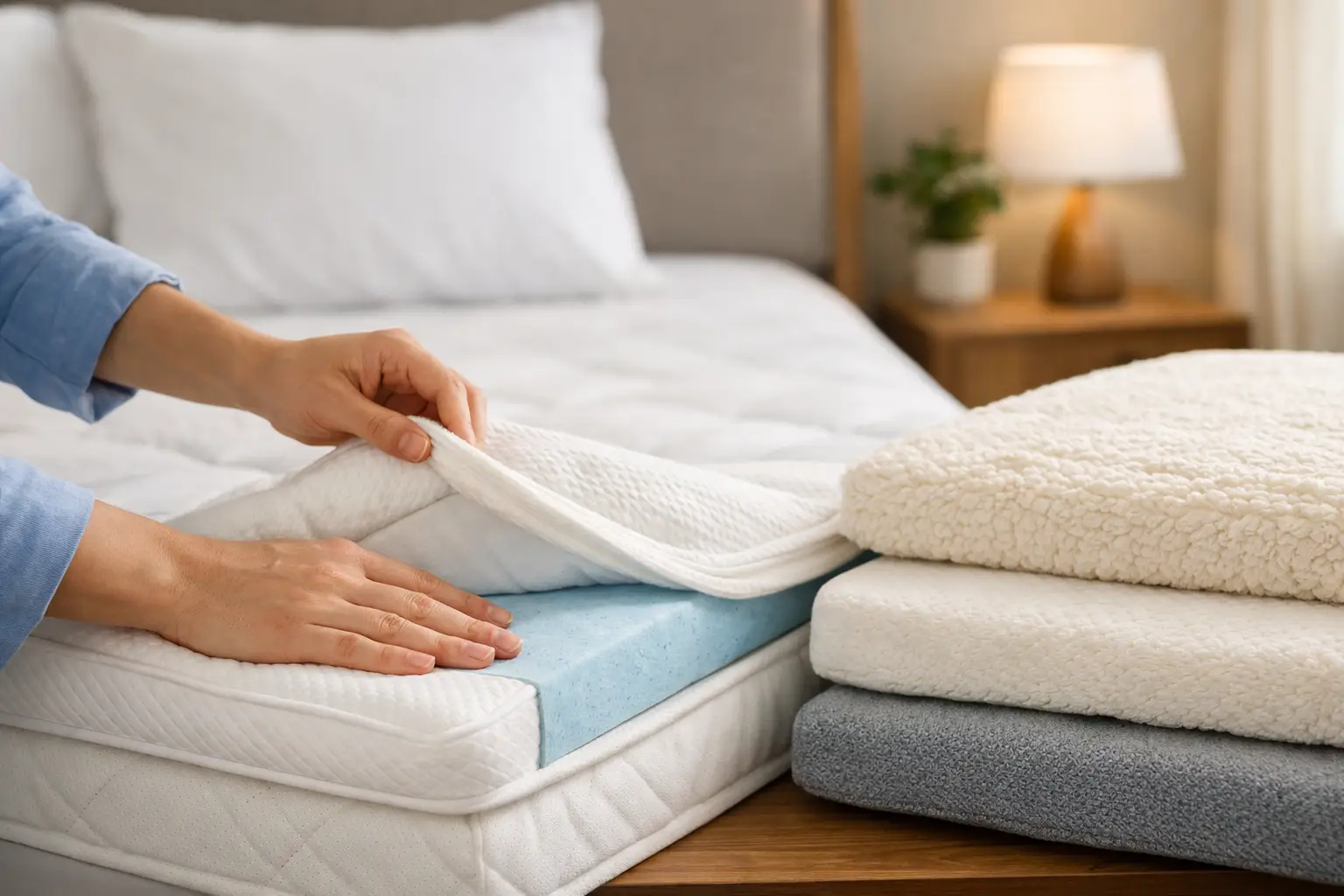
A mattress can look the part, carry a premium price tag, and still leave you waking up stiff, overheated, or strangely unrested. That is usually the moment people start asking how to pick a mattress topper – not as an afterthought, but as a smarter way to refine comfort without replacing the entire bed.
A well-chosen topper can make a guest room feel more inviting, soften a too-firm mattress, add support to one that has lost some structure, or help regulate temperature in a room that never quite feels cool enough. The key is choosing with intention. The best topper is not the softest or the thickest. It is the one that corrects what your current sleep setup is getting wrong.
How to pick a mattress topper for your sleep style
Start with the problem you are trying to solve. If your mattress feels too firm, a topper should introduce pressure relief at the shoulders and hips. If it feels unsupportive, the goal is not plushness alone. You need a denser, more stable layer that keeps your body aligned instead of letting it sink too far.
Sleep position matters more than many shoppers expect. Side sleepers usually do best with a topper that adds contouring and cushioning, especially around pressure points. Back sleepers tend to prefer a balanced feel – enough softness for comfort, enough support to keep the spine in a neutral position. Stomach sleepers are often better served by a thinner, firmer topper because excessive softness can pull the midsection down and create lower back strain.
Body weight also changes how a topper performs. A lighter sleeper may find a soft 2-inch topper luxurious and supportive, while someone heavier may compress that same topper too quickly and need a firmer material or more thickness. There is no universal formula here. The more pressure your body places on the surface, the more structure the topper needs to maintain its feel through the night.
Choose material based on feel, not hype
Material is where comfort becomes personal. Memory foam is one of the most popular options because it contours closely and can dramatically change the feel of a mattress. It works especially well for pressure relief and motion isolation, which makes it appealing for couples. The trade-off is heat retention in some models and a slower response when you move.
Latex has a different personality. It feels buoyant rather than sink-in soft, and it usually offers better airflow than traditional memory foam. If you want a surface that feels supportive, refined, and responsive, latex often delivers that elevated balance. It can, however, feel firmer than expected if you are hoping for that deep, cushioned hug.
Down and down-alternative toppers create a plush, hotel-style finish. They are ideal if your mattress already offers solid support and you simply want a more indulgent surface feel. What they generally do not do is fix alignment issues or provide substantial structural support. They are about softness, not correction.
Wool toppers appeal to shoppers who want temperature moderation and a more natural sleep environment. They can feel exceptionally comfortable without becoming overly dense, though they usually will not transform a hard mattress as dramatically as foam or latex.
If you are choosing for a primary bedroom rather than an occasional guest setup, it is worth prioritizing durability along with comfort. Premium materials tend to hold their shape better, perform more consistently, and feel less like a temporary patch.
Thickness changes everything
When shoppers compare toppers, thickness is often treated like a luxury feature. In reality, it is a performance decision.
A 1-inch topper makes subtle changes. It can add a touch of softness or a smoother finish, but it will not dramatically reshape how the mattress feels. A 2-inch topper is often the sweet spot for people who want a noticeable upgrade without losing stability. A 3-inch topper creates a more pronounced comfort layer and is often the right move for firm mattresses or sleepers with sharper pressure-point needs.
More is not always better. If your mattress is already soft or slightly sagging, a thick plush topper can make the bed feel less supportive. You may enjoy the first few minutes and regret it by morning. On the other hand, if your mattress is too hard and your body is absorbing that firmness every night, going too thin may barely make a difference.
Think of thickness as the degree of change you want. Small correction, light layer. Bigger correction, deeper profile.
Firmness should match the mattress you already own
This is where many decisions go wrong. People shop for a topper as though they are choosing a mattress from scratch. A topper does not replace the mattress underneath. It works with it.
If your mattress is too firm, a softer topper can create the comfort your bed is missing. If your mattress is already soft but lacks support, adding another soft layer usually compounds the issue. In that case, a firmer, denser topper may help slightly, but there is a limit to what any topper can fix.
Toppers are excellent for fine-tuning feel. They are less effective at rescuing a mattress with deep sagging, broken support, or major wear. If the base mattress is compromised, even an exquisite topper will only mask the issue for so long.
A simple test helps here. If you lie down and think, I like this bed but want it softer, cooler, or more cushioned, a topper is likely a smart solution. If you lie down and feel your body dipping, tilting, or fighting the mattress for support, you may be asking a topper to do a mattress-level job.
How to pick a mattress topper for cooling comfort
Temperature is often the deciding factor, especially for warm sleepers or bedrooms that retain heat. If that is your concern, pay close attention to the topper’s material and construction rather than relying on the word cooling on the label.
Latex tends to sleep cooler than traditional memory foam because of its open, responsive structure. Gel-infused foams can help disperse heat, though performance varies. Breathable covers, ventilated designs, and moisture-managing fibers also matter. Wool is especially appealing if you want comfort with year-round temperature balance.
It is worth being realistic here. A topper can improve sleep temperature, but it will not override every warm-sleep factor in the room. Bedding, mattress protector choice, sheet fabric, and bedroom climate all play a role. If cooling is the priority, the topper should be part of a coordinated sleep setup, not the only fix.
Don’t overlook fit, cover, and construction
A beautifully made topper should feel considered in every detail. Size is obvious, but secure fit is just as important. Corner straps, elastic skirting, or a well-tailored profile help keep the topper from shifting, especially if you move often at night.
The cover affects both feel and maintenance. Removable, washable covers are practical and help preserve freshness over time. Premium fabrics can also change the sleep experience in subtle ways, making the surface feel smoother, cooler, or more polished.
Construction quality matters because toppers compress night after night. Dense foam, resilient latex, reinforced stitching, and thoughtfully finished covers tend to justify a higher price because they maintain comfort longer. This is one of those home upgrades where craftsmanship is not marketing language – it directly affects how the product performs six months from now.
When price reflects value
A mattress topper sits in that useful category between impulse buy and long-term investment. The least expensive option may look appealing, but low-grade fill and weak construction often flatten quickly, bunch at the edges, or lose their intended feel.
A better topper should earn its place in your bedroom by improving comfort in a lasting way. If it helps extend the life of a mattress you otherwise enjoy, improves sleep quality, and brings a more tailored feel to your space, it is a worthwhile upgrade. For shoppers who want elevated essentials rather than disposable fixes, that distinction matters.
When browsing a curated retailer such as My Total Take, the advantage is not just variety. It is the edit. A refined selection makes it easier to compare materials, features, and finish without wading through pages of forgettable options.
The smartest way to decide
If you are still between two choices, let your mattress tell you what it needs. Too firm calls for pressure relief. Too warm calls for breathable materials. Good support but not enough luxury calls for plushness. Slightly tired but still structurally sound calls for a topper with enough substance to refresh the experience.
The best bedrooms feel intentional, and sleep should be no different. A mattress topper is a small layer, but the right one can change how the whole room feels at night. Choose the version that solves a real comfort issue, complements the bed you already have, and adds the kind of finish that makes getting into bed feel like part of a well-designed life.









Leave a comment