
What Makes a Designer Piece: Qualities That Last
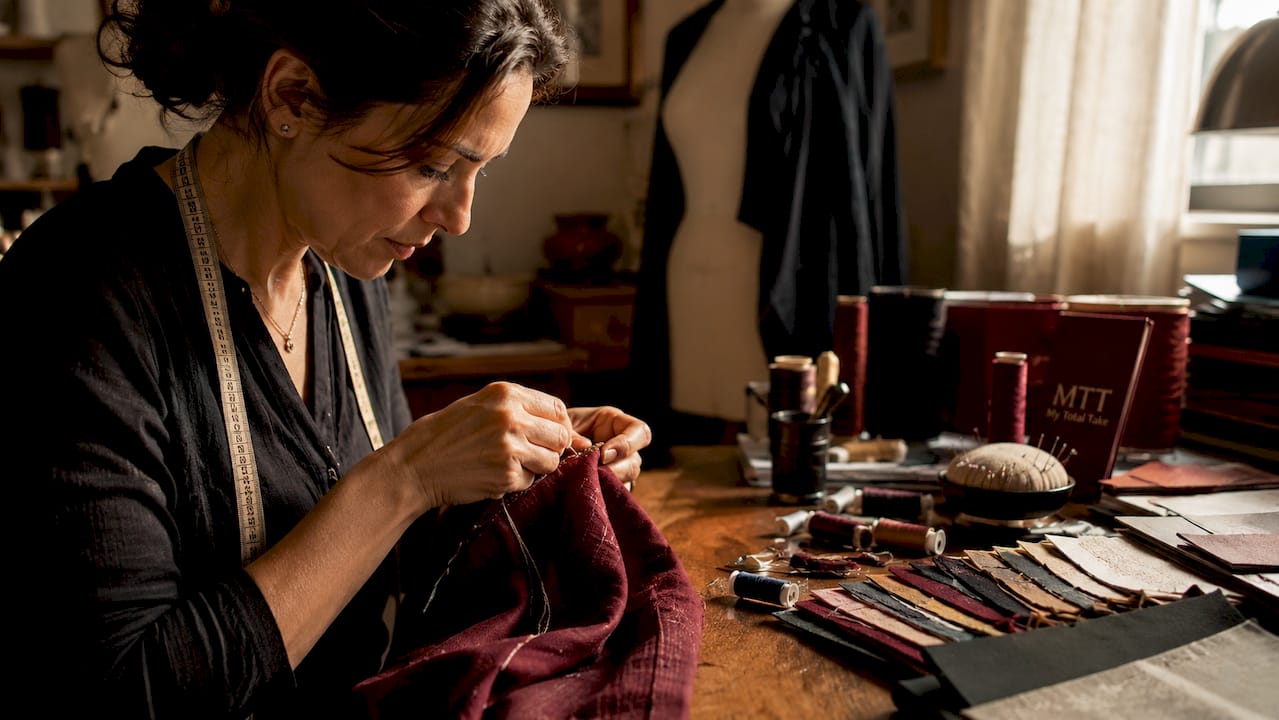
A designer piece is defined by its originality, craftsmanship, and the personal artistic vision of its creator, setting it apart from anything mass-produced. Understanding what makes a designer piece goes beyond recognizing a label. The real markers are visible in construction, material choice, and the intentional decisions a designer makes at every stage of production. Whether you are building a wardrobe or furnishing a home, these qualities determine which pieces earn their place for decades and which ones fade within a season.
What makes a designer piece stand out in fashion?
Designer fashion is a discipline, not decoration. Designers obsess over proportion, line, and construction quality, producing garments that function intuitively for the wearer. That focus on discipline is what separates a designer coat from a well-priced alternative that looks similar on a hanger.
The defining qualities of designer fashion pieces include:
- Superior material sourcing. Designer garments use fabrics chosen for both durability and aesthetic performance. A wool crepe that holds its drape after years of wear is a deliberate material decision, not a lucky find.
- Expert construction. Seams are finished to a standard that prevents fraying and maintains shape. Linings are cut on the bias where needed. Buttons are sewn with a thread shank so they sit correctly and last.
- Proportion and movement. Designer clothing focuses on proportion and movement, producing garments that support the wearer and age well over time. A well-cut sleeve that moves with your arm without pulling is the result of pattern work that takes years to master.
- Creative direction. Each collection reflects a designer’s artistic identity and responds to cultural moments. That creative authorship gives the piece a context that mass production cannot replicate.
- Longevity by design. Pieces are built to maintain fit and shape through repeated wear. They reduce friction rather than create it.
One quality that surprises many shoppers: delicate materials like silk or beaded embroidery requiring hand care are signs of specialized craftsmanship, not fragility or low quality. A garment that demands careful handling signals that the maker invested in materials and techniques that could not survive industrial processing.
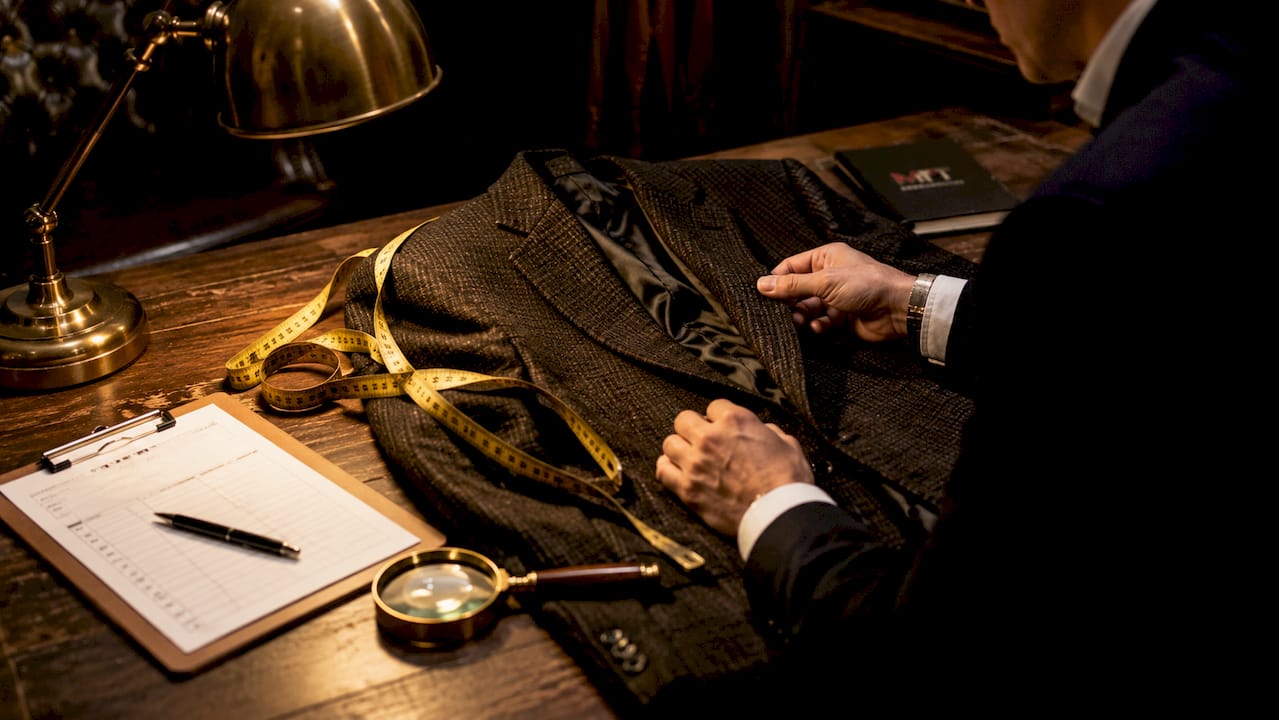
Pro Tip: When examining a garment for designer quality, turn it inside out. Finished seams, clean linings, and consistent stitching density are the marks of genuine construction care. A raw edge inside a high-priced piece is a red flag regardless of the label.
How designer home decor earns its status
Designer furniture and decor operate by a different set of rules than fashion, but the core criteria overlap. Authorship, material integrity, and limited availability define the category.
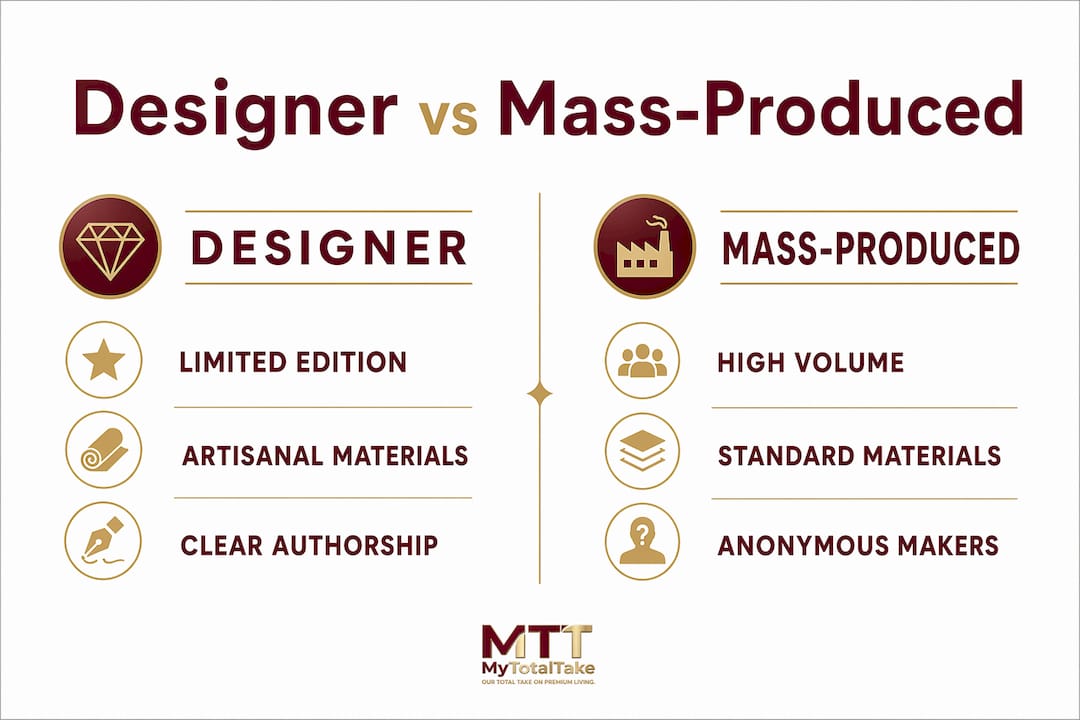
- Limited or one-of-a-kind production. Collectible design pieces are produced as one-of-a-kind or limited, numbered serial runs. That scarcity is not a marketing tactic. It reflects the time and skill required to produce each object.
- Artisanal materials and techniques. Designer furniture employs craftsmanship and material research using specialty woods, metals, ceramics, and resins. These materials are seldom found in mass-produced items because they require skilled handling and longer production cycles.
- Selective distribution. Collectible design circulates through galleries, auctions, and specialized ateliers, not through mass retail. Where a piece is sold tells you something real about its status.
- Clear authorship and provenance. A designer piece carries the identity of its creator. Provenance, certification, and documentation contribute directly to cultural and monetary value.
- Contrast with industrial production. Industrial design targets mass-market output and prioritizes replication. Designer pieces prioritize singularity. The difference shows in every joint, surface, and finish.
For shoppers interested in designer furniture for their home, understanding these five criteria makes it far easier to distinguish a genuine collectible from a well-marketed reproduction.
| Feature | Designer piece | Mass-produced item |
|---|---|---|
| Production volume | Limited or one-of-a-kind | High-volume runs |
| Materials | Specialty, artisanal | Standardized, industrial |
| Distribution | Galleries, auctions, ateliers | Mass retail |
| Authorship | Named creator with provenance | Anonymous manufacturing |
| Value over time | Often appreciates | Typically depreciates |
Pieces like limited-edition blown-glass sculptures or hand-carved wooden chairs from recognized designers also appear in curated collections such as landscape and marine art editions, where limited serial production signals the same designer quality found in furniture ateliers.
How do designer, luxury, and premium brands differ?
The three categories are often confused, but they occupy distinct positions in the market. Designer brands sit between premium and luxury, distinguished by creative direction, trend responsiveness, and a strong tie to the designer’s artistic identity.
| Category | Core focus | Price driver | Product turnover |
|---|---|---|---|
| Luxury | Heritage, exclusivity, craftsmanship | Scarcity and legacy | Slow, classic |
| Designer | Creative vision, trend-driven collections | Artistic identity | Seasonal, faster |
| Premium | Elevated quality at accessible price points | Material and finish | Moderate |
Luxury brands build identity around heritage and scarcity. A house with a century of history charges for that legacy as much as for the object itself. Premium brands compete on quality and relative accessibility, offering better materials and construction than mass-market goods without the exclusivity premium. Designer brands invest heavily in creative direction, making their collections highly trend-influenced and aligned with the designer’s vision. That leads to faster product turnover but stronger fashion influence.
The practical implication for shoppers: a designer piece may not carry the same heritage as a luxury house, but it carries something equally valuable. It carries a point of view. That creative authorship is what gives designer pieces their cultural weight and their ability to feel current without chasing trends.
Why do designer pieces hold value beyond trends?
The strongest designer pieces carry a story visible in their seams, construction, and material choices. Signature designer pieces carry structural narratives, material history, and personal aesthetic alignment that give them lasting value beyond any single trend cycle. That framework applies equally to a tailored jacket and a hand-thrown ceramic vase.
The qualities that create lasting appeal include:
- Structural narrative. The way a piece is built tells a story about the decisions made in its creation. Visible hand-stitching, exposed joinery in furniture, or a carefully weighted hem all communicate craft.
- Material history. Quality materials age with character. A full-grain leather bag develops a patina. A solid oak table deepens in color. These changes add depth rather than signaling wear.
- Personal aesthetic alignment. A piece that fits your genuine aesthetic becomes more meaningful over time, not less. It stops being a purchase and becomes part of how you present yourself or your home.
- Collectibility. Designer pieces produced in limited runs with clear authorship and artisanal materials support collectible status and cultural value. Some appreciate financially. All appreciate personally.
- Conversational quality. A well-chosen designer piece invites questions. It has something to say about where it came from and who made it.
Pro Tip: Before buying a designer piece for your home, research the designer’s production method. A piece made in a small studio with documented materials will hold its story and its value far longer than one produced in a scaled facility under a designer’s licensed name.
Shoppers exploring premium home decor will find that the pieces with the most staying power are those built around these five qualities, not around a seasonal trend or a recognizable logo.
Key Takeaways
A designer piece earns its status through craftsmanship, clear authorship, quality materials, and a creative vision that mass production cannot replicate.
| Point | Details |
|---|---|
| Craftsmanship is the foundation | Construction quality, material sourcing, and finishing define genuine designer pieces. |
| Authorship adds cultural value | Named creators with documented provenance give pieces lasting significance and collectibility. |
| Limited production signals quality | One-of-a-kind or numbered runs reflect the time and skill required to produce each object. |
| Designer differs from luxury and premium | Designer pieces prioritize creative vision; luxury prioritizes heritage; premium prioritizes accessible quality. |
| Lasting pieces carry a story | Structural narrative, material history, and personal alignment create value that outlasts any trend. |
What I have learned about spotting real designer quality
Most people approach designer pieces the wrong way. They look at the label first and the object second. After years of studying how well-made things are built, I have come to believe that the label should be the last thing you check, not the first.
The real test is in your hands. Run a finger along a seam. Open a drawer and feel how it moves. Hold a garment up to the light and look at how the fabric behaves. These physical details tell you more about a piece’s quality than any brand story or price tag.
What I find most interesting about the current market is the cultural shift toward valuing authorship over status. Shoppers are increasingly asking who made this, how, and with what materials. That is exactly the right question. A piece made by a named designer in a small studio, using documented materials and a defined process, carries something that a licensed reproduction simply cannot. It carries intention.
My honest advice: buy fewer pieces and understand each one more deeply. A single well-chosen designer chair or a jacket built to last a decade will give you more satisfaction than a room full of trend-driven purchases. The craftsmanship is the point. The story is the value.
— Lysander
Curated designer pieces worth owning
Choosing a designer piece well means knowing what to look for before you buy. Mytotaltake curates a selection of upscale fashion and home decor items chosen specifically for their craftsmanship, material quality, and lasting design. Every product in the collection meets the criteria that define genuine designer quality: clear authorship, artisanal construction, and materials that age with character.

Whether you are selecting a statement furniture piece or a wardrobe investment, Mytotaltake’s guide to choosing upscale products that last gives you a practical framework for making decisions you will not regret. For those focused on the home, the high-end home decor guide covers craftsmanship standards and design principles that separate lasting pieces from short-lived ones.
FAQ
What makes a designer piece different from a luxury item?
A designer piece is defined by its creative vision and the artistic identity of its maker, while a luxury item emphasizes heritage, scarcity, and legacy. Designer brands are trend-driven and seasonally refreshing, whereas luxury brands build identity around timeless exclusivity.
How do you identify genuine designer quality in clothing?
Turn the garment inside out and examine seam finishing, lining construction, and stitching consistency. Designer clothing focuses on proportion, movement, and construction quality, so the interior of a well-made piece should look as considered as the exterior.
Are delicate fabrics a sign of poor quality in designer fashion?
No. Delicate materials like silk or hand-beaded embroidery signal specialized craftsmanship. Delicate fabrics requiring hand care are a hallmark of designer quality, not a flaw, because they reflect techniques that industrial production cannot replicate.
What qualifies a furniture piece as a designer collectible?
A designer furniture piece is produced in limited or one-of-a-kind runs, uses artisanal materials, carries clear authorship, and circulates through galleries or specialized ateliers rather than mass retail. These factors support both its cultural value and its potential to appreciate over time.
Do designer pieces hold their value over time?
Many do, particularly those with documented provenance, limited production, and named authorship. Signature pieces carry structural narratives and material history that give them lasting significance beyond any trend cycle, and some appreciate financially as collectible objects.







Leave a comment