
Timeless Furniture Design: Lasting Elegance for Upscale Homes
Most people assume that a high price tag or a designer label guarantees timeless furniture. It doesn’t. A piece can be expensive, beautifully photographed, and wildly popular this season—and look completely dated in five years. True timeless design has nothing to do with trends or cost alone. It comes down to specific, learnable principles: quality construction, honest materials, balanced proportion, and the kind of adaptability that lets a piece move through decades without losing its dignity. This guide breaks down exactly what makes furniture timeless, which materials earn their keep, and how to build a home that stays elegant long after the trends have moved on.
Table of Contents
- Core principles of timeless furniture design
- How materials shape lasting elegance and durability
- Blending eras: The 80/20 rule for balance and adaptability
- Selecting and maintaining heirloom-worthy luxury furniture
- Our perspective: Timelessness isn’t boring—if you do it right
- Find your timeless luxury: Next steps for elegant interiors
- Frequently asked questions
Key Takeaways
| Point | Details |
|---|---|
| Timeless design essentials | Quality craftsmanship, functional forms, and honest materials create lasting elegance in furniture. |
| Material matters | Hardwoods, natural stones, and leathers age beautifully and outperform synthetic materials over time. |
| Balance trends smartly | Combine 80% core investments with 20% accent trends for a home that feels fresh yet sophisticated. |
| Luxury equals longevity | Heirloom-worthy pieces with patina potential deliver both beauty and durability for upscale spaces. |
Core principles of timeless furniture design
With the myth dispelled, let’s define the true qualities that set timeless design apart.
Timeless furniture isn’t about playing it safe. It’s about making deliberate choices grounded in craft and purpose. Clean lines, balanced proportions, and quality craftsmanship using natural materials like solid wood, leather, and stone are the foundation of furniture that ages gracefully rather than awkwardly. These aren’t just aesthetic preferences—they’re structural and visual decisions that keep a piece relevant across changing tastes.
Here are the core principles that define truly timeless furniture:
- Functionality first: Every element should serve a purpose. Decorative flourishes that don’t contribute to usability tend to feel excessive over time.
- Minimalism with warmth: Clean doesn’t mean cold. Restraint in ornamentation lets quality materials and craftsmanship speak.
- Longevity in construction: Mortise-and-tenon joinery, dovetail drawers, and solid frames outlast shortcuts like staples or particle board.
- Neutral palette: Colors rooted in nature—warm whites, deep charcoals, rich taupes—don’t clash with evolving decor.
- Honest materials: What you see is what it is. Veneers and laminates that mimic real wood often telegraph their inauthenticity over time.
Designer Dieter Rams captured this ethos precisely. His ten principles for good design describe furniture that is innovative yet long-lasting, useful, aesthetic, unobtrusive, honest, and guided by the idea of “less but better.” These principles, developed in the mid-20th century, remain the benchmark for what serious designers reach for today.
“Good design is as little design as possible.” — Dieter Rams
Contrast this with overly ornate or trend-driven pieces: heavy carved legs, high-gloss lacquer finishes, or sculptural silhouettes that demand attention. They’re exciting at first. But they compete with everything around them, and that competition exhausts the eye over time.
Pro Tip: When evaluating a piece, check whether components like cushions, legs, or hardware can be replaced or repaired. Repairability is one of the clearest signals of long-term value—and it’s a quality you’ll find in well-made living room design ideas that prioritize investment over impulse.
How materials shape lasting elegance and durability
Timeless design starts with core principles, but materials are where elegance endures—or fails.
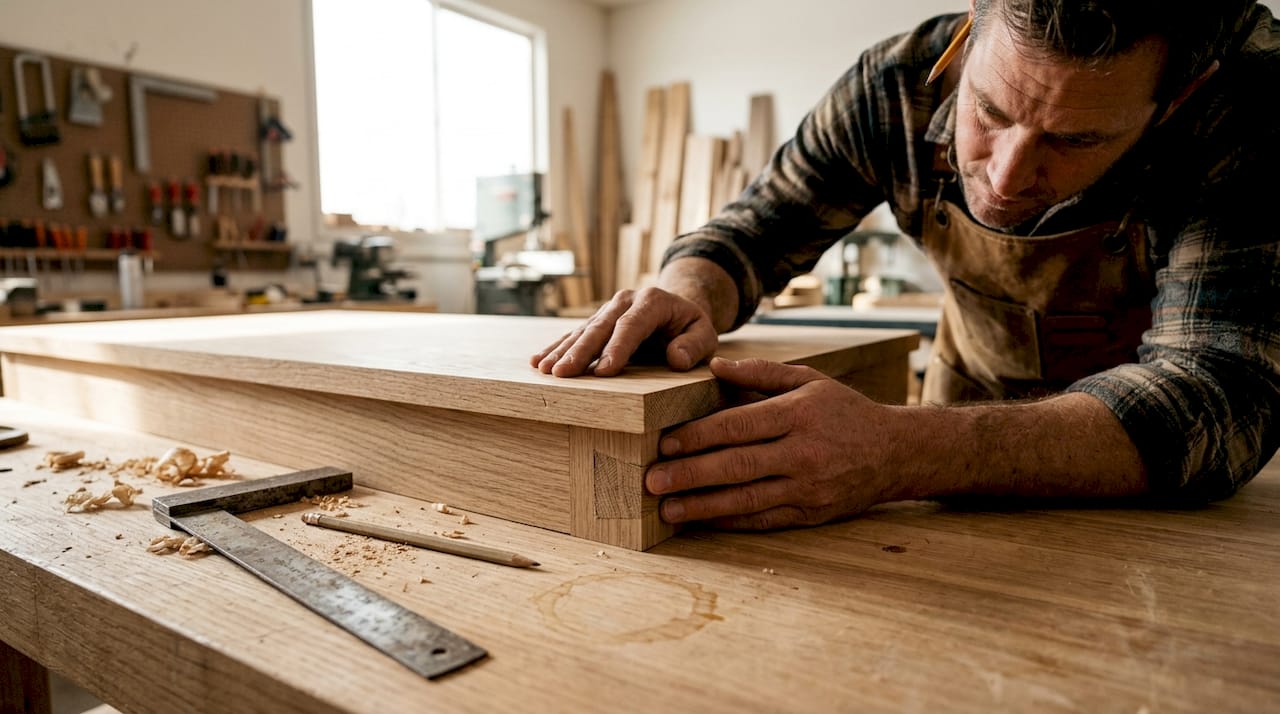
Not all materials age the same way. Some develop a rich patina that adds depth and character. Others fade, chip, or warp—and no amount of styling can disguise the decline. Understanding material performance is one of the most practical skills a discerning homeowner can develop.
Here’s how common furniture materials compare over time:
| Material | Janka Hardness / Durability | Lifespan | Aging Quality |
|---|---|---|---|
| Teak | ~1070 lbf | 25+ years | Develops silver-gray patina |
| White oak | ~1360 lbf | 20+ years | Deepens in tone, very stable |
| Engineered wood | N/A | 8-12 years | Chips and delaminates |
| Top-grain leather | N/A | 15-20 years | Softens and richens |
| Natural stone | Extremely hard | Decades | Gains character with use |
| Engineered stone | Hard | ~8 years | Can crack and dull |
Teak is a standout example. Its 4.5% shrinkage rate outperforms oak’s 10.5%, meaning it moves far less with humidity and temperature changes. That stability translates directly into joints that stay tight and surfaces that stay flat. Natural materials like these last 15+ years while developing patina, whereas engineered stone can begin failing around the eight-year mark.
Materials worth prioritizing in your selections:
- Solid hardwood (teak, white oak, walnut): Structural integrity and visual warmth
- Natural stone (marble, travertine, slate): Weight and permanence that no synthetic replicates
- Top-grain leather: Supple, repairable, and more beautiful with age
- Brushed metals (brass, bronze, stainless): Develop a lived-in quality without looking neglected
Synthetic surfaces—high-gloss MDF, printed laminates, plastic composites—often look impressive in a showroom. But they reveal their limitations quickly. Scratches don’t heal. Edges chip. And there’s no patina, only wear. Understanding why some materials age gracefully while others simply deteriorate is the difference between a purchase and an investment.
This principle applies equally indoors and out. The same logic behind choosing modern patio furniture materials that resist weathering applies to interior pieces facing daily use. For deeper guidance on furniture that lasts through seasons and style cycles, the material decision is always the starting point.
Blending eras: The 80/20 rule for balance and adaptability
Material choice creates a foundation—but how do you keep a home both classic and exciting? Enter the 80/20 rule.
The 80/20 rule is straightforward: build 80% of your space around timeless investment pieces in neutral tones—your sofa, dining table, case goods—and use the remaining 20% for trend-led accents like pillows, rugs, and decorative objects. The result is a room that feels current without being hostage to any single trend cycle.
Here’s how timeless foundations compare to trendy accents in practice:
| Element | Timeless core | Trendy accent | Expected lifespan |
|---|---|---|---|
| Seating | Linen or leather sofa | Velvet throw pillows | Core: 15+ yrs / Accent: 1-3 yrs |
| Tables | Solid oak dining table | Sculptural centerpiece | Core: 20+ yrs / Accent: 2-4 yrs |
| Storage | Walnut sideboard | Woven basket | Core: 20+ yrs / Accent: 1-2 yrs |
| Lighting | Brushed brass pendant | Colorful lampshade | Core: 10+ yrs / Accent: 1-3 yrs |
Implementing the 80/20 rule in your home:
- Audit what you have. Identify which pieces are structural anchors and which are accent-level.
- Invest in the 80% first. Don’t compromise on your sofa, bed, or dining table. These carry the room.
- Choose accents with intention. Trendy doesn’t mean cheap. Quality accents just don’t need to last forever.
- Refresh seasonally. Swap cushions, throws, and small decor to shift the mood without touching the foundation.
- Resist over-coordinating. A room where everything matches perfectly often feels staged, not lived in.
Pro Tip: Updating your space with accent furniture is far less expensive than replacing core pieces. Seasonal swaps keep rooms feeling fresh without disrupting the elegant foundation you’ve built. For a more dramatic refresh, consider adding unique lighting—it changes a room’s entire personality without moving a single piece of furniture.
Designers who practice this approach consistently produce spaces that feel personal and layered rather than showroom-perfect. The trendy vs. timeless balance isn’t a compromise. It’s a strategy. And when you pair it with blending timeless and trendy upgrades, the result is a home that evolves with you rather than against you.
Selecting and maintaining heirloom-worthy luxury furniture
The 80/20 approach makes your space personal, but true luxury lies in selecting and nurturing future heirlooms.
Heirloom furniture isn’t just old furniture. It’s furniture built well enough and designed thoughtfully enough that it deserves to be kept. Investing in heirloom pieces with solid hardwood frames and natural patina materials delivers both elegance and durability that compound over time rather than depreciate.
How to evaluate a luxury piece for true timelessness:
- Check the frame construction. Solid hardwood frames with corner blocks and traditional joinery are non-negotiable for longevity.
- Assess patina potential. Will this material look better in ten years, or just older? Leather, solid wood, and natural stone pass this test.
- Test versatility. Can this piece work in multiple rooms or configurations? Adaptable furniture survives moves, renovations, and life changes.
- Confirm repairability. Are cushions removable? Can hardware be replaced? Is the finish something a craftsman can restore?
“Design for your actual lifestyle and function—not for aspiration alone.”
Maintenance is where most people drop the ball. Even the finest furniture deteriorates without proper care. Key habits that protect your investment:
- Clean with appropriate products. Leather needs conditioning. Wood needs appropriate oils or waxes. Stone needs sealant.
- Control climate. Extreme humidity fluctuations cause wood to expand and contract, stressing joints over time.
- Address damage early. A small scratch or loose joint repaired promptly costs a fraction of what neglect eventually demands.
- Rotate use. Even wear across cushions and surfaces extends life significantly.
Mixing eras adds sophistication that purely matched sets can’t achieve. A mid-century walnut credenza beside a contemporary sofa creates visual tension that feels curated. When choosing a plush, timeless sofa, look for frames and upholstery that can coexist with pieces from different periods. An oversized plush couch in a neutral fabric, for instance, anchors a room without competing with anything around it. The goal is furniture that feels inevitable—as if it could only belong exactly where it is. That quality doesn’t come from a price tag. It comes from timeless design elements applied with intention.
Our perspective: Timelessness isn’t boring—if you do it right
Here’s something the design world doesn’t say loudly enough: safe rooms aren’t timeless rooms. They’re fearful ones.
True timelessness is actually a bold act. Choosing a solid walnut table when everyone else is buying white lacquer takes conviction. Investing in top-grain leather when the trend is bouclé requires confidence in your own taste over the algorithm’s suggestion. That confidence is exactly what produces rooms that feel genuinely personal rather than assembled from a mood board.
We’ve noticed that the most memorable interiors we encounter aren’t the ones where everything coordinates perfectly. They’re the ones where a worn leather chair sits beside a contemporary marble side table, where an antique mirror reflects a modern pendant. The mix creates energy. It tells a story.
The misconception that timeless equals boring usually comes from seeing timeless principles applied without personality. Restraint in materials doesn’t mean restraint in character. If you invest in outdoor furniture that endures and apply the same logic indoors, you’ll find that durable, honest pieces actually give you more creative freedom over time—not less.
Pro Tip: Don’t over-coordinate. Mixing pieces from different eras, regions, and makers adds the kind of layered energy that no single collection can manufacture.
Find your timeless luxury: Next steps for elegant interiors
Ready to bring timeless elegance home? Here’s how you can start building a resilient, luxurious interior.
Understanding the principles behind lasting design is the first step. Putting them into practice is where the real transformation happens. At mytotaltake.com, we’ve curated selections built around exactly these standards: honest materials, quality construction, and designs that earn their place in a room for decades.

Whether you’re anchoring a living room or refreshing a bedroom, explore our luxury furniture for quick delivery to find pieces that balance timeless design with the convenience of fast shipping. For those building a complete interior vision, our timeless home decor deals offer premium options that maintain their elegance and value well beyond the first season. Invest once. Live beautifully for years.
Frequently asked questions
What makes a furniture piece truly timeless?
Clean lines, natural materials, quality craftsmanship, and balanced proportions create furniture that stays elegant and functional for decades, regardless of shifting trends.
How do I balance trends with timeless decor?
Use the 80/20 rule: build your space around 80% classic investment pieces and add 20% trendy accents—like pillows and rugs—for freshness without disrupting the foundation.
Which materials should I prioritize for long-lasting furniture?
Choose solid hardwoods like teak, natural stone, and top-grain leather. These last 15+ years and develop character over time rather than simply showing wear.
Can timeless furniture be luxurious and still practical?
Absolutely. Heirloom-quality pieces use durable materials and thoughtful construction that prove both beautiful and genuinely useful across generations.
Recommended
Comments
[…] Timeless furniture and considered design choices, on the other hand, appreciate in relevance. Homes built with strong design logic hold their visual appeal across decades and command higher resale interest. More importantly, they deliver a quality of daily life that cannot be replicated by simply buying expensive things. […]
[…] Timeless Furniture Design: Lasting Elegance for Upscale Homes […]
[…] direction aligns with your space before committing to any investment. It also pays to study timeless design principles early — they act as guardrails against impulse purchases that age […]
[…] Timeless Furniture Design: Lasting Elegance for Upscale Homes […]







Leave a comment