
Patio Furniture That Looks Great for Years
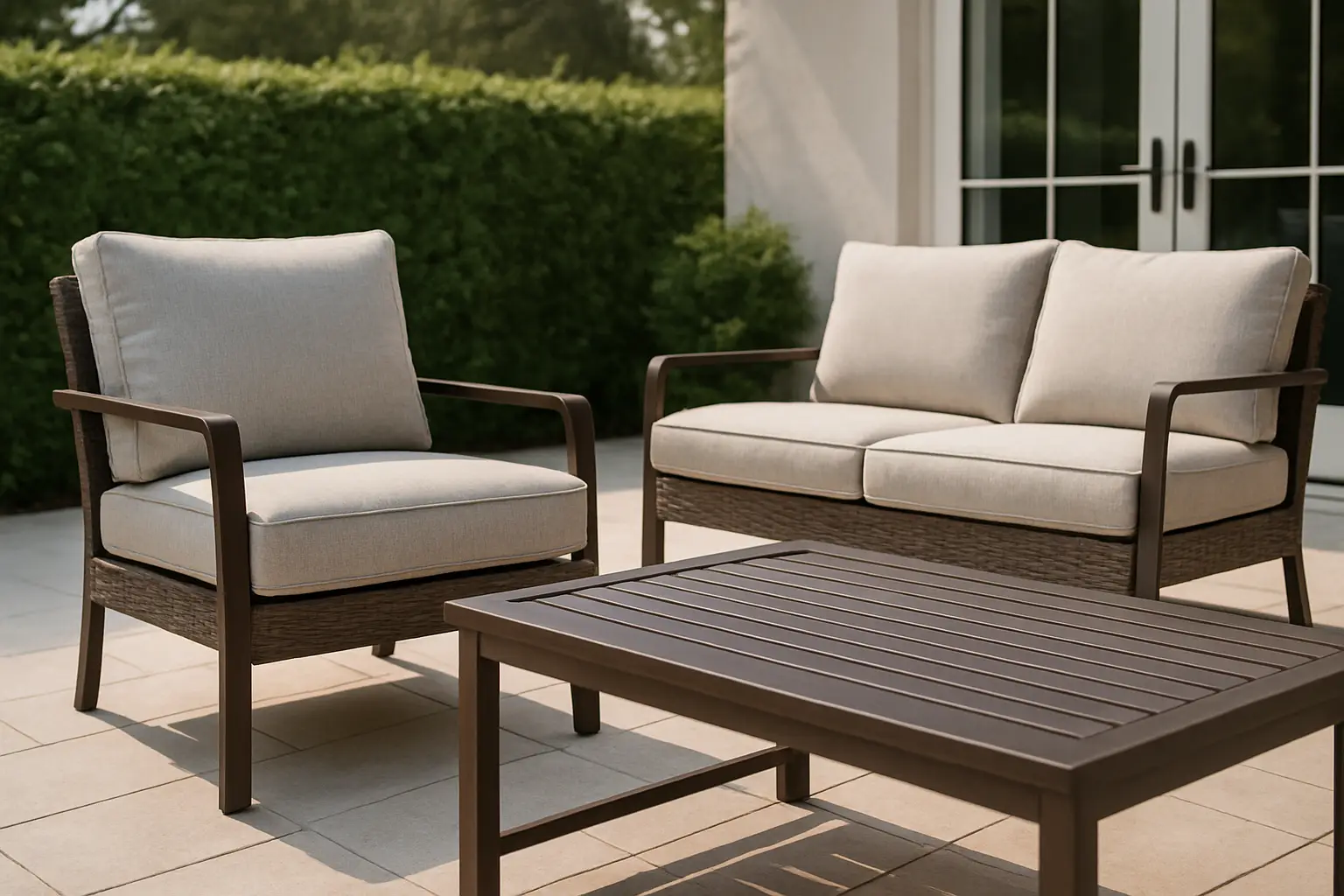
The quickest way to tell if a patio is truly “done” is how it feels at 8 p.m. when the lights are on, drinks are poured, and nobody wants to head inside. If the seating is stiff, the table wobbles, or the cushions hold onto the day’s heat, the whole space reads as temporary. The right patio furniture does the opposite – it turns an outdoor area into a high-end extension of your home, with comfort you actually linger in and materials that stay beautiful through real seasons.
What great patio furniture actually needs to do
Design matters, but outdoor living is a performance category. You are asking furniture to handle sun, temperature swings, rain, spilled citrus, sunscreen, and the occasional enthusiastic dog. That means the “best” choice is rarely about a single feature. It is about the balance between aesthetics, maintenance, and longevity – with a layout that fits how you host.
Start with how you live outside. If your patio is where you eat most summer nights, prioritize a dining set with chairs you can sit in for an hour without shifting. If you treat the space like an outdoor lounge, invest in deep seating first, then add a smaller side table or coffee table that can take condensation and hot plates.
And if your outdoor space is limited, your best move is often fewer, better pieces. A compact conversation set that looks tailored will feel more elevated than stuffing the footprint with mismatched extras.
Patio furniture materials: the real trade-offs
Material is where outdoor furniture either becomes a long-term favorite or a seasonal regret. Every option can look high-end if it’s made well, but each comes with its own truth.
Aluminum: modern, crisp, low stress
Powder-coated aluminum is a standout for contemporary patios because it stays light, resists rust, and keeps clean lines. It is also easy to rearrange if you like to reconfigure for guests. The trade-off is comfort: aluminum frames typically need excellent cushions to feel luxurious, and cheaper builds can feel hollow or flex under weight.
If you love a sleek look and want minimal upkeep, aluminum is usually the easiest “yes,” especially in humid or coastal environments.
Teak and hardwoods: warm, architectural, and honest
Teak is the signature of resort-level outdoor spaces for a reason. It’s naturally weather-resistant, substantial, and gets more character over time. Left alone, it silvers beautifully. Oiled, it stays richer and warmer, but you are signing up for maintenance.
Hardwoods feel exquisite, but they reward consistency. If you know you will cover furniture or store cushions properly, teak can be a lifelong investment. If you want truly hands-off living, you may prefer metal or high-quality resin.
Wicker and resin weave: relaxed, inviting, but quality matters
A woven silhouette softens a patio and reads immediately “lounge-ready.” The key is distinguishing between natural wicker (not ideal outdoors) and all-weather resin weave. Premium resin weaving paired with a sturdy frame is durable and comfortable. Lower-quality weave can stretch, fade, or crack after a few seasons of heavy sun.
If you want that tailored-yet-cozy look, choose a weave that feels dense and structured, with cushions that are thick enough to match the visual comfort.
Steel and wrought iron: substantial and classic
Steel and iron bring weight and permanence – perfect for windy areas or traditional settings. The downside is rust risk if finishes are compromised, plus heat retention in full sun. If your patio bakes in the afternoon, metal seats can become uninviting without cushions.
These materials are best when you love a more classic profile and do not mind occasional touch-ups and protective care.
Cushions: where “outdoor” can still feel luxurious
Cushions are the difference between a patio that looks staged and one that’s genuinely lived in. For a premium feel, look for generous thickness, supportive foam, and covers designed for outdoor exposure.
Performance fabrics handle fading and moisture far better than basic polyester. Still, even the best fabric benefits from smart habits. If rain is coming, stand cushions on their sides to drain, or bring them into a dry spot. If you live somewhere with frequent storms, consider a dedicated storage bench or deck box so your setup stays effortless.
Color is also strategic. Bright whites are stunning and editorial, but they demand more upkeep if you entertain often, have kids, or grill nearby. Soft neutrals, heathered tones, and subtle patterns hide real life while still looking refined.
Choosing a layout that fits your space and your weekends
A beautiful patio isn’t crowded. It’s composed.
For dining, make sure you can comfortably move around chairs without bumping into railings or planters. Round tables are friendlier in tighter spaces and keep conversation flowing. Rectangular tables feel more formal and anchor larger patios, especially when paired with high-backed chairs.
For lounging, think in zones. A sofa and two lounge chairs create a natural conversation area, while sectionals feel like an outdoor living room. The trade-off with sectionals is flexibility: they can dominate a smaller patio and limit traffic paths. If you like to host in different ways, modular seating can give you the look of a sectional with the option to rearrange.
If you are working with a balcony or a narrow patio, prioritize vertical comfort. Slim-profile lounge chairs, a small bistro table, or a loveseat with a compact depth can deliver a curated feel without sacrificing walking space.
Weather and location: buy for your reality
Outdoor furniture decisions should reflect your zip code.
In high-sun climates, UV resistance is non-negotiable. Dark finishes and fabrics can look dramatic, but they will show fading faster if materials are not top-tier. In humid regions, rust resistance and quick-drying cushions become more important than almost anything else.
In coastal areas, salt air is relentless. Aluminum and premium resin often outperform steel here, and hardware quality matters more than most people expect. In colder climates, consider how easily you can store or cover pieces for the off-season. A furniture set that stacks or nests can be a quiet luxury – it keeps your space organized and protects the investment.
The details that signal “high-end” instantly
Two patio sets can have similar silhouettes and wildly different presence. What separates premium patio furniture is usually the unglamorous stuff: joinery, finish consistency, cushion tailoring, and stability.
Check how pieces feel when you move them. Do chairs wobble? Does the table rack when you apply pressure? Are the armrests comfortable at a natural height, or do they feel like an afterthought?
Look closely at seams and zippers on cushions. Clean, tight stitching and well-fitted covers are often a sign the manufacturer cared about longevity. For frames, a smooth powder coat without rough patches or thin spots is a strong indicator of better finishing.
If you are shopping online, prioritize clear product specs and support. A curated retailer should make it easy to understand materials, dimensions, and care, and should back purchases with reassuring policies. That is part of why shoppers building elevated outdoor spaces often start with a premium storefront like mytotaltake.com, where the selection is filtered toward design-forward pieces and the buying experience is built around confidence.
Care that preserves the “new” feeling
Patio furniture can absolutely stay photo-ready, but it needs a rhythm.
A quick wipe-down every week or two prevents grime from settling into finishes. Mild soap and water is usually enough for frames. For cushions, spot cleaning immediately after spills is the difference between a small moment and a permanent reminder.
Covers help, but only if they fit well and allow airflow. Trapping moisture can be worse than leaving furniture exposed. If your patio stays shaded and damp, breathable covers and occasional airing-out are worth it.
At the end of the season, store cushions indoors if possible. If not, place them in a sealed storage solution that keeps out moisture and pests. This one step tends to extend the life and appearance of outdoor textiles dramatically.
Buying smarter: invest where it counts
If you want a patio that feels intentionally designed, spend more on the pieces you touch most. Seating and the primary table are the anchors. Side tables, poufs, and occasional chairs can be added over time.
It also helps to decide what you want your patio to be known for. If it is the “host” patio, allocate budget toward a stable dining setup and extra seating options. If it is a personal retreat, prioritize a chaise, a deep lounge chair, or a sofa that makes you want to read outside.
And if you are tempted by a trend silhouette, ask one practical question: will you still love it after a week of real use? The most elevated outdoor spaces do not chase novelty. They choose pieces that feel timeless, then style them with lighting, greenery, and textiles that can evolve.
A patio should feel like an invitation, not a project. When your furniture is comfortable, composed, and built to last, you stop “setting up the outdoors” and start living there – morning coffee, late-night conversations, and all the in-between moments that make a home feel complete.
Best Standing Desk for a Home Office in 2026
Smart Home Upgrades That Feel Truly Premium
Comments
[…] Consider how luxury fireplace furniture can anchor an entire living room, or how carefully crafted lasting patio furniture extends the same level of quality to outdoor […]
[…] are built around lasting design logic versus seasonal appeal. For outdoor spaces, investing in long-lasting patio furniture follows the same framework: materials, brand, and enduring design drive real […]
[…] Patio Furniture That Looks Great for Years […]







Leave a comment