
Handmade Furniture: Craftsmanship, Style & Lasting Value
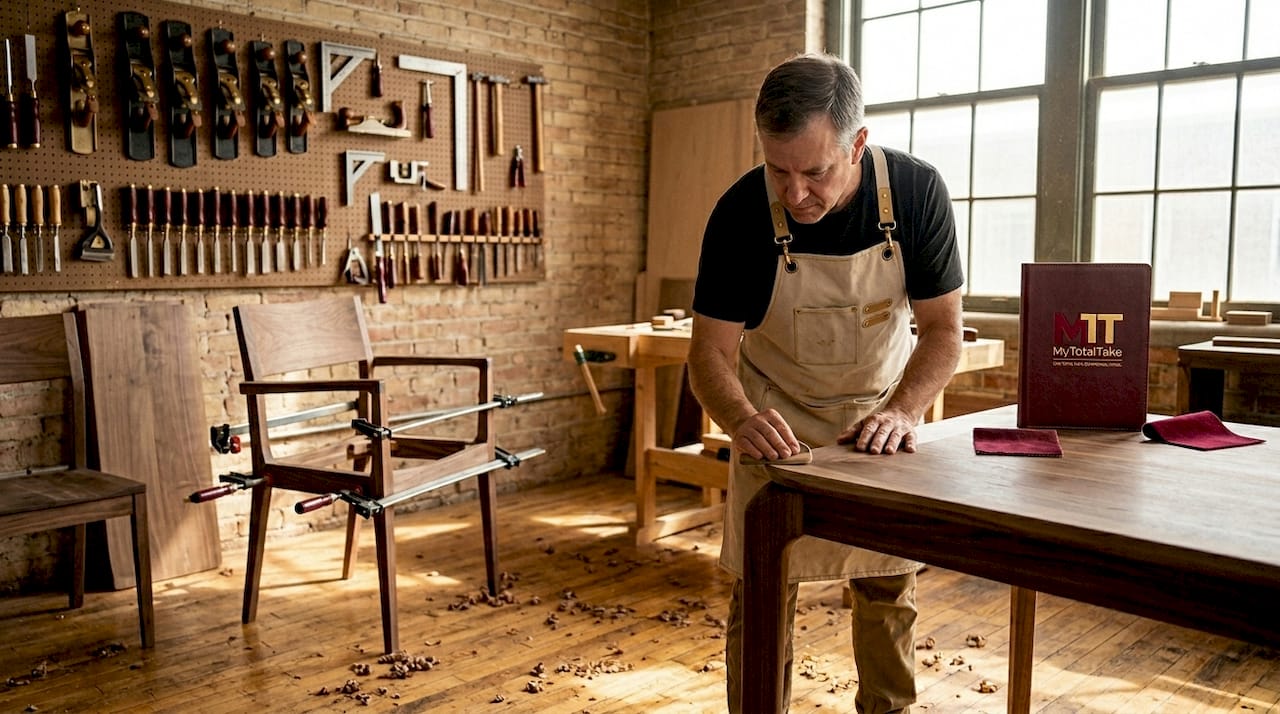
Handmade furniture occupies a rare space where art and function converge. Many affluent homeowners assume the term simply means “custom built,” but the reality runs far deeper than a tailored dimension or a chosen fabric. True handmade furniture represents generations of accumulated skill, an intimate relationship between artisan and material, and a level of intentionality that no factory line can replicate. If you have ever stood in a beautifully appointed room and felt drawn to one particular piece without fully understanding why, there is a strong chance that piece was made by hand. This guide will help you understand exactly what that means and how to make choices you will treasure for decades.
Table of Contents
- What defines handmade furniture?
- Handmade vs mass-produced furniture: Key differences
- Why handmade furniture matters for upscale homes
- Choosing the right handmade furniture for your home
- What most people miss about handmade furniture
- Elevate your home with true craftsmanship
- Frequently asked questions
Key Takeaways
| Point | Details |
|---|---|
| Handmade furniture definition | Handmade furniture is crafted by artisans using traditional techniques and high-quality materials. |
| Luxury and durability | Handmade pieces last longer and add unique style to upscale homes. |
| Investment value | Handmade furniture often holds or increases its value over time due to exclusivity and craftsmanship. |
| Practical selection tips | Choose pieces based on room function, material quality, and artisan credentials for best results. |
| Embracing imperfections | Imperfections are signatures of true craftsmanship that enhance the authenticity of handmade pieces. |
What defines handmade furniture?
Handmade furniture is any piece where a skilled artisan performs the majority of construction by hand, using traditional or specialized tools rather than automated production machinery. The key word here is skill. A craftsperson who has spent years mastering joinery, carving, or upholstery brings judgment and intuition to every cut and curve that a machine simply cannot exercise.
It is worth distinguishing handmade from related terms you will often hear. Custom furniture means a piece built to your specifications, but it can still be factory produced. Bespoke furniture goes further, typically involving one or more fittings and direct consultation with the maker. Handmade furniture focuses specifically on the production method, the extent to which human hands shape the final result. A bespoke sofa could also be handmade; the terms are not mutually exclusive, but they are not interchangeable.
The role of craftsmanship in home decor is hard to overstate. Artisans who produce fine furniture often spend thousands of hours learning techniques such as mortise and tenon joinery, hand dovetailing, and hand carving before they ever produce a piece for sale. These methods create structural bonds and visual details that outperform machine equivalents in both strength and beauty.
Materials also tell the story. Handmade pieces frequently feature solid hardwoods like white oak, walnut, and cherry, premium metals forged or cast in small batches, and natural textiles woven or dyed in limited quantities. The sourcing is deliberate. Every material decision reflects both aesthetic vision and a commitment to longevity.
Key characteristics of genuine handmade furniture:
- Evidence of hand tool marks or slight variation in surface texture
- Joinery that relies on interlocking wood components rather than only screws and glue
- Natural material choices with visible grain, texture, or patina
- Proportions and details that show human adjustment and refinement
- A maker’s mark, signature, or studio documentation
Pro Tip: When evaluating a claimed handmade piece, turn it over or look underneath. Factory furniture typically shows uniform machine routing and stapled upholstery. Genuine handmade work often reveals careful hand stitching, hand-cut tenons, and thoughtful finishing on surfaces that are rarely seen.
Handmade vs mass-produced furniture: Key differences
Understanding what handmade means, let’s explore how it stands apart from mass-produced alternatives. The difference goes well beyond price. It touches on material quality, structural integrity, aesthetic depth, and the long-term story a piece tells inside your home.
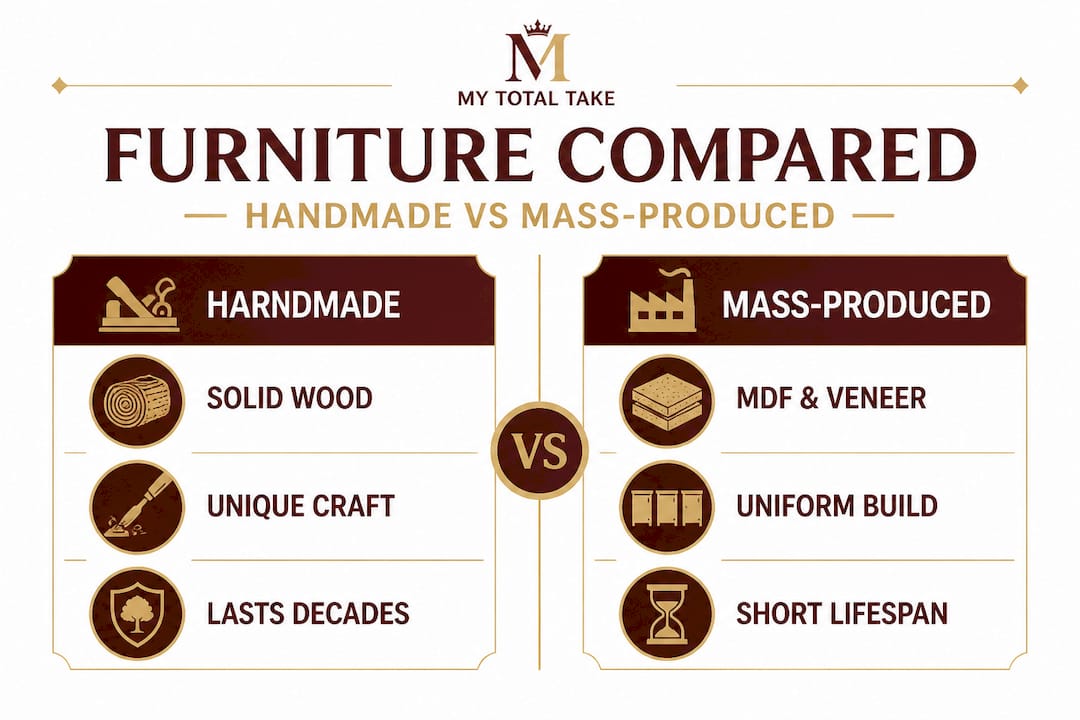
| Feature | Handmade furniture | Mass-produced furniture |
|---|---|---|
| Construction | Hand joinery, artisan techniques | Automated assembly, staples, dowels |
| Materials | Solid hardwoods, premium natural fabrics | Particleboard, MDF, synthetic fabrics |
| Uniqueness | One of a kind or small batch | Identical to thousands of others |
| Lifespan | Decades to generations | Often 5 to 10 years |
| Repairability | Highly repairable by skilled craftspeople | Difficult or impossible to restore |
| Resale value | Retains or appreciates in value | Depreciates rapidly |
| Environmental impact | Lower long-term waste due to longevity | Higher turnover, more landfill contribution |
The durability contrast is striking. Mass-produced furniture typically relies on medium density fiberboard and engineered wood that absorbs moisture, swells, and weakens over time. A handmade piece built from solid walnut or white oak, joined with traditional mortise and tenon techniques, can realistically last a century with appropriate care. That is not marketing language. That is the structural reality of solid wood joinery versus particle board construction.
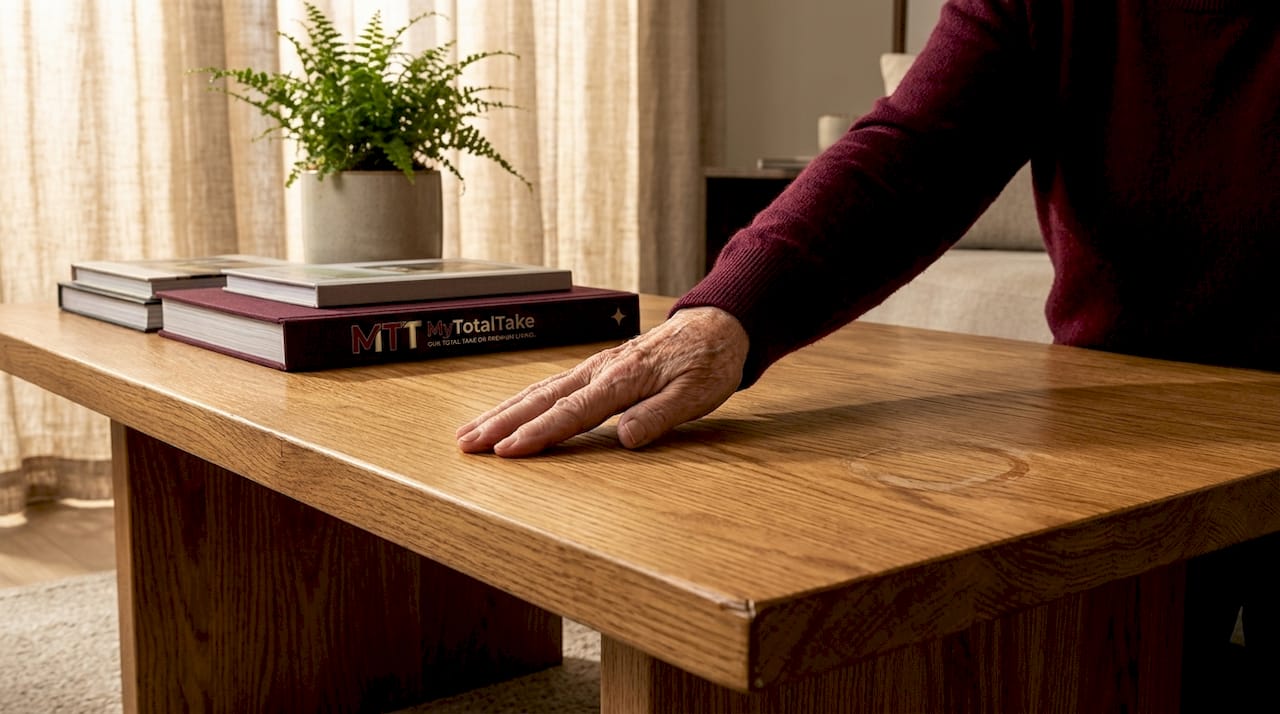
The aesthetic difference is equally significant. Timeless furniture design is never accidental. Handmade pieces carry proportional refinements that come from an artisan’s trained eye, the subtle taper on a table leg, the gentle curve of a chair back, the way a drawer front sits flush within its frame. These details are the product of deliberate human choices, and they read differently in a room than machine precision ever can.
From an investment perspective, the value of design furniture is increasingly recognized by collectors and interior designers alike. Handmade pieces from reputable studios have sold at auction for multiples of their original price. Even outside the auction world, a well-made solid wood dining table holds its value far better than a factory alternative.
Four things affluent buyers should prioritize when evaluating furniture quality:
- Confirm the primary structure is solid wood, not veneer over engineered board.
- Examine joinery closely. Hand-cut dovetails and mortise and tenon joints signal genuine craftsmanship.
- Ask for provenance. Reputable makers document their process and materials.
- Sit in, open, and move the piece. Quality handmade furniture feels different, substantial, smooth in operation, and completely stable.
“A piece of handmade furniture is not simply an object. It is a decision that says something clear about how you live, what you value, and how you think about your home’s future.”
Why handmade furniture matters for upscale homes
With the differences clear, let’s look at why handmade furniture is so sought after in luxury settings. The answer is not simply prestige, though exclusivity is certainly part of the picture. The deeper reasons connect to how a home functions, feels, and evolves over time.
Handmade pieces elevate interiors precisely because no two are identical. A premium home decor strategy built around handmade furniture creates rooms that have a distinctive signature. Guests notice the difference even when they cannot name it. There is a warmth and visual complexity to natural materials shaped by human hands that manufactured goods simply cannot replicate.
Sustainability is a growing consideration for discerning homeowners. Because handmade furniture is built to last generations, it represents a far smaller environmental footprint per year of use than furniture replaced every decade. Many independent makers also source materials from certified sustainable forests and use non-toxic finishes, adding another layer of conscious production.
Status, of course, plays a role. Owning a handcrafted dining table from a recognized studio or commissioning a one-of-a-kind library from a master woodworker communicates taste and intentionality. It says you chose quality over convenience, artistry over availability.
The experience of living with handmade furniture also evolves in ways factory pieces cannot match. A solid oak credenza develops a richer patina over decades. A hand-stitched leather chair softens and molds to the way you sit. These pieces grow with you. Consider how luxury fireplace furniture can anchor an entire living room, or how carefully crafted lasting patio furniture extends the same level of quality to outdoor spaces.
Benefits of handmade furniture for affluent homeowners:
- Unmatched visual distinctiveness in every room
- Structural longevity that outlasts trends and renovations
- Potential for heirloom transfer across generations
- Greater repairability through skilled restoration
- Alignment with sustainable, conscious consumption values
- A direct relationship with the maker and the story behind each piece
- Emotional value that deepens with time rather than fading
Studies suggest that homeowners prioritizing exclusivity in decor decisions are more satisfied with their interiors long-term, precisely because uniqueness does not fade the way trends do. When a piece is genuinely one of a kind, it never looks dated in the way that mass-produced styles do when the next catalog season arrives.
Choosing the right handmade furniture for your home
Ready to invest? Here’s how to select pieces that bring true value to your space. The process is more rewarding than shopping a showroom floor, but it does require a more deliberate approach.
Start with your room’s function and light. A dining room calls for a table and chairs that balance visual presence with everyday durability. A study needs storage and work surfaces that reward long hours with comfort. Natural light affects how wood tones read throughout the day, so always view material samples in the actual room where the piece will live.
Room-by-room guide to handmade furniture priorities:
| Room | Priority | Recommended materials | Key detail |
|---|---|---|---|
| Living room | Comfort and visual anchor | Solid walnut, linen, leather | Joinery, cushion quality |
| Dining room | Durability and presence | White oak, solid hardwood | Table joinery, chair comfort |
| Bedroom | Warmth and calm | Cherry, maple, natural textiles | Drawer slides, finish quality |
| Study or library | Storage and focus | Dark hardwoods, brass hardware | Shelf load capacity, fit |
| Outdoor spaces | Weather resistance | Teak, stainless, Sunbrella fabric | Joinery seals, finish type |
When it comes to living room selections, cloud couch living room ideas show how deep comfort and refined aesthetics can coexist. The same principle applies to handmade seating. You should not have to sacrifice one for the other. And if you are drawn to color as a design tool, even a pink loveseat sofa can serve as a sophisticated focal point when its construction quality matches its visual ambition.
How to ensure authenticity and long-term value:
- Research the maker’s background, including training, studio history, and past commissions.
- Request a material specification sheet listing wood species, fabric sources, and finish type.
- Ask about repair and restoration services. The best makers stand behind their work for decades.
- Visit the studio if possible. Seeing the process firsthand builds confidence and often deepens your appreciation for the final piece.
- Understand lead times. Handmade furniture is rarely available off the shelf. Typical lead times run from six to twenty weeks depending on complexity.
Pro Tip: Before placing an order with an artisan or studio, ask specifically: “How do you handle structural repairs 10 or 20 years from now?” A maker who answers confidently with a clear process is someone who builds furniture with the future in mind. That answer alone tells you more about quality than any showroom photo.
What most people miss about handmade furniture
After all the practical guidance, let’s step back and look at handmade furniture through a different lens. Here is something most design enthusiasts, even experienced ones, get wrong: they expect handmade furniture to be flawless.
It is not. And that is precisely the point.
A slight variation in grain matching, a hairline shadow from a hand-cut joint, a subtle asymmetry in a carved detail. These are not defects. They are the fingerprints of the maker. They are evidence that a human being, with trained judgment and genuine skill, made a decision in the moment of construction. The furniture carries that moment forward.
The obsession with factory-level perfection actually works against the buyer. When you reject a piece because the grain does not match symmetrically on both drawer fronts, you are applying a machine standard to a human art form. That is a category error. True luxury in furniture is not the absence of variation. It is the presence of intentionality, where every choice, including the choice to let the wood speak for itself, reflects mastery rather than compromise.
The other thing people miss is the long arc of a handmade piece. It does not look its best on delivery day. It looks its best in twenty years, when the finish has mellowed, the wood has deepened, and the piece has absorbed the light and life of the room it inhabits. That evolution is the whole story. Mass-produced furniture depreciates and deteriorates from day one. Handmade furniture appreciates in presence, even as its monetary value holds steady or climbs.
We encourage you to reframe how you evaluate these pieces. Do not ask “is this perfect?” Ask instead, “does this reflect genuine skill, thoughtful material choice, and the kind of construction that will outlast everything else in this room?” When the answer is yes, the investment is not just justified. It is obvious.
Elevate your home with true craftsmanship
Inspired by the importance of craftsmanship? The next step is finding pieces that meet that standard without compromise.

At mytotaltake.com, we curate only the pieces that earn their place in a well-appointed home. Whether you are searching for a statement dining table, a refined accent chair, or a complete living room anchor, our collections are selected with the same criteria we have outlined here: quality of construction, authenticity of materials, and the kind of lasting elegance that grows more beautiful with time. Explore luxury decor that brings genuine artistry into your space, or read our designer furniture insights to sharpen your eye further. When you are ready to browse our full exclusive furniture selection, you will find pieces that reflect everything this guide has described, made to last, made with intention, and made for homes that take quality seriously.
Frequently asked questions
How can I verify a piece is truly handmade?
Ask for detailed information about the artisan’s background and training, review material and technique documentation, and look closely for the subtle marks and slight variations that only genuine hand craftsmanship produces.
Is handmade furniture worth the higher price?
Yes. Handmade furniture delivers superior structural durability, genuine uniqueness, and significantly better long-term and resale value compared to mass-produced alternatives, making it a sound investment for any serious home.
What are typical materials used in handmade furniture?
Premium solid hardwoods like walnut, oak, and cherry are most common, alongside hand-forged metals, natural leathers, and sustainably sourced fabrics that support both longevity and aesthetic exclusivity.
Does handmade furniture require special care or maintenance?
Routine care is straightforward, typically periodic oiling or waxing for wood surfaces, but the craftsmanship itself is engineered for decades of use and is far more repairable than factory alternatives when wear does occur.
Can handmade furniture be customized for my home?
Absolutely. Most skilled artisans and studios welcome customization requests covering dimensions, wood species, finish tones, fabric selection, and hardware choices, giving you a piece that fits your space and taste precisely.
Recommended
Comments
[…] This setup works well in square living rooms where a centered coffee table can anchor the space. The visual payoff is immediate – the room feels composed, intentional, and easy to style. It is an especially appealing choice if your aesthetic leans contemporary, with sculptural lighting, tonal rugs, and refined materials. […]
[…] whether you are evaluating a hand-knotted rug from Oaxaca, a blown-glass vessel from Murano, or a handmade furniture piece from a local […]
[…] same logic applies beyond fashion. When I look at handmade furniture craftsmanship or premium home decor, I apply identical criteria. Materials, construction method, design […]







Leave a comment