
Discover 7 home decor styles for luxury living spaces
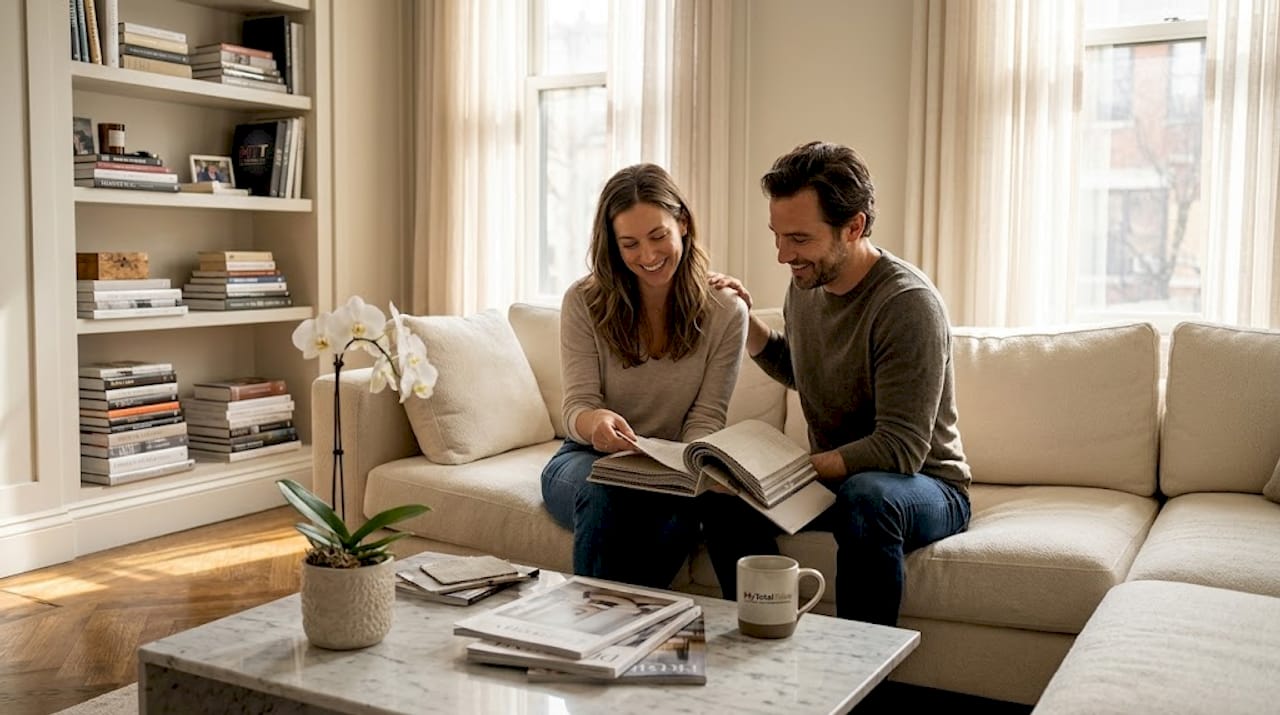
Choosing a luxury home decor style sounds like a privilege problem until you’re standing in a showroom surrounded by marble samples, velvet swatches, and competing visions of what “refined” actually means. The options are genuinely overwhelming, even for the most discerning homeowners. The right style does more than fill a room. It amplifies your personality, signals taste, and creates an atmosphere that feels intentional rather than assembled. This guide breaks down seven standout luxury decor styles, gives you a clear decision framework, and shows you how to blend them into a space that feels unmistakably yours.
Table of Contents
- How to choose a luxury home decor style
- The 7 essential luxury home decor styles
- Side-by-side comparison: Which style fits your space best?
- How to blend and personalize luxury styles
- Real-world perspective: Why signature style often trumps trends
- Elevate your living space with curated luxury decor
- Frequently asked questions
Key Takeaways
| Point | Details |
|---|---|
| Style selection framework | A clear framework helps you confidently choose and personalize luxury decor styles. |
| Signature style traits | Each top decor style offers distinct materials, colors, and luxury applications. |
| Blending for impact | Careful blending of styles creates curated, harmonious interiors. |
| Trend vs. personalization | Prioritizing your unique taste over fleeting trends ensures timeless elegance. |
| Smart, sustainable luxury | The latest luxury interiors embrace technology and biophilic design for experiential living. |
How to choose a luxury home decor style
Before you fall in love with a mood board, define what you actually want your home to feel like. Is it serene and gallery-calm? Warm and layered with history? Boldly geometric and glamorous? Your emotional vision is the foundation. Everything else builds from it.
Once you have that anchor, evaluate each style against five key criteria:
- Material quality: Does the style favor natural stone, solid wood, hand-knotted textiles, or precision metalwork? Premium materials are non-negotiable in luxury spaces.
- Color palette: Are you drawn to warm neutrals, jewel tones, or moody monochromes? Palette sets the emotional temperature of a room.
- Lines and shapes: Clean and geometric, or organic and curved? This determines whether a space feels structured or fluid.
- Historical vs. modern influence: Some styles carry centuries of craft heritage; others are rooted in present-day innovation.
- Flexibility: Can the style absorb accent pieces from other aesthetics without losing coherence?
Balance is everything. Mixing styles creates curated luxury but requires unity through color, proportion, and repeated silhouettes to avoid visual chaos. A modern plush sofa anchored by a consistent palette, for example, can bridge two very different aesthetics seamlessly.
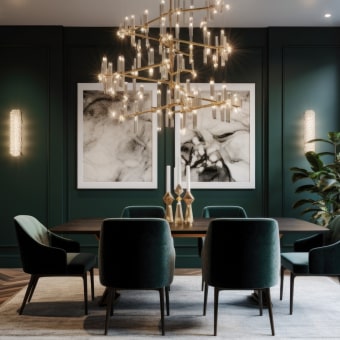
Pro Tip: Choose one “lead” style that governs your largest surfaces and architectural choices. Then layer in accents from a secondary style for depth. Think of it as 80% foundation, 20% personality. A crystal chandelier dining room moment, for instance, can inject Art Deco drama into an otherwise Scandinavian-minimalist space.
With a selection strategy in place, explore the standout decor styles available for sophisticated homes.
The 7 essential luxury home decor styles
Each of these styles has earned its place in high-end interiors for a reason. Here’s what makes each one distinctive.
-
Scandinavian: Clean lines and natural materials like wood and stone define this style, with neutral tones (white, warm beige, soft gray) creating a timeless sense of hygge. Luxury application: Pair raw oak surfaces with cashmere throws and handcrafted ceramics. A small white cloud couch fits perfectly here.
-
Traditional: Formal elegance with carved wood, rich colors like burgundy and navy, and heavy fabrics like velvet. Luxury application: Commission bespoke millwork and invest in heirloom-worthy antique or reproduction pieces.
-
Minimalism: Simplicity, clean lines, and monochromatic schemes now evolve toward warmer neutrals and tactile materials in luxury contexts. Luxury application: Every object earns its place. One sculptural vase outperforms a shelf of decorative clutter.
-
Midcentury Modern: Organic curves and clean lines from the 1950s and 60s, with teak wood and bold accent colors. Luxury application: Source original or high-quality reproduction pieces. Authenticity matters here.
-
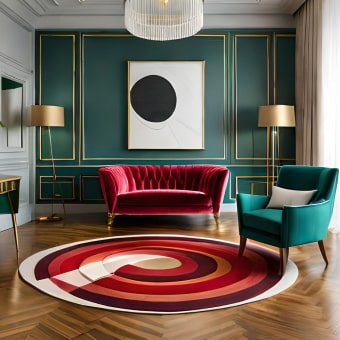
Art Deco: Geometric motifs, jewel tones, and metallics create glamorous, statement-driven spaces. Luxury application: Gold inlay, lacquered surfaces, and dramatic lighting make this style sing.
-
Contemporary: Blends current trends for a fresh, evolving feel. Moody standalone spaces over open-plan layouts are a rising signature. Luxury application: Integrate smart home tech upgrades invisibly into the design.
-
Quiet Luxury / Old Money: Understated opulence with natural materials, biophilic elements, and concealed technology. Luxury application: Linen drapery, aged brass hardware, and nothing that shouts.
“The move in luxury interiors is clearly toward warmth, texture, and sustainable materials. Cold minimalism is giving way to spaces that feel genuinely lived in and deeply personal.” — Interior design trend report, 2026
After examining the core traits of each style, a side-by-side comparison brings clarity to your shortlist.
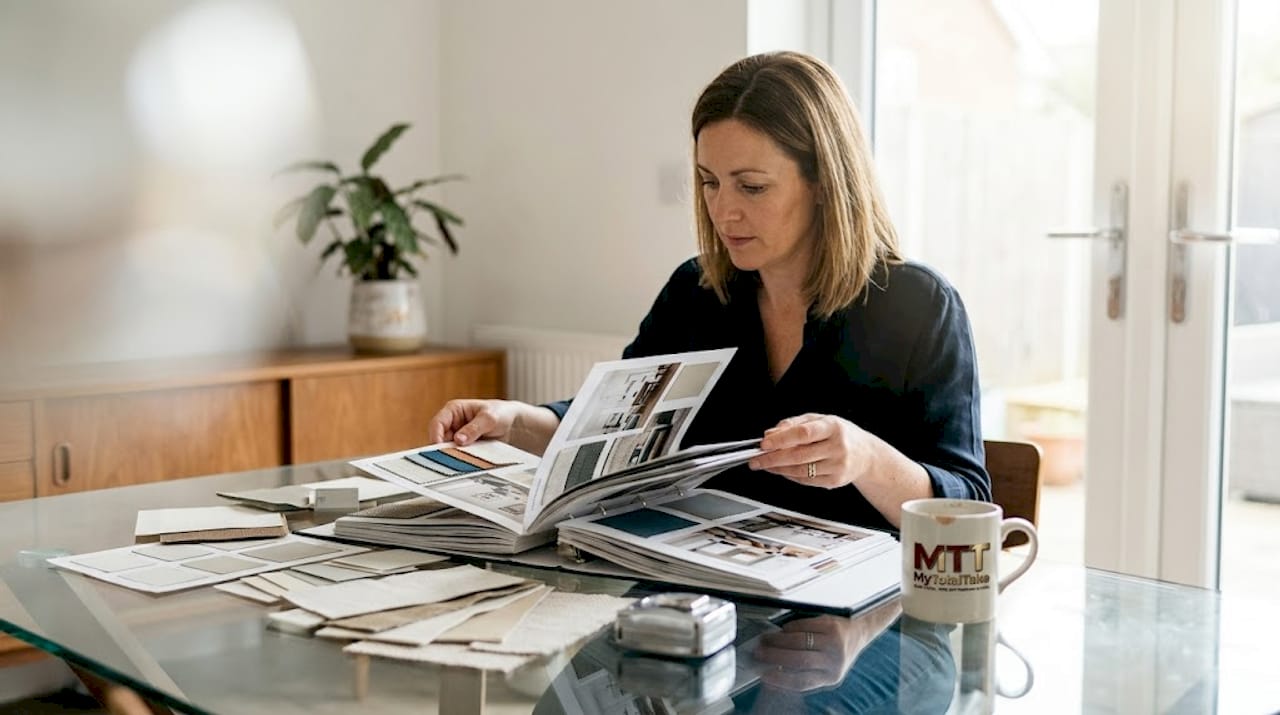
Side-by-side comparison: Which style fits your space best?
Data from 18 million design projects shows that Modern, Contemporary, and core Luxury styles account for 65% of global interior design choices, with hybrid aesthetics and regional preferences (particularly Luxury in Asia and the Middle East) rising fast.
| Style | Defining features | Key materials and colors | Best rooms | Luxury upgrade idea |
|---|---|---|---|---|
| Scandinavian | Clean lines, cozy warmth | Oak, linen, white and beige | Living room, bedroom | Handwoven textiles, custom joinery |
| Traditional | Formal, heritage-rich | Carved wood, velvet, burgundy | Dining room, study | Bespoke millwork, antique art |
| Minimalism | Restrained, tactile | Concrete, stone, warm neutrals | Bathroom, bedroom | Sculptural single-piece furniture |
| Midcentury Modern | Organic curves, retro | Teak, leather, mustard tones | Living room, office | Authenticated vintage pieces |
| Art Deco | Geometric, glamorous | Gold, lacquer, jewel tones | Entryway, bar room | Custom metalwork, statement lighting |
| Contemporary | Trend-forward, fluid | Mixed materials, moody tones | Any room | Concealed smart tech integration |
| Quiet Luxury | Understated, experiential | Linen, marble, aged brass | Entire home | Biophilic design, bespoke art |
For your modern patio furniture set or outdoor extensions, Contemporary and Scandinavian translate beautifully beyond interior walls. Even vessel sinks for bathrooms become a statement detail that ties your chosen style into every corner of the home.
Affluent homes often blend two or three styles, but the most admired spaces always have one dominant aesthetic that anchors the entire narrative.
While this table streamlines your options, choosing the right style also depends on your lifestyle and space priorities.
How to blend and personalize luxury styles
Intentional blending is the difference between a curated home and a cluttered one. The goal is not to pick one style and follow it rigidly. It’s to build a visual language that feels coherent even when it draws from multiple sources.
Here’s how to layer styles without losing elegance:
- Unify through color: Even when materials and silhouettes vary, a consistent palette creates visual calm. Choose two or three tones and repeat them across every room.
- Repeat shapes: If your primary style uses curved furniture, echo those curves in your lighting, mirrors, and decorative objects.
- Contrast materials intentionally: Rough linen against polished marble. Matte wood against brushed brass. Contrast adds richness when it’s planned.
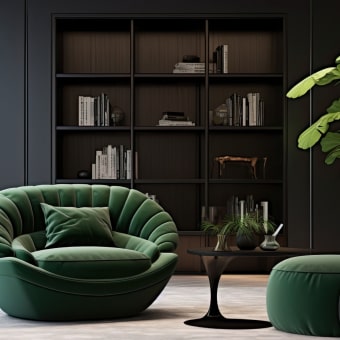
- Anchor with a statement piece: A sculptural sofa, a commissioned artwork, or a dramatic light fixture gives the eye a place to rest and the room a clear identity. A bubble sofa blue is exactly the kind of piece that commands a room while inviting conversation.
Eclectic blending works when color, proportion, and repeated silhouettes provide the underlying structure. Without that structure, even beautiful individual pieces feel disconnected.
Pro Tip: For 2026, luxury design is shifting toward warmth, texture, and sustainability over stark minimalism. Integrate concealed smart technology and biophilic touches like living walls, natural stone, and indoor greenery to create spaces that feel both current and timeless.
Customization is the final layer. Commissioned furniture, original artwork, and bespoke textiles are what separate a well-decorated home from a truly personal one. These pieces carry your story, and no catalog can replicate that.
With a sense of how styles blend, consider the unique lessons and pitfalls from design professionals’ experiences.
Real-world perspective: Why signature style often trumps trends
There’s a quiet trap in luxury home design: chasing every trend until your space looks like a showroom that can’t decide what it sells. We’ve seen it happen in homes with unlimited budgets. The rooms are beautiful in isolation. Together, they feel like a hotel lobby designed by committee.
The homes that genuinely impress have something different. They have a clear point of view. You walk in and immediately sense the owner’s personality, their travels, their values. That kind of coherence doesn’t come from following trend reports. It comes from knowing what you love and editing ruthlessly.
Trends are useful as inspiration, not instruction. A modern electric fireplace might be trending, but it earns its place only when it genuinely fits your space and your aesthetic. The most admired interiors carry curated restraint and meaningful layers, not just the latest finishes.
Build your signature first. Let trends serve it.
Elevate your living space with curated luxury decor
The right piece in the right room doesn’t just fill space. It transforms how a room feels, how guests experience it, and how you live in it every day. Thoughtful, high-end selections are what separate a beautiful home from an extraordinary one.
At mytotaltake.com, we curate only what genuinely earns a place in a discerning home. From luxury crystal chandeliers that anchor a dining room with instant drama to express luxury furniture delivered with the speed your project deserves, every piece is selected for craftsmanship, longevity, and lasting elegance. Browse our full collection and find the pieces that complete your vision.
Frequently asked questions
What are the top luxury home decor styles for 2026?
The leading luxury styles include Quiet Luxury, Contemporary, Scandinavian, Traditional, Minimalism, Midcentury Modern, and Art Deco. Modern and Contemporary styles alone account for a dominant share of global design projects, with hybrid aesthetics rising quickly.
How do I blend different home decor styles without making my space feel chaotic?
Use a consistent color palette, repeat key shapes across furniture and accessories, and keep one style as the dominant foundation. Eclectic blending succeeds when color, proportion, and repeated silhouettes provide underlying structure.
What’s the difference between Contemporary and Modern decor?
Modern refers specifically to mid-20th-century design rooted in the 1950s and 60s, while Contemporary reflects the latest trends and blends current styles for a fresh, evolving feel.
How does technology fit into luxury home decor in 2026?
Luxury design now integrates concealed smart technology that enhances comfort and aesthetics without visual distraction, keeping the focus on materials and craftsmanship rather than gadgetry.
Recommended
Why upgrade home technology? Unlock luxury & value
Comments
[…] our luxury decor inspiration to find pieces that complement your upgraded spaces, or discover how dining room elegance can […]
[…] luxury decor styles before committing to a direction will help you align your instincts with a coherent visual […]
[…] different luxury home decor styles will help you identify which aesthetic direction aligns with your space before committing to any […]
[…] retreats are increasingly where discerning homeowners focus attention. Explore the full range of luxury decor styles to find an approach that suits your space’s specific […]
[…] outdoor luxury is also about the seamless flow between your interior and exterior. When luxury home styles extend naturally from inside the home to the terrace or garden, the entire property feels […]
[…] flexibility is what makes contemporary style a natural fit for luxury decor styles at every scale. You’re not bound by rules. You’re guided by taste. For those who want to […]
[…] basic understanding of the 60-30-10 color rule: 60% dominant color, 30% secondary, 10% […]
[…] accents to your existing home décor styles is more forgiving than most people assume. A hand-thrown ceramic vase in warm terracotta reads well […]







Leave a comment