
Types of Crafted Home Accents That Transform Any Room
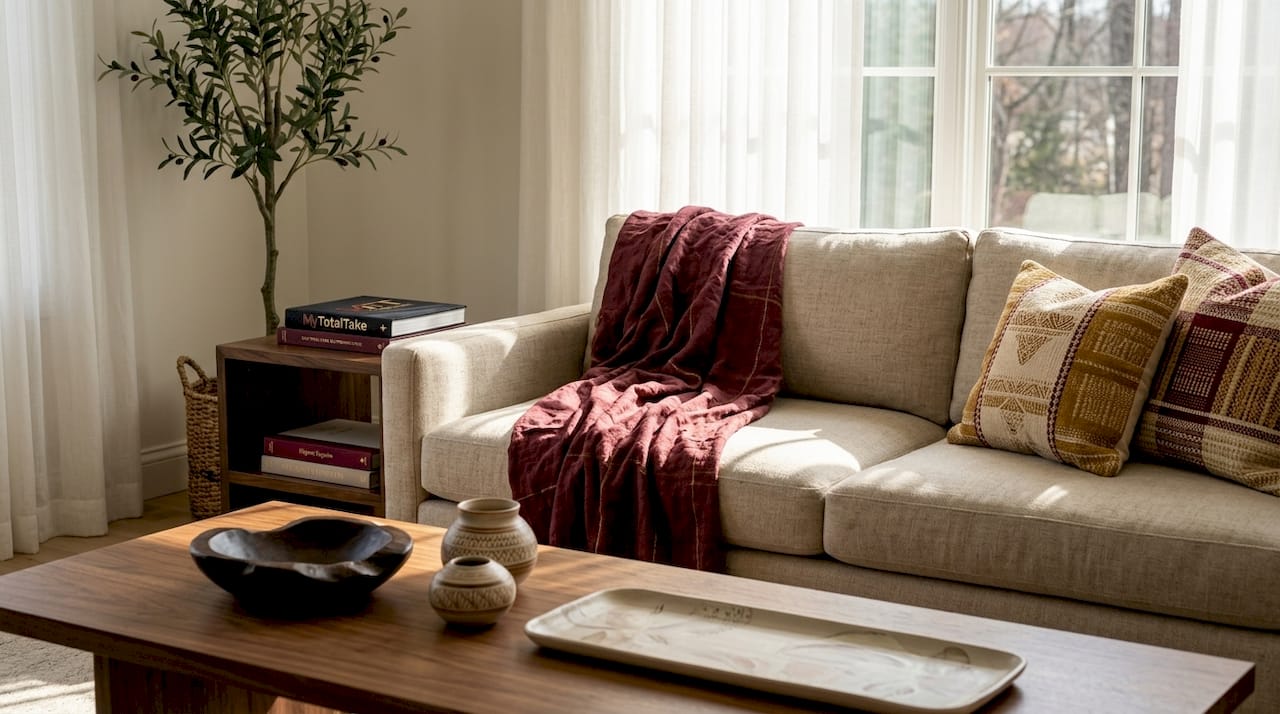
Every room tells a story, and the types of crafted home accents you choose write the most memorable chapters. Unlike mass-produced fillers, handmade home decor carries the fingerprints of skilled makers — literally. The challenge most enthusiasts face is not finding options. It is knowing which types to prioritize, which materials hold up, and how to mix artisan home accessories without the space feeling cluttered or chaotic. This guide breaks it all down with practical criteria, detailed accent types, and a direct comparison to help you shop and style with confidence.
Table of Contents
- Key takeaways
- How to evaluate types of crafted home accents
- Top types of crafted home accents to enrich your space
- 1. Handcrafted pottery and ceramics
- 2. Handwoven textile accents
- 3. Decorative wood pieces
- 4. Metal artisan pieces
- 5. Glass and resin accent pieces
- 6. Natural fiber baskets and woven planters
- 7. Hand-painted decorative objects
- 8. Artisan candles and scent objects
- Comparing crafted accent types at a glance
- How to decide which crafted accents fit your lifestyle
- My take on why handcrafted accents outlast everything else
- Discover more ways to style your home with crafted accents
- FAQ
Key takeaways
| Point | Details |
|---|---|
| Material quality drives longevity | High-fired ceramics and powder-coated metals outlast lower-grade finishes by years. |
| Handcrafted pieces resist trend cycles | Artisan accents prioritize form and material honesty, becoming timeless signature pieces over time. |
| Layer accents over neutral bases | Build rooms on neutral foundations, then swap handmade accents seasonally for flexible style updates. |
| Match accent type to room traffic | High-traffic areas need durable finishes; delicate glass or resin suits low-traffic display zones. |
| Mix static and engagement objects | Balance display-only pieces with interactive accents that invite rotation to keep spaces feeling fresh. |
How to evaluate types of crafted home accents
Before you buy a single piece, set your criteria. Decorative handcrafted items range wildly in quality, and the wrong choices waste money and clutter shelves.
Material quality and finish durability sit at the top of the list. Clear coat finishes under 0.2 mm thickness do not adequately protect accent pieces from minor dings, which shortens their lifespan significantly. When examining wood or metal pieces, ask about the finish type and thickness before purchasing.
Craftsmanship and artisanal authenticity matter beyond the aesthetic. Genuine handcrafted work shows slight variations in texture, glaze, or form. Those imperfections are features, not flaws. They signal real human skill. A perfectly uniform piece is almost always machine-made, regardless of what the label claims.
Here are the core criteria to run through before any purchase:
- Scale and placement: An oversized ceramic vase on a small console overwhelms the room. Measure your space first.
- Style compatibility: Custom crafted decor works best when it shares at least one visual element with the room, whether color, texture, or material tone.
- Maintenance requirements: Some finishes require periodic sealing or gentle cleaning. Know what you are committing to before the piece comes home.
- Budget flexibility: Anchor pieces deserve a real investment. Trend-forward accents should stay replaceable and affordable.
- Mix-and-match potential: The best artisan home accessories play well with others. A single showstopper needs breathing room; smaller pieces work in clusters.
Experts recommend building on neutral foundations and using handcrafted accents as the expressive, replaceable layer on top. That approach protects your core investment while keeping rooms feeling current.
Pro Tip: Prioritize easy-care finishes for objects in kitchens, entryways, and living rooms. Save delicate, high-maintenance pieces for bedrooms or display shelves where they are handled less frequently.
Top types of crafted home accents to enrich your space
This is where the real decisions happen. Each accent type below brings its own strengths, limitations, and styling potential.
1. Handcrafted pottery and ceramics
Pottery is arguably the most versatile category in handmade home decor. Vases, bowls, mugs repurposed as pen holders, sculptural forms — the range is enormous. What separates premium ceramics from the bargain bin is the firing temperature. High-fired glazes over 1200°C produce surfaces that are significantly more scratch and stain resistant than low-fired alternatives.
Key features to know:
- Matte glazes read as more organic and earthy; glossy glazes feel more refined and modern
- Wabi-sabi forms with irregular edges suit Japandi and organic modern styles
- Ceramic planters double as functional and decorative pieces
2. Handwoven textile accents
Cushions, throws, wall hangings, and hand-knotted rugs fall into this category. Textiles are the fastest way to change a room’s mood without moving furniture. Handcrafted pieces add meaning precisely because they reflect the maker’s time and material choices, and hand-loomed textiles carry that quality in every thread.
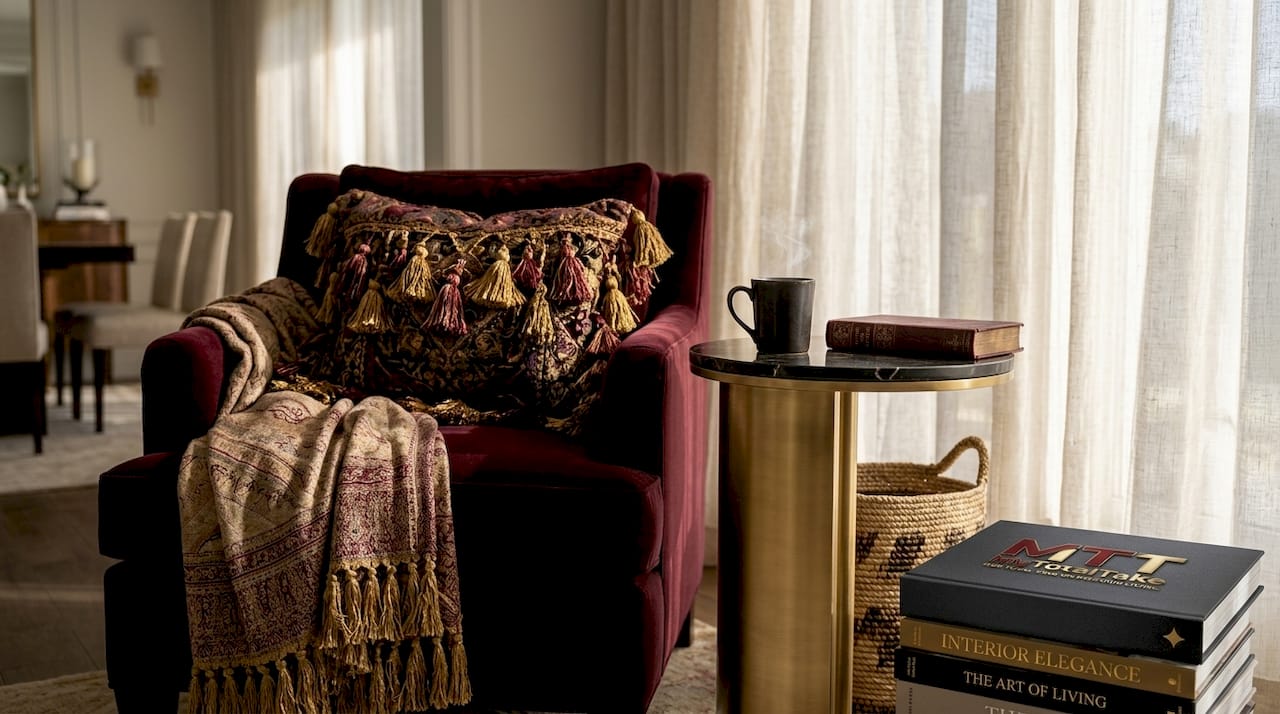
Wool and cotton weaves handle daily use well. Silk-blend pieces are better reserved for low-traffic display. When shopping for wall hangings, check the mounting hardware. Flimsy rods undermine even the most beautiful weave.
3. Decorative wood pieces
Carved bowls, hand-turned wooden trays, stools with joinery details, and sculpted wall panels all qualify here. Vertical wood slat accent walls have become the most popular accent wall material in 2026, with DIY kits running $150 to $400 and professional installation reaching $800 to $2,500. That signals just how central wood remains to popular home decor styles.
Solid hardwood pieces age beautifully. Bamboo and reclaimed wood options also appeal to those prioritizing eco-friendly home accents without sacrificing refinement. Check that joints are glued and doweled, not just stapled.
4. Metal artisan pieces
Metal accents introduce drama and permanence. Think hand-forged candleholders, sculptural wall art, brass trays, and pendant lighting with artisan detailing. Powder-coated metal resists chipping far better than spray paint, and proper surface preparation before coating is what separates lasting pieces from ones that peel within a year.
Brass and copper patina naturally over time, which some find deeply appealing. If you prefer a consistent finish, look for lacquered versions. Matte black metal reads well across industrial, modern, and even bohemian spaces.
5. Glass and resin accent pieces
Hand-blown glass vases, resin art bowls, and decorative glass spheres bring light manipulation into a room. They catch sunlight, cast color, and create visual interest without occupying much physical space. The tradeoff is fragility, which makes these pieces better suited to shelves and display zones than to households with young children or pets.
Resin pieces offer more durability than glass but can yellow over time if exposed to direct UV light. Position them away from prolonged direct sunlight to preserve color integrity.
6. Natural fiber baskets and woven planters
Seagrass, rattan, jute, and water hyacinth baskets have earned a permanent place across nearly every popular home decor style. They serve dual functions as storage and decor, which gives them a strong value argument. They also anchor eco-friendly home accents palettes beautifully alongside wood and ceramics.
Proper fit matters here. A plant pot should sit inside a basket with minimal visible gap. Oversized baskets look sloppy regardless of the weave quality.
7. Hand-painted decorative objects
Painted trays, hand-lettered ceramic plates, and illustrated decorative boxes bring color and narrative into a space. The artistry matters more than the substrate. A mediocre hand-painted tray on expensive wood is still a mediocre piece. Look for clean linework, consistent coverage, and a sealed topcoat that protects the painted surface.
These pieces work particularly well as collected sets or in gallery-style wall arrangements where their individuality reads as intentional curation rather than randomness.
8. Artisan candles and scent objects
Carved beeswax candles, hand-dipped tapers, and sculpted decorative candles straddle the line between functional and purely decorative. Their value extends beyond aesthetics because scent is one of the most powerful environmental cues in a home. Artisan candle makers typically use natural waxes with cleaner burn profiles than paraffin alternatives.
Cluster candles in odd numbers on a tray or board for a considered, editorial look rather than placing them individually across a surface.
Comparing crafted accent types at a glance
| Material | Durability | Care requirements | Best rooms | Style impact |
|---|---|---|---|---|
| Ceramic | High (if high-fired) | Wipe clean; avoid drops | Living room, kitchen | Earthy, modern, organic |
| Wood | High with proper finish | Occasional oil or wax | Any room | Warm, natural, grounding |
| Metal | Very high | Dust; check for patina | Living room, entryway | Dramatic, refined, modern |
| Glass | Moderate (fragile) | Gentle wipe | Shelves, low-traffic areas | Light, airy, sculptural |
| Textiles | Moderate | Machine or hand wash | Bedroom, living room | Soft, layered, cozy |
| Resin | Moderate (UV-sensitive) | Wipe; avoid sunlight | Display shelves | Colorful, artistic |
| Natural fiber | Moderate | Spot clean; keep dry | Living room, bedroom | Earthy, casual, organic |
Price ranges vary considerably. Metal sculpture and hand-blown glass tend to carry the highest price points. Natural fiber baskets and hand-painted ceramics offer strong aesthetic impact at more accessible price levels, making them ideal for building a curated look without a luxury-level budget.
How to decide which crafted accents fit your lifestyle
Knowing what exists is only half the work. Matching unique home accents to your actual life and space is where most shoppers struggle.
Start by assessing room traffic. Crafts decoration types split into static objects meant purely for display and engagement objects that invite handling or rotation. High-traffic rooms need durable, low-maintenance accents. A carved wood tray on a coffee table will survive daily contact. A delicate hand-blown glass bowl will not.
Then consider your styling approach:
- Statement pieces: One large-scale item anchors the room. Everything else supports it without competing.
- Cluster accents: Groups of three to five smaller pieces in varied heights and textures create a collected, layered look. Use odd numbers.
- Seasonal swaps: Lightweight textiles, woven baskets, and smaller ceramics are easy to rotate as seasons shift.
Matching accents to your existing home décor styles is more forgiving than most people assume. A hand-thrown ceramic vase in warm terracotta reads well in Scandinavian, Mediterranean, and contemporary spaces alike. The real risk is mixing too many accent materials with competing finishes rather than too many styles.
Pro Tip: Layer handmade accents over a neutral base — white walls, natural linen upholstery, light oak flooring — and you can change your accent story entirely by swapping just three or four pieces. The investment goes further and the room never feels dated.
Balancing investment versus replacement is the final filter. Pieces from artisan makers that demonstrate heirloom-worthy craftsmanship deserve a real budget. Trend-forward pieces should stay in an affordable range so you can replace them without hesitation when the trend passes.
My take on why handcrafted accents outlast everything else
I have spent considerable time handling both mass-produced decor and genuine handcrafted work, and the difference is not subtle. Pick up a factory-made ceramic vase and then pick up one thrown on a wheel by a working potter. The weight distribution is different. The glaze has depth. The proportions feel considered rather than optimized for a production line.
What I find most interesting is how handcrafted pieces resist trend cycles by prioritizing material honesty and form. They become signature elements of a room rather than dated reminders of a particular season. A well-chosen artisan wood bowl from ten years ago looks as relevant today as it did when you bought it. The same cannot be said for most fast-decor alternatives.
My honest advice is to resist the temptation to fill a room quickly. Buy fewer pieces. Buy them better. One hand-forged brass candleholder on an empty mantle communicates far more confidence and taste than a shelf packed with generic decor. The restraint is the point.
I also think people underestimate the emotional value of knowing who made something. When a piece carries a maker’s story, it generates genuine conversation and connection. That intangible quality is, in my view, what makes artisan home accessories worth every cent of the premium.
— Lysander
Discover more ways to style your home with crafted accents
If this guide has sharpened your eye for what makes a crafted accent worth investing in, Mytotaltake has deeper resources to take you further. The premium home decor tips section covers how to select and integrate handcrafted pieces across luxury interiors with a clear editorial point of view.

For those ready to move from inspiration to decision, the high-end craftsmanship guide at Mytotaltake walks through exactly how to evaluate quality, invest wisely, and build a home aesthetic that holds its value. Whether you are curating a single room or rethinking your entire space, you will find the perspective and precision worth your time.
FAQ
What are home accents, exactly?
Home accents are decorative objects that add personality, texture, and visual interest to a room without serving a primary structural or functional role. Examples include vases, throws, sculptures, baskets, and wall art.
Which crafted accent materials last the longest?
Metal with powder coating and high-fired ceramics offer the strongest durability among crafted accent materials. Both resist chipping, scratching, and surface wear better than lower-grade alternatives.
How do I mix different types of crafted accents without clutter?
Group accents by shared color, material tone, or texture rather than matching them exactly. Vary heights within clusters, and leave deliberate negative space so each piece has room to register visually.
Are handmade accents worth the higher price?
Handcrafted pieces prioritize material honesty and skilled form, which means they tend to outlast trend cycles and retain their visual relevance for years. The long-term cost per year of enjoyment often favors quality artisan pieces over cheaper replacements.
What types of crafted home accents work best in small spaces?
Vertical pieces like tall ceramic vases or slim metal wall sculptures draw the eye upward, making small rooms feel larger. Natural fiber baskets with dual storage and decor function also maximize value in compact spaces.
Recommended
How to Create a Curated Home Collection That Lasts
Comments
[…] Types of Crafted Home Accents That Transform Any Room […]







Leave a comment