What Is Modern Luxury? A Lifestyle Redefined
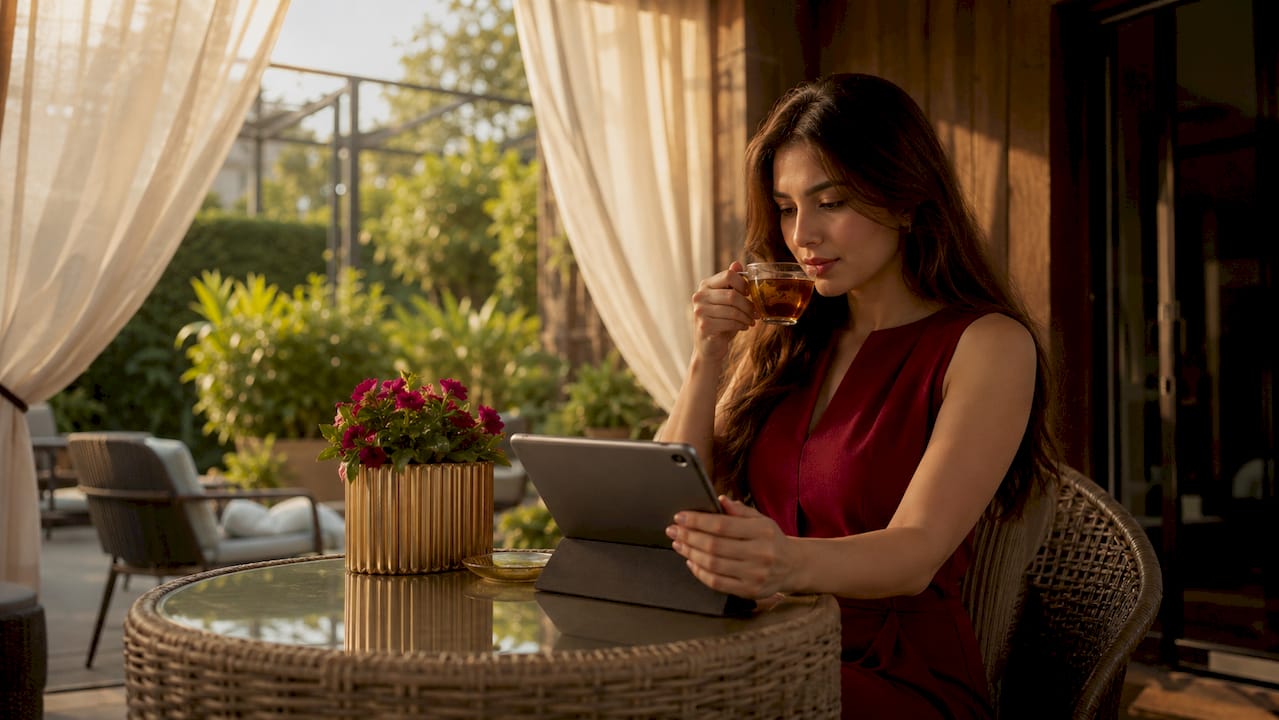
Modern luxury is defined as a mindset centered on intentionality, ethical accountability, and meaningful experience rather than visible excess or status display. This is a significant departure from the traditional luxury model built on scarcity and logo-driven prestige. Today’s discerning consumers invest in fewer, higher-quality items that deliver long-term functional value rather than chasing fast trends. Understanding modern luxury means recognizing that what defines premium status has fundamentally shifted. Craftsmanship, transparency, and emotional resonance now carry more weight than price tags alone.
How has the definition of modern luxury evolved?
Traditional luxury was built on a simple formula: scarcity plus status equals desire. A product was considered luxurious because few people could afford it, and owning it signaled social rank. That formula no longer holds the same power it once did.
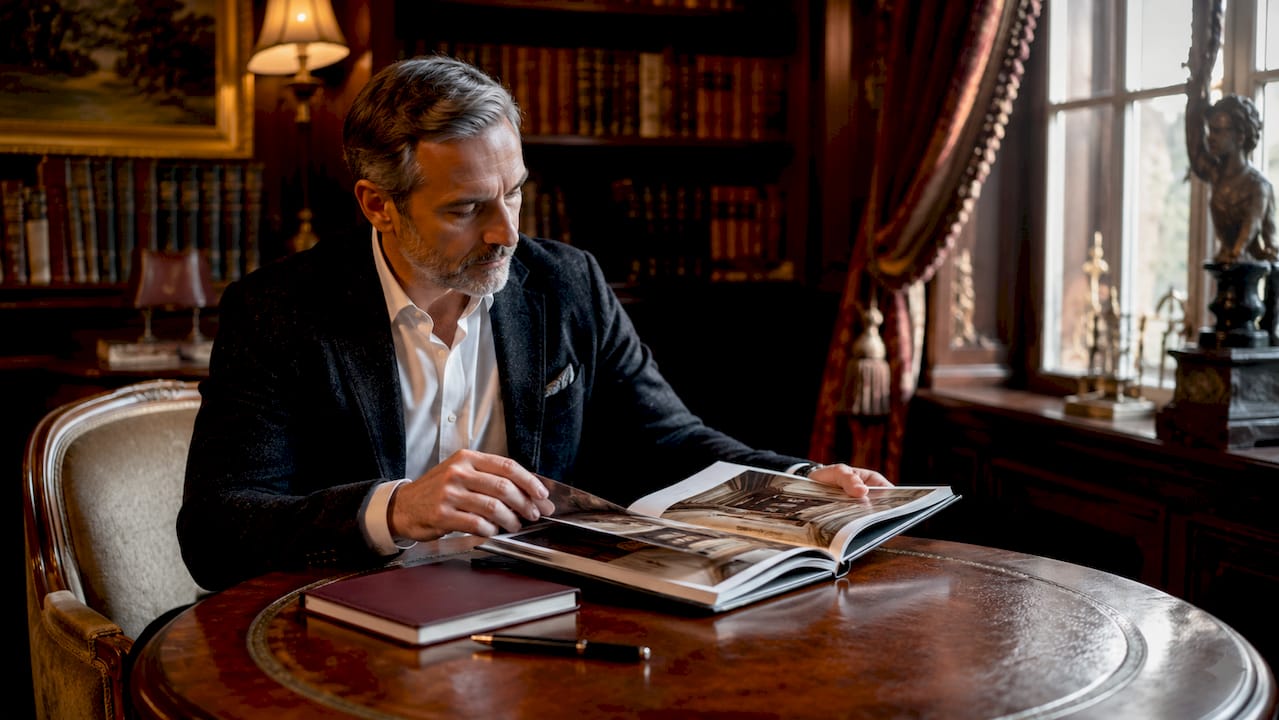
The cultural shift began with generational change. Millennial and Gen Z consumers entered the market with different values. They grew up with access to information about supply chains, labor practices, and environmental impact. Transparency became an expectation, not a bonus. Brands that relied purely on heritage and high price points found themselves losing relevance with these buyers.
The concept of the “permission economy” captures this shift precisely. Luxury consumers now withhold permission to engage with a brand until that brand has earned their trust through consistent, long-term stewardship. This is not a passive relationship. Consumers actively decide whether a brand deserves a place in their lives based on values alignment, not advertising spend.
What drives desirability today looks quite different from the old model:
- Authenticity over aspiration: Consumers respond to brands that demonstrate genuine purpose rather than manufactured prestige.
- Relevance over heritage: Modern luxury desirability is sustained through constant reinvention, not solely through legacy reputation.
- Experience over ownership: The luxury market shows experience-oriented spending growing at a rate of 3% to 7%, outpacing goods-based luxury. This signals a structural preference for emotional and purpose-led moments.
- Restraint over excess: Quiet, considered consumption now reads as more sophisticated than conspicuous display.
The result is a luxury definition that rewards meaning. Brands that understand this earn loyalty. Those that do not find themselves competing on price, which is a race no luxury brand can win.
What are the core characteristics of modern luxury?
Contemporary luxury is built on a set of values that are non-negotiable for today’s informed consumer. These values show up consistently across fashion, design, and lifestyle choices.
Ethical accountability and transparency sit at the top of the list. Transparency from raw sourcing to manufacturing is now expected to define premium status alongside craftsmanship. A beautiful product made under questionable conditions no longer qualifies as truly luxurious in the modern sense.
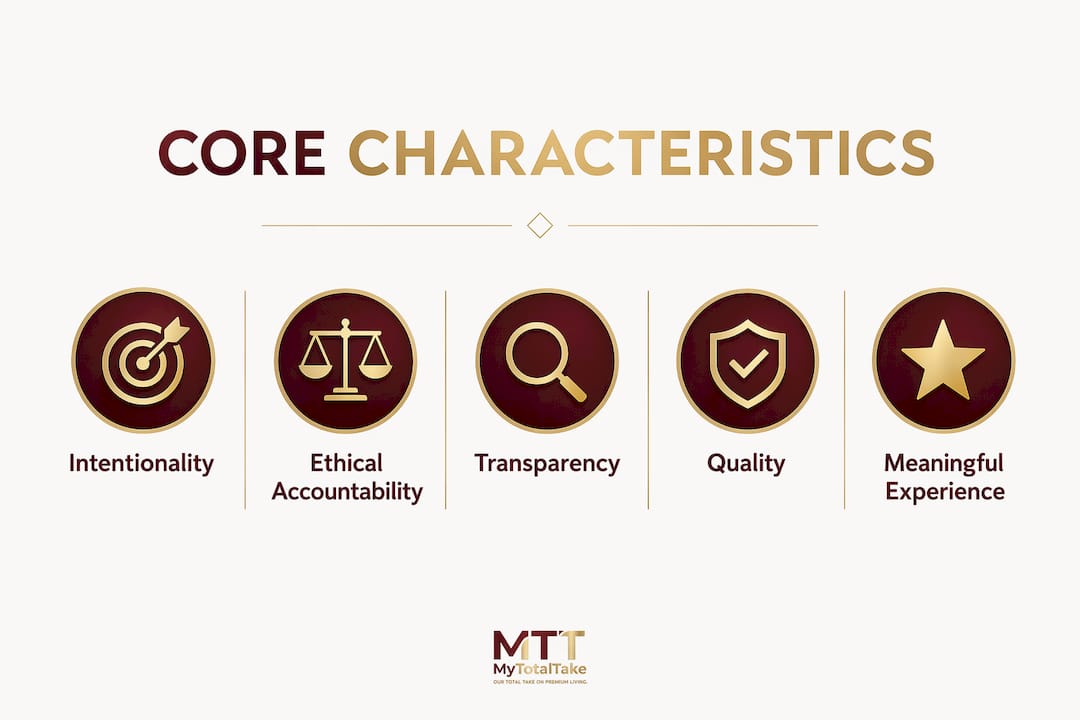
Intentional living shapes how people approach consumption. The modern luxury lifestyle favors quality over quantity in every category. You buy one exceptional piece rather than five mediocre ones. This applies to furniture, clothing, food, and even digital subscriptions. The goal is a curated life, not a cluttered one.
Customization and personalization reflect the shift away from mass-market luxury. A product that fits your specific life, space, or aesthetic carries more value than a generic prestige item. This is why bespoke services and made-to-order pieces command genuine premium pricing today.
Emotional resonance and long-term relevance complete the picture. A purchase that still feels right five years later is a luxury purchase. One that feels dated in a season is not, regardless of its original price.
- Sustainability: Products designed with environmental stewardship built in, not bolted on as a marketing claim.
- Craftsmanship: Visible quality in materials, construction, and finish that justifies long-term ownership.
- Mindful consumption: Fewer purchases made with greater deliberation and purpose.
- Comfort and livability: Spaces and objects designed for real daily life, not for display.
- Emotional fulfillment: The feeling that a purchase adds genuine meaning, not just temporary satisfaction.
Pro Tip: Before any significant purchase, ask yourself whether you will still value this item in ten years. If the answer is yes, it meets the modern luxury standard. If the answer depends on trends, reconsider.
How is modern luxury expressed in fashion, design, and consumer choices?
The principles of contemporary luxury show up differently depending on the domain, but the underlying logic is consistent across all three.
Modern luxury in fashion
High-end fashion has moved away from logo saturation toward quiet quality. The most respected wardrobes today are built on timeless pieces with exceptional construction, natural materials, and ethical production credentials. A cashmere coat made in a certified facility with traceable wool carries more genuine luxury status than a logo-covered item produced at scale. Capsule wardrobes, slow fashion principles, and investment dressing all reflect this shift.
Modern luxury in interior design
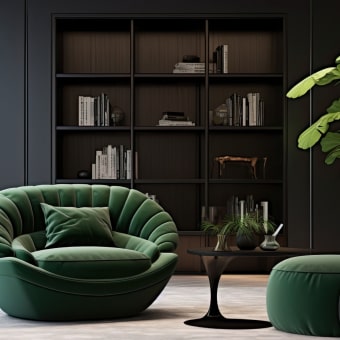
True luxury home design is characterized by comfort, livability, and flexibility, not ostentation or excess. Homes designed inside-out prioritize daily routines and adaptability over flashy finishes. A well-proportioned room with natural light, quality textiles, and furniture built to last decades is more luxurious than a showroom-perfect space that no one actually uses. Modern luxury design employs restraint as a sophisticated language, using fewer materials intentionally with clean lines balanced by warmth. You can see this principle applied in minimalist luxury interiors that feel rich without feeling heavy.
Consumer behavior trends
The behavioral shift is measurable. Consumers now favor fewer but better-crafted purchases across every category. This applies to kitchenware, technology, travel, and wellness as much as it does to fashion and furniture.
| Domain | Traditional luxury | Modern luxury |
|---|---|---|
| Fashion | Logo visibility, seasonal trends | Timeless quality, ethical sourcing |
| Interior design | Opulent finishes, formal spaces | Comfort, restraint, adaptability |
| Consumer behavior | Volume of premium purchases | Fewer, deliberate, long-lasting choices |
| Brand relationship | Aspiration and status signaling | Trust, values alignment, permission |
| Experience | Exclusive access as a status marker | Meaningful moments, presence, peace |
The table above shows that the shift is not just aesthetic. It is structural. The entire logic of what makes something worth paying for has changed.
What practical steps can you take to live a modern luxury lifestyle?
Adopting a modern luxury lifestyle does not require a complete overhaul of your spending. It requires a shift in how you think about value.
-
Audit your current consumption. Identify the items in your home, wardrobe, and daily routine that you genuinely use and love. Everything else represents the opposite of modern luxury. Sell, donate, or simply stop replacing items that do not earn their place.
-
Invest in one exceptional piece rather than three average ones. This applies to furniture, clothing, and technology equally. A single well-made sofa built from quality materials will outlast and outperform three budget replacements. Luxury furniture that earns its place is defined by construction quality, material integrity, and design longevity.
-
Choose brands with verifiable ethical credentials. Look for transparency in sourcing, manufacturing standards, and environmental commitments. Eco-friendly luxury is not a contradiction. It is the direction the entire premium market is moving.
-
Design your living space for how you actually live. Prioritize comfort, natural light, and adaptability over trends. A room that works beautifully for your daily routine is more luxurious than one that photographs well but functions poorly.
-
Protect your time and attention as luxury assets. Modern luxury lifestyles favor time, space, and peace over material accumulation. Minimalist design principles, digital boundaries, and reclaiming personal autonomy are key pillars of this approach.
Pro Tip: When evaluating a potential purchase, research the brand’s supply chain transparency before the product’s aesthetic. A beautiful object from an opaque source is a compromise. A beautiful object from a verified ethical source is a genuine luxury investment.
What misconceptions surround the concept of modern luxury?
The most persistent misconception is that modern luxury is simply traditional luxury with a sustainability badge attached. It is not. The values shift is structural, not cosmetic.
A second misconception holds that modern luxury is elitist or financially inaccessible. The reality is more nuanced. The mindset of intentional consumption, quality over quantity, and emotional resonance applies at multiple price points. A well-made ceramic mug you use every day for twenty years is a modern luxury object. The principle scales up and down.
The third and most damaging misconception is that brands can manufacture modern luxury through marketing. Brands must earn consumer trust through consistent, long-term stewardship rather than traditional campaigns. Consumers who have internalized modern luxury values are highly skeptical of surface-level sustainability claims, influencer endorsements, and heritage storytelling that lacks substance.
- Misconception: Modern luxury is just minimalism rebranded.
- Reality: Restraint is one expression of modern luxury, not its definition. Warmth, richness, and sensory depth all belong in the picture.
- Misconception: You need significant wealth to participate.
- Reality: The mindset is accessible at any income level. The commitment is to intentionality, not price.
- Misconception: Luxury brands automatically qualify as modern luxury.
- Reality: Many legacy brands are still catching up to the values shift their customers have already made.
Key Takeaways
Modern luxury is defined by intentionality, ethical accountability, and emotional resonance, not by price, scarcity, or status display.
| Point | Details |
|---|---|
| Mindset over materialism | Modern luxury is a way of thinking about value, not a spending bracket. |
| Ethics are non-negotiable | Transparency in sourcing and manufacturing now defines premium status alongside craftsmanship. |
| Experience outpaces ownership | Experience-oriented luxury grows at 3% to 7%, reflecting a structural shift toward meaning over possessions. |
| Restraint signals sophistication | Fewer, better-chosen purchases carry more luxury weight than volume or visible branding. |
| Trust must be earned | Brands succeed in the modern luxury space by building long-term consumer trust, not by manufacturing desire. |
Why modern luxury changed how I think about everything I own
I spent years equating luxury with rarity and price. The more exclusive the item, the more it seemed to signal something worth having. That framework collapsed the first time I sat in a beautifully designed room that cost a fraction of what I expected and felt more genuinely luxurious than anything I had seen in a high-end showroom. The difference was intention. Every object in that room had been chosen for a reason. Nothing was there to impress. Everything was there to serve.
What I have observed since then is that the consumers who live most richly are not the ones with the most expensive things. They are the ones who have stopped tolerating objects and experiences that do not earn their place. That discipline is harder than it sounds. The market is designed to make you feel that more is always better. Modern luxury is the counter-argument.
The brands that will define this space over the next decade are the ones building genuine relationships with their customers rather than chasing transaction volume. Physical stores are evolving from transactional points to emotional engagement hubs that foster loyalty. That shift mirrors what is happening in the homes of people who have genuinely adopted modern luxury values. The space becomes a reflection of who you are, not what you spent.
Rethink your relationship with luxury not as a category of products but as a standard you hold everything in your life to. That standard asks whether something adds genuine value, lasts, and aligns with what you actually believe. When you apply it consistently, the result is a life that feels genuinely rich.
— Lysander
How Mytotaltake curates modern luxury for your home
Mytotaltake was built around exactly the values this article describes. Every product in the collection is selected for craftsmanship, material integrity, and long-term relevance rather than trend appeal or logo recognition.
The luxury furniture collection reflects the inside-out design philosophy: pieces built for how you actually live, not for how a showroom looks. For those refining their living spaces, the premium home decor guide offers expert-level guidance on intentional choices that hold their value. If you are evaluating materials and construction quality before committing to a purchase, the luxury materials buyer’s guide gives you the criteria that separate genuinely premium from merely expensive. Mytotaltake exists for consumers who are done settling.
FAQ
What is modern luxury in simple terms?
Modern luxury is a lifestyle defined by intentional consumption, ethical values, and meaningful experience rather than excess or status display. It prioritizes quality, craftsmanship, and emotional resonance over price or brand visibility.
How does modern luxury differ from traditional luxury?
Traditional luxury relied on scarcity, heritage, and visible wealth as markers of status. Modern luxury centers on transparency, sustainability, and long-term personal value, with consumers requiring brands to earn trust before they engage.
Is modern luxury only for wealthy consumers?
The mindset of modern luxury applies at any income level. Intentional consumption, quality over quantity, and emotional resonance are principles that scale across price points, not exclusive to high-net-worth individuals.
What defines modern luxury in interior design?
Luxury in home design means thoughtful planning, comfort, livability, and restraint rather than opulent finishes. Spaces designed for real daily routines and long-term adaptability represent the highest standard of contemporary residential luxury.
Why are experiences considered a form of modern luxury?
Experience-oriented luxury grows at 3% to 7% in the current market, reflecting a consumer preference for emotional and purpose-led moments over material accumulation. Time, peace, and presence are now recognized as genuine luxury assets.







Leave a comment