
Modern home decor ideas for elegant, luxurious living
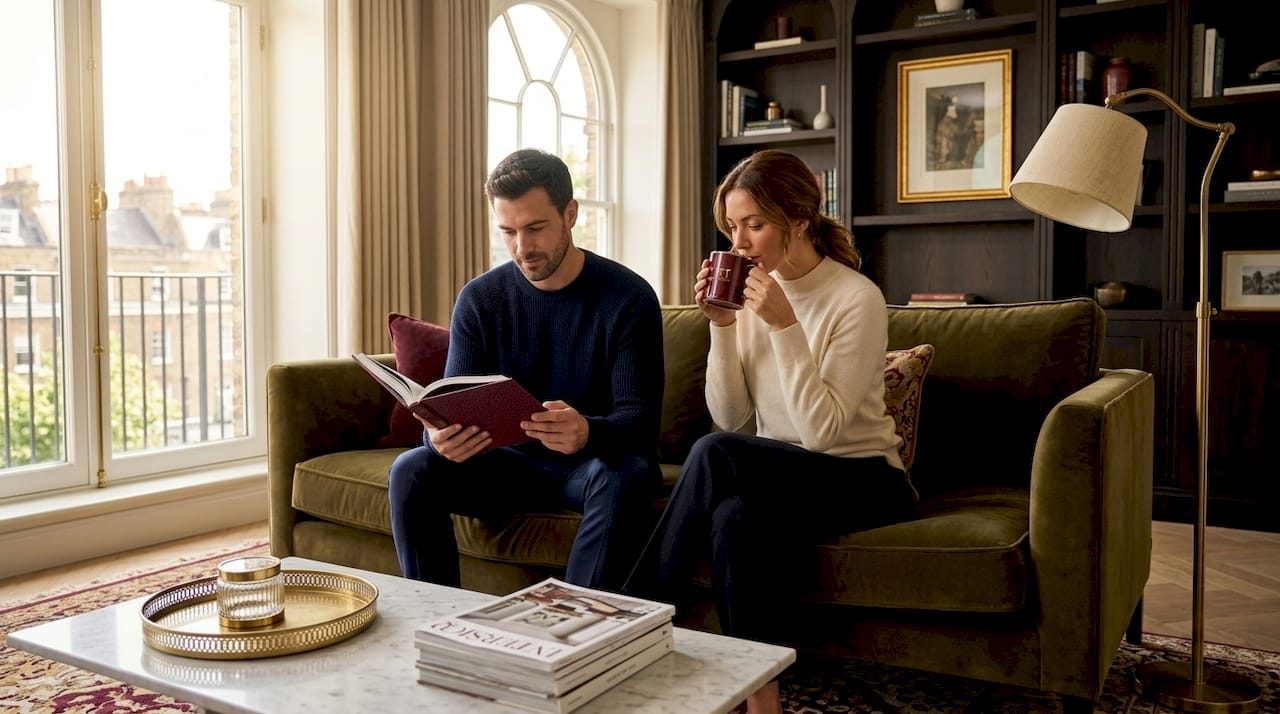
Curating a home that feels genuinely luxurious is harder than it looks. The market is flooded with pieces that promise elegance but deliver little more than surface gloss, and the gap between contemporary style and true artisanal craftsmanship can feel wide. We believe that real luxury lives in the details: the weight of a hand-carved tabletop, the warmth of natural stone, the quiet confidence of a room that doesn’t shout for attention. This guide walks you through the key criteria, signature examples, and current trends that will help you make informed, lasting choices for your home.
Table of Contents
- Key criteria for modern luxury home decor
- Signature examples of modern decor in luxury homes
- Standout trends and room-specific inspirations
- Comparing modern decor examples: Style, function, and investment
- Why warmth and craftsmanship matter more than fleeting trends
- Explore luxury decor solutions for your home
- Frequently asked questions
Key Takeaways
| Point | Details |
|---|---|
| Prioritize craftsmanship | Handmade finishes and artisanal materials are central to modern luxury decor. |
| Focus on timeless materials | Choose marble, natural wood, velvet, and brass for elegance and durability. |
| Embrace warmth and texture | Layered textiles and sculptural shapes enhance comfort and sensory experience. |
| Adapt design by room | Tailor decor choices for bedrooms, living rooms, and kitchens to fit mood and function. |
| Quality over trend chasing | Invest in decor pieces with lasting style and authentic construction for enduring luxury. |
Key criteria for modern luxury home decor
Before you invest in a single piece, it pays to understand what separates truly premium decor from the merely expensive. Modern luxury is not about spending more. It’s about spending with intention on items that reward close inspection.
Materials are your foundation. Artisanal interior design for affluent homeowners emphasizes hand-carved wood, bronze hardware, and stone, blending luxury with timeless durability. These materials age beautifully, developing patina and character that manufactured finishes simply cannot replicate. Think Calacatta marble with its soft gray veining, solid brass fixtures that mellow to a warm gold over time, and live-edge walnut slabs that carry the memory of the tree they came from.
Luxury interior design at its best relies on high-quality materials including marble, velvet, and brass, paired with layered lighting, custom furniture, and deliberate editing for sensory cohesion. The word “editing” matters here. Restraint is a hallmark of modern luxury. A room with five exceptional pieces always outshines a room stuffed with twenty decent ones.
Key materials and principles to look for include:
- Natural stone: Marble, limestone, and quartzite for surfaces and fireplace surrounds
- Rich textiles: Velvet, bouclé, and mohair for upholstery; linen and cashmere for soft furnishings
- Warm metals: Unlacquered brass, aged bronze, and blackened steel for hardware and accents
- Solid natural woods: Walnut, white oak, and teak for furniture frames and paneling
- Imperfect finishes: Hand-applied plaster, wabi-sabi ceramics, and raw-edge stone that add visual depth
Craftsmanship is equally critical. Look for craftsmanship in modern decor that involves hand-finishing, joinery made without visible hardware, and upholstery stitched by a single artisan rather than assembled on a production line. These details signal genuine quality.
“The difference between a luxurious room and an expensive room is always the same: intention. Every material, every finish, every proportion was chosen, not defaulted to.” — Design principle shared across leading luxury studios
Pro Tip: When choosing premium home decor, run your hand across any surface before you buy. Tactile quality, the grain, the weight, the temperature of the material, tells you immediately whether a piece will last.
With criteria established, let’s look at specific modern decor examples that embody these values.
Signature examples of modern decor in luxury homes
Real-world examples make abstract principles concrete. Here are four standout categories of modern decor that represent the best of craftsmanship and contemporary design.
-
Hand-carved Himalayan timber coffee tables from Luxeiro. These artisanal tables take 18 to 25 days per piece with zero machine intervention, and walnut wall panels from the same maker feature intricate botanical relief carvings. Each piece is effectively a one-of-a-kind sculpture that doubles as functional furniture. The grain patterns in Himalayan timber vary so dramatically from tree to tree that no two tables share the same visual story.
-
Art Deco-influenced interiors with layered stone and glass. Athena Calderone’s Tribeca apartment showcases lava stone walls, custom limestone fireplaces, leaded glass doors, and hand-painted murals that pay homage to designer Thierry Despont. What makes this space extraordinary is how every element connects to a singular visual language. The lava stone’s matte texture offsets the leaded glass’s reflectivity. The limestone fireplace anchors the room with mass and warmth. Nothing is random.
-
Botanical relief wall panels in solid walnut. These carved panels transform a flat wall into something closer to sculpture. The depth of the carving catches ambient light differently throughout the day, which means the room itself changes character from morning to evening. This is the kind of design impact on luxury decor that photography rarely captures but presence always confirms.
-
Hand-painted murals as personalized statements. Custom murals commission artists to respond directly to a client’s history, aesthetic, and home’s architecture. They cannot be replicated or purchased off a shelf. That exclusivity is precisely the point, and it is what separates a truly personal luxury interior from one assembled from a catalog.
Pro Tip: When sourcing artisanal pieces, always ask the maker for documentation of the process: photographs of the carving stages, notes on the timber source, and the name of the artisan. This provenance adds meaning and eventual resale value.
Consulting a luxury decor styles guide can help you identify which aesthetic direction aligns with your home’s architecture before you commit to statement pieces.
These examples illustrate the material and craftsmanship criteria, but how do they compare across style and setting?
Standout trends and room-specific inspirations
Current design thinking in 2026 has moved firmly away from the cold austerity that defined early-2010s minimalism. The new direction is warmer, richer, and far more personal.
In the bedroom, contemporary bedroom design features pale woods for airiness, organic shapes, sumptuous textures, and sculptural furniture that reads as art when you’re not using it. Think a solid white oak bed frame with gently curved edges, a bouclé bench at the foot, and a single ceramic lamp with an irregular, hand-thrown silhouette. The goal is sensory comfort at every level: visual softness, tactile warmth, and acoustic calm.
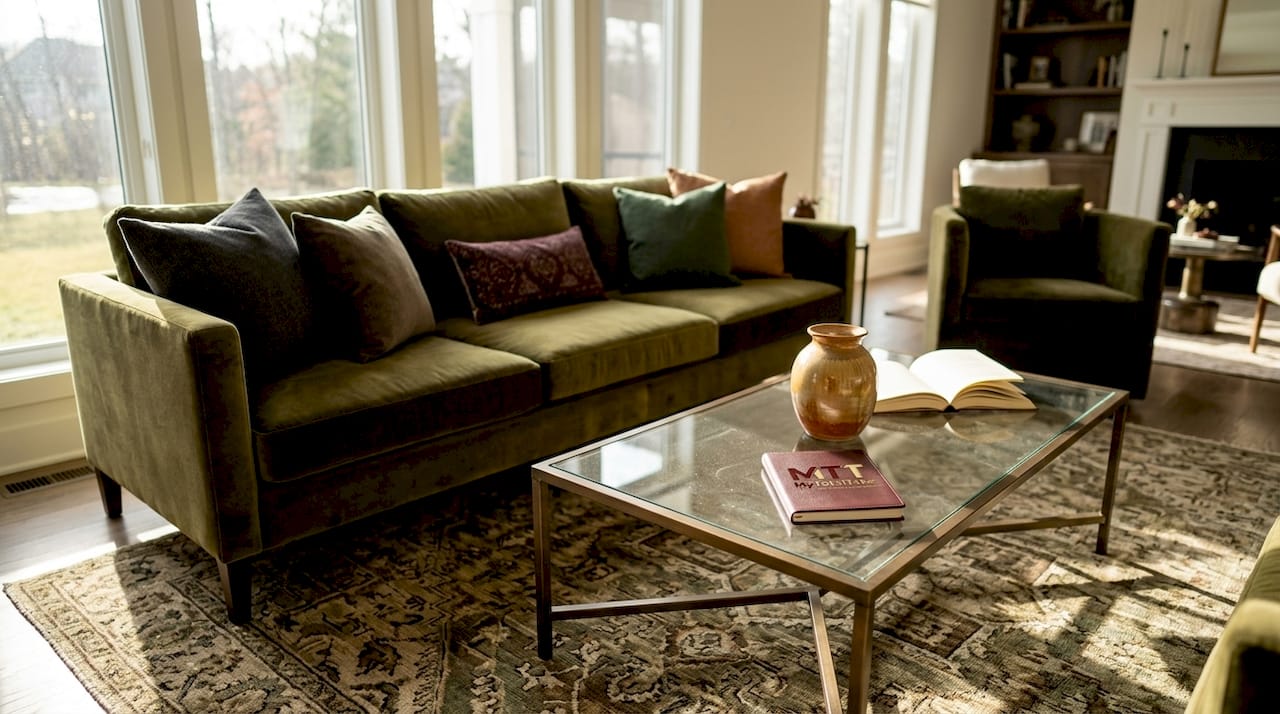
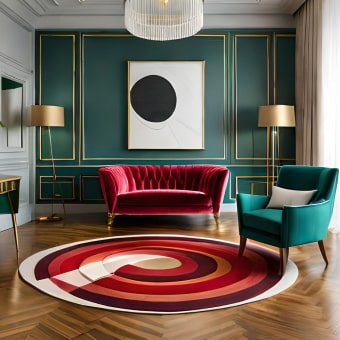
In the living room, the signature move is layering. A statement sofa in a deep olive velvet sits on a hand-knotted wool rug, flanked by a sculptural side table in travertine and a reading lamp with a patinated brass base. Arranging high-end wall art at varying heights above a credenza completes the composition. None of these pieces need to match. They need to converse.
In the kitchen, artisanal details are appearing in unexpected places: hand-thrown ceramic drawer pulls, unlacquered brass faucets, honed marble countertops with visible veining, and open shelving in smoked oak. These touches make a functional space feel considered rather than installed.
Interior design trends for 2026 confirm that warmth is overtaking stark minimalism, with dark woods like mahogany, color drenching in moody palettes including aubergine and deep green, sculptural tactile furniture, and artisanal details leading the way.
| Room | Trending materials | Key decor move | Palette direction |
|---|---|---|---|
| Bedroom | Pale oak, bouclé, linen | Sculptural furniture as art | Warm ivory, sand, dusty rose |
| Living room | Velvet, travertine, brass | Layered textures and statement sofa | Olive, terracotta, cognac |
| Kitchen | Honed marble, smoked oak, ceramic | Artisanal hardware and open shelving | Cream, sage, deep charcoal |
| Study | Leather, walnut, aged bronze | Custom built-ins with integrated lighting | Forest green, mahogany, ivory |
“Color drenching, where walls, trim, and ceiling share one deep, enveloping tone, creates an immersive cocoon effect that no white-walled room can replicate.” — Architectural Digest, 2026 trend analysis
Integrating premium smart home upgrades into these spaces, such as invisible speakers, motorized window treatments, and scene-based lighting systems, allows technology to support the atmosphere rather than interrupt it.
Now, let’s look at how these decor styles compare head-to-head for different design needs.
Comparing modern decor examples: Style, function, and investment
Choosing between signature decor pieces often comes down to three factors: visual impact, practical function, and long-term investment value. Understanding each helps you prioritize where to direct your budget.
Ryan Lawson’s Houston bungalow redesign offers a practical lesson in this balance. By pairing Mies van der Rohe furniture with custom fabrics, unified jute rugs, and painted window frames, Lawson achieved visual gravity and flow in a relatively modest footprint. The lesson is that investment in a few high-caliber anchor pieces, combined with thoughtful, lower-cost connective elements, produces more coherent results than an equal spend distributed thinly across a room.
On the broader debate, quiet luxury versus bold opulence comes down to personal philosophy rather than budget. Quiet luxury prioritizes craftsmanship, personalization, and materials that reveal themselves slowly. Bold opulence favors richly detailed surfaces, gilded accents, and visual drama. Both philosophies, when executed well, are quality-driven. Both can result in heirloom-worthy spaces.
Key distinctions between the two approaches:
- Quiet luxury: Undyed linen, raw plaster, hand-thrown ceramics, visible joinery, and tonal palettes
- Bold opulence: Gilded frames, patterned wallcoverings, jewel tones, ornate hardware, and layered contrast
- Investment logic for quiet luxury: Timeless materials and restrained design age gracefully and rarely feel dated
- Investment logic for bold opulence: Statement pieces command attention and can become signature identifiers for a home’s aesthetic identity
| Decor piece | Style category | Primary function | Investment tier | Longevity |
|---|---|---|---|---|
| Himalayan timber coffee table | Quiet luxury | Functional sculpture | High | Heirloom |
| Hand-painted mural | Bold opulence | Visual anchor | Premium | Permanent |
| Velvet statement sofa | Transitional | Seating and texture | Mid to high | 15 to 20 years |
| Lava stone fireplace surround | Bold opulence | Focal point | High | Permanent |
| Walnut botanical wall panel | Quiet luxury | Decorative art | Mid to high | Heirloom |
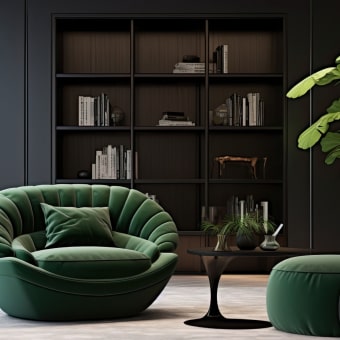
The comfort and statement appeal of cloud couch luxury represents a third path: pieces that prioritize tactile comfort as their primary luxury signal, which is increasingly relevant as homeowners spend more time in their own spaces. Similarly, incorporating luxury home technology that remains visually invisible ensures the room’s design integrity is never compromised by functional necessity.
Having seen how these decor styles compare, let’s consider what really matters in making luxury decor decisions.
Why warmth and craftsmanship matter more than fleeting trends
Here is something most design coverage won’t say plainly: trends are a distraction for anyone building a home meant to last. The cycle turns fast. What reads as forward-thinking in a shelter magazine in January can look dated by the following year’s trade shows. The homeowners we admire most are not the ones who followed trends. They are the ones who ignored them.
Post-minimalism design research from 2025 to 2026 confirms an empirical shift toward lived-in warmth, with earth tones, antiques, and curves favored for comfort. This is a pendulum correction, not a new direction. The rooms that have always aged best were never minimalist or maximalist. They were intentional. They chose materials for how they would feel in twenty years, not how they would photograph this season.
The case for handmade, tactile, imperfect finishes runs deeper than aesthetics. There is a growing body of research in environmental psychology showing that humans respond more positively to surfaces with variation and texture than to those that are perfectly uniform. A hand-troweled plaster wall engages the eye differently than a smooth painted surface. A hand-turned wooden bowl holds attention in a way a CNC-machined one does not. The importance of craftsmanship is not sentimental. It is neurological.
Our perspective: buy one extraordinary handmade piece before you buy three good manufactured ones. The extraordinary piece will anchor the room. It will start conversations. It will give you something to look forward to seeing every morning. That is a return on investment that no trend forecast can quantify.
Explore luxury decor solutions for your home
If this article has sparked ideas for your own space, we’ve built a set of resources designed to carry you from inspiration to action. Whether you’re refining a single room or rethinking an entire floor, the guides and curated selections at mytotaltake.com are built for exactly this kind of considered approach.

Start with our deep-dives on craftsmanship and luxury decor to understand what separates truly heirloom-worthy pieces from premium-priced imitations. Then explore how design’s impact on decor shapes the feel of each room before you commit to a single purchase. When you’re ready to make your selection, our premium decor guide walks you through the exact criteria that define lasting value. Every recommendation we make is filtered for quality, longevity, and genuine design integrity.
Frequently asked questions
What materials define modern luxury home decor?
Marble, velvet, and brass are foundational, valued for their durability and sensory presence alongside natural woods, limestone, and hand-thrown ceramics for layered depth.
How are artisanal pieces made for luxury interiors?
Hand-carved pieces like Luxeiro’s tables take 18 to 25 days per piece with zero machine intervention, relying entirely on skilled artisans for shaping, finishing, and quality control.
What room-specific decor trends are most popular in 2026?
Bedroom design in 2026 favors pale woods and organic shapes, while living rooms lean into statement sofas, warm minimalism, and richly layered textures that reward extended time in the space.
Is bold opulence or quiet luxury a better choice for affluent homes?
Both are valid when executed with quality; quiet luxury favors craftsmanship and personalization through subtle, tactile materials, while bold opulence delivers visual drama through ornate details and jewel-toned palettes.
How do you select decor that stays relevant beyond trends?
Choose pieces with authentic materials, visible artisanal process, and tactile quality, because imperfect finishes and tactile depth create emotional connection that manufactured consistency simply cannot sustain over time.
Recommended
Top 4 Costco.com Alternatives 2026
Comments
[…] inspiration on how these principles apply across different room types and styles, exploring modern luxury ideas offers a useful reference point for homeowners in the planning […]
[…] to explore high-end decor solutions that combine craftsmanship with lasting elegance, looking for modern home decor inspiration for a refined update, or ready to choose timeless luxury decor that will hold its value in style […]
[…] misconception that modern design has to be cold or stark is genuinely outdated. Modern home decor ideas built around warm neutrals and tactile layering prove that clean lines and comfort are not […]
[…] the way you live, and leaves enough breathing room for everything around it. That polished, high-end look rarely happens by accident. It starts with a tape measure and a clear […]
[…] homeowners building a minimalist luxury space from scratch, modern home decor ideas that prioritize quality over quantity are the most reliable starting […]
[…] the vanity. That proportion keeps the overall composition polished and intentional, especially in design-forward spaces where every line […]







Leave a comment