
Why luxury home enhancement truly transforms your life
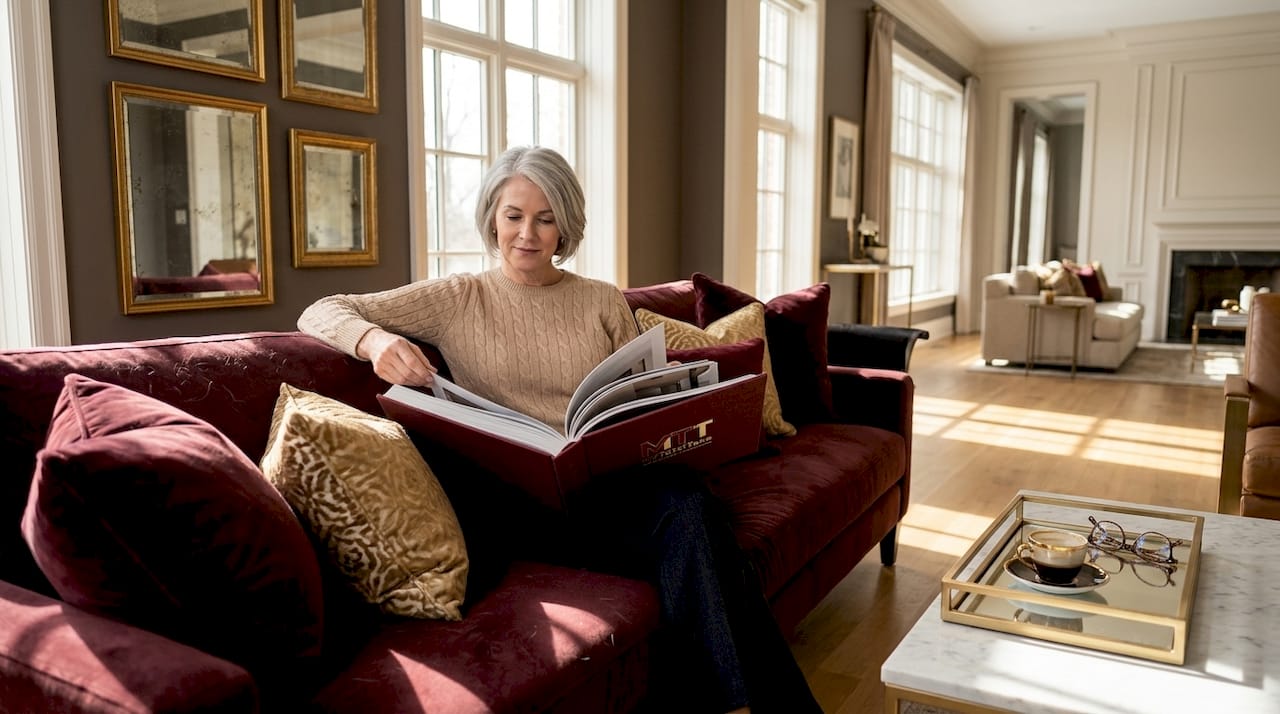
Most homeowners assume luxury is simply about spending more. Add a marble countertop, install a designer chandelier, hang statement art, and the job is done. But that thinking misses what genuine luxury home enhancement actually delivers. Real luxury isn’t a single flashy upgrade or a price point on a receipt. It’s a deliberate, layered approach that transforms how you live, how you feel in your space, and how your home performs over time. This guide breaks down the true meaning of luxury enhancement, its measurable impact on daily life, its financial reality, and how to plan upgrades that pay off on every level.
Table of Contents
- Redefining luxury: Beyond aesthetics and price tags
- Functionality, livability, and joy: How luxury changes daily life
- Luxury and ROI: Smart spending and the pitfalls of over-improvement
- Choosing luxury wisely: Frameworks for intentional home enhancement
- Luxury done right: What most guides miss
- Explore luxury for your home: Expert resources and curated products
- Frequently asked questions
Key Takeaways
| Point | Details |
|---|---|
| Luxury is intentional | True luxury upgrades prioritize careful planning, not just price or aesthetics. |
| Boosts daily life | Luxury enhancements dramatically increase homeowner satisfaction and livability. |
| Smart spending matters | Align upgrades to market and durability for best value and ROI. |
| Frameworks guide decisions | Expert methodologies help ensure functional, beautiful, and lasting results. |
Redefining luxury: Beyond aesthetics and price tags
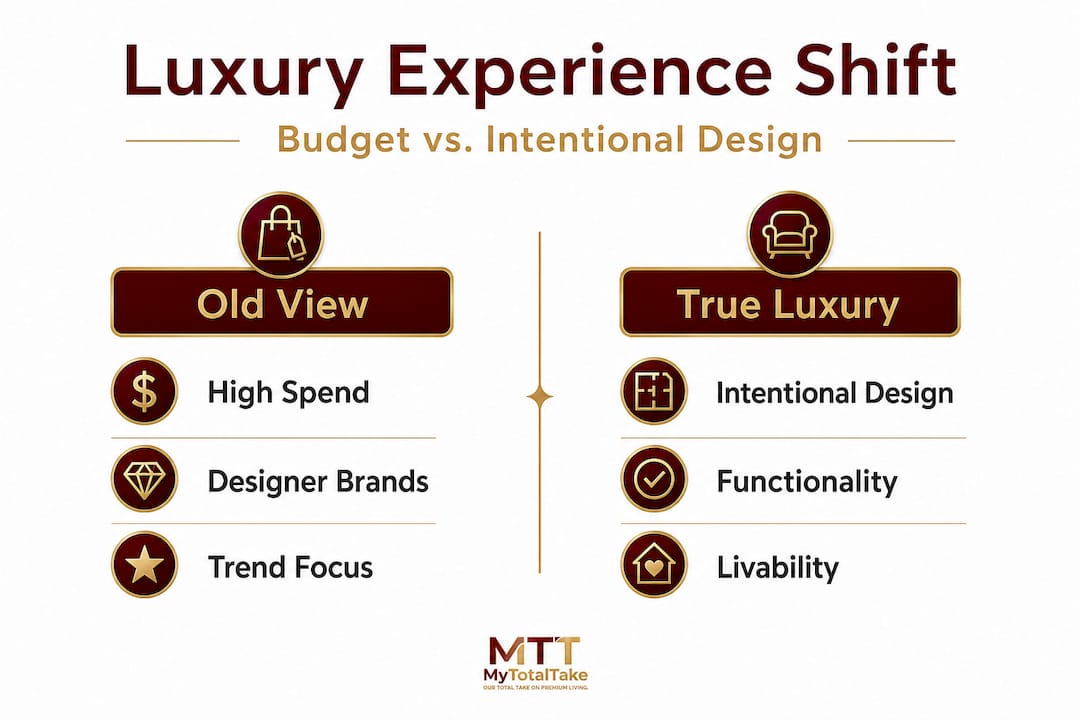
The most common misconception about luxury home enhancement is that it’s purely a spending category. Spend enough, and your home becomes luxurious. That’s simply not accurate. Genuine luxury is defined by intentionality, precision, and the consistent experience your space delivers to everyone who lives in it.
According to the Luxury Home Design Guide, “luxury” is best understood as precision planning combined with correct material and lighting specification. The implication is significant: you can invest heavily in the wrong materials, in the wrong configuration, and still produce a space that feels underwhelming. Conversely, a thoughtful combination of quality materials, purposeful design, and expert installation can create a genuinely luxurious experience at a fraction of the cost of a poorly planned high-budget project.
Understanding craftsmanship in decor is essential here. Craftsmanship refers to the precision and skill embedded in every element, from the joinery in custom cabinetry to the hand-finishing on statement furniture. These qualities are invisible in a photograph but deeply felt when you live with them daily.
“True luxury is not the absence of simplicity. It is the presence of intention.”
Here’s a quick comparison to illustrate the distinction:
| Factor | Common misconception | True luxury standard |
|---|---|---|
| Budget | Higher spend = better results | Spend is proportional to quality of outcome |
| Materials | Expensive materials = luxury feel | Correct materials for context = luxury feel |
| Aesthetics | Visually impressive at all costs | Visually coherent, functional, and lasting |
| Planning | Reactive, trend-driven choices | Precision planning around lifestyle needs |
| Outcome | Impressive at first glance | Satisfying and livable over years |
Recognizing how design impacts luxury at every level helps homeowners make choices that hold up over time, not just choices that photograph well for a short-lived moment of admiration.
The practical takeaway: luxury is an experience problem, not a budget problem. Your goal is to engineer spaces that reward daily use, that hold their integrity across years, and that reflect a clear design vision rather than a random collection of expensive items.
Functionality, livability, and joy: How luxury changes daily life
Once luxury is understood as experience-driven rather than price-driven, the next question becomes: what real difference does it make in your everyday life? The data here is compelling and often overlooked in conversations about home improvement.
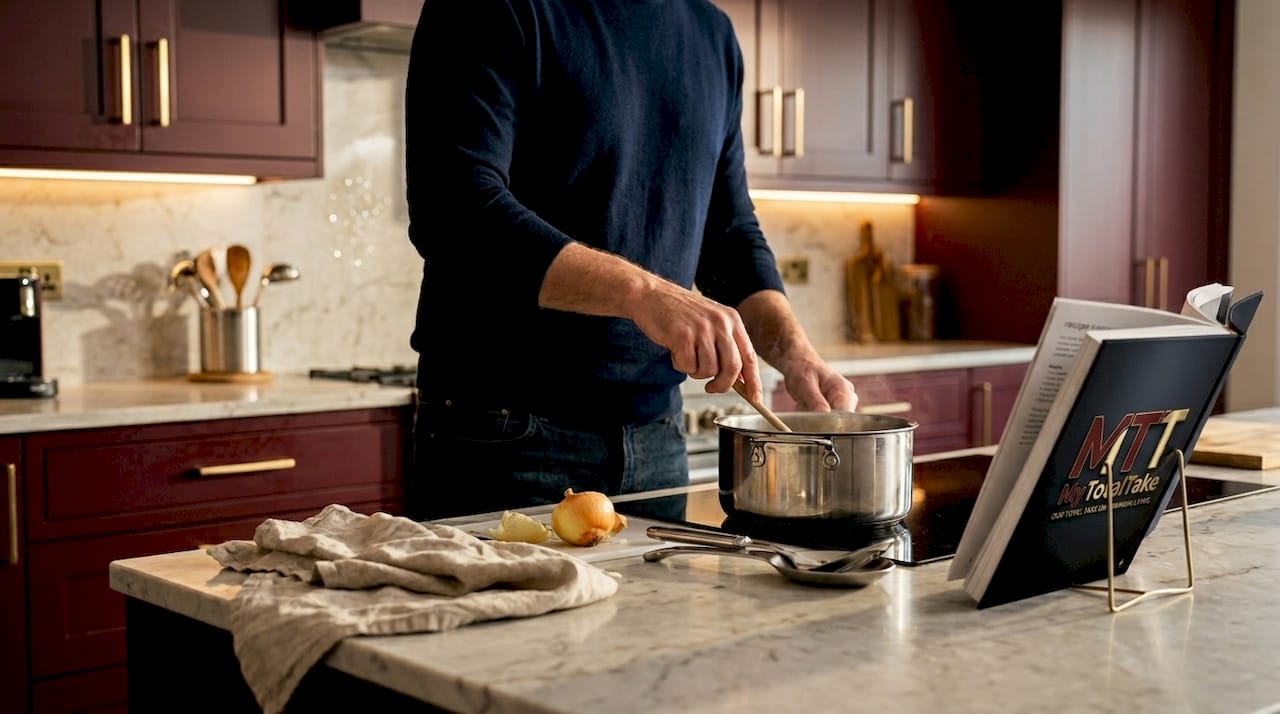
The 2025 Remodeling Impact Report from NARI found that homeowners who completed significant remodeling projects reported a 64% greater desire to spend time in their home, along with a 46% increase in enjoyment of the space. Those aren’t abstract metrics. They translate directly into a better quality of life, more time spent at home with family, and a deeper emotional connection to your living environment.
The highest-ranked outcomes among luxury remodeling homeowners consistently include:
- Improved functionality: Spaces that work the way they should, with smart layouts, quality fixtures, and efficient flow.
- Enhanced livability: Rooms designed around how you actually live, not just how they look in a design magazine.
- Increased durability: Premium materials that don’t require constant upkeep or replacement.
- Stronger emotional connection: A home that genuinely feels like yours, curated and intentional.
The role of luxury tech upgrades is particularly worth noting here. Integrating high-performance technology, whether climate control, lighting automation, or premium audio systems, doesn’t just add convenience. It fundamentally changes how every room functions and feels. A bedroom with automated blackout shades and precisely tuned ambient lighting feels categorically different from a room with standard curtains and overhead bulbs, even if both rooms use identical furniture.
Premium smart upgrades that are well-integrated tend to produce exactly this kind of compounding effect. One quality upgrade elevates adjacent features, making the entire space feel more refined and considered.
For inspiration on how these principles apply across different room types and styles, exploring modern luxury ideas offers a useful reference point for homeowners in the planning stage.
The key insight from the data is this: luxury enhancements aren’t a vanity exercise. They measurably improve how much you want to be home, how much you enjoy your space, and how well your home supports the life you want to live.
Luxury and ROI: Smart spending and the pitfalls of over-improvement
Understanding luxury’s impact on daily life leads naturally to a harder question: does it pay off financially? The honest answer is nuanced. Some luxury upgrades deliver strong cost recovery at resale. Others can actually reduce your return if they push your home above what the local market expects.
According to a detailed analysis of high-end vs budget renovations, some luxury upgrades recoup significantly less at sale unless they’re aligned with local buyer expectations. A $150,000 kitchen remodel in a neighborhood where comparables sell for $600,000 will rarely return that full investment. The same kitchen in a $2 million neighborhood might recover most of it. Market context is everything.
Data from NAR on remodeling resale value shows that estimated cost recovery ranges widely by project type. Hardwood floor refinishing and standard bathroom updates often return 70 to 80 percent of cost. Highly customized, amenity-heavy upgrades frequently fall well below 50 percent recovery.
Here’s how key upgrade categories compare:
| Upgrade type | Typical cost recovery | Notes |
|---|---|---|
| Hardwood floor refinishing | 147% | Highest return; broad buyer appeal |
| Minor kitchen remodel | 96% | Functional upgrades outperform luxury ones |
| Bathroom update | 71% | Market-aligned finishes perform best |
| Major kitchen overhaul | 52% | High cost, diminishing ROI |
| Custom home theater | 30-40% | Niche appeal limits broad market return |
| Luxury pool or spa | 25-50% | Climate and market dependent |
The most financially sound luxury upgrades share several characteristics:
- They improve functionality, not just appearance.
- They align with what comparable homes in the neighborhood offer.
- They use durable materials that reduce long-term maintenance costs.
- They appeal to a wide range of future buyers rather than a narrow niche.
Pro Tip: When evaluating a luxury upgrade, separate your “daily joy” investment from your “market-comparable” investment. A home theater might add enormous personal satisfaction with minimal financial return. That’s fine, as long as you go in with clear eyes. The luxury styles guide can help you identify which aesthetic choices have the broadest enduring appeal.
One often-overlooked consideration is the art of thoughtful display. Understanding how to arrange high-end wall art in luxury spaces, for example, is a relatively low-cost upgrade that improves both daily enjoyment and the perceived value of a space during a sale. Small, skilled decisions like these consistently outperform expensive, poorly considered ones.
Choosing luxury wisely: Frameworks for intentional home enhancement
With pitfalls and ROI clarified, the practical question becomes: how do you plan luxury upgrades with enough intention to get the outcome you actually want?
The starting point comes from a core insight: luxury home enhancement is fundamentally a specification problem. As outlined in the guidance on pricing custom millwork for luxury homes, the quality of any luxury outcome depends on materials, installation, and maintenance working together. Get one of those wrong, and even the most beautiful surface-level investment starts to deteriorate. Get all three right, and your enhancement becomes genuinely heirloom-worthy.
Here is a practical framework for planning any significant luxury upgrade:
- Visualize the end state before committing. Collect images, visit showrooms, and create a mood board that captures how the space should feel, not just how it should look.
- Prioritize materials with a track record. Solid hardwoods, hand-finished stone, and quality metalwork age beautifully. Trendy surface finishes often don’t.
- Separate functional investments from purely aesthetic ones. A precision-engineered plumbing system is a functional investment. A decorative tile backsplash is aesthetic. Both have their place, but they should be evaluated differently.
- Research installation quality as seriously as product quality. Even the finest materials fail with poor installation. Vet tradespeople as carefully as you vet products.
- Factor in long-term maintenance before you buy. Polished marble in a high-traffic entryway requires regular sealing and professional care. Engineered stone in the same location may deliver 90 percent of the visual appeal with a fraction of the upkeep.
For specific categories, there are a few additional considerations that separate good luxury decisions from great ones:
- Outdoor spaces: Lasting luxury furniture demands weather-resistant materials that hold their form and color over years of exposure. Teak, powder-coated aluminum, and solution-dyed acrylic fabrics are proven performers.
- Outdoor living overall: Designing elevated outdoor living spaces means thinking in terms of flow, shelter, lighting, and year-round usability, not just choosing attractive furniture.
- Lighting: Lighting specification is one of the highest-leverage, lowest-cost ways to transform the perceived quality of any space. Layered lighting with dimmer control and warm color temperature produces a premium feel regardless of other materials.
Pro Tip: Before you finalize any luxury upgrade plan, walk through your home at different times of day and in different lighting conditions. You’ll immediately see which spaces feel most in need of attention and which solutions will have the greatest daily impact on your experience.
Luxury done right: What most guides miss
Most luxury home enhancement guides focus on two things: inspiration and budget. What they often skip is the harder, more important conversation about alignment. The best luxury homes aren’t the most expensive ones. They’re the ones where every decision was made with a clear understanding of purpose, context, and the life being lived inside them.
We’ve seen homeowners invest six figures in upgrades that left them vaguely dissatisfied. Not because the quality was poor, but because the choices didn’t reflect how they actually lived. A formal living room filled with pristine furnishings that no one uses. A custom wine cellar in a home where the owners rarely entertain. Beautiful, perhaps. Luxurious, not really.
Genuine luxury requires resisting the pull of trend cycles. What looks current in a design magazine today often feels dated within a decade. The homeowners who consistently achieve lasting satisfaction are the ones who ask “does this genuinely improve my life?” before they ask “does this look impressive?” Understanding how design impacts luxury at the daily-living level helps clarify that question.
The real secret is a three-part balance: intention, craftsmanship, and market awareness. Intention ensures your upgrades serve your life. Craftsmanship ensures they endure. Market awareness ensures you don’t inadvertently compromise your home’s financial standing. When all three are in place, luxury enhancement becomes one of the most rewarding investments a homeowner can make, not just in terms of resale value, but in terms of the life you build inside those walls.
Explore luxury for your home: Expert resources and curated products
If this guide has shifted the way you think about luxury home enhancement, the next step is putting those principles into action.

At mytotaltake.com, we’ve curated a collection of resources and products designed specifically for homeowners who want to invest with intention. Whether you’re exploring curated luxury decor rooted in real craftsmanship, searching for inspiration through modern decor ideas that balance elegance with livability, or planning an outdoor transformation with our outdoor luxury guide, our platform connects you with quality that lasts. Browse our collections, discover expert-informed selections, and start building the home that genuinely reflects the way you live.
Frequently asked questions
Does luxury home enhancement increase resale value?
Certain luxury upgrades boost resale value if they match buyer expectations and market trends, but not all projects guarantee high cost recovery, making market alignment essential.
How can homeowners avoid overspending on luxury upgrades?
Focus on upgrades that improve durability and functionality, and ensure enhancements align with local market standards to avoid over-improvement. Overspending can lead to diminishing returns when upgrades exceed what buyers in your market will pay.
What are the most valued outcomes of luxury remodeling?
The top outcomes are improved functionality, enhanced livability, and increased enjoyment of home spaces. The 2025 Remodeling Impact Report identifies improved functionality, durability, and beauty as the leading drivers of homeowner satisfaction after remodeling.
Is luxury only about expensive materials, or are there other factors?
Luxury is defined by intentional planning, design consistency, and functionality, not price alone. The Luxury Home Design Guide frames it as precision planning combined with correct material and lighting specification, both of which can be achieved across a range of budget levels.
How should I maintain high-end home enhancements?
Consider maintenance requirements before purchasing any luxury material or fixture, prioritizing options that are durable and easy to care for to ensure long-term value and daily enjoyment without excessive upkeep demands.
Recommended
Comments
[…] Why luxury home enhancement truly transforms your life […]
[…] Why luxury home enhancement truly transforms your life […]







Leave a comment