
The Role of Luxury in Personal Space and Well-Being
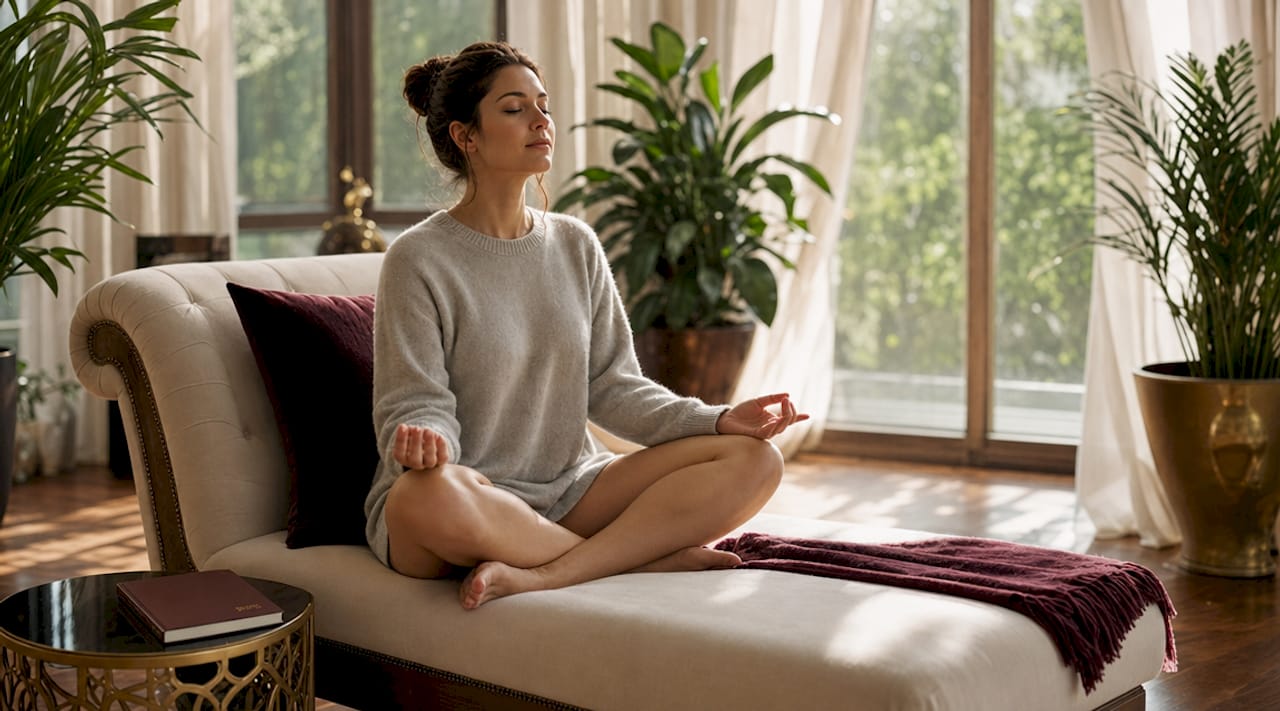
Luxury in personal space is the practice of designing environments that restore the mind, support the body, and reflect individual identity through intentional comfort rather than decorative excess. The role of luxury in personal space has shifted decisively in 2026: discerning homeowners now measure success by acoustic insulation, air quality, and emotional resonance rather than square footage or visible opulence. Wearable technology has accelerated this shift, giving people sleep performance data that directly informs how they design their bedrooms and private retreats. The result is a new standard where purposeful, livable luxury defines what a premium home actually means.
What is the role of luxury in personal space?
Luxury and personal space intersect most powerfully at the level of psychological comfort. The EMOHTIONS method, a Conscious Emotional Design framework, uses multisensory co-design workshops and deliberate material selection to align every design decision with the occupant’s emotional needs. This approach treats stress reduction and sensory satisfaction as measurable outcomes, not afterthoughts. When a space is designed this way, residents report higher satisfaction and a stronger sense of belonging.
Biophilic design is the most well-documented tool for achieving this. Incorporating plants, natural light, and water features measurably improves stress reduction and occupant restoration in luxury homes. This means a living room with a planted wall and diffused daylight delivers genuine physiological benefits, not just visual appeal. For a deeper look at how natural elements translate into bedroom design specifically, the guide on biophilic bedroom decor offers practical starting points.
The importance of luxury at home also shows up in measurable comfort metrics that most people overlook:
- Acoustic insulation: Reducing ambient noise lowers cortisol and supports deeper sleep cycles.
- Air quality: HEPA filtration and low-VOC materials reduce respiratory irritants and improve cognitive clarity.
- Layered lighting: Tunable LED systems that shift from cool daylight to warm amber support circadian rhythms throughout the day.
- Temperature control: Zoned HVAC or radiant floor heating lets each room match its occupant’s thermal preference.
Pro Tip: Before investing in new furniture or decor, audit your space for acoustic and air quality issues first. Fixing these invisible comfort factors delivers more measurable well-being gains than any decorative upgrade.
The psychology of luxury in everyday living confirms that calm and comfort, not expensive finishes, define how people actually experience luxury. A space that reduces daily friction through smart lighting controls and intuitive circulation feels more luxurious than one filled with costly materials that serve no functional purpose. This is the core principle behind the importance of luxury at home: design that works for you, every single day.
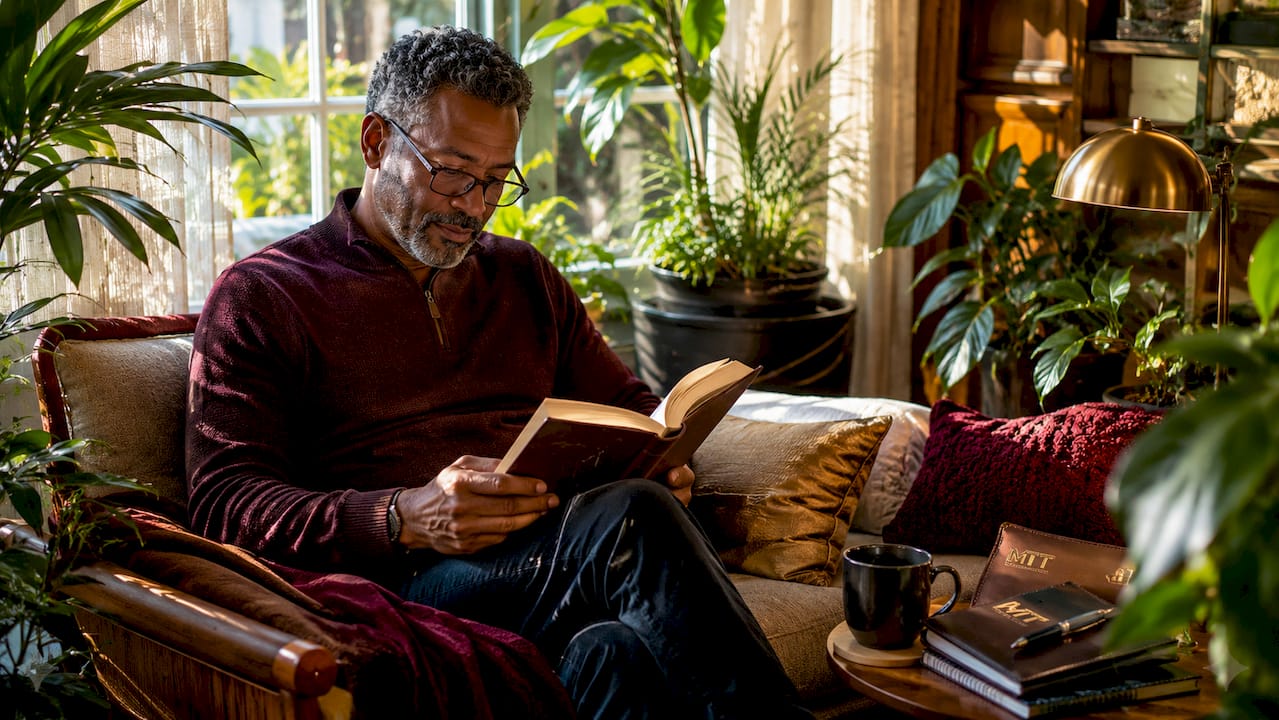
How does autonomy shape luxury personal spaces?
The clearest signal of how luxury lifestyle and comfort have evolved is the growing demand for separate primary bedrooms. Wealthy couples request separate sleep spaces to accommodate different schedules, snoring, menopause symptoms, jet lag, and climate preferences, with sleep data from wearables like Oura Ring and WHOOP directly informing these decisions. This is not a sign of relationship strain. It is a data-driven investment in individual restoration.
“Luxury is no longer about impressing guests. It’s about designing a space that genuinely serves the person who lives in it, every morning and every night.” — Sarah Barnard Design
The Architecture of Autonomy framework links improved sleep quality and relationship satisfaction directly to individual sleep environments designed around each occupant’s preferences. When each person controls their own sensory environment, both rest and partnership benefit. The design strategies that make this work follow a clear sequence:
- Separate circulation paths: Each suite has its own entry point, reducing disturbance during different wake and sleep times.
- Individual thermal zones: Separate HVAC controls or heated mattress pads like those from Eight Sleep let each person set their preferred temperature.
- Personalized acoustic environments: One room may use heavy drapery and acoustic panels; the other may rely on white noise systems from Marpac or LectroFan.
- Distinct aesthetic identities: Each space reflects the occupant’s personal taste, from material choices to art selection, reinforcing a sense of ownership and identity.
Personal space design with luxury at this level also supports what designers call “buffering.” Vestibules, galleries, and intuitive circulation protect privacy and reduce friction in high-end bedroom suites. A short entry gallery between a bedroom door and the sleeping area creates a psychological transition zone, signaling to the brain that rest is imminent. This is a detail that costs relatively little but delivers outsized comfort returns.
How do materials, light, and layout define luxury interiors?
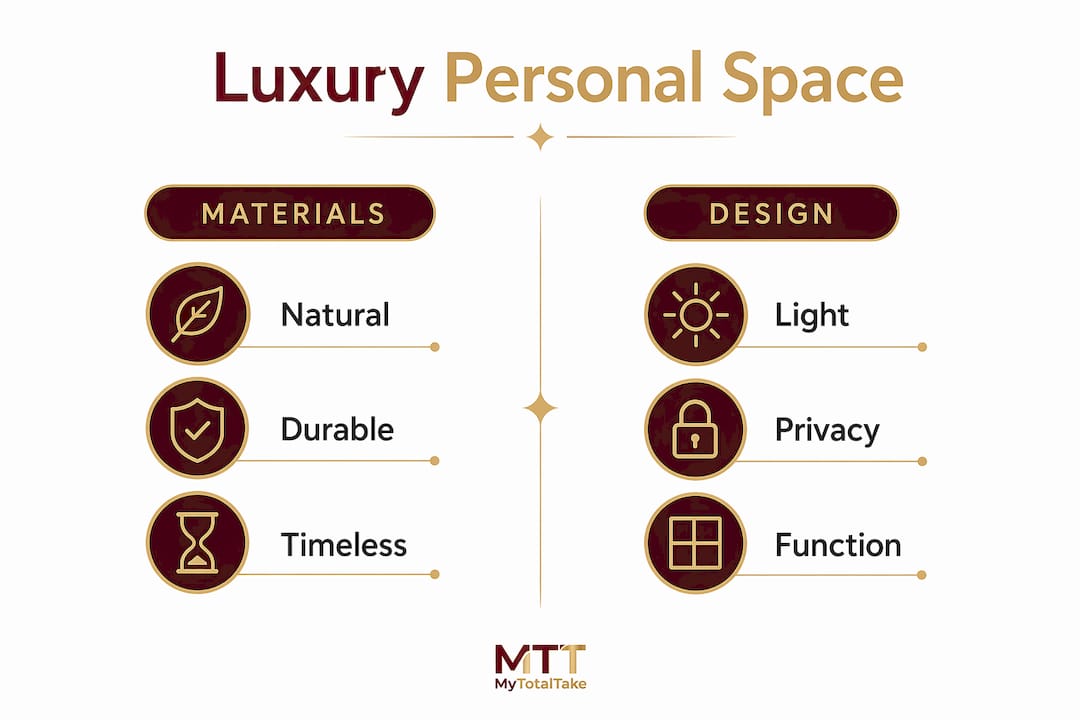
Creating luxury in interiors is fundamentally about choosing elements that age well and function beautifully rather than elements that photograph well and fade quickly. The contrast between quiet luxury and traditional opulence is stark:
| Feature | Quiet luxury | Traditional opulence |
|---|---|---|
| Material choice | Linen, stone, solid oak, plaster | Gilded surfaces, synthetic veneers, high-gloss lacquer |
| Lighting approach | Tunable natural and layered artificial light | Statement chandeliers, uniform overhead lighting |
| Color palette | Warm neutrals, earthy tones, tonal layering | Bold contrasts, trend-driven accent colors |
| Longevity | Designed to last decades | Designed to impress in the moment |
| Emotional effect | Calm, restorative, personal | Impressive, formal, performative |
Natural light is the single most powerful tool in personal space design with luxury. Daylight regulates cortisol and melatonin, supports mood stability, and makes spaces feel larger and more connected to the outside world. Architects working on high-end residential projects now treat daylight as a structural priority, not a finishing detail.
Privacy and light are not mutually exclusive. Interior courtyards and buffering strategies allow homes in dense urban settings to flood interiors with natural light while maintaining complete visual privacy from neighbors and the street. Specht Novak’s windowless home concept demonstrates that turning inward architecturally can produce spaces that feel more open and restorative than conventional window-heavy designs. This approach is particularly relevant for urban apartments where privacy is a genuine constraint.
Pro Tip: If a full architectural renovation is not possible, use interior skylights, light tubes, or strategically placed mirrors to redirect and amplify natural light in rooms that currently feel dim. The well-being return on this investment is significant.
The role of aesthetics in personal space is to support function, not compete with it. Enduring materials like honed marble, brushed brass, and hand-finished plaster develop character over time. They signal quality through texture and weight rather than through price tags or brand logos. This is the definition of intentional luxury home design: coherence in function and flow that makes everyday life feel effortless.
Practical ways to create luxury in your personal space
The benefits of luxury surroundings are accessible without a full renovation. The most effective changes target the sensory and functional layers of a space rather than its surface appearance.
- Invest in furniture that earns its place. A sofa that supports correct posture, a dining chair with genuine lumbar comfort, and a bed frame built from solid hardwood deliver daily returns. Craftsmanship is visible in joinery, weight, and how a piece feels after five years of use. The guide on ergonomics in home design explains how furniture geometry directly affects physical and emotional comfort.
- Introduce biophilic elements deliberately. A single large-format plant like a fiddle-leaf fig or monstera in a living room corner, a small water feature in an entryway, and linen curtains that filter rather than block daylight all contribute to a restorative atmosphere without requiring structural changes.
- Design your lighting in three layers. Ambient light sets the room’s base tone. Task lighting supports focused activities like reading or cooking. Accent lighting draws attention to art, texture, or architectural features. Brands like Lutron offer programmable dimmer systems that let you shift between these layers with a single tap.
- Prioritize intentional decor over accumulation. Every object in a luxury personal space should have a reason to be there, whether functional, sentimental, or genuinely beautiful. Removing three items that no longer serve a purpose does more for a room’s luxury feel than adding one new one.
- Use zoning to create privacy within open plans. A low bookcase, a change in flooring material, or a ceiling-mounted curtain track can define a reading nook or meditation corner within a larger room, giving you a private retreat without walls.
Pro Tip: When choosing luxury bedding for comfort, prioritize temperature regulation over thread count. Materials like Tencel, bamboo, and long-staple cotton perform better for most sleepers than high-thread-count synthetic blends.
How luxury influences living comes down to reducing the number of small frictions you encounter each day. A well-placed reading lamp, a drawer that opens smoothly, a shower with precise pressure control: these details accumulate into a lived experience that feels genuinely elevated. The premium home decor insights at Mytotaltake cover how intentional decor choices translate directly into daily comfort.
Key takeaways
Luxury in personal space is defined by emotional resonance, autonomy, and purposeful design rather than decorative excess or status display.
| Point | Details |
|---|---|
| Emotional design drives luxury | The EMOHTIONS method and biophilic strategies measurably improve well-being beyond surface aesthetics. |
| Autonomy is the new opulence | Separate sleep sanctuaries and personalized sensory environments improve rest and relationship satisfaction. |
| Materials and light outlast trends | Natural stone, solid wood, and tunable daylight deliver lasting comfort that trend-driven finishes cannot match. |
| Friction reduction defines quality | Intuitive circulation, layered lighting, and acoustic comfort create luxury through daily ease, not visual impression. |
| Intentional decor over accumulation | Fewer, better-chosen objects with clear purpose produce a more restorative and genuinely luxurious environment. |
Why I think we’ve been measuring luxury wrong
I’ve spent years watching clients spend significant budgets on interiors that looked extraordinary in photographs and felt hollow to live in. The pattern is consistent: when luxury is defined by what impresses others, the space fails the person who actually inhabits it.
The shift I’ve observed most clearly in recent years is clients arriving with sleep data. They know their REM cycles, their overnight heart rate variability, their temperature fluctuations. They want spaces designed around that data, not around a mood board. This is a profound change. It means the bedroom is now being treated as performance infrastructure, not just a decorative room.
What this tells me is that the most meaningful luxury investment you can make is in the quality of your daily experience, not the resale value of your finishes. A room that makes you feel calm when you walk in, that supports your sleep, that reflects who you actually are rather than who you want others to think you are: that is the real definition of luxury in personal space.
The clients who get this right share one habit. They ask “how does this make me feel?” before “how does this look?” That single question reorients every design decision toward genuine well-being. I’d encourage you to apply it to every room you’re considering changing.
— Lysander
Bring lasting luxury into your personal space with Mytotaltake

The principles in this article point toward one consistent truth: luxury personal spaces are built from pieces that earn their place through comfort, craftsmanship, and lasting design. Mytotaltake curates furniture built for daily life that balances genuine comfort with timeless style, from solid-frame seating to bedroom pieces designed around how you actually rest. The high-end decor collection extends this philosophy to every room, with options chosen for emotional resonance and enduring quality rather than trend appeal. If you’re ready to design a personal space that genuinely serves your well-being, Mytotaltake is where that process starts.
FAQ
What does luxury in personal space actually mean?
Luxury in personal space means designing environments that prioritize emotional comfort, autonomy, and daily ease over decorative display. The standard has shifted from visible opulence to purposeful, livable design that supports well-being.
How does biophilic design contribute to a luxury home?
Biophilic design incorporates plants, natural light, and water features to measurably reduce stress and improve restoration in residential spaces. It is one of the most evidence-backed tools for creating genuinely restorative luxury environments.
Why are separate bedrooms considered a luxury feature?
Separate sleeping sanctuaries allow each occupant to control their own thermal, acoustic, and sensory environment, which research links to improved sleep quality and relationship satisfaction. Wearable sleep data has made this a data-driven design decision rather than a lifestyle preference.
What are the most impactful changes for creating luxury at home?
Layered lighting, acoustic insulation, natural materials, and intentional furniture selection deliver the highest well-being returns. Reducing daily friction through smart design choices consistently outperforms purely decorative upgrades.
How does quiet luxury differ from traditional opulence?
Quiet luxury uses enduring natural materials, tunable lighting, and calm neutral palettes to create spaces that age well and feel restorative. Traditional opulence prioritizes visual impact and status signaling over everyday comfort and longevity.







Leave a comment