
Guide to Setting Up a Home Theater Room
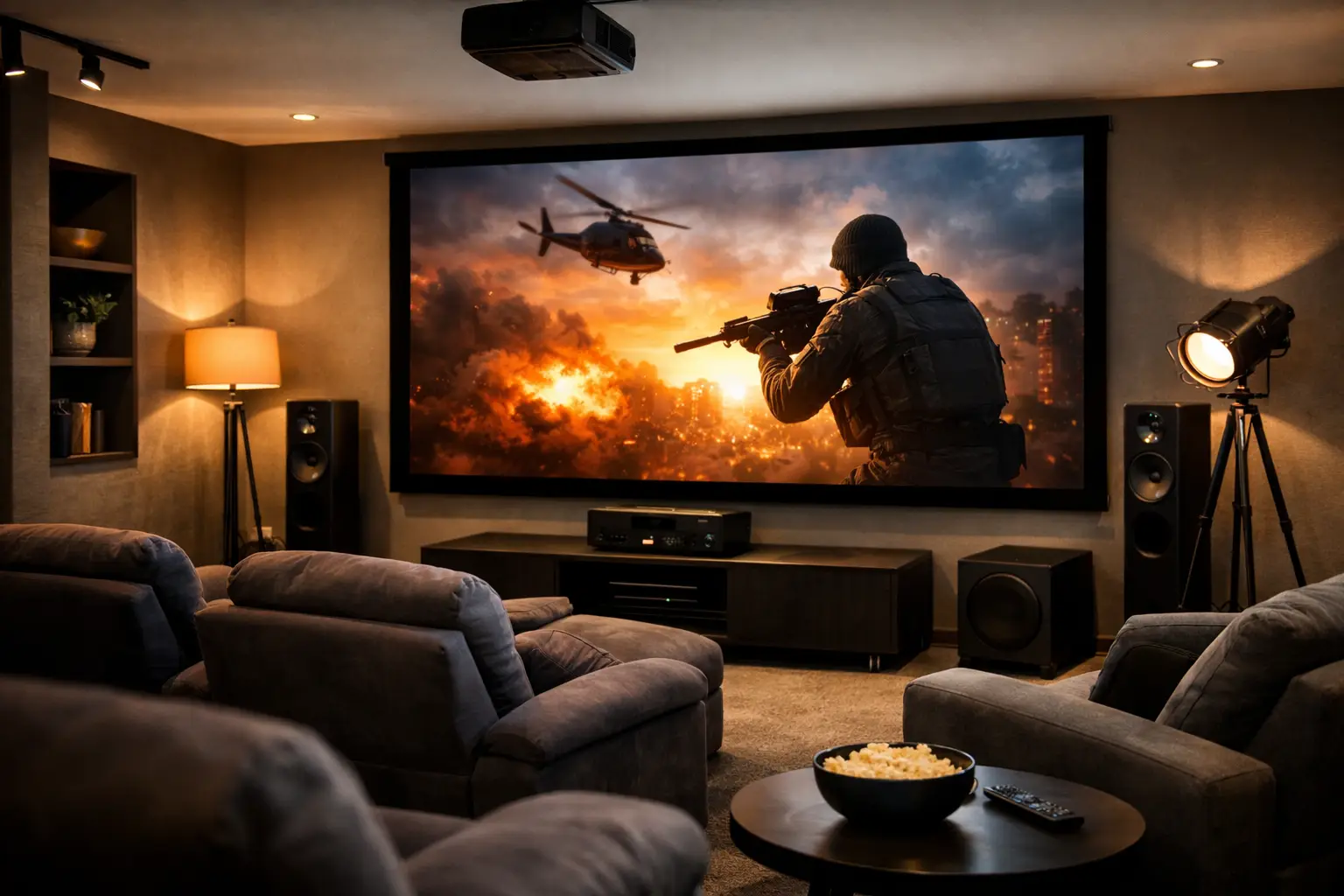
The difference between a room with a big screen and a true cinema experience usually comes down to a few quiet decisions – where the seating sits, how the light behaves, and whether the sound is placed with intention instead of convenience. A thoughtful guide to setting up a home theater room is less about filling a space with expensive gear and more about creating a refined environment that feels immersive every time you press play.
A well-designed theater room should look as good with the lights on as it performs with the lights down. That balance matters, especially for homeowners and apartment dwellers who want elevated comfort without turning a room into a cluttered tech zone. The best setups feel edited, not overloaded.
Start with the room, not the equipment
Before choosing a projector, speaker package, or reclining sectional, look at the room itself. Its size, shape, ceiling height, and natural light will determine more than any spec sheet. A long, rectangular room is often easier to tune for sound and screen placement than a perfectly square one, which can create more acoustic issues. If you have options, choose the room that gives you the most control over light and noise.
Dedicated media rooms offer the greatest flexibility, but a spare bedroom, finished basement, or den can perform beautifully when planned with care. If the room has large windows, you will need a more deliberate light-control strategy. If it opens into the kitchen or living area, sound containment becomes part of the design conversation.
This is the first trade-off to accept: not every space needs to become a blacked-out screening room. For many households, a luxurious multipurpose theater room is the smarter move. You can still achieve impressive performance while preserving comfort, style, and everyday usability.
A guide to setting up a home theater room with the right screen
Your screen choice sets the tone for the entire room. For some spaces, a large-format TV is the most elegant answer. It is simpler to install, performs better in brighter rooms, and often delivers excellent contrast with minimal setup. If your theater room doubles as a casual lounge or family space, this route is hard to argue against.
A projector, on the other hand, brings scale and drama that a TV rarely matches. It works best in rooms where you can control ambient light and commit wall space to the screen. If movie nights are the priority and you want that cinematic sense of immersion, projection is often worth the extra planning.
Screen size should match both your room and your seating distance. Bigger is not always better if it overwhelms your field of view or exposes lower-quality source material. As a general rule, the farther your main seating position is from the screen, the larger you can go comfortably. But comfort matters more than bragging rights. A crisp, well-proportioned display will feel more premium than an oversized setup that dominates the room.
Screen placement matters more than most people expect
The center of the screen should sit close to eye level from your primary seats. Mount it too high and every movie becomes a neck exercise. This is one of the most common mistakes in stylish media rooms, especially when the screen is forced above a fireplace. If elegance and performance are both goals, avoid that layout when possible.
Get the seating position right before anything else
The main seat is the anchor of the room. Once that position is established, speaker placement, screen height, and even accent lighting become easier to map. Start by deciding how many people the room needs to serve regularly, not occasionally. A theater room for two to four people can feel dramatically more luxurious than one crowded with extra seating for hypothetical guests.
Leave enough distance from the back wall so sound does not build up awkwardly behind listeners. If the room is deep enough for two rows, consider a riser for the rear row, but only if ceiling height supports it. Otherwise, a single row with generous spacing often feels more elevated.
Comfort is not just about plush cushions. It is about sightlines, legroom, cup placement, side tables, and the ease of moving through the room in low light. Premium seating should support long viewing sessions without making the room look bulky or overfurnished.
Sound is what turns a media room into a theater
People often obsess over display size and underinvest in audio, even though sound is what creates depth, tension, and realism. A midrange screen paired with a well-planned speaker system will usually feel more cinematic than a premium display with weak, shallow audio.
At minimum, aim for a true surround setup instead of relying on built-in TV speakers. A 3.1 or 5.1 system can already transform the experience, especially in smaller rooms. If your room allows it, moving into 7.1 or Dolby Atmos territory adds dimension that action films, concerts, and streaming series can genuinely showcase.
Choose speaker placement with intention
Front left, center, and right speakers should align closely with the screen so dialogue feels anchored to the image. The center channel deserves special attention because it handles much of the spoken content. If dialogue is muddy, the entire system feels less polished.
Surround speakers should support immersion without calling attention to themselves. The subwoofer adds impact, but placement will affect whether bass feels tight or boomy. This is where room size and wall materials matter. Sometimes one quality subwoofer is enough. In larger rooms, dual subwoofers can create a more balanced result.
If you prefer a cleaner aesthetic, in-wall or architectural speakers can preserve a tailored look. The trade-off is that they require more planning and may offer less flexibility later. Freestanding speakers are easier to adjust and upgrade, but they take up visual space. It depends on whether your priority is pure performance, a discreet design, or the balance between both.
Control light like a designer, not just a technician
Lighting shapes the mood before the first frame appears. The best theater rooms use layered lighting rather than one harsh ceiling fixture. Recessed lights on dimmers, low-glow sconces, and subtle floor-level illumination can make the room feel custom and inviting.
Blackout shades are one of the smartest upgrades you can make, particularly if the room is used during the day. Wall color also influences perceived contrast. Darker tones help the screen pop and reduce reflections, but you do not need to default to flat black. Deep charcoal, warm taupe, navy, and other rich matte finishes can feel sophisticated while still supporting performance.
Glossy surfaces, glass-heavy decor, and bright white walls tend to work against the cinematic effect. A theater room should absorb distraction, not bounce it around.
Keep technology organized and easy to use
Even the most beautiful setup loses its appeal if turning it on feels like operating a control booth. Simplicity is part of luxury. Your source devices, streaming hardware, receiver, gaming console, and smart controls should work together intuitively.
Hidden storage helps maintain a clean visual line, but ventilation matters. Components generate heat, and cramped cabinetry can shorten their lifespan. Cable management is equally important. Exposed wires immediately cheapen the look of an otherwise high-end room.
A universal remote or smart control system can make the entire experience feel more refined. One button for movie mode – screen on, lights dimmed, sound selected – is the kind of upgrade people appreciate every single day.
Decor should support the experience
A home theater room still belongs to your home, so it should reflect your taste. That does not mean overdecorating it with novelty signs and posters unless that is truly your style. In many cases, the more elevated approach is restraint: textured wall panels, understated art, sculptural lighting, and furniture with clean lines.
Soft materials do double duty here. Area rugs, upholstered seating, and drapery improve acoustics while adding warmth. If the room feels too sparse, sound can become sharp and echoey. If it feels too crowded, the room loses its calm, tailored character.
For shoppers building a polished entertainment space, this is where curated product choices matter. A few well-made pieces with lasting appeal will always outperform a room full of quick fixes.
Budget for balance, not extremes
The smartest theater rooms are rarely the ones that spend everything on one hero product. A giant screen paired with poor seating, weak sound, or uncontrolled lighting will feel unfinished. A balanced budget usually creates the better result.
If you are deciding where to invest, start with the elements that are hardest to change later: seating layout, wiring, light control, and audio placement. Screens and source devices are easier to upgrade over time. Furniture and room infrastructure are where planning pays off.
For many buyers, the sweet spot is a room that looks exceptional, sounds rich, and functions effortlessly without chasing every premium spec available. That is often the more sophisticated choice.
A beautiful theater room should make staying in feel like an event, whether it is a Friday-night premiere, a Sunday game, or a quiet rewatch of a favorite film. If the room feels comfortable, intentional, and easy to enjoy, you got the important part exactly right.








Leave a comment