
How to Pick the Right Area Rug
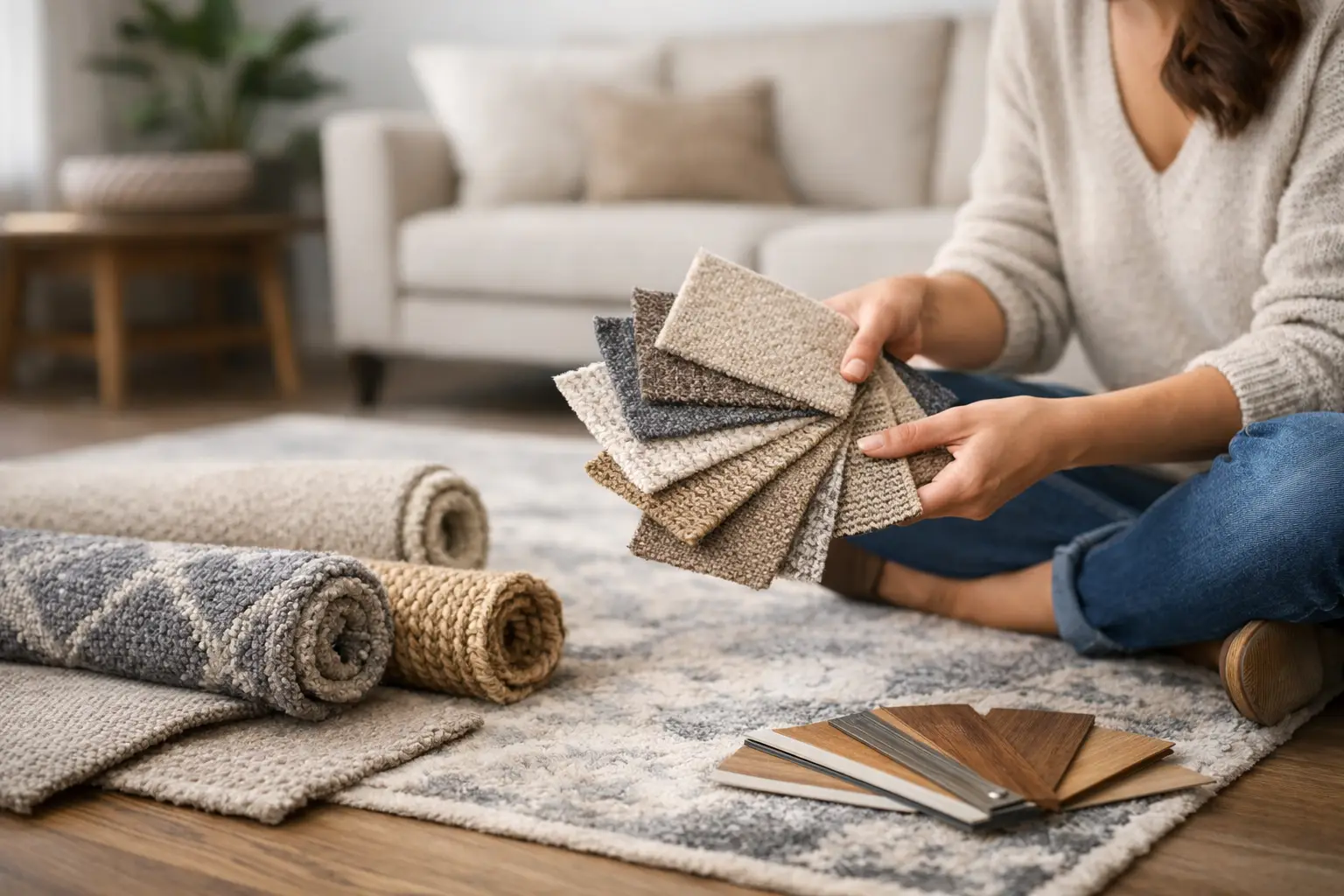
A rug that is too small can make a beautiful room feel unfinished. One that is too bold can overpower everything around it. If you have ever wondered how to pick the right area rug, the answer is less about following rigid rules and more about creating balance between scale, texture, comfort, and the way you actually live.
The right rug does more than fill floor space. It frames furniture, softens acoustics, adds warmth, and gives a room a sense of intention. In a well-designed home, it is not an afterthought. It is often the element that makes everything else look more expensive, more cohesive, and more considered.
How to Pick the Right Area Rug for Your Room
Start with the room itself, not the rug pattern. The best choice depends on how the space is used, how much foot traffic it gets, and whether the rug needs to feel decorative, practical, or both. A formal sitting room can support a more refined material and a quieter palette. A family room or dining area usually needs something more forgiving.
This is where many shoppers go wrong. They shop by color first, then try to force the rug into the room. It is usually smarter to decide on size, placement, and material before narrowing in on style. Once those fundamentals are right, the design choices become much easier.
Size comes first
If there is one decision that shapes the whole result, it is size. A rug that is too small tends to float awkwardly in the room and can make furniture look disconnected. Going larger usually creates a more luxurious effect.
In a living room, the most polished look is often achieved when at least the front legs of the sofa and chairs sit on the rug. In a larger layout, all major furniture can rest fully on it. If the rug only sits under the coffee table with empty floor all around, the room may feel visually fragmented.
In a dining room, the rug should extend well beyond the table so chairs remain on the rug even when pulled out. This is one of those practical details that has a major impact on comfort. A rug that catches chair legs every time someone sits down will never feel like a premium choice, no matter how attractive it looks.
For the bedroom, the rug should reach far enough around the bed to provide softness underfoot when you get up. You can place a large rug under the lower two-thirds of the bed and nightstands, or use the rug to frame the bed more broadly depending on room size. The goal is visual generosity, not precision for its own sake.
Choose material based on real life
Material determines how the rug feels, how it wears, and how much maintenance it asks of you. This is where style and lifestyle need to meet honestly.
Wool remains a favorite for good reason. It is soft, durable, naturally resilient, and brings a rich, substantial feel that suits elevated interiors. It tends to hold its appearance well in busy spaces, which makes it a strong investment for living rooms and bedrooms.
Synthetic fibers can be a smart option in high-traffic or spill-prone areas. They are often easier to clean, more budget-flexible, and well suited to homes with pets, kids, or heavy everyday use. If you want a refined look without constant worry, this category deserves consideration.
Natural fibers like jute, sisal, and seagrass introduce beautiful texture and a relaxed sophistication. They work especially well in rooms that need warmth without visual heaviness. The trade-off is comfort and stain resistance. These rugs can feel more coarse underfoot and may not be ideal where softness is the priority.
Cotton rugs are casual and versatile, often lighter in feel and easier to move or clean. They can work well in layered interiors or informal spaces, though they may not provide the same long-term structure and presence as wool or heavier woven materials.
Think about pile height
Pile changes both appearance and function. A plush, deep pile feels indulgent and inviting, especially in bedrooms or quieter lounges. It can instantly make a room feel softer and more intimate.
Lower-pile rugs are usually the practical choice for dining rooms, entryways, and active family spaces. They are easier to vacuum, simpler to maintain, and less likely to trap debris. If you are furnishing a room that sees constant motion, a sleek low pile often delivers a cleaner, more tailored finish.
Color and pattern should support the room
Once size and material are settled, color becomes far more strategic. The right area rug can anchor a palette, soften contrast, or introduce depth where a room feels flat.
If your furniture already makes a statement, the rug may work best as a grounding element. Neutral tones, subtle patterns, and layered textures can add polish without competing for attention. This approach tends to feel timeless and adaptable, especially in homes where accessories change seasonally.
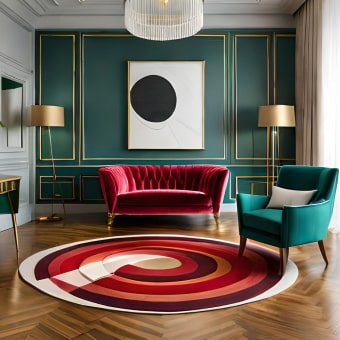
If the room feels too restrained, a rug can provide the visual energy it is missing. Patterned designs, richer tones, or stronger contrast can create movement and character. This works especially well in spaces with clean-lined furniture, where a rug can prevent the overall look from feeling too stark.
There is also a practical side to color. Very light rugs can look exquisite, but they show more wear in busy areas. Very dark rugs can be dramatic and sophisticated, but they may reveal lint or pet hair more quickly depending on the fiber. Mid-tone, multi-color, or patterned rugs often strike the best balance between beauty and ease.
Match the rug to your design style, not just the trend
Trends can be useful inspiration, but rugs cover a significant visual footprint. That means they influence the room every day, not just in a photo. It is worth choosing a style with staying power.
Modern interiors often pair well with geometric patterns, tonal layering, or abstract designs that feel architectural and clean. Traditional rooms can support more detailed motifs and richer color stories. Transitional spaces have the most flexibility, blending classic pattern with contemporary restraint.
If you are unsure, texture is often safer than a loud print. A beautifully made rug with subtle variation can still feel high-end and distinctive while leaving room for furniture, lighting, and decor to evolve.
Placement is what makes the rug look intentional
Even an exceptional rug can look off if placement is careless. The room should feel anchored, not crowded. Try to maintain a visible border of flooring around the rug so the space breathes, unless you are intentionally covering most of the room for a more expansive effect.
Symmetry matters too, especially in formal spaces. In a living room, center the rug with the main seating area rather than with the walls if the architecture is irregular. In a bedroom, align it with the bed so the layout feels calm and composed.
Layering can also be effective when done with restraint. A larger natural-fiber base rug with a smaller patterned rug on top can create depth and a collected look. This works best when both pieces clearly serve the room rather than competing for attention.
Know when function should lead
Some rooms ask more from a rug than others. Entryways need durability. Dining rooms need smooth chair movement. Family rooms need comfort and resilience. Bedrooms prioritize softness and quiet luxury.
This is why there is no single best rug for every home. A handcrafted wool rug may be perfect in a serene sitting area and less ideal beneath a dining table used daily by a busy household. A performance-oriented synthetic rug may not sound as romantic, but in the right setting it can be the smarter luxury because it supports how you live.
That balance between beauty and practicality is what separates a good purchase from one you second-guess. At a curated retailer like mytotaltake.com, the advantage is not simply having options. It is having access to designs that combine elevated style with real-world function.
How to feel confident before you buy
Before committing, measure carefully and consider taping the rug dimensions on the floor. This small step can reveal whether the room will feel balanced or cramped. Review your light sources as well, since color shifts noticeably between natural daylight and warm evening lamps.
It also helps to think about the room in layers. Your rug does not need to match every finish exactly, but it should relate to the broader story of the space. The wood tone, upholstery, wall color, and decorative accents should feel connected, even if the mix is intentionally varied.
A beautiful room rarely comes from choosing the most dramatic piece in isolation. It comes from selecting elements that elevate one another. The right area rug should feel like it belongs there the moment it arrives – grounded, refined, and quietly transformative.
When you choose with scale, material, and daily life in mind, the result is not just a better rug. It is a room that feels finished in the most effortless way.







Leave a comment