
What is modern home elegance? Luxury design explained
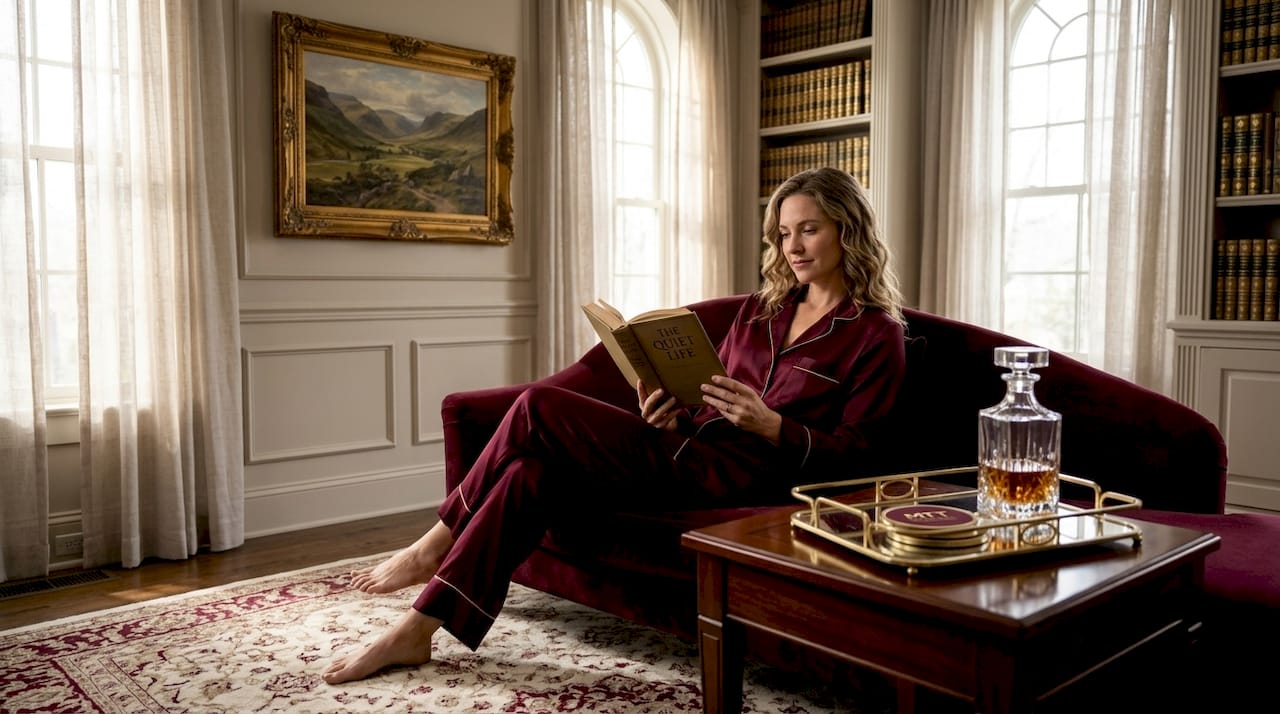
Most people assume luxury living means filling a home with expensive things. The grander the chandelier, the fuller the shelves, the more status-laden the brand names on display, the more refined the space must be. That assumption is almost entirely wrong. Modern home elegance operates on a different logic entirely. It is rooted in restraint, intentionality, and functional beauty rather than accumulation. This article breaks down exactly what modern home elegance means, how it differs from traditional luxury and generic modernism, and how you can apply its principles to create a home that genuinely feels composed, warm, and timeless.
Table of Contents
- How modern home elegance redefines luxury
- Quiet luxury: The nuance of understated elegance
- Editorial thinking: Creating visual balance and narrative cohesion
- Materials and lighting: The practical levers of modern elegance
- Invisible victories: Detail, transitions, and systems-level luxury
- Why real modern elegance is more than minimalist trends
- Bring modern elegance into your home
- Frequently asked questions
Key Takeaways
| Point | Details |
|---|---|
| Elegance equals intention | Modern home elegance comes from thoughtful choices and purposeful design, not abundance. |
| Quiet luxury is layered | Understated elegance uses warmth and quality materials—it’s more than minimalism. |
| Editorial thinking matters | Cohesion in home design creates a composed, sophisticated living experience. |
| Materials and lighting count | Tactile/natural materials and layered lighting are key to achieving modern elegance. |
| Invisible victories define luxury | True luxury is in the details, systems, and comfort—not just visible style. |
How modern home elegance redefines luxury
The term gets used loosely, so let’s establish a clear foundation. “Modern home elegance” is an approach to luxury interior design that emphasizes sophistication through clean lines, quality materials, restraint, and a functional balance between form and everyday living. It is not simply expensive furniture arranged in a white room. It is a deliberate system of decisions.
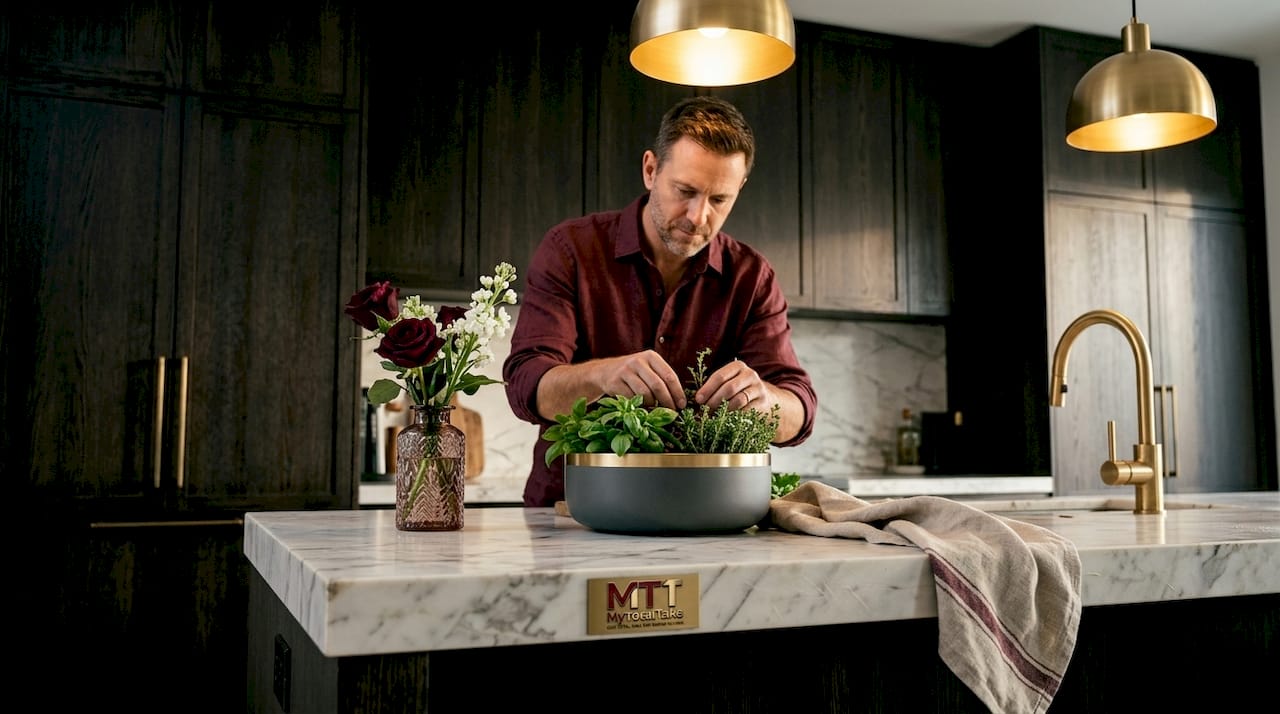
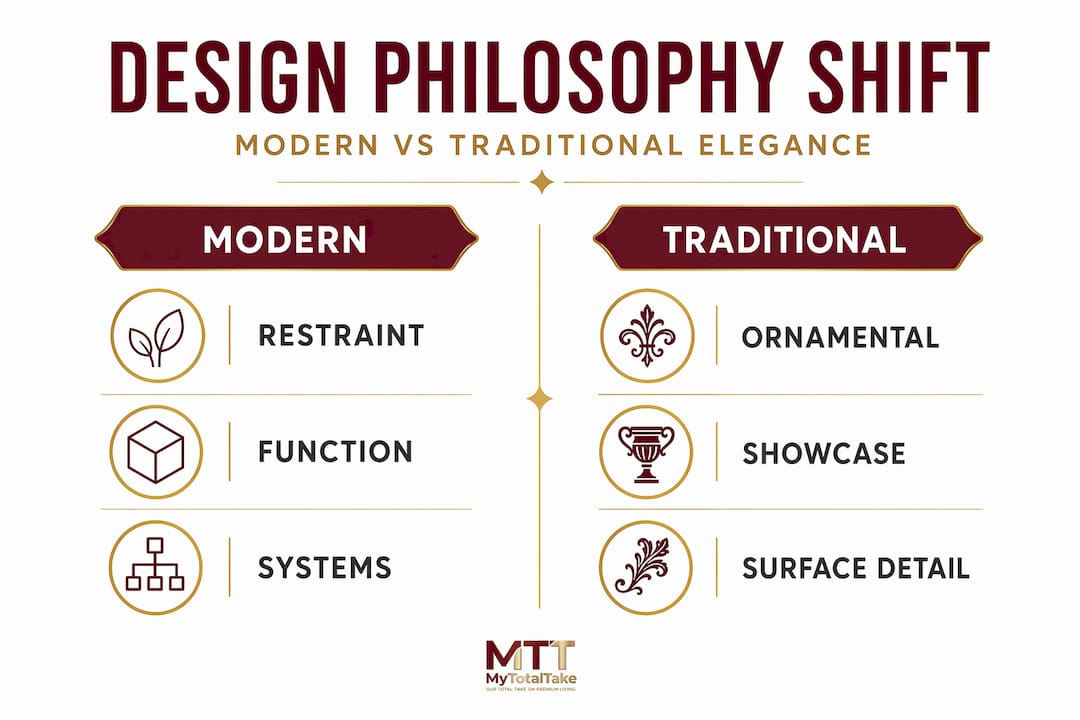
What separates modern elegance from traditional luxury is the philosophy behind each choice. Traditional luxury design often signals wealth through abundance: gilded frames, heavy drapery, ornate carvings, and layered opulence that says “I can afford more than I need.” Modern elegance inverts that logic. Here, high-end craftsmanship is chosen because it performs and endures, not because it announces itself loudly.
| Dimension | Modern home elegance | Traditional luxury | Generic modern |
|---|---|---|---|
| Core philosophy | Restraint and functionality | Abundance and status display | Trend-driven simplicity |
| Material focus | Tactile, natural, durable | Ornate, brand-driven | Cost-efficient, surface-level |
| Furnishing approach | Curated, purposeful | Layered, maximalist | Minimal without intention |
| Lighting strategy | Layered, architectural | Decorative, dramatic | Functional only |
| Longevity | Timeless | Era-specific | Short lifecycle |
| Detail priority | Invisible victories | Visible prestige | Surface aesthetics |
This comparison matters because many homeowners fall into the trap of equating “modern” with stark emptiness and “luxury” with abundance. Modern home elegance occupies the intersection: warm, purposeful, and resolved. You will find it in the quality of a door handle, the proportion of a sofa relative to a room, and the way light falls across a stone surface at dusk.
The critical elements of modern home elegance include:
- Minimalism with warmth: Fewer items, each selected for impact and quality
- Curated furnishings: Pieces chosen for proportion, texture, and longevity
- Flowing, open layouts: Spaces that feel generous without being empty
- Layered lighting: Ambient, task, and accent light working together as architecture
- Natural and tactile materials: Stone, solid wood, linen, leather, and quality metals
- Invisible quality: Detailing, transitions, and finish work that reward close inspection
Modern luxury design is also frequently characterized as a systems-level concern for performance and “invisible victories,” meaning detailing, transitions, and continuity, not just surface style. That phrase is worth holding onto, because it reframes how you evaluate every upgrade you make.
“A composed home is intentional, not a collection of expensive rooms.”
Explore elegant modern decor ideas and contemporary decor styles to see these principles expressed across different palettes and room types.
Quiet luxury: The nuance of understated elegance
With the broad principles established, let’s explore “quiet luxury,” the refined sub-style that gives modern elegance much of its warmth and staying power.
Quiet luxury frames understated elegance as disciplined editing, timeless honest materials, and proportion-focused design rather than overt status display. The word “quiet” does not mean cold or empty. It means that every element earns its presence. Nothing shouts. Everything contributes.
The nuance here is critical. People often assume that quieting a space means removing personality. The opposite is true. Quiet luxury is layered and warm precisely because the selection process is so rigorous. When a cashmere throw is the only textile on a chair, it carries the entire sensory weight of that corner. When a single piece of sculptural art anchors a wall, the room breathes around it.
| Feature | Quiet luxury | Trend-heavy decor |
|---|---|---|
| Material honesty | Natural stone, solid wood, aged brass | Faux finishes, fast-fashion fabrics |
| Color palette | Warm neutrals, earthy tones, deep naturals | Seasonal colors, high-contrast novelty |
| Statement approach | One considered focal point per zone | Multiple competing visual elements |
| Lifespan of design | Decade-plus relevance | 1 to 3 years |
| Tactile quality | Prioritized heavily | Secondary to visual appearance |
| Editing discipline | Rigorous, items removed regularly | Additive, items accumulated over time |
Pro Tip: When evaluating a new furnishing, ask yourself whether you would still want it in ten years. If the answer depends on whether it remains “on trend,” it does not belong in a quiet luxury home. Select for longevity, proportion, and intrinsic material quality rather than brand recognition.
The key traits that define quiet luxury in a home setting include:
- Negative space used with purpose, not as absence
- Natural materials with visible grain, texture, and aging potential
- Furniture scaled precisely to the room rather than the showroom floor
- Artwork chosen for depth and resonance, not for brand cachet
- Textiles with tactile richness: linen, mohair, cashmere, raw silk
Choosing wisely from the start makes all the difference. Read more about choosing premium home decor to understand which investments hold their value over time.
Editorial thinking: Creating visual balance and narrative cohesion
Having distinguished quiet luxury from bare minimalism, let’s look at the practical method that ties a modern-elegant home together: editorial thinking.
In modern luxury design, the approach is often described as editorial thinking or narrative cohesion: treating the home as a unified composition with selective curation, not a collection of expensive-looking rooms. Think of it the way a great magazine editor approaches a spread. Every image, headline, and detail is chosen to support a single coherent story. Nothing is included because it was available. Everything is included because it belongs.
Applying this thinking to your own home is a practical exercise in vision and discipline. Here is how to work through it:
- Define your visual and emotional intention. Before making any purchase or moving any piece, articulate what you want your home to feel like. Words like “composed,” “warm,” “resolved,” or “expansive” are more useful than style labels.
- Audit every room against that intention. Walk through your home with fresh eyes. Ask whether each item supports the feeling you defined. Be honest and objective.
- Remove before you add. Editing almost always yields better results than acquiring. A room with six considered pieces often feels more luxurious than a room with twenty.
- Establish visual anchors. Every room should have one dominant focal point, whether it is a material, a piece of art, a lighting fixture, or a view. Everything else supports that anchor.
- Maintain continuity across rooms. Consistent materials, a cohesive color palette, and repeated proportional logic create the feeling of a composed, resolved home rather than a series of disconnected spaces.
- Revisit regularly. Editorial discipline is ongoing. As your taste evolves and your collection grows, re-edit rather than accumulate.
Pro Tip: Edit ruthlessly. If an item does not actively reinforce the visual and emotional intention of its room, remove it. Luxury is not about owning more; it is about owning better.
Narrative cohesion is not an abstract concept. It is the reason certain homes feel immediately resolved the moment you walk in, while others feel busy despite having high-quality furniture. Read about luxury decor styles and how design impacts luxury to deepen this perspective.
Materials and lighting: The practical levers of modern elegance
With editorial strategy laid out, let’s turn to the two most tangible tools in modern home elegance: materials and lighting. Both are repeatedly treated as practical levers that distinguish elegant modern from merely fashionable or generic modern.
Materials shape how a space feels before a single light is turned on. Natural stone countertops carry visual weight and tactile richness that no engineered alternative replicates. Solid oak flooring with a matte finish grounds a room in a way that engineered laminate simply cannot. Aged brass hardware adds warmth and depth that polished chrome lacks after a few years. The material principle is simple: choose things that improve with time and reward the touch.
Lighting is equally transformative, and it is probably the most under-invested element in most high-value homes. A single overhead fixture is not a lighting strategy. A thoughtfully layered system is. The three layers work as follows:
- Ambient lighting: The foundational layer that fills the room evenly. Recessed fixtures, cove lighting, or large pendants on dimmers serve this function. Dimmability is non-negotiable in a modern-elegant home.
- Task lighting: Directed, functional light for specific activities. Reading lamps, under-cabinet kitchen lighting, and vanity lighting fall here. Precision matters: the light should go exactly where the task demands.
- Accent lighting: The layer that builds atmosphere. Picture lights over artwork, uplighting for architectural features, and low-level floor lamps all create depth, shadow, and drama. Accent lighting is what separates a room from a space.
Smart controls complete the system. Responsive, programmable dimming allows you to shift a room’s entire emotional register from bright and functional during the day to warm and intimate in the evening. That flexibility is a form of elegance in itself.
Pro Tip: Never rely on a single overhead light source in a living or dining space. Layer at least three types of light, and ensure every circuit can be dimmed independently. This single change, done well, elevates any room more dramatically than a new piece of furniture. Pair this with mixed natural materials and explore more modern decor ideas and guidance on arranging luxury wall art to complete the picture. For deeper guidance on how craftsmanship in decor influences material selection, the relationship between quality and lasting atmosphere becomes very clear.
Invisible victories: Detail, transitions, and systems-level luxury
To complete the picture, let’s uncover the hidden layers that truly distinguish a refined, modern-elegant home from a merely stylish one.
Modern luxury design is characterized as a systems-level concern for performance and invisible victories, including detailing, transitions, and continuity, not just surface style. These are the elements that you feel but rarely notice consciously. They create the sensation that a home is resolved, effortless, and of the highest quality.
Here are the signs of systems-level luxury to look for, and aspire to, in your own home:
- Precise transitions: Where two materials meet, a floor changes to a wall, or an indoor space opens to an outdoor one, the transition should be clean, considered, and intentional.
- Acoustic quality: A well-designed home manages sound. Soft furnishings, quality insulation, and thoughtful room planning prevent echoes and create a sense of calm.
- Seamless built-ins: Custom cabinetry and built-in shelving that align perfectly with architectural features communicate a level of care that freestanding furniture alone cannot achieve.
- Hardware consistency: Every handle, hinge, and fixture should speak the same design language. Inconsistency here registers subconsciously as a lack of resolution.
- Comfort architecture: Ergonomic seating heights, properly proportioned rugs, and adequate clearance around furniture all contribute to ease without announcing themselves.
- Technology integration: Smart home upgrades that are invisible when not in use, integrated into the fabric of the home rather than appended to it.
“Invisible quality matters more than visible status.”
These details rarely appear on a mood board or in a before-and-after reveal. But they are precisely what guests sense when they enter a truly elegant home and feel immediately at ease. Explore how luxury home enhancement works at this level, and consider upgrading home technology as part of a systems-led approach.
Why real modern elegance is more than minimalist trends
Here is the perspective that most design content skips over entirely: elegance is not an aesthetic category. It is a quality of decision-making.
We see this misunderstood constantly. Homeowners strip their spaces down to bare walls and neutral furniture in pursuit of “minimalism” and are left with environments that feel cold, hollow, and unresolved. That is not modern elegance. It is absence without intention. Quiet luxury guidance explicitly warns that quiet luxury can be layered and warm, as long as each piece earns its place, meaning restraint is achieved through selection, not absence.
The confusion runs deeper. Some luxury design frameworks get absorbed into process language, talking about detailing, documentation, and systems, while others focus on what the homeowner actually experiences: restraint, warmth, atmosphere. Both are right. In practice, both framings justify the same result: a home that feels composed and intentional rather than trend-driven.
What we believe, grounded in years of working with discerning homeowners, is this: the best homes are built around hidden quality. The things that impress guests are not the things that look expensive. They are the things that feel right. The way a room smells of natural materials. The way ambient light shifts seamlessly from afternoon clarity to evening warmth. The way a door closes with a precise, satisfying weight. These details are not flashy. They are the evidence of a transformative luxury enhancement philosophy applied with discipline.
The uncomfortable truth is that most home upgrades, even expensive ones, miss this mark entirely. They add visible luxury without adding felt elegance. The path forward is to invest in quality that performs at every level: material, sensory, functional, and systems-based. Trend-chasing is expensive. Timeless selection is an investment.
Bring modern elegance into your home
Understanding these principles is one thing. Applying them with the right products and inspiration is where the transformation begins.
At mytotaltake.com, we curate only the pieces that meet the standard of modern home elegance. Every product in our home decor collection is selected for intrinsic quality, lasting design, and the kind of craftsmanship that rewards long-term ownership. Whether you are starting from scratch or refining a space that is already well-furnished, our guides and collections give you a clear, confident path forward. From high-end decor craftsmanship to modern decor inspiration and elevated outdoor living, we bring the same editorial discipline to our curation that we ask you to bring to your home. Explore the collection and discover what genuinely elegant living looks like in practice.
Frequently asked questions
What are the key materials used in modern home elegance?
Tactile natural materials like stone, wood, and quality textiles are prioritized for their warmth, durability, and timeless appeal. These practical levers directly distinguish elegant modern design from merely fashionable or generic alternatives.
How does modern home elegance differ from traditional luxury?
Modern home elegance emphasizes restraint, functionality, and systems-level quality, while traditional luxury often highlights abundance and brand status. The core distinction is a functional balance between form and everyday living rather than pure visual display.
What is the role of lighting in achieving modern elegance?
Layered lighting, including ambient, task, and accent, creates atmosphere, enhances architecture, and adds a sense of composed warmth. Smart and dimmable controls allow the same space to shift functionally and emotionally throughout the day.
Can quiet luxury include bold colors or statement pieces?
Yes, quiet luxury can incorporate bold elements if they are thoughtfully chosen for impact and balance, not based on trends or branding. Restraint is achieved through selection, meaning each piece must earn its place regardless of how striking it appears.
How can homeowners start applying modern elegance today?
Begin by decluttering, selecting quality materials, editing furnishings, and layering lighting for a composed and intentional space. Commonly cited starting points include minimalism with intention, open layouts, and curated furnishings that enhance both atmosphere and architecture.
Recommended
Comments
[…] the airy feel hot sleepers are after. They also pair naturally with the understated elegance many luxury interiors favor. Richer tones can still work, but the fabric and finish should stay visually light enough to […]
[…] A home theater room still belongs to your home, so it should reflect your taste. That does not mean overdecorating it with novelty signs and posters unless that is truly your style. In many cases, the more elevated approach is restraint: textured wall panels, understated art, sculptural lighting, and furniture with clean lines. […]
[…] What is modern home elegance? Luxury design explained […]







Leave a comment