
How to Create a High-End Living Room at Home
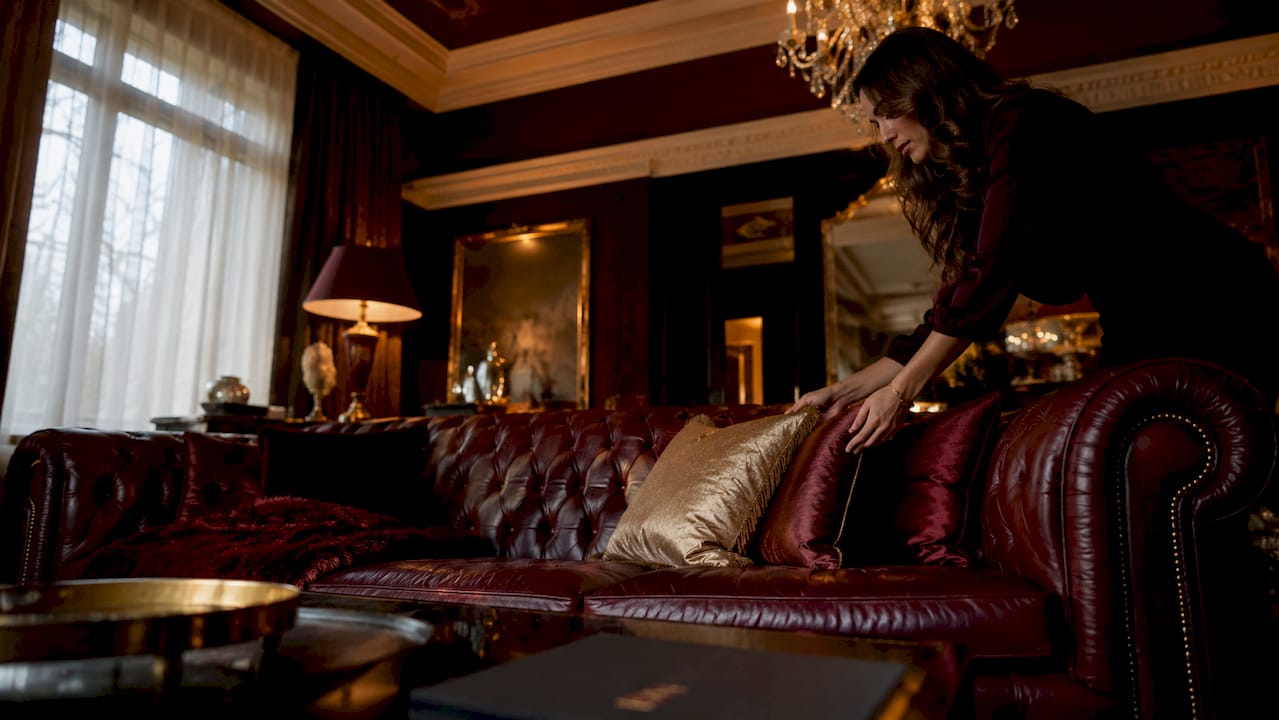
A high-end living room is defined by intentional design, not by price tags. Knowing how to create a high-end living room means mastering the relationship between layout, light, color, and texture so that every element earns its place. The result is a space that feels composed, comfortable, and quietly impressive. Interior designers like those at JAC Interiors and firms featured in SHEEN Magazine consistently point to the same truth: luxury is an experience before it is an expense. This guide breaks down exactly how to achieve that experience, room by room.
How to create a high-end living room layout that flows
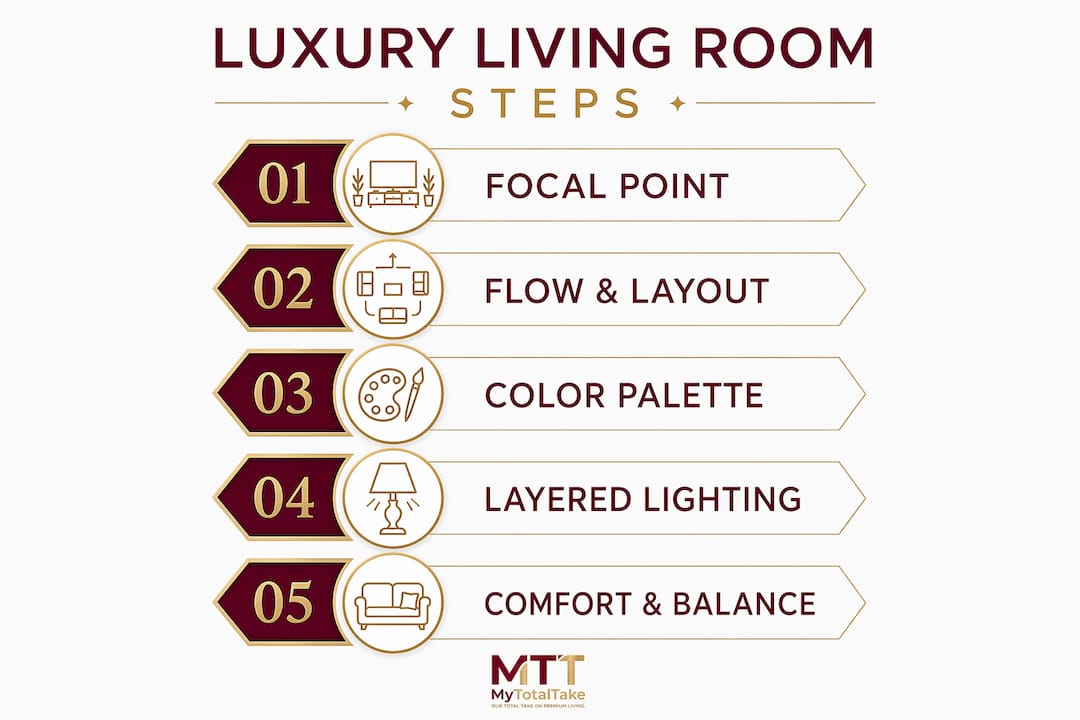
The foundation of any luxury living room design is a clear focal point. That anchor, whether a fireplace, a large-scale artwork, or a well-framed television wall, determines where furniture faces and how the room reads from the entry. Every seating arrangement, rug placement, and circulation path should radiate from that single point of visual gravity.
Sightlines and circulation come before furniture selection in professional design practice. This means walking the room before placing a single piece, identifying natural paths between entry, seating, and exit, and protecting those paths from obstruction. The standard professional rule is to maintain 90 to 110 cm of walking space around each zone. Rooms that honor this rule feel spacious even when fully furnished.
Floating furniture away from walls is one of the most underused techniques in residential design. Pulling a sofa 30 to 45 cm off the wall and anchoring it with a large area rug creates a defined conversation zone that reads as deliberate and refined. Rooms where every piece is pushed against a wall look like waiting rooms, not living rooms.
Zoning is equally important in open-plan spaces. Use a console table behind a sofa, a change in rug material, or a shift in ceiling treatment to separate seating from entry and display areas without building walls. This layered spatial logic is what separates a thoughtfully designed room from one that simply has furniture in it.
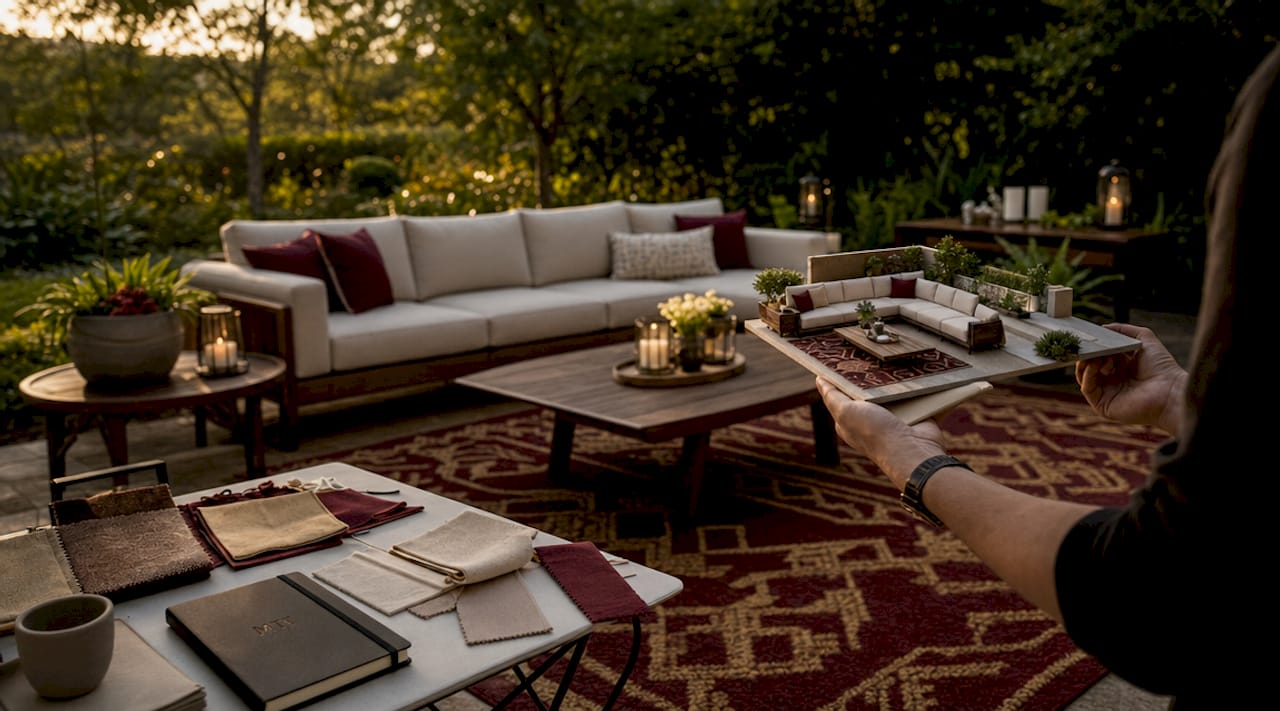
Pro Tip: Before moving any furniture, photograph your room from the doorway. That first-glance view is what guests see and what defines the room’s luxury impression. If the sightline is cluttered or asymmetrical, rearrange until that single frame looks composed.
What color palettes and material combinations define luxury?
A restrained color palette is the single most reliable marker of a high-end interior. The professional standard is the 70/20/10 rule: 70% neutral base (ivory, warm white, greige, charcoal), 20% secondary tone (navy, olive, walnut, dusty rose), and 10% accent (brass, aged bronze, deep emerald). This ratio creates coherence without monotony.
The deeper insight is that luxury does not come from color variety. It comes from texture variance within a controlled palette. A room in three shades of warm gray reads as sophisticated when those shades appear in linen, boucle, plaster, and stone. The same room in three shades of gray with no material variation reads as flat and unfinished.
| Approach | Effect |
|---|---|
| Tone-on-tone with texture variance | Creates depth and richness without visual noise |
| Multiple colors, single material | Feels busy and unresolved |
| Neutral palette with metallic accents | Adds warmth and quiet glamour |
| Pattern mixing across fabrics | Competes for attention, reduces perceived luxury |
Matte and sheen finishes deserve the same attention as color. Balancing matte and sheen within a single room, such as a matte plaster wall paired with a brass side table and a linen sofa, creates visual interest that feels considered rather than accidental. This is the material logic behind what designers call “quiet luxury.”
Pro Tip: Hold fabric swatches and material samples together in natural light before committing. A boucle cushion, a linen throw, and a stone coaster should feel like they belong to the same family even if they are never the same color.
How to implement layered lighting for a luxury atmosphere
Lighting treated as a layered system rather than a single fixture decision is what separates a luxury room from a well-decorated one. The three-layer framework covers ambient light (overall illumination), task light (reading, working), and accent light (artwork, architectural features). Each layer serves a different function and a different emotional register.
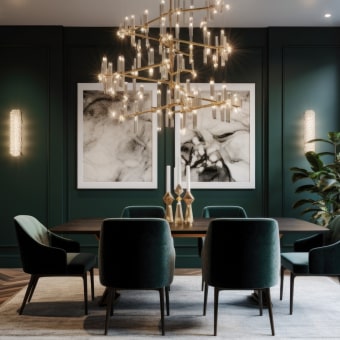
The practical rule is three light sources at three heights on dimmable circuits. A chandelier or pendant at ceiling height, a pair of wall sconces at eye level, and a floor lamp or table lamp at seated height gives you full control over the room’s mood from morning to evening. Warm light between 2700 and 3000K is the professional standard for residential luxury spaces. Cooler temperatures above 3500K read as clinical and undermine the warmth that defines an elegant living room.
Natural light management is equally part of the lighting strategy. Linen drapes in a tone close to the wall color filter light without blocking it, maintaining the room’s palette while softening harsh afternoon sun. Mirrors placed opposite windows double the perceived light and add spatial depth without adding a single fixture.
Here are the most impactful lighting upgrades to prioritize:
- Replace a single overhead fixture with a statement chandelier or sculptural pendant
- Add dimmable wall sconces flanking a fireplace or artwork
- Place a floor lamp in a dark corner to eliminate flat, shadowless light
- Use picture lights or recessed directional spots to accent art or architectural features
- Install smart dimmers on all circuits so every layer is adjustable independently
Pro Tip: Never rely on overhead lighting alone after 6 PM. Switch to your lower layers exclusively and you will immediately feel the room shift from functional to genuinely inviting.
Choosing luxury furniture and accessories for balance and comfort
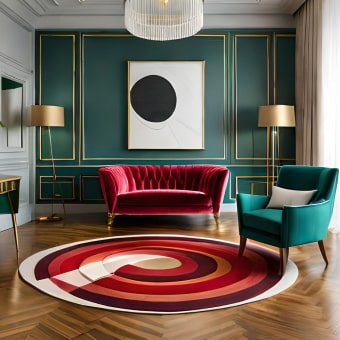
Furniture scale and proportion are the most common points of failure in living room design. A sofa that is too small for the room reads as tentative. One that is too large blocks circulation and dominates every sightline. The rule is straightforward: the sofa should be roughly two-thirds the length of the wall it faces, and the rug should be large enough to hold all front legs of the seating furniture within its border.
Follow this sequence when selecting and styling furniture and accessories:
- Choose one hero piece, typically the sofa, in a high-quality natural material like linen velvet, wool, or performance boucle. This piece sets the material tone for everything else.
- Select a coffee table and side tables in a contrasting material, stone, solid wood, or brass, to introduce texture without adding color.
- Add a large-format area rug that anchors the seating zone. Natural fibers like wool or jute add warmth and acoustic softness.
- Introduce high-end wall art as a deliberate focal point, not as filler for empty walls.
- Edit accessories to a maximum of three groupings per surface. A single sculptural object, a stack of art books, and a small plant read as curated. Five objects read as clutter.
- Add throws and cushions in complementary textures, not competing patterns, to layer comfort without visual noise.
Luxury spaces prioritize comfort and everyday usability alongside visual style. A room that looks beautiful but discourages sitting is not a luxury room. Deep seat cushions, generous proportions, and soft lighting at seated height are what make guests want to stay.
Negative space is the final, often overlooked, ingredient. Leaving breathing room between pieces, keeping surfaces partially clear, and resisting the urge to fill every corner signals confidence in the design. Restraint is the hallmark of truly upscale home styling.
Common mistakes that undermine a luxury living room
Most rooms that fail to read as high-end share the same small set of errors. Identifying them early saves significant time and money.
- Wrong furniture scale. Undersized sofas and rugs are the most frequent mistake. A rug that does not extend under the front legs of the sofa makes the seating zone look unanchored and accidental.
- Single-source lighting. One overhead fixture, regardless of how beautiful the shade, flattens a room and eliminates the depth that layered light creates.
- Overcrowding surfaces and corners. Too many objects, too many plants, and too many accent pieces compete for attention and read as anxiety rather than abundance.
- Ignoring circulation paths. Furniture pushed against walls or blocking natural movement routes makes a room feel awkward, regardless of the quality of individual pieces.
- Pattern mixing instead of texture layering. Mixing three different fabric patterns creates visual chaos. Mixing three different textures in the same color family creates richness.
Decluttering to roughly 60% of current items, upgrading one major touchpoint like a wool rug, and replacing lighting with layered dimmable sources moves a room toward genuine luxury more effectively than any single furniture purchase.
“The most expensive room in the world can feel cheap if the scale is wrong, the light is harsh, and the surfaces are overcrowded. Luxury is discipline applied to space.”
Key takeaways
A high-end living room requires layout discipline, layered lighting, a restrained color palette, and texture variance working together as a unified system.
| Point | Details |
|---|---|
| Start with a focal point | Build every furniture arrangement around one clear anchor: fireplace, art, or TV wall. |
| Apply the 70/20/10 color rule | Use 70% neutral, 20% secondary, and 10% accent tones for a coherent, elegant palette. |
| Layer lighting at three heights | Combine ambient, task, and accent sources on dimmable circuits for full mood control. |
| Prioritize scale and negative space | Match furniture size to room proportions and leave surfaces partially clear to signal confidence. |
| Choose texture over pattern | Layer linen, boucle, stone, and wood within one color family for depth without visual noise. |
Why restraint is the real luxury design skill
I have seen rooms with six-figure furniture budgets that felt uncomfortable and rooms assembled for a fraction of that cost that felt genuinely grand. The difference was never the price of the pieces. It was always the discipline of the decisions.
The single most transformative thing you can do before buying anything new is remove half of what is already there. Decluttering reveals the room’s actual bones, its proportions, its light, its flow. Most rooms have good bones that are simply buried under accumulated objects and mismatched lighting.
My personal starting point with any living room is always lighting first. Swap every bulb to a warm 2700K source, add one floor lamp in the darkest corner, and dim everything to 60% after sunset. The room will feel different before you have spent anything significant. From there, a single quality rug and one piece of considered modern home decor can shift the entire register of the space.
Luxury is ultimately an emotional experience. A room that feels calm, warm, and considered communicates care. That care is what guests feel when they walk in, and it has nothing to do with brand names on the furniture labels.
— Lysander
Discover premium furniture and decor at Mytotaltake
The principles in this guide only work when the pieces themselves are worth the placement.

Mytotaltake curates luxury furniture selected for craftsmanship, proportion, and lasting material quality. Every piece in the collection is chosen because it earns its place in a well-designed room, not simply because it carries a premium price. From statement sofas in performance boucle to sculptural side tables in solid brass and stone, the range supports the design principles covered in this guide. Explore the full collection alongside premium home decor tips to find pieces that work with your palette, your layout, and your life.
FAQ
What makes a living room look high-end?
A high-end living room reads as luxurious when furniture scale, lighting layers, and a restrained color palette work together. Texture variance across natural materials like linen, boucle, and stone adds depth without visual noise.
How do I choose a color palette for a luxury living room?
Apply the 70/20/10 rule: 70% neutral base tones, 20% secondary color, and 10% accent. Ivory, charcoal, and walnut with brass or aged bronze accents are the most reliable combinations for a timeless, elegant result.
What lighting is best for a luxury living room?
Use three light sources at three heights on dimmable circuits. Warm bulbs between 2700 and 3000K create the intimate, inviting atmosphere that defines high-end residential spaces.
How do I make a small living room feel luxurious?
Float furniture away from walls, use a large rug to anchor the seating zone, and layer lighting at multiple heights. Keeping surfaces edited to a few curated objects makes even a compact room feel composed and intentional.
Is bespoke cabinetry worth it for a luxury living room?
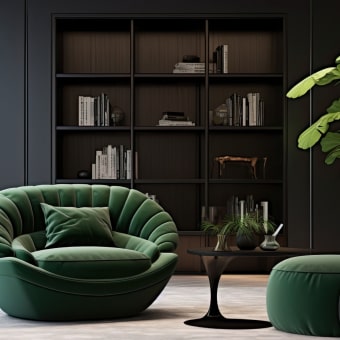
Floor-to-ceiling cabinetry draws the eye upward and adds architectural permanence that no freestanding furniture can replicate. It is one of the highest-impact investments for fixing awkward proportions and adding vertical grandeur.
Recommended
9 Best Countertop Espresso Machines Under 1000
Guide to Setting Up a Home Theater Room
Comments
[…] upgrades you are making, giving every space the aesthetic to match its intelligence. Explore our high-end living room guide to see how design and technology work together at the highest […]







Leave a comment