
The Role of Aesthetics in Home Value: 2026 Guide
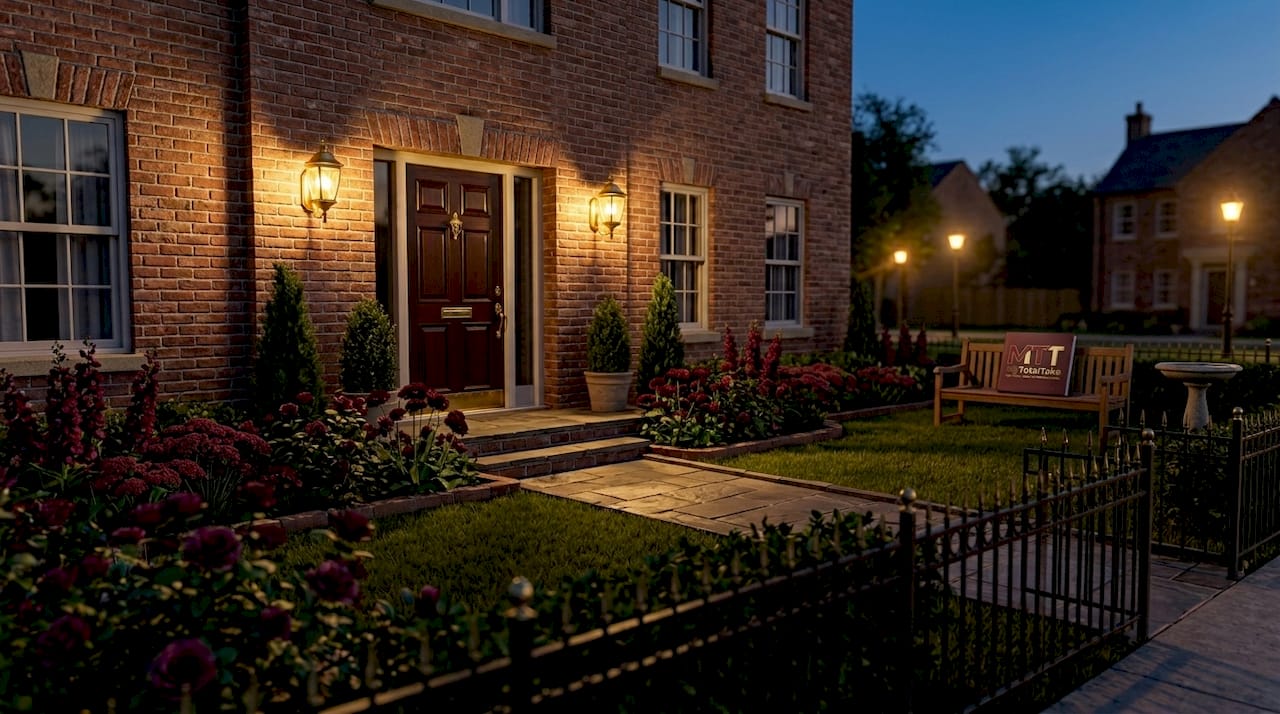
Aesthetics are defined, in real estate terms, as the visual and sensory qualities of a property that shape buyer perception, willingness to pay, and time on market. The role of aesthetics in home value is not decorative opinion. It is a measurable pricing lever. Research from Zillow, Virginia Tech, and behavioral economics studies confirms that design, staging, landscaping, and visual cohesion each produce quantifiable premiums. Fixer-uppers sell for 14% less than market expectations, while turnkey homes with lifestyle-driven design cues command premiums above 5%. For homeowners preparing to sell and investors calculating returns, understanding how aesthetics affect property value is not optional. It is the difference between leaving money on the table and capturing it.
What evidence shows that home aesthetics impact property value?
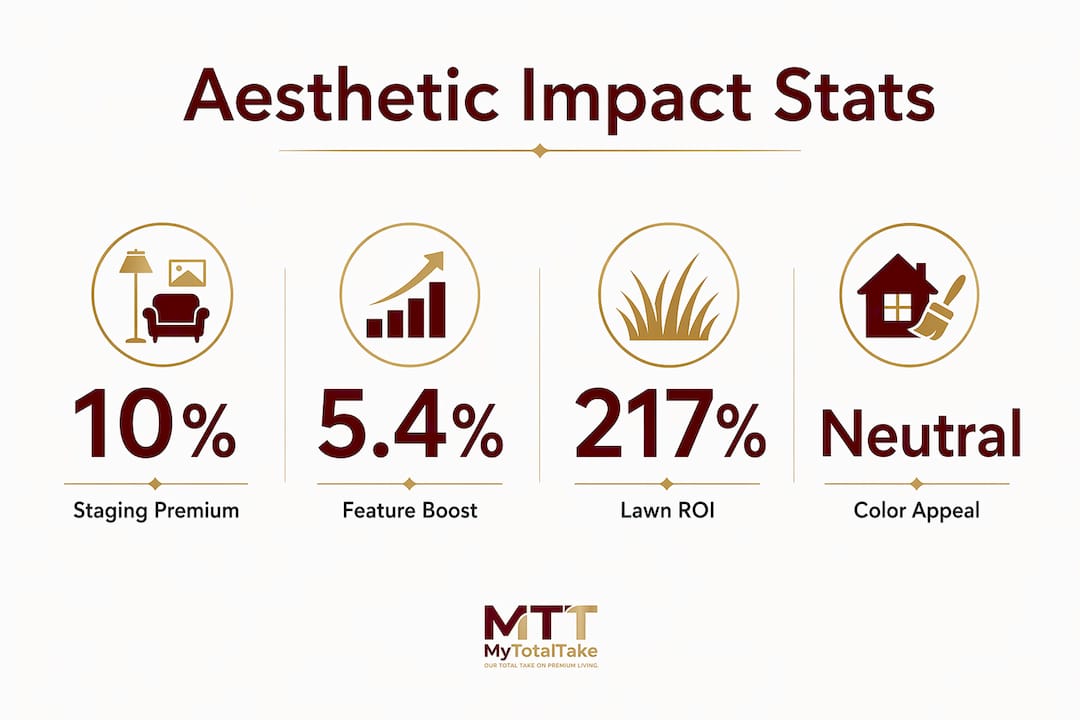
The data on home aesthetics and resale value is specific, not anecdotal. Zillow’s 2026 research found that lifestyle-driven exterior and turnkey design cues sell for 5.4% more than comparable homes without them. Features like outdoor kitchens add 4.4% and quartzite countertops add 5.3% to sale price. These are not renovation windfalls. They are aesthetic signals that tell buyers the home is move-in ready and worth paying a premium to avoid uncertainty.
Staging produces its own category of evidence. A study of 15,777 transactions found that staged homes sell for roughly 10% more and close about one week faster than unstaged equivalents. That combination of price and speed represents a compounding financial advantage. Sellers capture more money while carrying the property for less time.
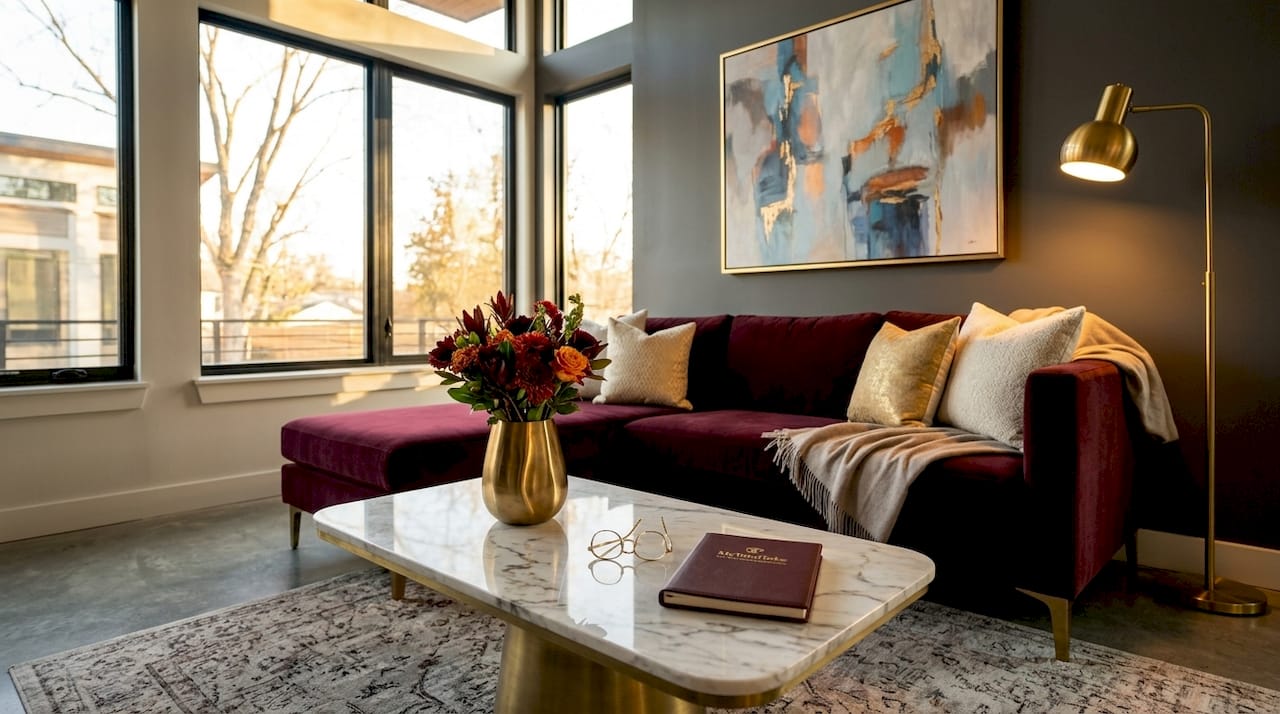
Landscaping data from Virginia Tech shows that perceived value increases by 5.5% to 12.7% depending on design quality. Standard lawn care alone returns 217% ROI at resale. A National Association of Realtors report adds that 23% of Realtors recommend landscape upgrades before listing, and 50% of consumers identify beauty and aesthetics as the most important outcome of those upgrades. The curb appeal effect is real, measurable, and consistently underestimated by sellers.
Key aesthetic features with documented price premiums:
- Docks and waterfront access: +5.4% above expected sale price
- Outdoor kitchens: +4.4% premium
- Quartzite countertops: +5.3% premium
- Staged interiors: approximately 10% higher sale price
- Quality landscaping: 5.5% to 12.7% increase in perceived value
How do staging, paint, and landscaping shape buyer perception?
The impact of design on home price operates through two distinct channels: direct pricing effects and marketing funnel effects. Direct effects show up in appraisals and final sale prices. Funnel effects show up in the number of showings, the speed of offers, and the strength of competing bids. Visual cues activate psychological channels where furniture clarifies spatial use and decor builds emotional attachment, both of which increase willingness to pay.
Staging works because empty rooms are cognitively difficult for buyers to interpret. Without furniture, a buyer cannot easily judge whether a bedroom fits a king bed or whether a living room flows naturally into a dining space. Staging removes that uncertainty. It presents a resolved version of the home, and buyers pay for resolution. The goal is not to decorate for personal taste. It is to present a neutral but functional environment that lets buyers project their own lives into the space.
Paint is the most cost-efficient aesthetic tool available. Neutral tones in warm whites, soft grays, and greige appeal to the broadest buyer pool. Fresh paint costs roughly $25 per gallon and delivers perceived value improvements that far exceed the material cost. Decluttering compounds the effect by maximizing visual space, which buyers consistently interpret as a sign of quality and care.
Landscaping operates at the first impression stage, before a buyer ever steps inside. High-quality exterior aesthetics visible from the street drive the initial confidence that determines whether a buyer schedules a showing at all. A well-designed entry, clean lawn, and intentional plantings signal that the property has been maintained. Buyers read that signal as reduced risk.
Pro Tip: Focus landscaping investment on the front 30 feet of the property. That is the zone buyers photograph, share with partners, and return to mentally when forming an offer. Quality in that zone outperforms quantity anywhere else on the lot.
What are the common pitfalls when improving aesthetics for resale?
The most expensive mistake sellers make is designing for personal taste rather than buyer psychology. A highly personalized interior, whether maximalist, niche-modern, or aggressively themed, narrows the buyer pool. Fewer buyers means fewer competing offers, which means lower final prices. Aesthetic fit with market expectations drives premiums more reliably than individual design talent.
Staging deserves specific scrutiny. A peer-reviewed study found that while staging improves perceived livability, it may not statistically increase appraised home value. The financial case for staging is strongest in its marketing effects: more showings, faster offers, and better offer terms. Sellers who invest heavily in rented furniture and elaborate decor expecting a direct appraisal bump may be disappointed. The smarter framing is that staging reduces time on market and strengthens negotiating position, not that it inflates the appraised number.
Landscaping carries its own trap. More plants, more features, and more complexity do not automatically produce higher value. Design quality matters more than quantity. An overcrowded garden with competing focal points reads as maintenance burden, not premium appeal. Buyers at the threshold are looking for confidence, not complexity.
“Neutral, broadly appealing, and functional staging is preferred over niche styling to maximize value and market reach.” This principle applies equally to paint, landscaping, and interior decor choices. When in doubt, choose the option that the widest range of buyers will find inoffensive and livable.
Additional pitfalls to avoid:
- Over-investing in high-end finishes in a mid-market neighborhood where buyers will not pay a corresponding premium
- Choosing bold accent walls or statement colors that photograph poorly in listing images
- Neglecting the entry and front facade while over-improving interior spaces buyers have not yet seen
- Staging with furniture scaled incorrectly for the room, which distorts spatial perception rather than clarifying it
How can you strategically apply aesthetic improvements for maximum return?
The most effective approach maps each aesthetic intervention to a specific buyer decision point. Buyers move through a predictable sequence: photo confidence, in-person impression, offer formation, and appraisal. Each stage responds to different aesthetic inputs, and optimizing design ROI means matching the right improvement to the right stage.
Here is a practical sequence for homeowners and investors:
- Exterior and listing photos first. Clean the facade, refresh landscaping in the front yard, and repaint the front door. These improvements appear in every listing photo and determine click-through rates before a buyer ever visits.
- Entry and main living areas second. First impressions inside the home form within seconds. A clean, neutral, well-lit entry and living room set the emotional tone for the entire walkthrough.
- Kitchen and primary bedroom third. These two rooms carry disproportionate weight in offer formation. Neutral paint, clean surfaces, and cost-effective kitchen updates deliver strong returns without requiring full renovation.
- Outdoor living spaces fourth. Patios, decks, and outdoor kitchens have moved from bonus features to expected amenities in many markets. A clean, furnished outdoor space extends the perceived square footage of the home.
- Declutter and depersonalize throughout. Remove family photos, excess furniture, and personal collections. Buyers need visual space to imagine their own lives in the property.
Pro Tip: Before spending on staging furniture, spend on professional photography. Listing photos are the first aesthetic impression for the majority of buyers. A staged home photographed poorly performs worse than a clean, empty home photographed well.
The interior design and home value relationship is strongest when improvements are visible, legible, and low-maintenance in appearance. Buyers are not just buying a home. They are buying a forecast of their future effort and expense. Aesthetics that signal “move-in ready” reduce that perceived burden and justify a higher price.
Key takeaways
Aesthetics are a measurable pricing and marketing tool, not a subjective preference, and the strongest returns come from neutral, legible improvements targeted at buyer decision points.
| Point | Details |
|---|---|
| Turnkey design commands premiums | Lifestyle-driven features sell for 5.4% more; fixer-uppers sell for 14% less. |
| Staging accelerates sales | Staged homes close roughly 10% higher and one week faster than unstaged equivalents. |
| Landscaping ROI is exceptional | Standard lawn care returns 217% at resale; quality design adds 5.5% to 12.7% in perceived value. |
| Neutral aesthetics outperform personal style | Broad buyer appeal drives more offers and stronger negotiating position than niche design choices. |
| Match improvements to buyer decision stages | Prioritize exterior and photos first, then entry, kitchen, and outdoor spaces for maximum return. |
Why aesthetics deserve a permanent place in your investment strategy
I have watched sellers spend $40,000 on a kitchen remodel and lose the sale because the front yard looked neglected in listing photos. I have also watched a $1,200 paint job and a weekend of landscaping work produce three competing offers on a property that sat unsold for six weeks. The pattern is consistent enough that I treat it as a rule: buyers make emotional decisions at the visual threshold, then rationalize them with logic.
What surprises most investors is that aesthetics influence the marketing funnel as much as the final price. Faster sales mean lower carrying costs, fewer price reductions, and stronger negotiating leverage. A home that generates four showings in the first week is in a fundamentally different position than one that generates four showings in the first month. Aesthetics drive that difference more reliably than any other single variable.
The nuance I would add is this: aesthetic investment should be calibrated to the market segment, not applied uniformly. A luxury property in a high-demand neighborhood rewards high-end finishes and curated decor. A mid-market property rewards clean, neutral, and move-in ready. Spending luxury money on a mid-market property does not produce luxury returns. The goal is always to meet and slightly exceed buyer expectations for the segment, not to impose a personal vision of beauty.
I also think the industry undervalues decor’s role beyond aesthetics in signaling quality and care. A well-chosen piece of furniture or a thoughtfully designed outdoor space tells buyers that the previous owner paid attention. That signal transfers to assumptions about maintenance, systems, and overall condition. It is one of the most cost-efficient ways to shape buyer psychology before a single inspection report is opened.
— Lysander
Upgrade your home’s aesthetic with confidence
If the research above has clarified one thing, it is that the right decor and furnishings are not expenses. They are investments with documented returns. Mytotaltake curates premium home decor and luxury furnishings selected for lasting elegance, visual impact, and the kind of craftsmanship that photographs beautifully and holds its appeal through multiple market cycles.

Whether you are preparing a property for sale or building a home that holds its value over time, Mytotaltake’s collections are built around the principle that quality design pays for itself. From luxury furniture that earns its place to outdoor pieces that extend your living space with timeless style, every product is chosen with the discerning homeowner in mind. Explore the collections and find the pieces that work as hard as you do.
FAQ
How much can aesthetics increase a home’s sale price?
Staged homes sell for roughly 10% more than unstaged equivalents, and lifestyle-driven design features can add 4% to 5.4% above expected sale price, according to Zillow’s 2026 research. Landscaping improvements add 5.5% to 12.7% in perceived value depending on design quality.
Does staging actually raise the appraised value of a home?
Staging improves perceived livability and accelerates sales but may not statistically increase the appraised value, according to peer-reviewed research. Its strongest financial impact is in marketing: more showings, faster offers, and better offer terms.
What is the highest-ROI aesthetic improvement for resale?
Standard lawn care returns 217% ROI at resale, making it the single highest-return aesthetic investment available to most homeowners. Fresh neutral paint is a close second, delivering broad buyer appeal at roughly $25 per gallon.
Should I use bold or neutral colors when staging a home for sale?
Neutral tones in warm whites, soft grays, and greige appeal to the widest buyer pool and photograph better in listing images. Bold or highly personal color choices narrow the buyer pool and can reduce the number of competing offers.
How do aesthetics affect how quickly a home sells?
Staged homes close about one week faster than unstaged homes, and high-quality exterior aesthetics drive more listing clicks and showing requests. Faster sales reduce carrying costs and strengthen the seller’s negotiating position.







Leave a comment