
How to curate luxury home decor for a distinctive home
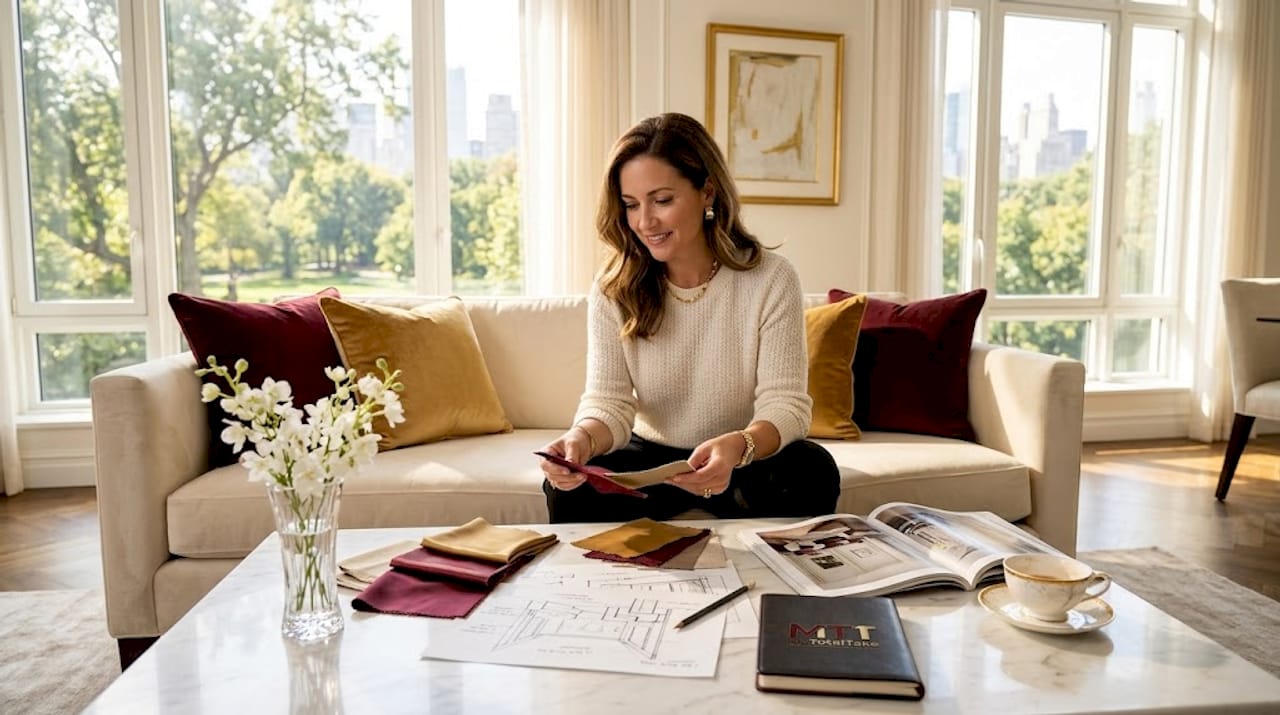
Spending thousands on high-end pieces only to have the finished room feel scattered is a frustration that many discerning homeowners know all too well. A single stunning chair, a gallery-quality artwork, and a handcrafted side table should feel like a unified statement. Too often, they read as expensive noise. True luxury is not about individual objects; it is about the deliberate relationship between them. This guide walks you through a proven, step-by-step process for curating a home that feels genuinely elevated, personally meaningful, and unmistakably cohesive from the first glance to the finest detail.
Table of Contents
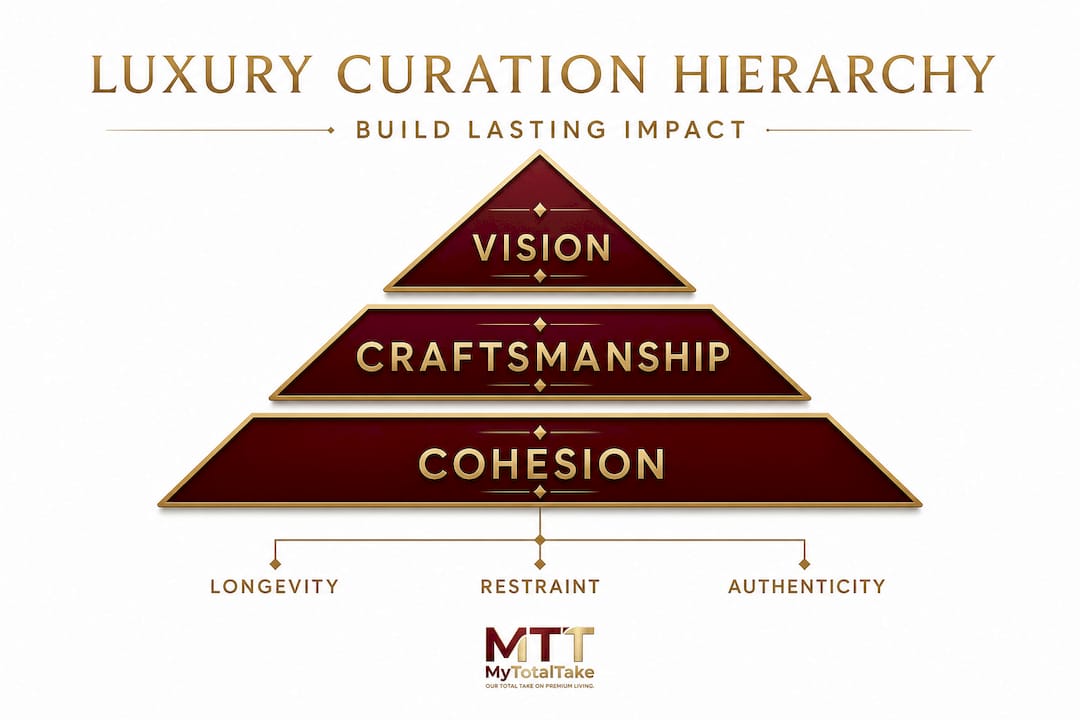
- Define your vision: Setting the foundation for curation
- Gather inspiration and prioritize: Tools for informed choice
- Curate with intention: Selecting pieces for luxury and cohesion
- Avoid common mistakes: Troubleshooting and refining your curation
- Verify your results: Final checks for a curated luxury look
- What most luxury guides miss about true curation
- Elevate your home with expertly curated luxury decor
- Frequently asked questions
Key Takeaways
| Point | Details |
|---|---|
| Start with vision | A clear design vision leads every curation decision and results in a harmonious space. |
| Gather and prioritize | Filter inspiration and set priorities to focus your luxury investments effectively. |
| Select intentionally | Choose with purpose, valuing craftsmanship and harmony over quantity or trends. |
| Avoid common pitfalls | Watch for mistakes like over-accessorizing or poor proportions when curating luxury decor. |
| Verify and refine | Final review ensures your curated luxury home achieves both comfort and lasting impact. |
Define your vision: Setting the foundation for curation
Once you have identified why curation matters, you need a vision to steer every decision. Defining a vision is the foundation for creating a luxury living space, and without it, even the most beautiful individual pieces can feel out of place. Think of your vision as a creative brief, one that you can refer back to each time a purchase tempts you in a new direction.
Start by choosing a style direction. The major luxury decor styles range from modern minimalism and classical European grandeur to eclectic maximalism and warm transitional design. Each carries its own palette, material vocabulary, and mood. Knowing which resonates with you personally is the difference between a space that inspires you daily and one that simply looks expensive in photographs.
To sharpen your vision, ask yourself these questions honestly:
- How do you live in this space? A home designed for frequent entertaining needs different choices than one built around quiet, restorative living.
- What materials and finishes genuinely appeal to you? Warm walnut versus cool marble is a fundamental design decision, not just an aesthetic one.
- Which colors make you feel calm, energized, or inspired? Your emotional response to color should inform every textile and surface selection.
- Are you building a forever home or a five-year home? Investment-grade pieces make sense for the former; more flexible choices suit the latter.
Linking vision-setting to long-term satisfaction is critical. Rooms built around a clear design philosophy age gracefully, while rooms assembled around trends can feel dated within a few seasons. Your vision is the compass that makes every subsequent choice faster, easier, and more satisfying.
Pro Tip: Before making any purchase, spend two weeks building a design mood board using both digital images and physical swatches. Pin fabric samples next to paint chips, print photos of furniture silhouettes, and live with the combination. What feels electric on day one and still resonates on day fourteen is worth buying.
Gather inspiration and prioritize: Tools for informed choice
With a clear vision in mind, it is time to bring ideas to life by gathering focused inspiration and narrowing choices. Gathering inspiration and prioritizing selections lead to a cohesive look, and the tools you use to do this will significantly shape the quality of your results.
Designer portfolios remain one of the most reliable sources of high-caliber inspiration. Looking at the body of work from interior designers whose aesthetic aligns with yours reveals not just individual pieces but how those pieces relate to light, scale, and one another. Luxury print publications such as Architectural Digest and Elle Decor offer curated editorial spreads that show real rooms in real homes, complete with sourcing information. Online galleries and platforms with high-resolution imagery let you build collections rapidly and search across specific 7 decor styles to compare how different aesthetics translate in practice.
| Inspiration source | Key advantage | Main drawback | Best used for |
|---|---|---|---|
| Designer portfolios | Shows real, cohesive results | Can feel aspirational beyond budget | Understanding scale and composition |
| Luxury print magazines | Editorial quality, curated sourcing | Less interactive, seasonal publication | Identifying emerging color directions |
| Online image galleries | Vast variety, easily searchable | Can overwhelm and dilute focus | Rapid collection building early on |
| Physical showrooms | Tangible material quality | Time-intensive, limited selection | Final vetting of furniture and textiles |
| Swatchbooks and samples | Real material representation | Narrow product scope | Narrowing finish and fabric decisions |
Once you have gathered inspiration, the goal is ruthless prioritization. Refine your collected images down to a shortlist of no more than twenty references that truly excite you. Notice the patterns: recurring colors, repeated material combinations, consistent levels of visual density. Those patterns reveal your genuine preferences, not your aspirational ones.
Organize your priorities by room type and impact level:
- Living areas: Statement seating, a primary artwork, and lighting that sets mood are the highest-leverage investments.
- Bedrooms: Bed linens with exceptional thread count, a quality bed frame with architectural presence, and blackout window treatments.
- Outdoor spaces: Weather-resistant materials with indoor-quality comfort, statement planters, and thoughtful task lighting for evening use.
- Entryways: A sculptural console, curated accent mirror, and a statement floor covering that sets the tone for the entire home.
Curate with intention: Selecting pieces for luxury and cohesion
After finding your inspirations and priorities, it is time to make focused selections that drive true luxury. Intentionally curated pieces distinguish luxury spaces from cluttered ones, and the selection process itself deserves a structured approach.
Follow these five steps when vetting any significant piece:
- Verify dimensions and scale first. Measure the physical space twice. A sofa that looks perfectly proportioned online can overwhelm a room or disappear into it. Tape out the footprint on your floor before committing.
- Examine construction and materials. For furniture, assess joinery, frame materials, and upholstery quality. For art, consider edition size, medium durability, and the artist’s standing. For textiles, request samples and feel the weight and weave.
- Assess finish and color coordination. Hold swatches against your existing palette. Warm-toned metals and cool-toned stones can clash subtly in ways that photographs do not reveal. Natural light testing is essential.
- Evaluate provenance and artistry. Understanding where and how a piece was made elevates your confidence in its lasting quality. Handcrafted pieces from specialist makers carry a story that mass-produced items simply cannot replicate.
- Confirm cohesion with the whole room. Ask whether the piece serves your stated vision. If it only works in isolation, it is a statement without a story, and that rarely produces lasting satisfaction.
| Decor category | Key selection criteria | Red flag to avoid | Longevity indicator |
|---|---|---|---|
| Furniture | Hardwood or solid frame, hand-finished | Particleboard core, overly trendy silhouette | Adjustable, reupholstery-friendly design |
| Artwork | Medium permanence, artist provenance | Reproduction without authentication | Archival framing, gallery representation |
| Textiles | Natural fiber content, weight over 200gsm | Synthetic blends in high-wear areas | Thread density, colorfastness testing |
| Tech and lighting | Integration-ready, longevity of brand | Proprietary connectors, fast obsolescence | Upgradable firmware, modular components |
Balancing investment pieces with statement accessories is a skill that separates polished rooms from expensive ones. The rule we recommend: allocate roughly 60 percent of your budget to foundational pieces, 30 percent to significant accent items, and 10 percent to smaller objects that add personality and warmth. This ratio ensures the room has integrity even before the final layer of accessories lands.
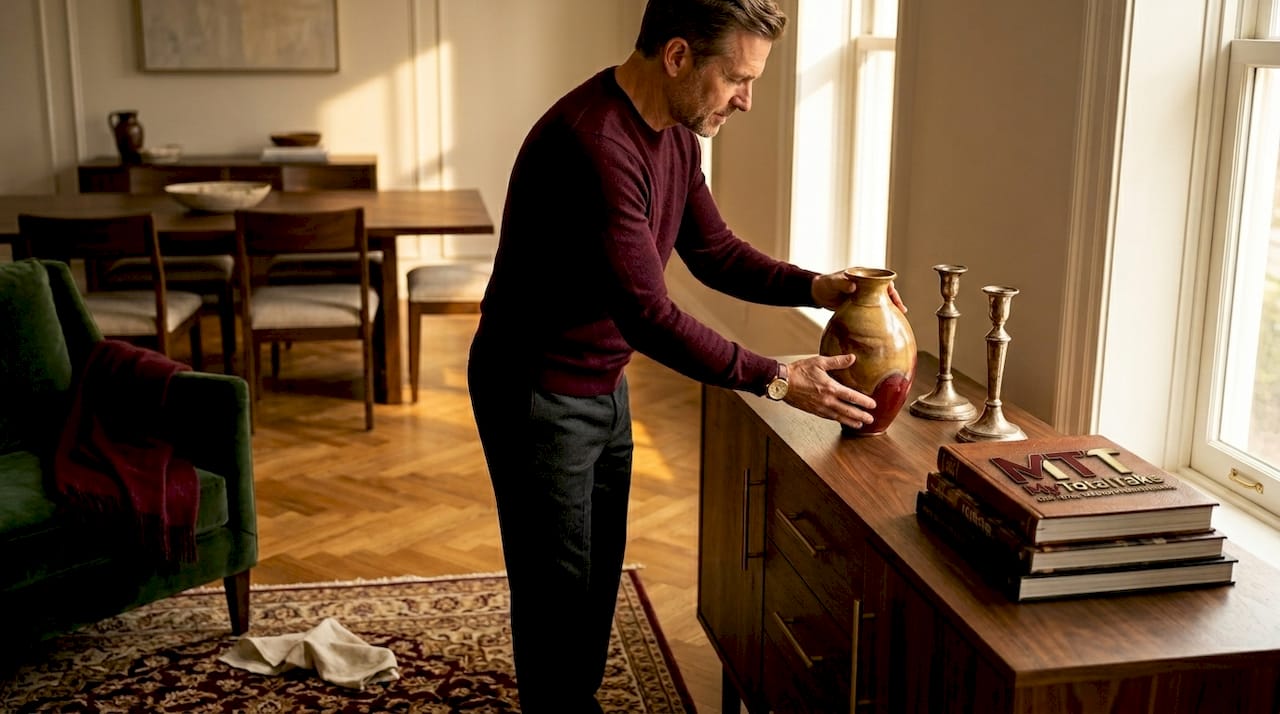
Pro Tip: Focus on craftsmanship in luxury decor above all else. One genuinely handcrafted object, whether a hand-thrown ceramic vessel or a bespoke side table, will elevate the perceived quality of every other piece in the room. Craftsmanship is contagious; it makes everything around it look more considered.
Avoid common mistakes: Troubleshooting and refining your curation
Even with careful selection, certain missteps can undermine your vision. Here is how to avoid and fix them. Balanced curation and avoiding clutter are essential for a refined look, and recognizing these pitfalls early can save you significant time and money.
- Buying matching sets. Furniture sets sold as complete collections look coordinated on the showroom floor and formulaic in your home. Instead, mix pieces from different makers that share a common material or finish language. The slight variation creates depth.
- Ignoring scale and proportion. An undersized rug is the single most common decorating mistake in otherwise well-appointed rooms. A rug should anchor all key furniture legs within its border. Similarly, artwork hung too high or too small for a wall breaks the visual rhythm of a space.
- Chasing trends over quality. Trends in home decor move quickly. A sculptural statement chair in a color that dominated last season’s design shows can feel labored within eighteen months. Invest in silhouettes and materials with documented longevity, then use accessories and soft furnishings to honor the moment.
- Over-accessorizing. More objects do not create more luxury. They create more to look at, which is the opposite of the restful, intentional atmosphere that elevated spaces achieve. Edit aggressively. If removing a piece makes the room feel better, trust that instinct.
- Neglecting the impact of light. Even the finest furniture looks flat under harsh overhead lighting. Layered lighting, including ambient, task, and accent sources, is a design tool that transforms material quality into visual experience.
“Quality over quantity is the heart of every truly curated home.”
When refining a nearly complete space, step back literally. Stand in the doorway and look at the room as a whole rather than piece by piece. Photograph it from that distance. The camera reveals visual imbalances that the eye, caught up in detail, tends to forgive.
Verify your results: Final checks for a curated luxury look
With your space assembled, it is time to ensure nothing short of spectacular results. A step-back evaluation reveals gaps and opportunities for next-level luxury that are invisible when you are still in the building phase.
Follow this four-step review process:
- The coherence check. Walk through the space and ask whether every piece belongs to the same story. If any object requires a separate explanation, it may be working against the overall composition.
- The balance audit. Assess visual weight on each wall and across the floor plan. Heavy, dark pieces clustered together create density without drama. Distribute visual weight intentionally to guide the eye through the room.
- The comfort test. Luxury should never sacrifice livability. Sit in each seat, test every drawer, and assess how the room functions at the end of a long day. Beauty and comfort are not competing values in a truly curated home.
- The fresh-eyes review. Invite someone you trust, a design-literate friend or a professional consultant, to walk through the space. Fresh perspective reveals the final 5 percent of refinements that familiarity blinds you to.
The final layer of wow-factor often comes from the smallest and least expensive decisions: the precise placement of a stack of art books, the exact height of a floor lamp, or the way a textile is draped rather than tucked. These finishing details signal that the room was not just purchased but composed.
What most luxury guides miss about true curation
Most articles on luxury home decor spend considerable time on acquisition, on what to buy, where to find it, and how much to spend. What they rarely address is the discipline of restraint and the significance of emotional resonance as design tools.
Price is not a shortcut to luxury. Authenticity is. A room filled with expensive objects that were each chosen independently, without a governing vision, feels exactly like that: expensive but not curated. The rooms that genuinely impress, whether in an architectural journal or in person, share a quality of conviction. Every object looks as though it could not have been anywhere else. That conviction comes from a clear point of view, not from a high credit limit.
Curation is also a layered story told over time. The most memorable homes we admire reveal something about the people who live in them: evidence of travel, inherited pieces that carry family history, or a consistent obsession with a particular material or craft tradition. These rooms feel alive because they are. A timeless decor approach values objects for the stories they carry as much as for their visual contribution.
Emotional connection matters more than trend alignment. When you choose a piece because it genuinely moves you, because it references a place you love or a craft tradition you admire, that feeling translates to the room’s atmosphere. Guests cannot always articulate why a space feels extraordinary, but they feel it. Rooms with emotional depth have a warmth and intelligence that no amount of trend-following can manufacture.
The most elevated rooms we have seen are almost always studies in restraint. They have fewer objects, but each one earns its place completely. That discipline is harder than it sounds, especially when surrounded by beautiful options. But it is the quality that separates a curated home from a furnished one.
Elevate your home with expertly curated luxury decor
If you are ready to turn your vision into reality, the right resources make the process both faster and more inspiring. At mytotaltake.com, we do the filtering for you, sourcing only the pieces that meet our standards for craftsmanship, design integrity, and lasting value.
Explore our luxury decor curation guides for deep-dives into material quality, artisan sourcing, and room-by-room investment strategies. Browse our modern luxury ideas for fresh inspiration grounded in enduring design principles. When you are ready to select your next statement piece with total confidence, discover curated selections chosen specifically for discerning homeowners who value both beauty and substance. Your most extraordinary room is closer than you think.
Frequently asked questions
What is curated home decor?
Curated home decor means intentionally selecting each piece to fit a defined vision, creating a cohesive and luxurious environment rather than simply accumulating objects you admire individually.
How do I start curating my home decor?
Begin by defining your design vision and personal style, then gather targeted inspiration and prioritize key investment areas. Starting with a clear vision prevents reactive spending and ensures every subsequent decision builds toward a harmonious whole.
What are common mistakes in the luxury curation process?
The most common mistakes are buying matched sets without a personal vision, selecting overly trendy items, and over-accessorizing, all of which disrupt cohesion. Avoiding clutter and prioritizing quality over volume consistently produce the most elegant results.
How does curation differ from simply buying expensive decor?
True curation ranks authenticity, narrative, and compositional harmony above price, meaning each chosen item actively enriches the room’s overall impact. Curated luxury is defined by intentional, story-driven choices that no budget alone can replicate.
Recommended
How decor transforms your lifestyle and wellbeing
Comments
[…] curating unique spaces, the goal is distinctiveness with accessibility. And your wall art strategies deserve the same […]
[…] How to curate luxury home decor for a distinctive home […]







Leave a comment