
Why Buy from Curated Shops: Quality, Style, and Value
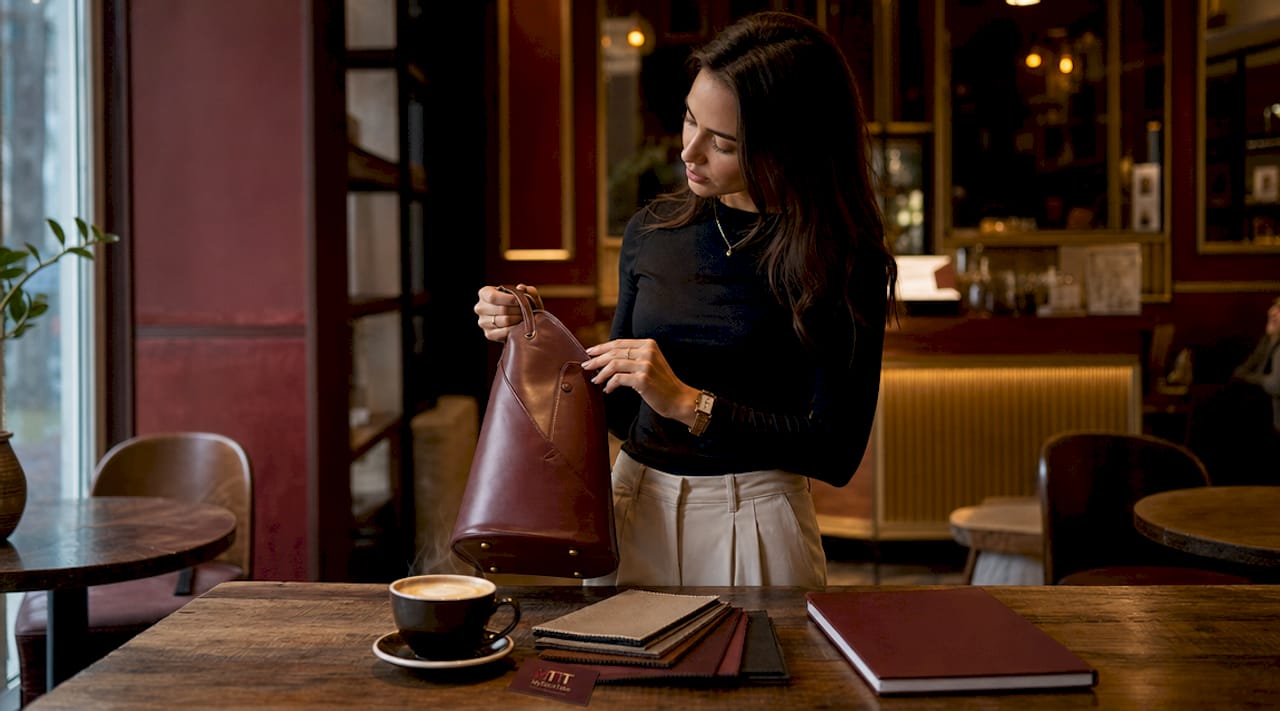
Curated shops are defined as retail platforms that apply deliberate editorial gatekeeping to every product they carry, accepting only items that meet specific standards of quality, style, and authenticity. The case for buying from curated shops is straightforward: you trade the illusion of infinite choice for something far more valuable, a selection you can actually trust. Where open marketplaces like Amazon surface 14,004 results for a single search query, a curated shop might offer 314. That contrast is not a limitation. It is the entire point. Curated shopping, the practice of purchasing from editorially filtered collections, restores confidence, saves time, and consistently delivers higher quality per purchase.
Why buy from curated shops instead of open marketplaces
Curated shops replace the exhausting scroll of an open marketplace with a finished, manageable catalog. According to analyst Allan Winder, the cognitive burden reduction achieved by limiting a catalog to roughly 314 items versus thousands is not just a convenience. It is a structural shift in how you experience shopping. When the number of options drops to a human scale, you stop scanning and start evaluating.
The concept behind this shift is what Winder calls “intentional friction.” Frictionless infinite scrolling on platforms like large open marketplaces trains your brain to keep searching rather than deciding. A curated shop creates a deliberate stop point that lets you shift from hunter mode to buyer mode. That transition is where satisfaction begins.
Decision fatigue is real and measurable. When you face too many options, the quality of your choices declines and post-purchase regret increases. Curated platforms counter this by doing the filtering work before you arrive. The result is a shopping experience that feels purposeful rather than overwhelming.
| Shopping format | Typical catalog size | Primary consumer experience |
|---|---|---|
| Open marketplace | Tens of thousands of results | Scanning, comparing, fatigue |
| Curated shop | Hundreds of vetted items | Evaluating, deciding, satisfaction |
| Luxury curated boutique | Dozens to low hundreds | Discovering, trusting, investing |
Pro Tip: When you notice yourself opening ten browser tabs to compare similar products, that is a clear signal you are on an open marketplace. Switch to a curated platform and let the editorial work be done for you.
What separates genuine curation from marketing buzzwords
The word “curated” is one of the most overused terms in e-commerce, and that overuse has real consequences for buyers. A shop is truly curated only when it acts as an active gatekeeper, reviewing sellers and products before they appear in the catalog. Platforms that apply the label to any algorithmically sorted feed are misusing the term entirely.
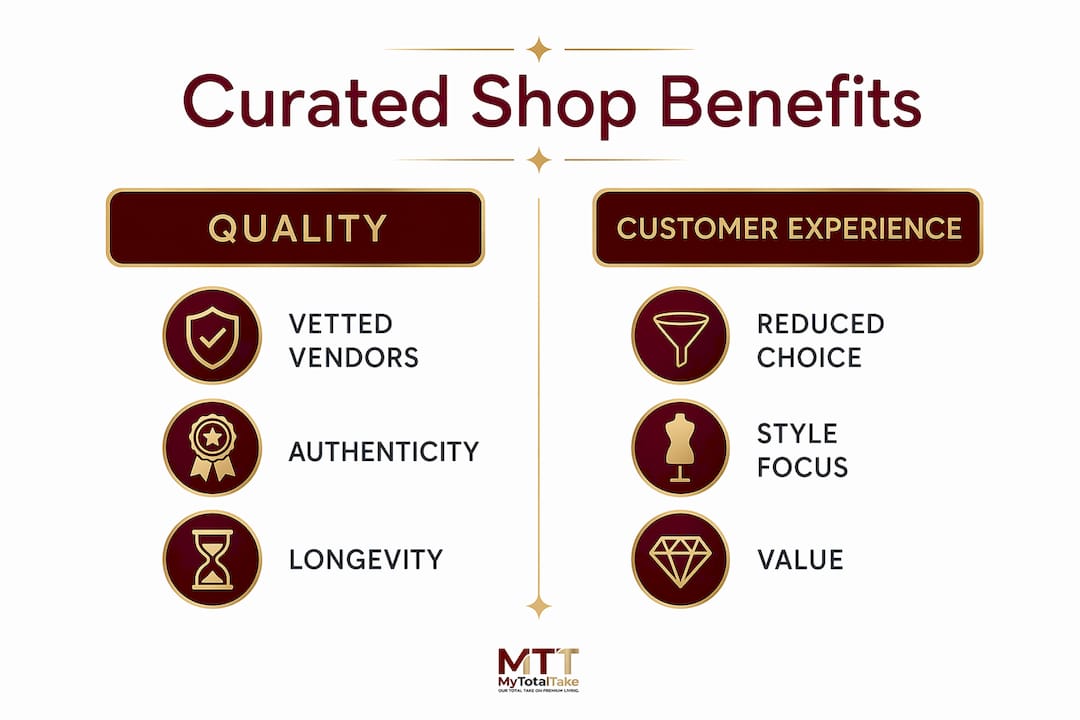
Authentic curation involves human judgment at every stage. A genuine curated marketplace vets vendor credentials, inspects product quality, and enforces consistent standards that protect the buyer. This gatekeeping is what builds buyer trust and drives stronger brand loyalty over time. When you know a shop has done that work, you can buy with confidence rather than caution.
The risks of fake curation are not trivial. Open platforms that label collections as “curated” while accepting any seller create a false sense of security. You may believe you are buying from a vetted source when you are actually browsing an unfiltered feed with a polished label on it.
Here is how to identify a genuinely curated shop before you buy:
- The shop publishes explicit selection criteria or a brand philosophy that explains what they accept and why.
- The product range is deliberately narrow, not exhaustive. A curated home decor shop carries fifty exceptional pieces, not five thousand mediocre ones.
- Seller or maker information is transparent, with sourcing details, craft backgrounds, or quality certifications visible on product pages.
- The aesthetic is consistent across the entire catalog, reflecting a single editorial point of view rather than a random assortment of trending items.
- Customer reviews reflect repeat purchases and long-term satisfaction, not one-time transactions driven by discounts.
Pro Tip: Before buying from any platform claiming to be curated, look for a “how we select” or “our standards” page. If it does not exist, the curation is likely cosmetic.
How curated shops deliver better long-term value
Curated boutiques prioritize longevity and cost-per-wear over trend cycles, which means every purchase carries a fundamentally different financial logic than fast fashion. A $300 jacket from a curated luxury boutique worn 150 times costs $2 per wear. A $60 jacket from a disposable fashion retailer worn 10 times costs $6 per wear. The premium item is the better financial decision.
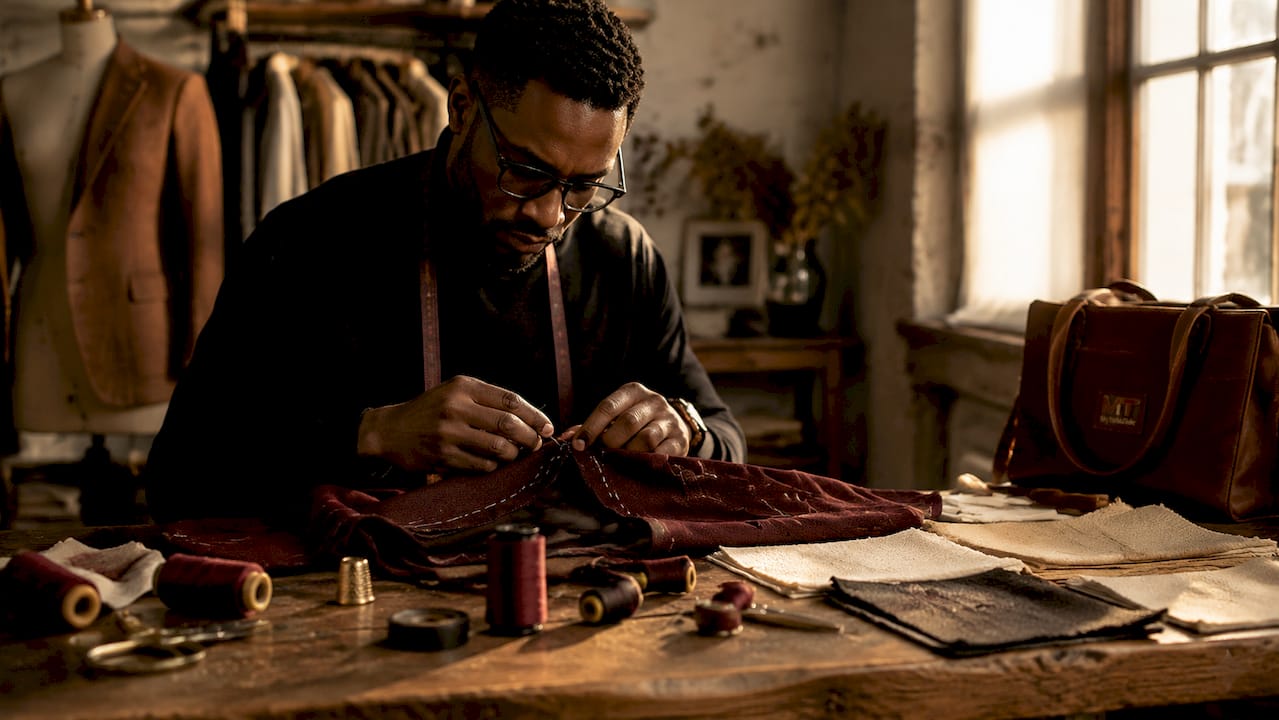
Boutiques like MaraFormigone have built their entire identity around this principle. Their selections emphasize enduring quality over fleeting trends, sourcing pieces that remain stylish across seasons rather than chasing what is popular this quarter. Investing in high-quality curated pieces turns each purchase into a sustainable wardrobe addition rather than a disposable transaction.
Authenticity guarantees are another dimension of value that open marketplaces cannot reliably provide. Curated shops stake their reputation on every item they carry. When a curated platform sources a handcrafted ceramic or a designer accessory, the provenance is verified. That verification protects you from counterfeits and misrepresented goods, which remain a persistent problem on open platforms.
| Purchase type | Cost per use | Lifespan | Authenticity assurance |
|---|---|---|---|
| Fast fashion item | High (short lifespan) | 1 to 2 seasons | Minimal |
| Open marketplace item | Variable | Unpredictable | Limited |
| Curated luxury piece | Low (long lifespan) | Years to decades | Verified |
The slow fashion movement, which prioritizes fewer, better purchases over constant consumption, aligns directly with the curated shopping model. When you buy from a shop that has already filtered for durability and timeless design, you are automatically practicing slow fashion without needing to research every brand independently. For lasting luxury in your home, the same principle applies across furniture, decor, and lifestyle goods.
How curated collections help you build a personal style
Curated collections create systems where products share style compatibility, which means the pieces you buy from a single curated shop are designed to work together. This is not accidental. It reflects the pre-selected compatibility that defines genuine curation, where items share a visual language and complement each other rather than clash.
Building a cohesive personal style is significantly easier when your starting point is a collection that has already done the compatibility work. Here is how curated shops accelerate that process:
- Reduce mismatched impulse buys. When every item in a shop shares an aesthetic standard, you are far less likely to buy something that does not fit your existing wardrobe or home.
- Provide styling guidance. Many curated platforms include contextual styling suggestions alongside product listings, showing you how a piece works within a broader look rather than presenting it in isolation.
- Build confidence through consistency. When your purchases consistently reflect a single point of view, your style becomes more defined and recognizable over time.
- Support style exploration safely. A curated shop with a clear aesthetic lets you try new directions without the risk of buying something that has no place in your existing collection.
- Accelerate decision-making. Because the items are pre-vetted for compatibility, you spend less time wondering whether something will work and more time deciding whether you love it.
The practical impact of this is significant. Shoppers who buy from curated platforms tend to report higher satisfaction with their purchases and fewer returns, because the selection process itself filters out the mismatches before checkout. For upscale home styling, this translates directly into spaces that feel intentional rather than assembled by accident.
Key takeaways
Curated shops deliver measurably better shopping outcomes because they replace volume with editorial judgment, giving you quality, authenticity, and style coherence that open marketplaces cannot match.
| Point | Details |
|---|---|
| Curation reduces decision fatigue | Catalogs of roughly 314 items replace thousands of results, shifting buyers from scanning to evaluating. |
| Authentic curation requires gatekeeping | Only shops that actively vet sellers and products before listing qualify as genuinely curated. |
| Cost-per-use favors curated quality | High-quality curated pieces cost less per use over time than cheap, disposable alternatives. |
| Style compatibility is built in | Curated collections pre-select for aesthetic coherence, making it easier to build a cohesive personal style. |
| Trust drives repurchase | Vendor vetting and authenticity guarantees create stronger buyer loyalty and higher satisfaction rates. |
Why I stopped browsing and started trusting curated shops
The turning point for me was a single afternoon spent searching for a leather bag on a major open marketplace. After two hours and 47 browser tabs, I had not bought anything. I had only accumulated anxiety. That experience is not unusual. It is the designed outcome of platforms built to maximize browsing time, not purchase satisfaction.
When I shifted to curated platforms, the experience was categorically different. Not because the products were necessarily more expensive, but because someone had already made the hard decisions. The editorial voice of a genuine curated shop functions like a trusted friend who knows your taste. You do not need to verify every claim or cross-reference every review. The shop’s reputation is on the line with every item it carries.
What I find most underappreciated about curated shopping is the confidence it builds over time. When you consistently buy from shops with clear standards, your own taste sharpens. You start to recognize quality faster, trust your instincts more, and spend less time second-guessing purchases. The shop’s curation becomes a mirror for your own developing aesthetic.
My honest advice: stop treating open marketplaces as your default starting point. Use them for commodity purchases where brand and quality are irrelevant. For anything that will live in your home, on your body, or in your daily life for years, buy from a shop that has done the editorial work. The difference in satisfaction is not marginal. It is the difference between a wardrobe you love and a closet full of regrets.
— Lysander
Discover curated luxury selections at Mytotaltake
Mytotaltake applies the same editorial rigor to home and lifestyle goods that the best fashion boutiques apply to clothing. Every piece in the collection is selected for craftsmanship, durability, and timeless design rather than trend volume.
Whether you are looking for luxury furniture that earns its place in your home for decades, or high-end home decor that reflects genuine craftsmanship, Mytotaltake’s curated collections remove the guesswork entirely. You will not find thousands of options competing for your attention. You will find the right ones. Explore the full range of curated luxury selections and experience the difference that intentional curation makes.
FAQ
What is a curated shop, exactly?
A curated shop is a retail platform that actively vets every product and seller before listing, applying consistent quality and style standards. Unlike open marketplaces, a curated shop acts as an editorial gatekeeper rather than a neutral host.
Why choose curated collections over standard retail?
Curated collections reduce decision fatigue by replacing thousands of options with a manageable, pre-vetted selection. This saves time, improves purchase satisfaction, and consistently delivers higher quality per transaction.
How do curated shops improve long-term value?
Curated boutiques prioritize longevity and cost-per-wear over trend cycles, meaning each purchase delivers more value over its lifespan than cheaper, disposable alternatives from fast fashion or open marketplace sellers.
What is curated shopping and how does it differ from browsing?
Curated shopping is the practice of buying from editorially filtered collections where human judgment has already screened for quality and compatibility. Browsing an open marketplace is the opposite: an unfiltered experience that maximizes options and minimizes guidance.
How can I tell if a platform is genuinely curated?
Look for explicit selection criteria, a narrow and aesthetically consistent product range, transparent sourcing information, and a track record of buyer trust. If the platform accepts any seller without review, the curation label is marketing rather than practice.
Recommended
How to Measure for a Sofa That Fits
9 Best Countertop Espresso Machines Under 1000
Comments
[…] Why Buy from Curated Shops: Quality, Style, and Value […]







Leave a comment