
What Is Functional Luxury? A Design Guide
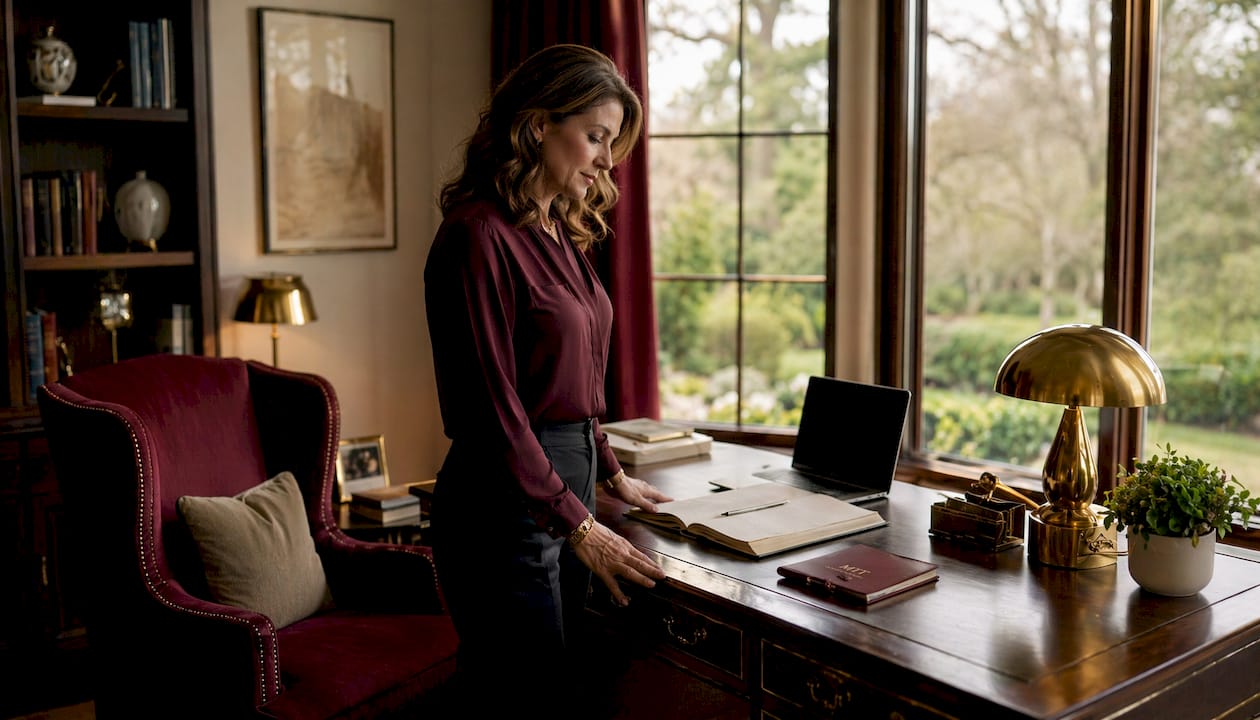
Functional luxury is defined as a design philosophy that merges high-end aesthetics with durability and practicality for daily, long-term use. Unlike traditional luxury, which often prioritizes appearance over usability, functional luxury treats every design decision as a performance choice. The concept has gained serious traction as consumers shift toward a “buy less, buy better” mindset, choosing products that serve as both status symbols and practical tools. A lifetime-warranted travel bag or a natural stone countertop that deepens in character over decades both embody this idea. Mytotaltake curates products built on exactly this principle: lasting elegance that earns its place in your daily life.
What is functional luxury, and what principles define it?
Functional luxury is an intentional design movement that balances high-end aesthetics with durability and practicality. The standard industry term for this concept is “performance-driven luxury,” though “functional luxury” has become the widely recognized shorthand across design and lifestyle circles. At its core, the philosophy rejects the idea that beauty and usefulness must compete. Every material, finish, and spatial decision is evaluated through two lenses: how it looks and how it performs over decades.
Durability over trend-chasing
The most important principle is longevity. Functional luxury favors materials that age with character, such as natural stone, solid brass, and high-quality hardwood. These materials do not just survive daily use. They improve with it, developing patina and depth that mass-produced alternatives cannot replicate.
Intentional design choices
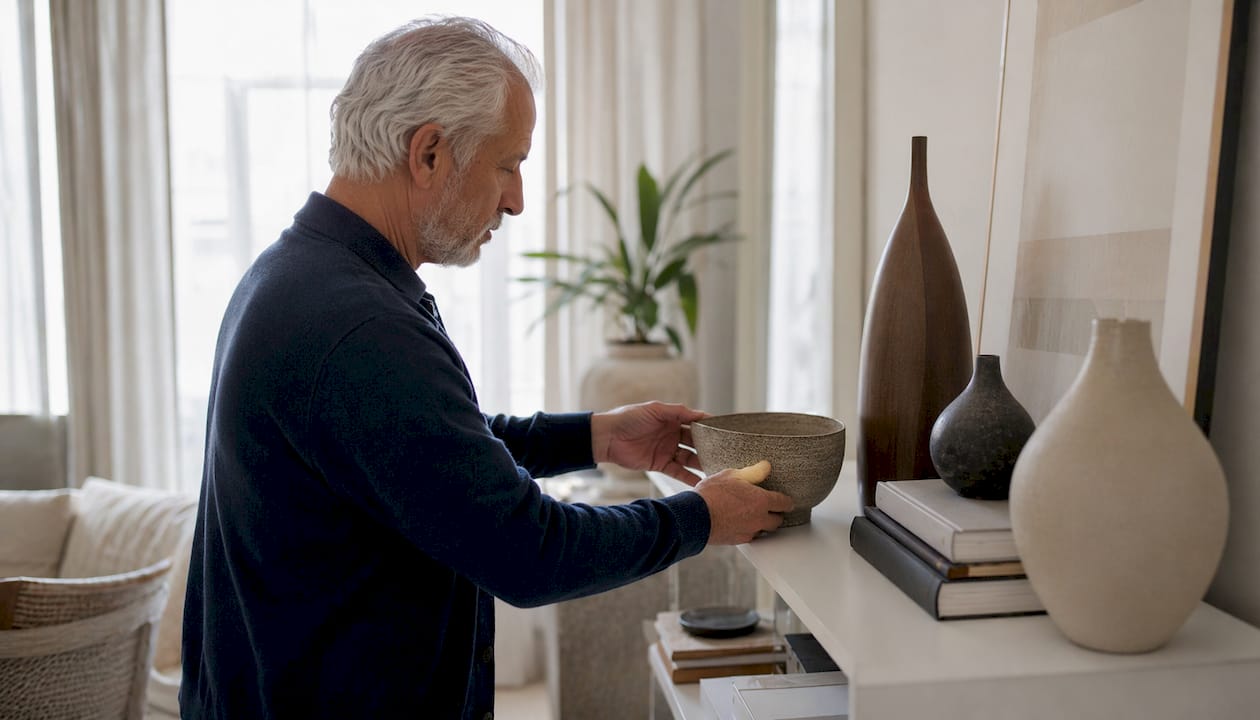
Every element in a functionally luxurious space has a clear purpose. Decorative objects that serve no function are minimized. Storage is built into architecture rather than added as an afterthought. This approach, sometimes called “sensory minimalism,” maximizes appeal while minimizing mental load. The result is a space that feels calm and considered rather than cluttered or performative.
Whole-room thinking and spatial harmony
Functional luxury considers how a room works as a system, not just how individual pieces look. Traffic flow, lighting transitions, acoustic comfort, and tactile experience all factor into design decisions. A sofa chosen purely for its silhouette but covered in fabric that shows every mark fails this test. One upholstered in a performance weave that repels stains while maintaining a refined appearance passes it.
- Durability: Choose materials rated for high-traffic use, not just visual appeal.
- Intentionality: Every object earns its place through purpose, not decoration alone.
- Sensory minimalism: Reduce visual noise to lower daily mental load.
- Longevity: Select finishes and fixtures by evaluating daily use comfort over trendy aesthetics.
- Whole-room thinking: Design spaces as integrated systems, not collections of individual pieces.
Pro Tip: Before purchasing any high-end fixture or furniture piece, ask yourself one question: “Will this still work for my life in fifteen years?” If the answer depends on a trend staying current, reconsider the choice.
How does functional luxury differ from traditional luxury?
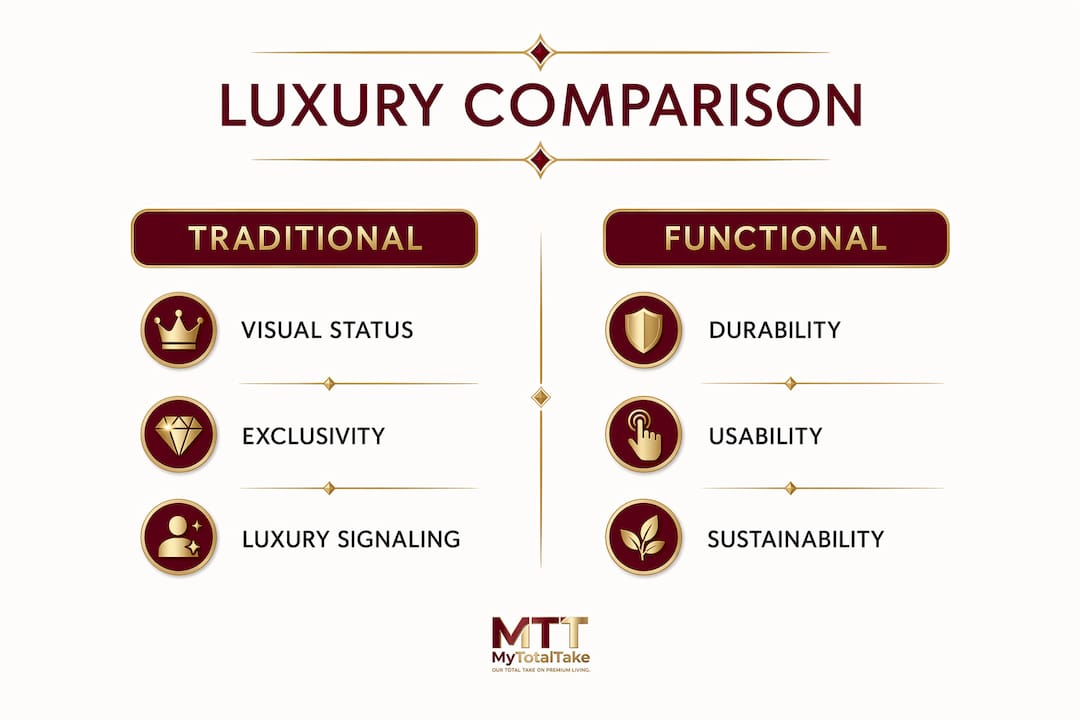
Traditional luxury and functional luxury share a commitment to quality materials and skilled craftsmanship. The difference lies in what those materials and skills are asked to do. Traditional luxury often prioritizes visual status, selecting items because they signal wealth or exclusivity. Functional luxury prioritizes utility, comfort, and sustainability alongside aesthetics.
A common pitfall in traditional luxury design is “luxury signaling.” This describes items that look expensive but lack practical purpose, such as a white silk sofa in a family home or a polished chrome faucet that shows every water spot. These choices create maintenance burdens rather than comfort. Functional luxury avoids this trap by choosing performance fabrics for high-traffic areas and matte or brushed finishes that hide daily wear.
The shift in consumer preference is clear. By early 2026, the market strongly favors “lived-in luxury,” prioritizing comfort and multi-functionality using durable materials suited to active households. This means luxury in family homes now means stress-free environments where materials endure pets and toddlers without requiring pristine care.
| Dimension | Traditional luxury | Functional luxury |
|---|---|---|
| Primary goal | Visual status and exclusivity | Usability, comfort, and longevity |
| Material selection | Appearance-driven, often high-maintenance | Performance-driven, ages with character |
| Design approach | Statement pieces, trend-led | Intentional systems, timeless choices |
| Maintenance demand | High, often fragile or delicate | Low, built for real daily life |
| Lifestyle fit | Curated for display | Adapted to evolving life stages |
The table above shows that the two approaches are not opposites. They share a foundation of quality. Functional luxury simply adds a performance filter to every decision.
What are practical examples of functional luxury in home design?
Concrete examples make this philosophy tangible. Functional luxury shows up in specific design choices across rooms, materials, and products. The modern farmhouse trend illustrates this well: separate living wings for adults and children, smooth indoor-to-outdoor transitions, and performance materials throughout create a home that feels both refined and genuinely livable.
Spa-inspired showers and accessible design
Zero-threshold showers are one of the clearest expressions of functional luxury in bathrooms. They eliminate the step-over barrier, making the space safer and more comfortable for all ages. Crucially, they also look architectural and intentional rather than clinical. Functional luxury often incorporates invisible accessible features like wider doorways for aging in place, integrating accessibility with architectural elegance so the design never announces its practicality.
Custom joinery and organized storage
Clutter is the enemy of calm. Custom joinery that conceals storage behind flush panels or integrated cabinetry keeps surfaces clear without sacrificing capacity. This approach converts what would be visual noise into clean wall planes. The premium home organization principle here is simple: when storage is beautiful and abundant, tidiness becomes effortless rather than effortful.
Performance materials in living spaces
- Performance fabrics: Woven textiles rated for 100,000+ double rubs maintain their appearance through years of daily use.
- Brushed brass and matte black fixtures: These finishes hide fingerprints and water marks while maintaining a high-end appearance.
- Engineered hardwood flooring: Dimensionally stable across humidity changes, it delivers the warmth of solid wood with greater resilience.
- Honed natural stone: Less reflective than polished stone, it conceals surface scratches while retaining the material’s inherent richness.
Outdoor spaces follow the same logic. Luxury patio design in 2026 integrates weather-resistant materials, built-in lighting, and furniture rated for year-round exposure. The goal is an outdoor room that requires no seasonal dismantling or protective covering to stay beautiful.
Pro Tip: When selecting upholstery for a living room sofa, request the fabric’s Martindale or Wyzenbeek abrasion rating from the manufacturer. A rating above 30,000 double rubs indicates genuine durability for everyday household use.
Why is functional luxury important for long-term lifestyle and sustainability?
Functional luxury matters beyond aesthetics because it changes how you live. A home designed on these principles supports evolving life stages and minimizes the mental load of daily management. When your environment works with you rather than against you, the quality of daily life improves in ways that are hard to quantify but immediately felt.
The sustainability argument is equally strong. Buying one well-made piece that lasts thirty years produces far less waste than replacing three cheaper alternatives over the same period. Functional luxury converts the “buy less, buy better” ethos from a slogan into a practical purchasing framework. Materials like natural stone and solid brass do not end up in landfills. They get handed down.
The emotional benefits are real and documented. Spaces that manage everyday mess respectfully and support life adaptations over time reduce daily friction. That reduction compounds. A kitchen where everything has a place and every surface is easy to clean does not just look good. It lowers stress every single morning.
- Longevity reduces replacement cycles and material waste.
- Timeless design choices resist obsolescence driven by trend cycles.
- Accessible features built in from the start prevent costly retrofits later.
- Performance materials lower maintenance time and household stress.
- Mindful purchasing builds a home that tells a coherent story rather than accumulating mismatched pieces.
The modern home decor approach that Mytotaltake champions reflects this directly. Curating fewer, better pieces creates spaces that feel intentional and complete rather than assembled over time without a guiding philosophy.
Key Takeaways
Functional luxury is the most durable design philosophy available because it treats beauty and performance as inseparable requirements, not competing priorities.
| Point | Details |
|---|---|
| Core definition | Functional luxury merges high-end aesthetics with durability and practicality for long-term daily use. |
| Key differentiator | It avoids “luxury signaling” by choosing materials that perform under real daily conditions. |
| Design principles | Durability, intentionality, sensory minimalism, and whole-room thinking guide every choice. |
| Sustainability link | Buying fewer, better-made pieces reduces waste and supports a mindful consumption approach. |
| Practical application | Performance fabrics, zero-threshold showers, and custom joinery are hallmark examples in real homes. |
Why I think most people misunderstand what luxury actually means
The word “luxury” gets attached to almost everything now, and that dilution has caused real confusion. People assume luxury means expensive, rare, or visually dramatic. After spending years studying how well-designed spaces actually function, I have come to believe the opposite is closer to the truth.
The most luxurious thing a home can do is make your daily life easier without you noticing. That zero-threshold shower is not a luxury because it cost more. It is a luxury because you never think about it. The custom joinery is not impressive because it looks expensive. It is impressive because your countertops are always clear. That invisibility is the point.
The biggest mistake I see is people investing heavily in the visual layer of a space while ignoring the functional layer entirely. They choose a stunning marble floor that requires sealing twice a year and shows every scuff. They install a statement light fixture that cannot be re-lamped without a specialist. These choices create beautiful photographs and frustrating daily lives.
My honest recommendation: apply the functional luxury framework as a decision filter before any significant purchase. Ask whether the item will perform better, look better, or require less care five years from now than it does today. If the answer is yes to at least two of those three, you are making a genuinely luxurious choice. If the answer is no, you are buying a status symbol. There is nothing wrong with status symbols, but you should know which one you are choosing.
— Lysander
Mytotaltake and the art of choosing well
The gap between a beautiful room and a beautiful life comes down to the quality of individual choices. Mytotaltake was built for readers who understand that distinction.
The luxury furniture collection at Mytotaltake is curated specifically around the functional luxury standard: pieces that balance refined aesthetics with genuine durability. Every item is selected because it performs as well as it looks. For readers ready to go deeper, the upscale product selection guide walks through exactly how to evaluate craftsmanship, materials, and longevity before committing to a purchase. Mytotaltake also covers luxury materials in detail, giving you the knowledge to shop with confidence rather than guesswork.
FAQ
What is the simplest definition of functional luxury?
Functional luxury is a design philosophy that combines high-end aesthetics with durability and practicality, creating products and spaces that perform as well as they look over the long term.
How does functional luxury differ from traditional luxury?
Traditional luxury prioritizes visual status and exclusivity. Functional luxury prioritizes usability, comfort, and longevity, choosing materials and designs that support real daily life rather than requiring careful maintenance.
What are the best examples of functional luxury in home design?
Zero-threshold spa-style showers, custom joinery with concealed storage, performance-fabric upholstery, and honed natural stone surfaces are all strong examples of functional luxury applied in residential spaces.
Is functional luxury more sustainable than traditional luxury?
Yes. By favoring materials that age with character and last decades, functional luxury directly supports a “buy less, buy better” approach that reduces replacement cycles and material waste.
Can functional luxury work in a family home with children and pets?
Functional luxury is particularly well-suited to active family homes. Performance fabrics, durable finishes, and clutter-managing storage systems create refined spaces that endure daily household life without constant upkeep.







Leave a comment