What Is a Luxury Marketplace? Your 2026 Guide

A luxury marketplace is a curated online platform where high-value, authenticated goods from recognized premium brands are bought and sold. What unifies these platforms is not any single product category but rather the price point, brand prestige, and above all the guarantee of authenticity that makes buyers confident spending thousands of dollars on items they cannot physically inspect. The Cambridge Dictionary defines a luxury market as one for expensive goods purchased for pleasure, emphasizing premium quality and aspirational consumer experience. This definition captures the spirit, but the operational reality goes further.
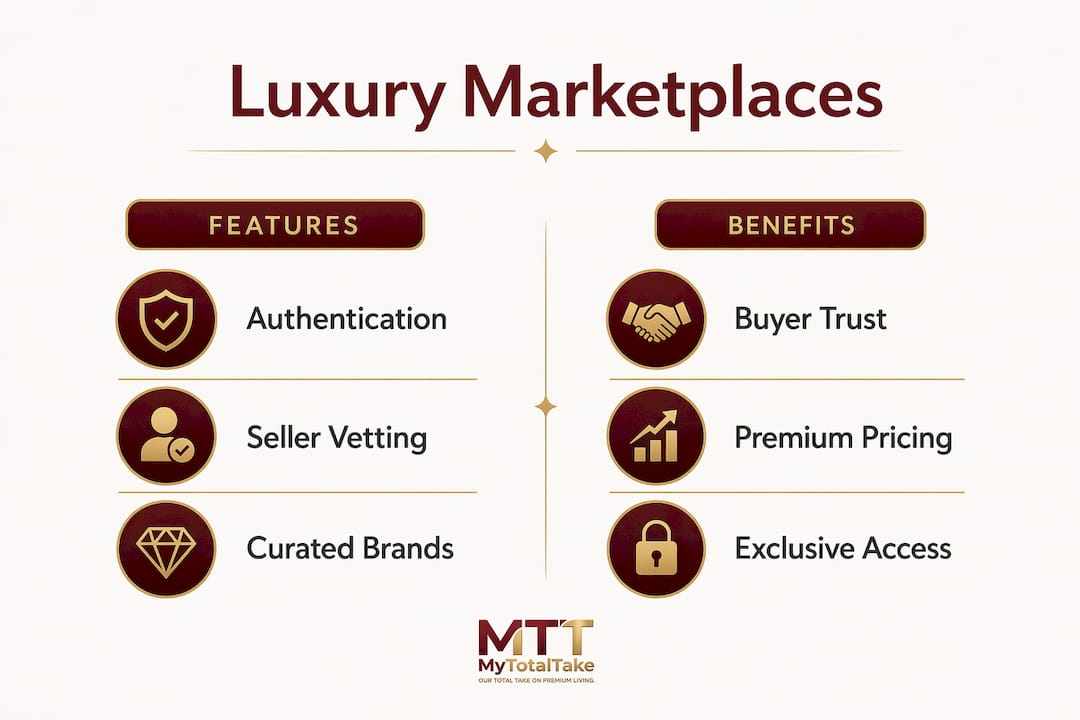
Luxury marketplaces act as trust arbiters. A buyer spending $3,000 on a handbag or $15,000 on a watch needs the platform to stand behind the item’s authenticity, not just a seller’s word. That responsibility separates these platforms structurally from general e-commerce, where a fraudulent listing costs a bad review. On a luxury platform, it costs a buyer thousands of dollars and destroys platform credibility entirely.
Key characteristics that define a luxury marketplace:
- Authentication infrastructure: Rigorous third-party expert inspections or proprietary digital certificates are standard, not optional.
- Curated seller access: Brands and sellers go through vetting or invitation-only onboarding to preserve exclusivity.
- Premium product categories: Fashion, jewelry, watches, art, antiques, real estate, yachts, and rare collectibles dominate.
- Elevated customer experience: Personalized styling, concierge service, and editorial content replicate boutique shopping online.
- Fee and commission structures: Platforms typically charge commission on sales, listing fees, or both, offset by higher average order values.
Top luxury marketplaces you should know in 2026
The U.S. luxury e-commerce space is crowded, but not all platforms are built the same. The comparison below covers onboarding rigor, cost structure, authentication approach, product focus, and best-fit use case across the leading options.
| Marketplace | Onboarding process | Authentication | Product categories | Best for |
|---|---|---|---|---|
| Net-a-Porter | Invitation/brand vetting | In-house editorial curation | Designer fashion, accessories | High-end fashion sellers |
| JamesEdition | Application-based | Seller verification | Cars, yachts, real estate, jets | Ultra-luxury asset sellers |
| Luxify | Application-based | Strong third-party authentication | Jewelry, watches, art | Consignors seeking curated variety |
| Selfridges | Brand partnership required | Editorial curation | Fashion, beauty, home | Omni-channel luxury brands |
| Harrods | Exclusive brand partnership | In-house curation | Fashion, food, home, beauty | Prestigious brands, affluent buyers |
| Amazon.com | Open registration | Limited; brand registry only | All categories including luxury | Broad reach, large inventory sellers |
| Farfetch | Boutique/brand application | End-to-end authentication tech | Designer fashion, accessories | Global fashion brands and boutiques |
| Vestiaire Collective | Peer-to-peer listing | Rigorous item-by-item verification | Pre-owned luxury fashion | Resellers of authenticated pre-owned goods |
| eBay | Open registration | Authentication partners (watches, sneakers) | All categories | Broad reach with growing luxury focus |
| The RealReal | Consignment submission | In-house authentication experts | Fashion, jewelry, watches, art | Luxury consignors |
| Mytheresa | Brand partnership | Editorial curation | Designer fashion | Prestige brands targeting affluent women |
| Ulta Beauty | Brand application | Brand-verified products | Beauty, cosmetics | Luxury cosmetics brands |
| Nordstrom | Brand partnership | Brand-verified inventory | Fashion, beauty, home | Multi-category brands |
| Wolf & Badger | Designer application | Curated vetting | Independent designer fashion, jewelry | Artisanal and ethical luxury sellers |
| Courir | Retailer partnership | Brand authentication | Footwear, luxury sneakers | Luxury sneaker sellers |
| Snowinn | Retailer/brand listing | Brand-verified | Sports, outdoor luxury gear | High-end outdoor equipment sellers |
| MatchesFashion | Brand partnership | Editorial curation | Designer fashion | Designer brands seeking curated exposure |
| 24S | LVMH-affiliated brand selection | LVMH quality standards | Luxury fashion, accessories | LVMH-aligned luxury brands |
| Galeries Lafayette | Brand partnership | In-house curation | Fashion, beauty, home, food | European luxury brands, global buyers |
| Yoox | Brand/outlet partnership | Authentic brand inventory | Past-season designer fashion | Brands clearing excess inventory |
| Moda Operandi | Designer application | Editorial curation | Pre-order designer collections | Brands launching exclusive new collections |
| Pandacola | Application-based | Cross-border verification | Luxury goods, Asian market focus | Brands seeking Asian market access |
| LuisaViaRoma | Brand partnership | In-house curation | High-end fashion, exclusive drops | European luxury fashion brands |
| Chrono24 | Dealer/seller registration | Dedicated watch authentication | Luxury watches, timepieces | Watch sellers and collectors |
| Rebag | Consignment/direct sale | Specialized handbag authentication | Luxury handbags | Handbag buyers and sellers |
| 1stdibs | Dealer application | Expert vetting | Antiques, art, jewelry, furniture | Sellers of rare collectibles and art |
| Ellos.se | Retailer partnership | Brand-verified | Fashion, home, Nordic luxury | Nordic luxury market sellers |
| Pamono | Dealer application | Curated expert vetting | Vintage furniture, design art | Rare designer furniture and art sellers |
| The Outnet | Brand/outlet partnership | Authentic brand inventory | Past-season designer fashion | Brands clearing past-season stock |
| Monnier Freres | Brand partnership | Curated selection | Luxury accessories | Luxury accessories sellers, European focus |
| Cettire | Aggregated brand listings | Brand-verified inventory | Designer fashion, accessories | Sellers seeking broad aggregated exposure |
| Mybudapester | Brand/retailer partnership | Brand-verified | Designer footwear | Premium shoe brands and sellers |
A few platforms deserve closer attention given how differently they operate in practice.
Farfetch connects independent boutiques and brands to a global audience through its own technology layer, including end-to-end authentication and logistics support. For a fashion brand without a large in-house digital team, Farfetch’s infrastructure is genuinely useful. The trade-off is commission fees that can run high, and the platform controls much of the customer experience.
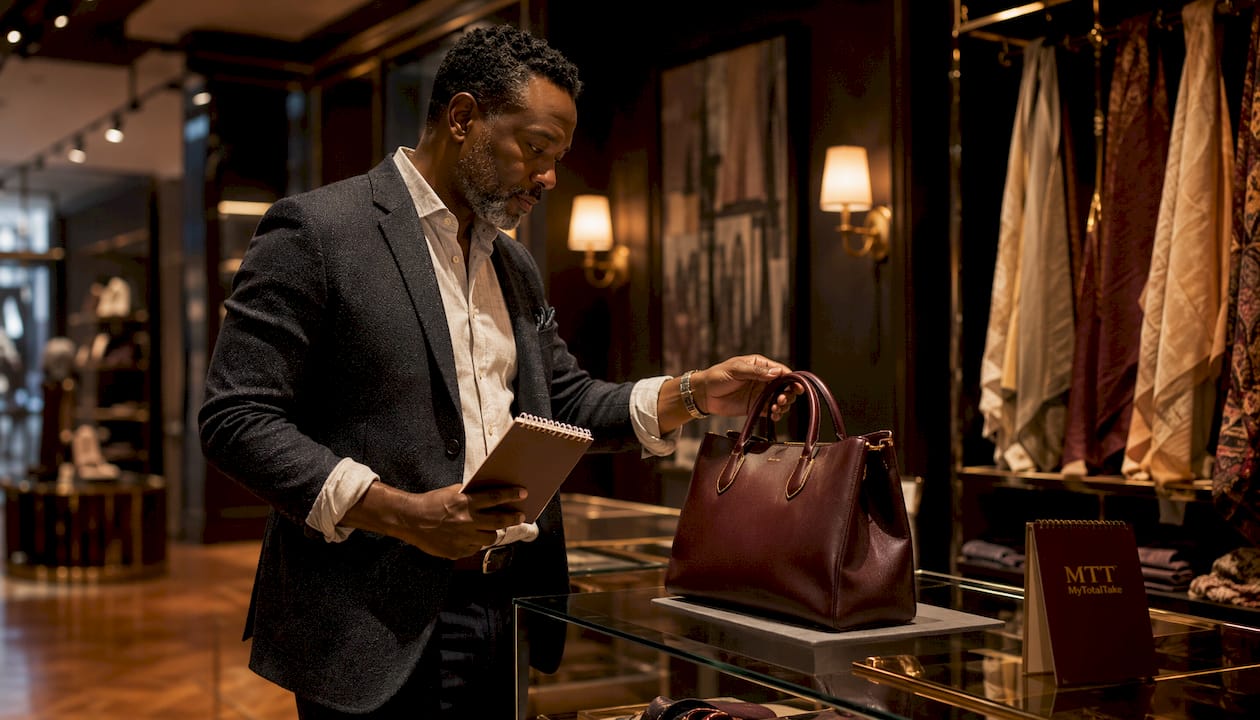
The RealReal built its reputation on in-house authentication experts who physically inspect every consigned item before listing. That model builds buyer confidence but means sellers give up control over pricing and timing. It suits consignors who prioritize trust over speed.
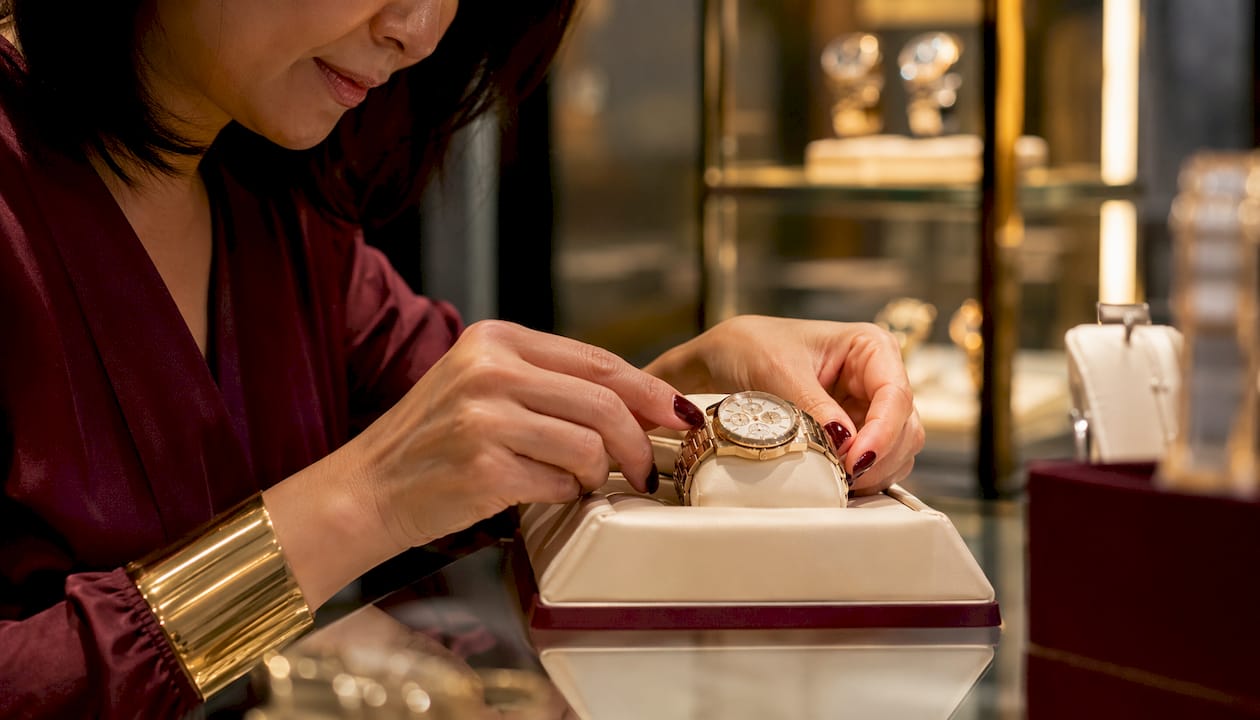
Chrono24 is the clearest example of category specialization done right. The platform focuses exclusively on luxury watches, with authentication protocols designed specifically for timepieces. A watch seller gets a buyer pool that already understands the category, which shortens the sales cycle considerably.
1stdibs occupies a different corner of the market entirely. Its dealer application process is selective, and the platform’s expert vetting makes it the go-to destination for rare antiques, signed art, and heirloom jewelry. Average order values here are among the highest of any platform on this list.
Moda Operandi runs an unusual pre-order model, letting buyers purchase directly from designer runway collections before items are produced. For brands launching exclusive collections, that model creates demand before inventory even exists.
Wolf & Badger stands out for its focus on independent designers and artisans, with an emphasis on ethical sourcing and craftsmanship. It suits niche luxury sellers whose story is as important as the product itself.
Pro Tip: If you sell across multiple luxury categories, consider listing on two complementary platforms rather than one broad one. Pairing a fashion-focused platform like Net-a-Porter with a specialty platform like Chrono24 or 1stdibs often yields better category authority and buyer trust than spreading inventory across a single generalist channel.
How to choose the right luxury marketplace for your brand
The right platform depends on what you are selling, how much brand control you need, and what you are willing to pay for access to a qualified buyer pool. Luxury brands adopt marketplace channels to reach new consumers and offer premium digital shopping experiences while preserving exclusivity. But not every platform delivers on all three.
Start with these questions before committing to any channel:
- What is your product category? Watches belong on Chrono24. Handbags belong on Rebag or The RealReal. Vintage furniture belongs on Pamono or 1stdibs. Forcing a product into the wrong category marketplace wastes listing effort and reaches the wrong buyers.
- How much brand control do you need? Platforms like Net-a-Porter and Mytheresa maintain strict editorial control over how products are presented. That protects brand image but limits your ability to customize messaging. Open platforms like Amazon give you more flexibility but far less curation.
- What authentication rigor does your buyer expect? A buyer spending $10,000 on a watch expects platform-backed authentication. A buyer spending $300 on a past-season dress may not. Match the platform’s authentication standard to your price point.
- What are the real costs? Commission fees vary widely across platforms. Some charge a flat percentage per sale; others add listing fees, photography requirements, or mandatory logistics partnerships. Factor all costs against your average order value before signing any agreement.
- Is the onboarding process realistic for your timeline? Invitation-only platforms like Harrods or Net-a-Porter can take months to approve a new brand. If you need sales volume quickly, a platform with a faster application process may serve you better in the short term.
One trade-off that surprises many sellers: premium platforms limit direct customer experience control, but they offset that by providing concierge services, personal styling, and VIP client support that most brands cannot replicate independently. For newer luxury brands without an established service infrastructure, that trade-off often favors the platform.
You can also read about current luxury shopping trends to understand what affluent buyers are prioritizing right now before choosing where to list.
What actually sets luxury marketplaces apart from general platforms
Online marketplaces accounted for 62% of global retail e-commerce sales, roughly $2.4 trillion, in 2024. Luxury platforms represent a fraction of that volume but a disproportionate share of per-transaction value. The economic structure is deliberately different: fewer transactions, higher revenue per sale, and higher costs absorbed by authentication and premium service.
Here is what structurally separates a luxury marketplace from a general one:
- Authentication as the core product. General marketplaces rely on reviews and buyer protection policies to manage fraud risk. Luxury platforms assume direct liability for authenticity, requiring rigorous expert inspections or proprietary digital certificates on every item. That is not a feature; it is the foundation the entire business model rests on.
- Higher average order values. The economics only work because buyers spend significantly more per transaction. A platform can afford specialized authentication staff and white-glove logistics when the average sale is $2,000, not $20.
- Curated visual storytelling. Luxury marketplaces invest heavily in editorial photography, lookbooks, and brand narratives that replicate the immersive feel of a high-end boutique. A product page on Net-a-Porter or Mytheresa looks nothing like a listing on a general marketplace.
- Strict seller vetting. Invite-only and application-based onboarding preserves brand equity by controlling who appears on the platform. A counterfeit seller or an off-brand product degrades the entire catalog’s credibility.
- Dedicated customer service. VIP client programs, personal shoppers, and concierge support are standard on top-tier platforms. Farfetch, Net-a-Porter, and Harrods all offer some form of personalized service that general marketplaces simply do not provide.
- Technology-driven trust. Platforms like Farfetch use proprietary authentication technology and logistics networks. Chrono24 uses specialized watch verification tools. The RealReal employs trained gemologists and brand specialists. The technology investment is specific to the category, not generic.
Understanding what makes a designer piece worth its price helps buyers and sellers alike recognize why these platforms charge what they do and why the authentication layer justifies the cost.
Mytotaltake offers a different path to premium goods
If you are researching luxury marketplaces because you want to buy premium goods rather than sell through a platform, Mytotaltake is worth knowing about. It is a curated e-commerce destination for high-quality lifestyle products across fashion, home decor, outdoor furniture, technology gadgets, and wellness, built for discerning buyers who want quality without the complexity of navigating multiple marketplace accounts.
Where the platforms compared above are primarily selling channels for brands and consignors, Mytotaltake is a buying destination. The curation is done for you. Every product reflects a commitment to craftsmanship, lasting elegance, and premium materials. You get fast delivery, free returns, and a shopping experience designed around the same values that define the best luxury marketplaces: authenticity, quality, and a standard that does not compromise.
If you are furnishing a home with pieces that earn their place, start with luxury furniture that combines timeless design with genuine durability. For broader guidance on selecting products that hold their value, Mytotaltake’s upscale product selection tips give you a clear framework for buying well the first time.
Key Takeaways
Luxury marketplaces earn their premium positioning through authentication infrastructure, strict seller vetting, and curated experiences that general platforms typically do not replicate.
| Point | Details |
|---|---|
| Authentication is the foundation | Luxury platforms assume direct liability for authenticity, unlike general marketplaces that rely on reviews. |
| Marketplace scale is massive | Online marketplaces accounted for 62% of global retail e-commerce sales, roughly $2.4 trillion, in 2024. |
| Seller fit matters more than reach | Match your product category to a specialized platform like Chrono24 for watches or 1stdibs for antiques and art. |
| Brand control is a real trade-off | Premium platforms limit direct customer experience control but offset that with concierge and VIP services. |
| Mytotaltake as a buying channel | Mytotaltake offers a curated alternative for buyers seeking authenticated, premium lifestyle products without managing multiple marketplace accounts. |








Leave a comment