
What Defines Sophisticated Living: A Practical Guide
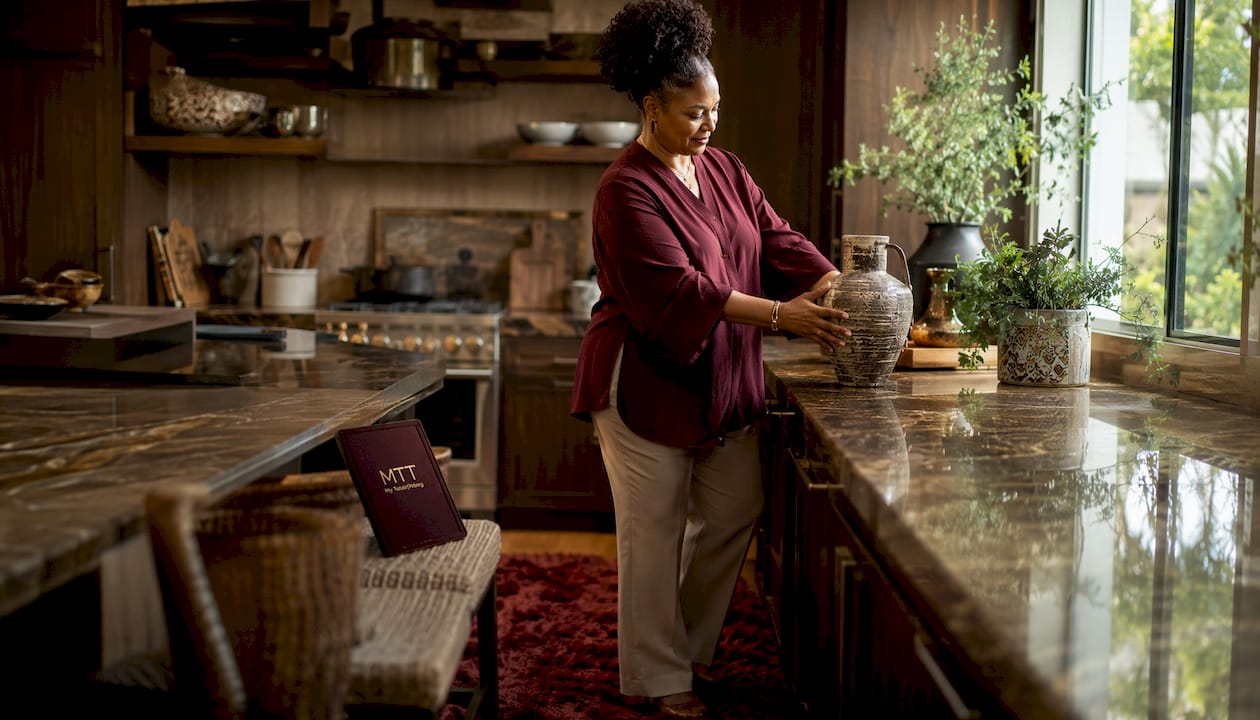
Sophisticated living is the practice of choosing intentionally, consuming discerningly, and building a life oriented toward longevity over novelty. It rests on three pillars: ethical consumption, cultural literacy, and the disciplined use of time. Provenance matters more than price. Craftsmanship outlasts trend. And cultural literacy — the ability to read a room, a conversation, or a moment with genuine depth — is the quiet engine behind every refined interaction.
Table of Contents
- What defines sophisticated living? The essential traits
- How does sophisticated living show up day to day?
- What sophisticated living is not
- How can you cultivate sophisticated living starting now?
- Why does refinement create ease rather than constraint?
- Where did the idea of sophisticated living come from?
- How do different cultures express sophisticated living?
- Why do people desire sophisticated living?
- Key Takeaways
- The quiet case for starting small
- Curated pieces that support the life you are building
What defines sophisticated living? The essential traits
Refined living is not a single aesthetic. It is a cluster of habits and values that compound over time. Here are the core characteristics, each with a brief illustration of what it looks like in practice:
- Taste and restraint. Choosing one well-made piece over five mediocre ones. A single hand-knotted rug anchors a room better than a floor covered in fast-furniture.
- Cultural literacy. Knowing the history behind what you wear, collect, or serve. A host who can speak to the origin of a wine or the maker of a ceramic bowl creates genuine connection.
- Ethical consumption. Prioritizing provenance and craftsmanship — natural materials, traceable supply chains, durable construction — over disposable convenience.
- Craftsmanship appreciation. Recognizing hand-finished surfaces, quality joinery, and materials that age gracefully: linen, wool, stone, solid brass.
- Emotional intelligence. Listening more than speaking. Handling friction with composure. Knowing when silence is the most powerful response.
- Discretionary time. Protecting hours for reading, reflection, and relationships rather than filling every gap with consumption or obligation.
- Consistency and discretion. Behaving the same whether observed or not. Sophistication is a private discipline, not a performance.
- Perceptual depth. Understanding the why behind an experience — why a space feels calm, why a conversation lands — sharpens both social and professional judgment.
How does sophisticated living show up day to day?
The clearest test of refinement is not what you own but how you live across ordinary domains.
| Domain | Clear sign | What to notice |
|---|---|---|
| Wardrobe | A small, cohesive wardrobe of quality pieces | Fewer decisions each morning; garments that improve with age |
| Home | Edited interiors with negative space and natural materials | Nothing competes for attention; every object earns its place |
| Entertaining | Unhurried hosting with considered food, drink, and conversation | Guests feel seen, not impressed |
| Daily routines | Consistent rituals: morning reading, evening reflection | Predictable quality replaces reactive chaos |
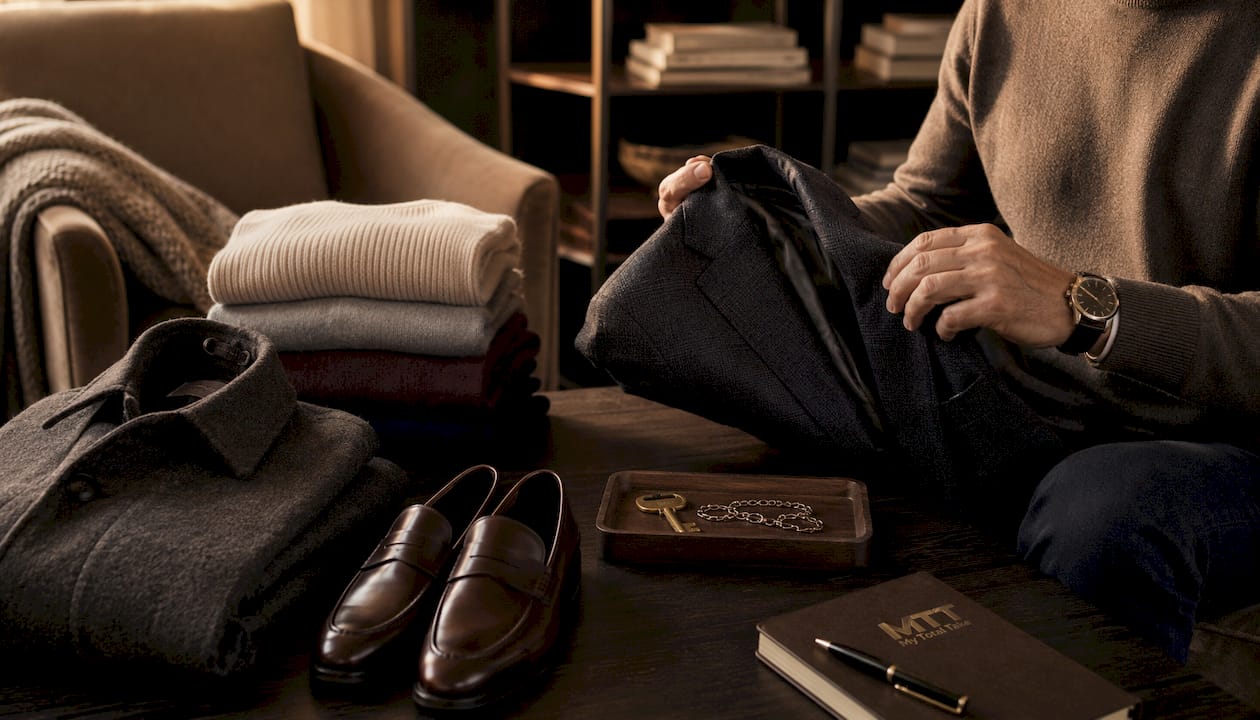
Wardrobe. The essentials for sophisticated style are fewer than most people think: a well-cut coat, two or three quality fabrics in neutral tones, and shoes built to last a decade. Stop buying seasonal trend pieces. Start tracking cost-per-wear instead of sticker price.
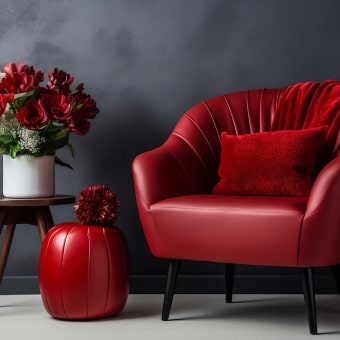
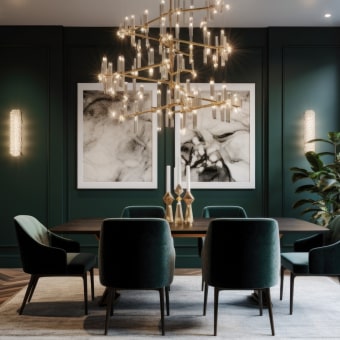
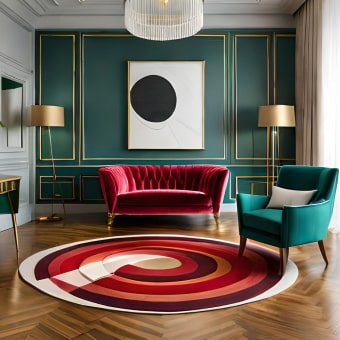
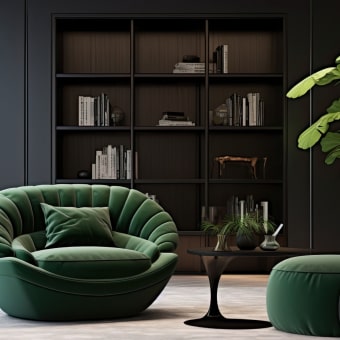
Home. Refined interiors are authored, not assembled. Commissioned art, hand-finished surfaces, and timeless door styles that complement the architecture all signal that choices were made with intention. Smart-home technology belongs here too, but only when it disappears: motorized shades, embedded speakers, and controls that serve the room without dominating it.
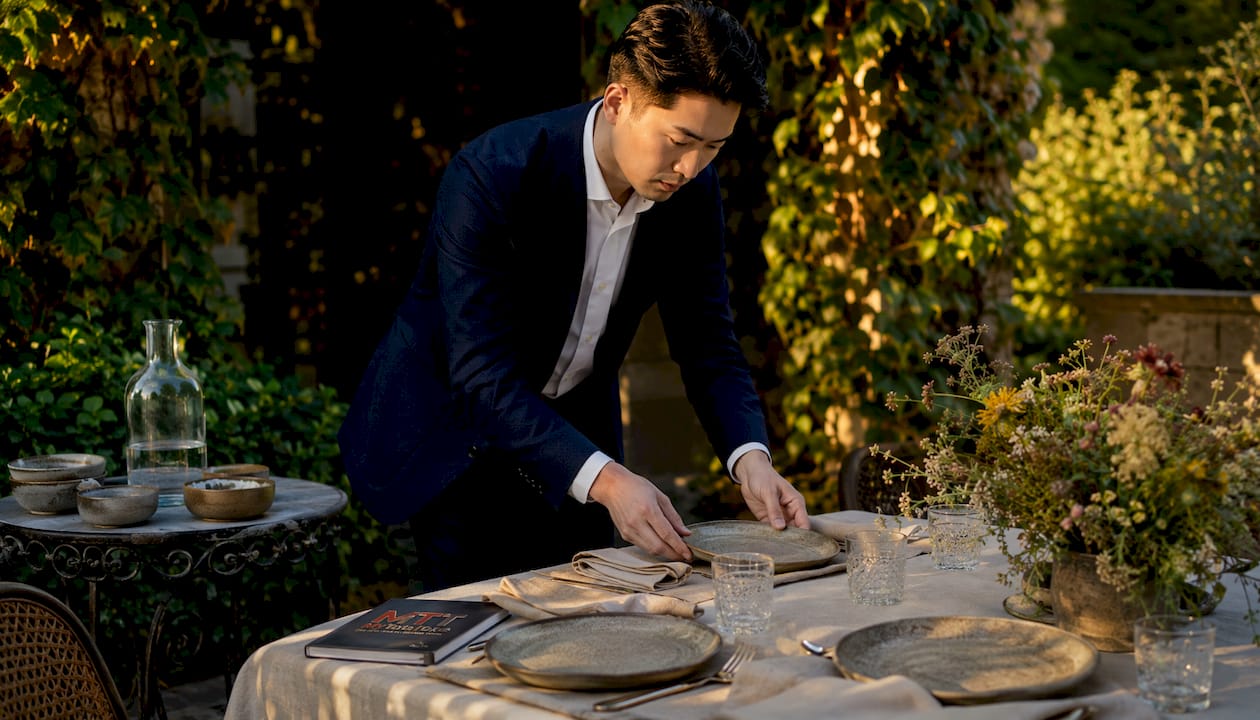
Entertaining. Sophistication at the table means unhurried preparation and genuine curiosity about your guests. The menu is secondary to the atmosphere.
Routines. Refined habits generate predictable quality and reduce the low-grade friction of constant decision-making. A consistent morning ritual — even fifteen minutes of reading before screens — compounds into a measurably calmer week.
What sophisticated living is not
Several persistent myths make refinement feel either unattainable or unappealing. Here is what sophistication is not:
- Myth: It requires wealth. Sophistication is a set of values, not a budget. A curated shelf of ten meaningful books signals more than a room full of expensive clutter.
- Myth: It means being formal or stiff. Refinement appears effortless precisely because it emerges from consistent habits, not performance. Warmth and ease are its natural byproducts.
- Myth: It is about impressing others. Discretion is the point. The sophisticated person behaves the same in private as in public.
- Myth: It demands minimalism. Collected objects, layered lighting, and personal artifacts all belong in a refined home. The standard is intention, not scarcity.
- Myth: It is static or inherited. Sophistication grows through curiosity, experience, and deliberate practice. Nobody is born with it fully formed.
How can you cultivate sophisticated living starting now?
This is a sequential program, not a checklist to complete in a weekend.
- Audit your wardrobe this week. Remove anything you have not worn in twelve months. What remains should be cohesive and well-made.
- Choose one daily ritual and protect it. Morning reading, an evening walk, or a handwritten note. Consistency matters more than duration.
- Learn the provenance of one thing you already own. Where was it made? By whom? This habit builds the perceptual depth that defines cultural literacy.
- Edit one room. Remove three objects that do not earn their place. Notice how the space breathes differently.
- Replace one fast purchase with a considered one. Research craftsmanship markers before buying: joinery, material origin, maker reputation.
- Delegate one recurring administrative task. Time optimization — outsourcing what drains you — preserves attention for growth and relationships.
- Read one work of cultural depth per month. History, philosophy, biography. The goal is perceptual range, not credential accumulation.
- Introduce one natural material into your home. Linen, stone, solid wood. Materials that age well reward patience.
- At 90 days, review your wardrobe and routines. What held? What felt performative? Adjust toward what felt natural.
- At one year, assess your social ease. Sophistication’s clearest long-term signal is that conversations feel less effortful and more genuinely interesting.
Pro Tip: Delegate administrative tasks — scheduling, routine correspondence, household logistics — before you invest in any physical upgrade. Protected time is the rarest luxury, and it is the one that makes every other refinement possible.
Why does refinement create ease rather than constraint?
The counterintuitive truth about sophisticated living is that it reduces friction rather than adding it. Established routines remove the low-grade pressure of constant micro-decisions, freeing attention for the things that actually matter.
Sociologists trace the word “sophisticated” from its earlier connotation of artifice toward something closer to cultural and intellectual maturity. Today, the modern ideal is quiet influence: grace, active listening, and low-key fluency rather than visible status. That shift matters because it makes sophistication genuinely democratic. It is not a class marker. It is a practice.
Where did the idea of sophisticated living come from?
The concept has ancient roots. Greek and Roman civic culture prized paideia — the cultivation of the whole person through education, art, and public life. Renaissance Italy refined this into the uomo universale, the well-rounded individual fluent in art, science, and diplomacy. The French art de vivre tradition formalized it further: the idea that daily life itself could be composed with the same care as a painting or a piece of music.
By the 19th century, the English-speaking world absorbed these ideas through the figure of the gentleman and, later, the tastemaker. What shifted in the 20th century was democratization. The postwar expansion of education, travel, and cultural access meant that refinement was no longer the exclusive province of aristocracy. It became, instead, a set of learnable practices available to anyone willing to pay attention.
How do different cultures express sophisticated living?
The what of sophistication is consistent across cultures; the how varies considerably.
In Japan, wabi-sabi frames refinement as the appreciation of imperfection and transience. A tea bowl with an irregular glaze, a garden that changes with the season — these are not flaws but features. In Scandinavia, hygge centers warmth, simplicity, and the quality of shared time over material display. French sophistication leans on savoir-faire: the mastery of social codes, culinary knowledge, and the art of conversation. West African traditions of refinement often emphasize fabric, ceremony, and the careful transmission of craft knowledge across generations.
What unites these expressions is intentionality. Each culture has developed its own vocabulary for the same underlying value: that a life composed with care is more satisfying than one assembled by default.
Why do people desire sophisticated living?
The psychological pull toward refined living is rooted in two overlapping drives: self-expression and identity formation. Psychologists studying consumer behavior note that the objects, spaces, and rituals people choose function as an extended self — a way of communicating values, aspirations, and belonging without words.
Sophistication appeals specifically because it signals depth rather than mere wealth. Choosing a hand-thrown ceramic mug over a mass-produced one is not just an aesthetic preference; it is a statement about what the chooser values: process, maker, material, time. That statement is legible to others who share the same orientation, which is why refined living tends to build community among people who might otherwise have little in common.
There is also a quieter motivation: the desire for coherence. A life in which choices align with values feels less chaotic and more genuinely one’s own.
Key Takeaways
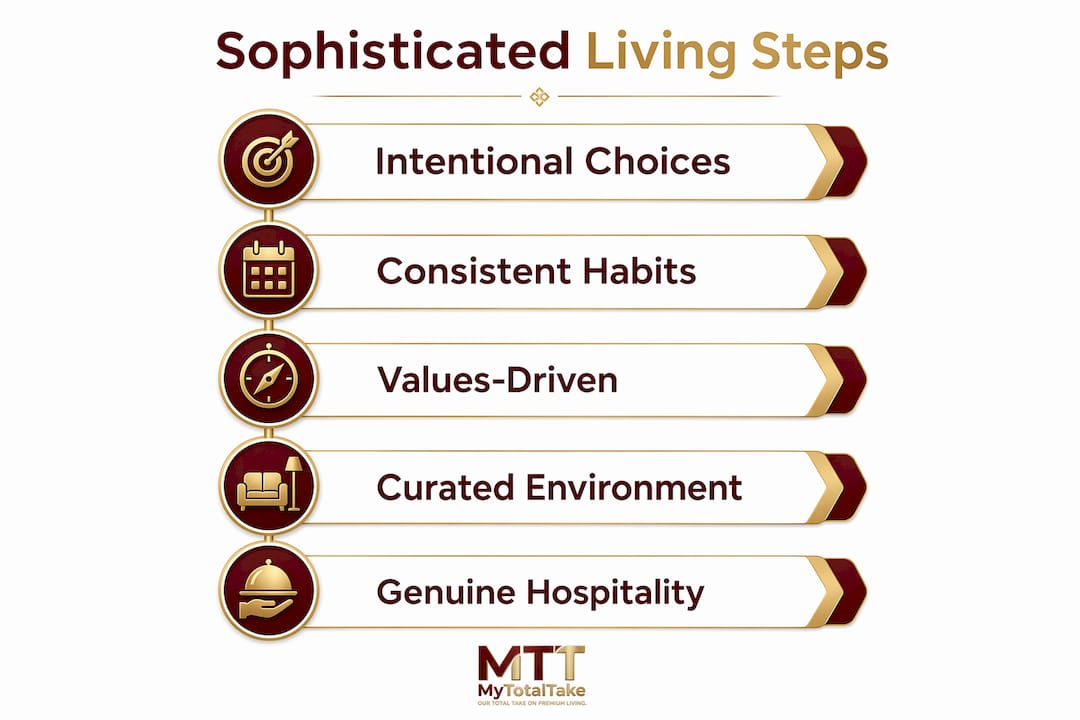
Sophisticated living is a practice of intentional choices, consistent habits, and values-driven consumption — not a function of budget or status.
| Point | Details |
|---|---|
| Values over price | Sophistication is defined by intentionality and discernment, not spending power. |
| Habits compound | Daily rituals and consistent routines reduce friction and build lasting refinement over time. |
| Edit, don’t accumulate | Fewer, better objects in wardrobe and home signal more than abundance ever can. |
| Time is the real luxury | Delegating routine tasks protects the attention needed for growth, relationships, and culture. |
| Mytotaltake curates the rest | Mytotaltake offers heirloom-worthy pieces across fashion, home decor, and tech that support the habits described here. |
The quiet case for starting small
Most writing on this subject implies that sophisticated living requires a complete overhaul: the wardrobe, the home, the social calendar, all at once. That framing is both wrong and discouraging. The evidence points in the opposite direction. Refinement accumulates through daily habits and small, consistent choices — not grand gestures.
The person who reads for thirty minutes before checking their phone, who buys one well-made thing instead of three disposable ones, who listens more carefully in the next conversation they have — that person is already practicing sophistication. The gap between where most people are and where they want to be is almost never a gap in resources. It is a gap in attention.
Pick one habit from this guide. Give it thirty days. The compounding effect is real, and it tends to surprise people who expected the process to feel more effortful than it does.
Curated pieces that support the life you are building
Mytotaltake exists for exactly the reader this guide describes: someone who has decided that quality, provenance, and lasting design matter more than novelty or volume. The platform’s curated collections span designer pieces built to last, furniture that earns its place, and eco-friendly luxury options for readers who prioritize ethical consumption alongside aesthetics. Every selection is chosen with the same standard this article applies: does it age well, does it serve a real purpose, and does it reflect genuine craftsmanship?

Browse the collections at Mytotaltake and find the pieces that fit your budget, your space, and the habits you are building — no pressure, no trend-chasing, just well-made things worth owning.







Leave a comment