
Gas Grill vs Pellet Grill: Which Fits You?
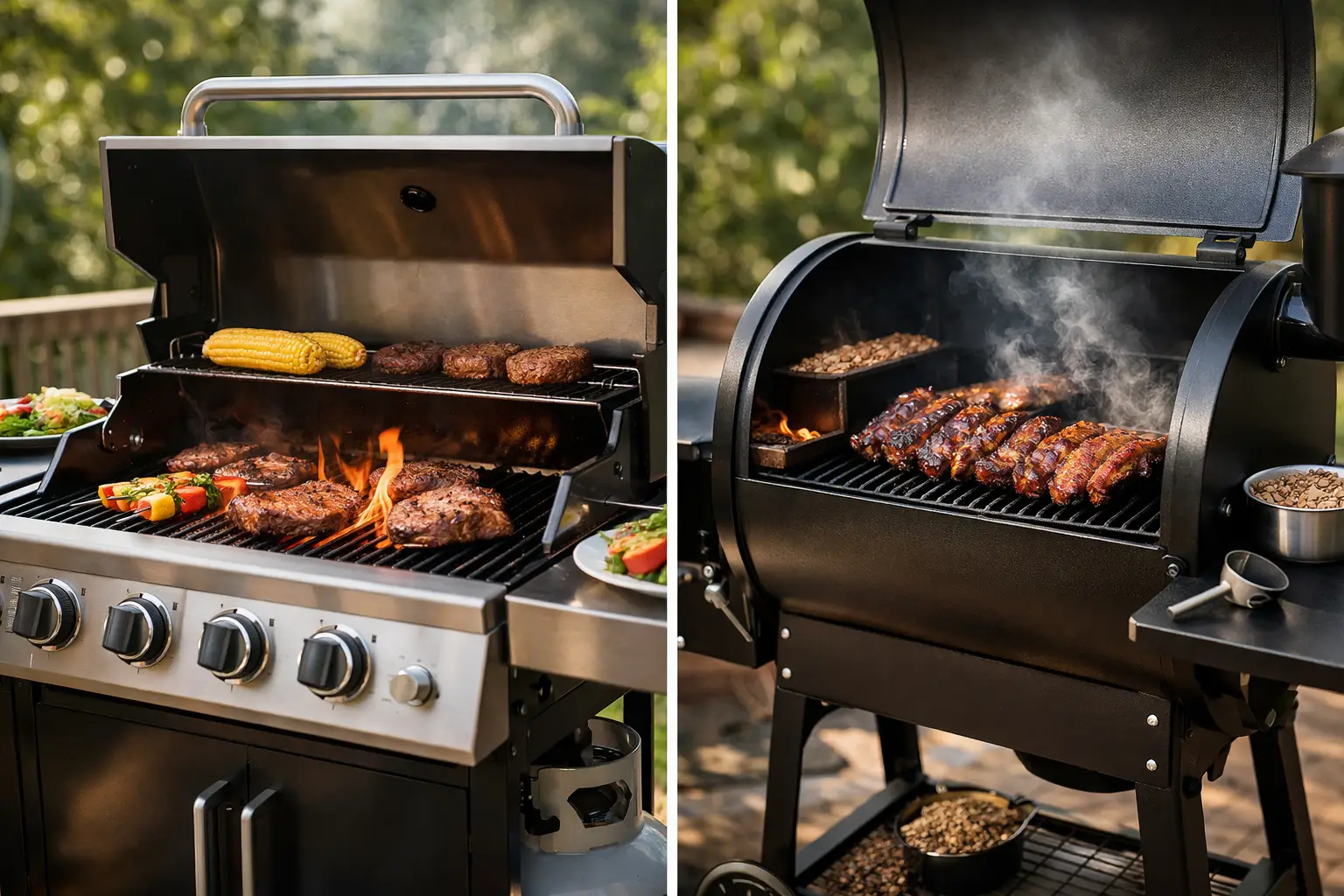
Saturday at 6 p.m., guests are on the patio, the drinks are chilled, and dinner needs to happen without drama. That is where the gas grill vs pellet grill decision becomes less about hype and more about the kind of outdoor living you actually want. One offers quick heat and easy weeknight control. The other brings wood-fired character and a slower, more intentional style of cooking that feels closer to craft.
For a design-conscious home, the right grill is not just a cooking tool. It shapes how your outdoor space functions, how you entertain, and how much effort you want to spend getting from prep to plate. If you are choosing between gas and pellet, the best answer depends on your pace, your taste, and how you want your patio to perform.
Gas grill vs pellet grill: the real difference
At a glance, both grills live in the same category. They sit on the patio, cook proteins, and promise better meals outdoors. In practice, they create very different experiences.
A gas grill runs on propane or natural gas and heats quickly through burners under the grates. It is built for direct, responsive cooking. Turn a knob, ignite, and you are usually ready in minutes. That convenience is the reason gas has remained a favorite for busy households and spontaneous hosting.
A pellet grill uses compressed wood pellets fed into a fire pot by an auger. A controller regulates temperature, creating an oven-like environment with steady heat and wood smoke. Pellet cooking is less about instant gratification and more about layered flavor, low-maintenance smoking, and consistency over longer sessions.
If gas feels like a polished performance machine, pellet feels like a refined culinary instrument. Neither is inherently better. They simply serve different priorities.
Flavor and cooking style
This is where the gap becomes obvious. Gas grills produce clean heat. You can still get beautiful browning, crisp edges, and classic grill marks, especially on burgers, steaks, shrimp, and vegetables. But gas does not contribute much smoke character on its own.
Pellet grills are built for flavor development. Because they burn real hardwood pellets, they add a gentle smoky profile that works especially well with ribs, chicken, brisket, salmon, and even vegetables. The smoke is usually subtler than a traditional stick burner, but it is noticeable and appealing. For many buyers, that added complexity is the reason to make the switch.
The trade-off is intensity and style. If your ideal dinner is a fast-seared ribeye with minimal fuss, gas is more natural. If you want tender smoked pork shoulder on a Sunday afternoon and appreciate the aroma of hardwood in the air, pellet has the edge.
Speed, convenience, and weeknight reality
Luxury often means making everyday routines easier, and this is where gas stands out. A gas grill preheats quickly, responds fast when you raise or lower the temperature, and does not require much setup. For households that grill two or three times a week, that ease matters.
Pellet grills are convenient in a different way. Once they are running, many models hold temperature with impressive consistency. You can set the heat, close the lid, and let the controller do much of the work. That makes pellet grills appealing for longer cooks and more hands-off preparation.
Still, pellet grills usually take longer to start up and longer to reach higher temperatures. They also require electricity to run the controller and auger. If you want a simple, high-performance appliance for quick Tuesday dinners, gas is often the better fit. If you value steady temperature and a slower entertaining ritual, pellet becomes more attractive.
Gas grill vs pellet grill for searing and smoking
When people compare these two styles, they are often really asking about versatility.
Gas grills excel at direct heat. They are ideal for searing steaks, grilling kebabs, charring corn, and cooking foods that benefit from quick, hot contact with the grates. Many premium models also offer side burners, infrared zones, and multi-burner layouts that make outdoor cooking feel more like a complete kitchen.
Pellet grills shine in smoking, roasting, and baking. They handle ribs, whole chickens, turkey breasts, and slow-cooked cuts with confidence. Some can sear well, especially higher-end models with direct-flame options or dedicated sear zones, but pellet grills are generally not the first choice for the kind of aggressive, steakhouse-style crust that gas can deliver quickly.
So the question is simple. Do you want your grill to behave more like a precision oven with smoke, or more like a powerful open-flame cooking station? Your answer points you in the right direction.
Cost of ownership
Upfront pricing varies widely in both categories, especially once you move into premium construction, larger cooking surfaces, and advanced temperature controls. But ownership costs deserve attention too.
Gas grills require propane refills unless you are connected to natural gas. Fuel costs are usually manageable, and availability is easy. Maintenance is straightforward, though burners, igniters, and flavorizer bars can wear over time.
Pellet grills require food-grade wood pellets, and regular users will go through them steadily, especially during long cooks. The cost is not extreme, but it is ongoing. Pellet grills also have more moving parts, including electronics, augers, and fans. On a well-made unit, that technology adds convenience. On a lower-quality model, it can mean more potential points of failure.
For buyers who prioritize long-term reliability and polished performance, build quality matters as much as fuel type. A beautifully designed grill with durable materials and stable temperature control will feel like a better investment than a cheaper unit that frustrates you after one season.
Cleanup and maintenance
No one upgrades an outdoor kitchen because they want more mess. Fortunately, neither grill type is difficult, but the maintenance rhythm is different.
Gas grills need grate cleaning, grease management, and occasional burner maintenance. If you grill often, a quick brush after cooking and a deeper clean every so often usually keeps things under control.
Pellet grills create ash in addition to grease. The ash is not overwhelming, but it needs to be vacuumed out periodically, especially around the burn pot. You also need to keep pellets dry. Moisture can ruin them and create feeding issues.
Gas is slightly easier for low-effort ownership. Pellet is still very manageable, just a bit more involved.
Which grill suits your space and lifestyle?
A compact patio, a busy family schedule, and a preference for quick meals usually point toward gas. It is efficient, intuitive, and well suited to frequent use without much planning. For many homeowners, that combination makes gas the smartest luxury: high utility, low friction.
A larger outdoor setup, a love of hosting, and a genuine interest in flavor experimentation often point toward pellet. It complements a slower style of entertaining, where the process is part of the pleasure. If your ideal weekend includes smoked wings, cedar-plank salmon, or a beautifully roasted tri-tip, pellet aligns with that mood.
There is also an aesthetic dimension. A premium grill should feel at home in a curated outdoor setting, not like an afterthought. Whether you prefer the sleek familiarity of gas or the craft-driven appeal of pellet, the right choice is the one that supports the way you want your space to live.
Who should buy gas, and who should buy pellet?
Choose gas if you want speed, straightforward operation, and strong searing performance. It is especially compelling for weeknight cooks, frequent grillers, and anyone who values convenience without sacrificing results.
Choose pellet if flavor is the priority and you want more smoking and roasting capability in one machine. It suits patient cooks, weekend entertainers, and buyers who see outdoor cooking as part of a more elevated hosting experience.
Some households eventually own both, and there is a reason for that. The two are complementary. But if you are selecting one premium centerpiece for your patio, choose the grill that matches your rhythm, not just your wishlist.
At My Total Take, that is usually the smarter way to buy any home upgrade. The best piece is the one that looks exceptional, performs beautifully, and earns its place every time you use it.
A great grill should make outdoor living feel more effortless and more rewarding. If you picture fast, stylish meals with minimal wait, go gas. If you picture rich wood-fired flavor and longer, more memorable cooking sessions, go pellet. Either way, the right choice is the one that turns your patio into the kind of space people want to stay in a little longer.











Leave a comment