
A Guide to Creating a Home Bar That Feels Luxe
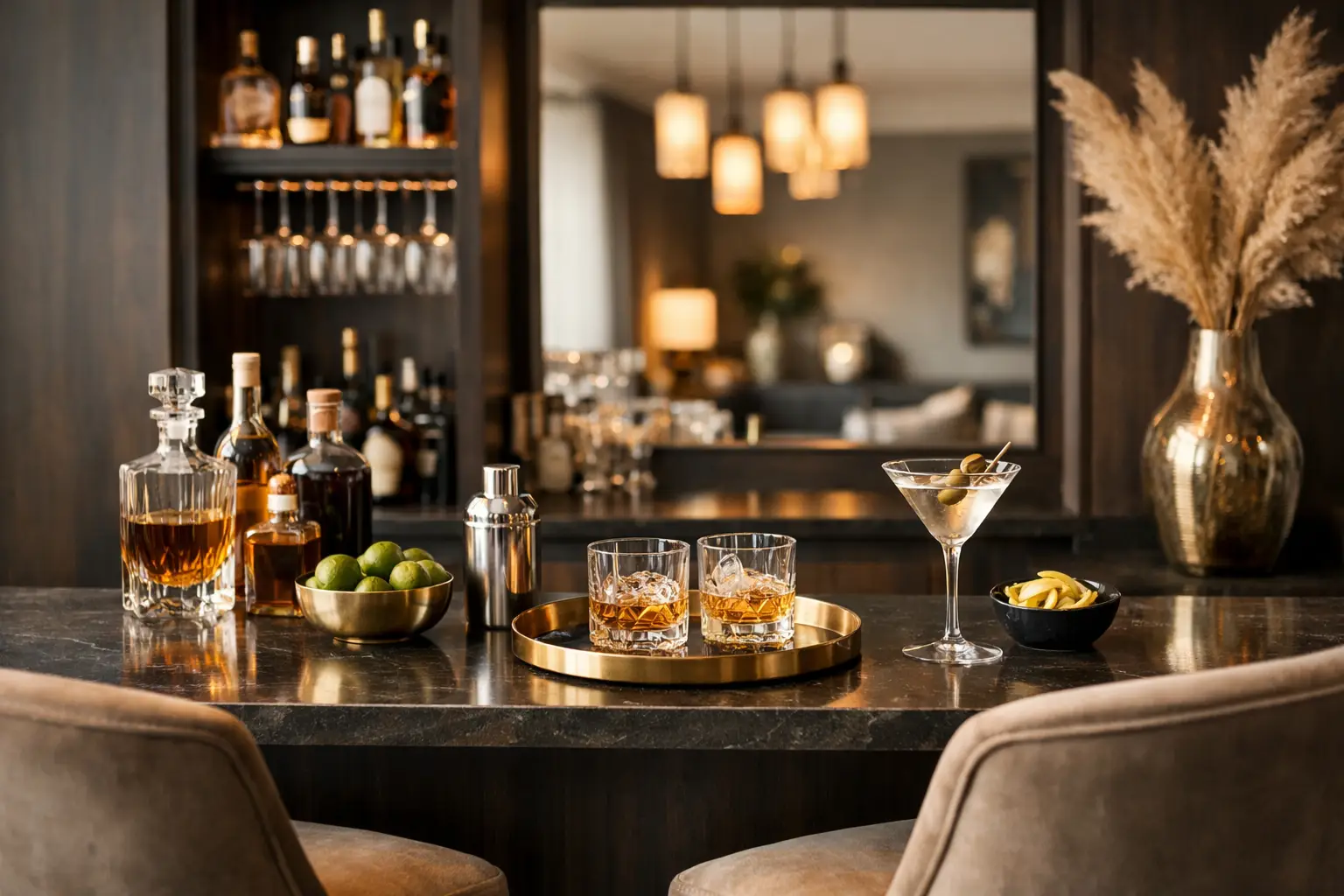
The best home bars do not start with a shelf full of bottles. They start with a mood. Maybe you want a polished corner for evening cocktails, a conversation piece for weekend hosting, or simply a more refined way to store glassware and spirits. A thoughtful guide to creating a home bar is really about shaping an experience – one that feels inviting, organized, and distinctly yours.
A well-designed bar should look as good at noon as it does at 9 p.m. It needs to earn its place in your home, whether that means fitting neatly into a city apartment, anchoring a dining room, or elevating an underused den. The goal is not excess. The goal is intention.
What a guide to creating a home bar should start with
Before choosing decanters, bar carts, or statement stools, decide what your bar is meant to do. That sounds obvious, but it changes every decision that follows. A bar built for entertaining six to eight guests needs different storage, surface space, and glassware than one designed for a quiet nightcap after work.
Think about how you host. If you love mixing cocktails, prioritize prep room, tools, and easy bottle access. If you prefer wine, whiskey, or aperitifs, your setup can be more restrained and display-driven. If your home leans modern and minimal, the bar should feel integrated rather than theatrical. If your interiors are layered and expressive, a richer furniture piece with warm finishes can become a focal point.
A premium home bar feels curated because it reflects the way you actually live, not because it copies a showroom.
Choose the right location first
Placement shapes both function and atmosphere. The classic bar cart in a living room works well because it keeps the ritual social and visible. A dedicated cabinet in the dining area feels more formal and polished. A finished basement or lounge offers the most freedom if you want a fuller entertaining zone with seating and storage.
Smaller homes often benefit from flexibility. A compact sideboard, a narrow console, or a cabinet with doors can create a more elevated effect than an overloaded cart. Closed storage is especially useful if you want a cleaner look between gatherings. Open shelving can be beautiful, but only when the edit is disciplined.
Light matters more than people expect. Natural light flatters glass and metal during the day, but evening ambiance matters just as much. A nearby lamp, under-shelf lighting, or a softly lit corner gives your bar presence without making it feel staged.
Build around furniture that feels substantial
The furniture piece sets the tone. If you want a sophisticated result, avoid anything too flimsy or temporary-looking. A home bar should feel anchored, even if it is compact. Quality materials, balanced proportions, and practical storage instantly make the space more convincing.
A bar cart suits casual hosting and smaller layouts, especially when you want mobility. A bar cabinet feels more architectural and polished, with the added benefit of hiding visual clutter. A credenza or buffet can do double duty in open-plan spaces, which is ideal if you want the bar to blend into your everyday rooms rather than announce itself at all times.
This is one of those moments where craftsmanship shows. Sturdy shelving, smooth drawer function, thoughtful compartments, and durable finishes are not luxury for luxury’s sake. They make daily use simpler and make the whole setup feel intentional for years, not just one season.
Stock less, but stock better
A common mistake is buying too many bottles too quickly. A more refined approach is to start with a tight, versatile selection that covers the drinks you genuinely enjoy serving. For most homes, that means one or two clear spirits, one or two darker spirits, a quality vermouth, a liqueur or two, and a few reliable mixers.
You do not need every category represented. If nobody in your household drinks tequila, it does not need shelf space. If martinis are your signature, invest in the gin or vodka you love and give it pride of place. A premium bar feels edited, not crowded.
The same principle applies to mixers and garnishes. Fresh citrus, good tonic or soda, quality olives, and proper cocktail cherries do more for the final experience than a dozen novelty syrups. Guests notice freshness and balance long before they notice quantity.
The essential tools worth owning
The tools should support the drinks you make most often. At minimum, a shaker, jigger, strainer, mixing glass, bar spoon, muddler, corkscrew, and sharp paring knife cover most needs. If you enjoy whiskey or old fashioneds, a large ice mold is a smart addition. If sparkling wine is a staple, keep a proper stopper on hand.
What matters most is consistency. Matching or coordinated tools in metal, matte black, or polished finishes create a cleaner visual line and elevate the setup instantly. When every item looks unrelated, even an expensive bar can feel pieced together.
Storage should be practical as well as attractive. Drawers, trays, and dedicated compartments keep tools accessible without leaving every surface busy. The easiest way to make a home bar look expensive is to remove the clutter.
Glassware makes a bigger difference than you think
The right glassware changes the ritual. It affects presentation, aroma, and the overall sense of occasion. That does not mean you need a vast collection, but you do want a strong core selection.
Start with rocks glasses, highballs, stemmed wine glasses, and coupe or martini glasses if you enjoy cocktails. Champagne flutes are optional depending on your habits. Beer drinkers may want a specific style or two, but it is better to buy fewer well-made glasses than a large mismatched assortment.
Display matters here. A neat row of crystal-clear glassware can become part of the visual appeal, especially on open shelving or behind glass-front cabinets. If your space is more compact, reserve the most beautiful pieces for visible storage and keep extras tucked away.
Style the bar like part of the home
A home bar should feel connected to the rest of your interiors. If your house leans warm and organic, use wood, stone, woven textures, and softer metallics. If your style is modern, cleaner silhouettes, smoked glass, and sculptural accessories may suit the space better.
This is where restraint pays off. One framed piece of art, a small lamp, a tray, and a vase or candle can be enough. You are not decorating a retail display. You are creating a corner people want to gather around.
Color can also do quiet work. Rich walnut, black accents, brass details, cream stone, and deep green or navy tones all complement bottles and glass beautifully. A mirrored back panel or metallic tray adds light, but too much shine can tip into excess. It depends on the room and how dramatic you want the final effect to feel.
Organize for hosting, not just display
The most beautiful bar still needs to work. Keep the bottles you use most within easy reach and group them by purpose. Store tools together, keep napkins and coasters nearby, and make space for an ice bucket or serving board when guests are over.
If you host often, think in zones. One area for spirits, one for glassware, one for prep, one for extras like openers, picks, and stirrers. This saves time and keeps the experience relaxed when people are waiting for drinks.
It also helps to leave some negative space. A bar packed edge to edge feels busy and is harder to use. A little breathing room gives each piece more impact and makes the entire setup easier to maintain.
When to go simple and when to invest
Not every home bar needs built-ins or collector-level bottles. If you are just starting, a beautifully made cart, a concise bottle selection, and polished essentials can already feel elevated. The luxury is in the thoughtfulness.
Where investment pays off most is furniture, glassware, and the pieces you touch repeatedly. A cheap shaker or unstable cart can undermine the experience fast. By contrast, a solid cabinet, elegant glasses, and dependable tools create that rare balance of beauty and utility.
For shoppers building a more design-forward space, curated retailers like mytotaltake.com can make the process easier by narrowing the field to pieces that already reflect a premium point of view. That matters when you want your bar to feel collected, not random.
A home bar is one of the few spaces in the house that can be both highly practical and quietly indulgent. Build it with care, edit it with confidence, and let it become a place that makes ordinary evenings feel a little more considered.







Leave a comment