
How to Style a Luxury Living Room Right
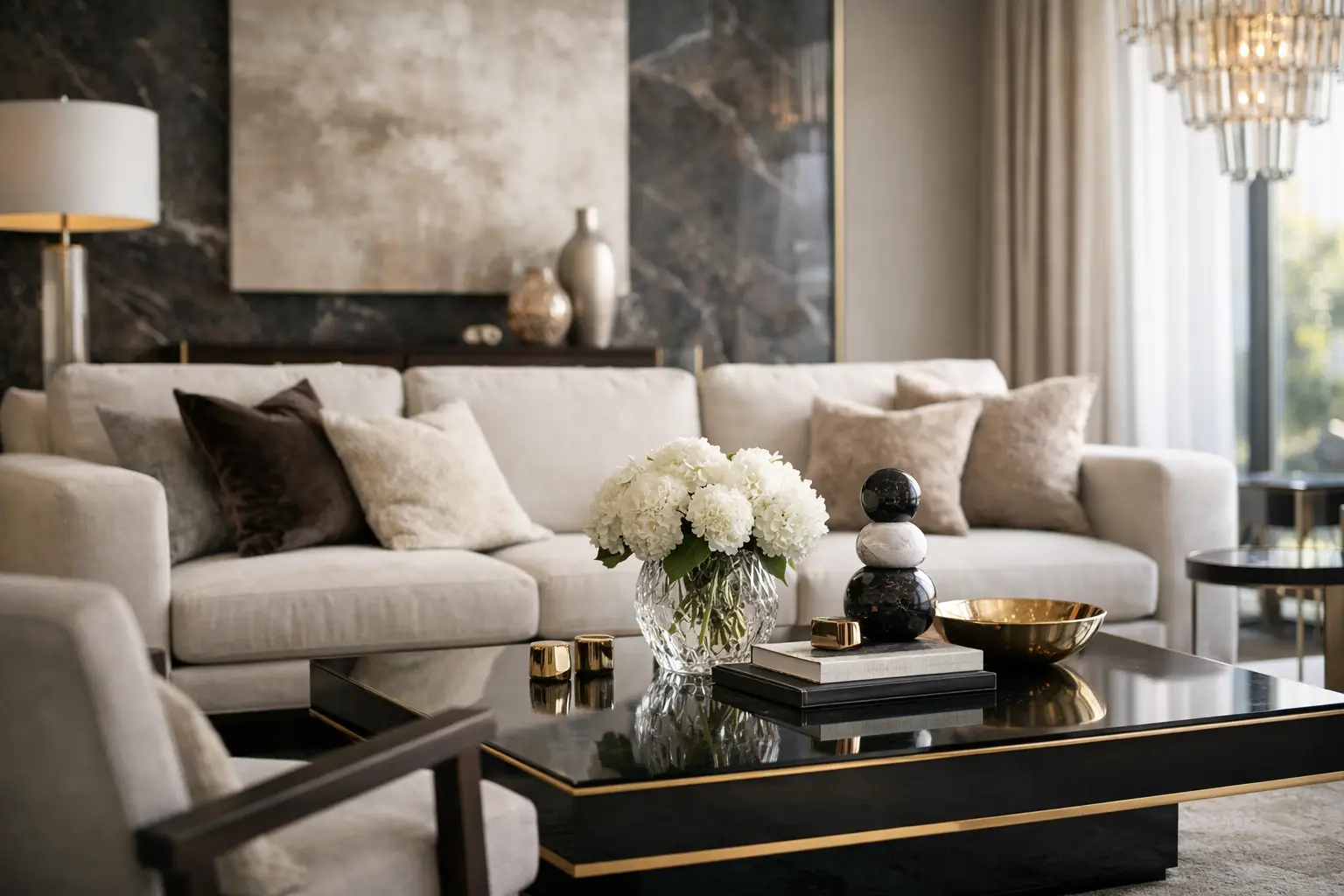
A luxury living room rarely feels luxurious because of one expensive sofa. It feels luxurious because every choice looks considered – the scale of the seating, the softness of the lighting, the finish on the table, the space between pieces. If you’re wondering how to style a luxury living room, the real answer starts with restraint, then builds through texture, proportion, and a few standout elements that do the heavy lifting.
The good news is that a high-end look does not require filling the room with formal furniture or chasing a showroom-perfect aesthetic. The most impressive spaces balance comfort and polish. They invite you in, but they still make an impression the moment you enter.
How to style a luxury living room starts with the layout
Before you think about decor, fix the foundation. A luxury living room has a layout that feels intentional. That means furniture should create conversation, highlight the architecture, and leave enough breathing room around each piece.
Start with the largest element, usually the sofa, and place it in relation to the room’s natural focal point. That may be a fireplace, oversized windows, a media wall, or a statement art piece. From there, build a seating arrangement that feels balanced rather than crowded. Two accent chairs facing a sofa often look more refined than adding a second bulky couch, especially in medium-sized spaces.
Scale matters more than people expect. In a large room, undersized furniture can make everything feel temporary. In a smaller room, oversized sectionals can flatten the design and reduce the sense of ease. Luxury often comes from proportion being exactly right. If the room is compact, choose fewer pieces with stronger presence. If the room is expansive, anchor it with substantial seating, a generously sized rug, and tables that don’t disappear visually.
Choose a palette that feels elevated, not busy
Color sets the emotional tone of the space. When people think of luxury, they often imagine all-neutral rooms, and that can work beautifully. Soft ivory, warm taupe, stone gray, camel, espresso, and muted black create a layered, expensive look when the materials are varied enough.
That said, luxury does not have to mean colorless. Deep olive, charcoal blue, aubergine, and earthy terracotta can all feel high-end when used with discipline. The key is to keep the palette edited. Too many competing shades make a room feel styled in pieces instead of composed as a whole.
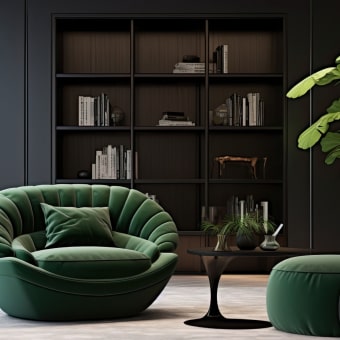
A useful rule is to choose one base color, one supporting neutral, and one accent tone. In practice, that might mean a cream sofa, walnut wood tones, and touches of aged brass. Or a pale gray foundation with black accents and deep green textiles. The room should feel rich, but not noisy.
Invest in materials that look and feel premium
If you want the room to read as upscale, materials do more than decorative accessories ever will. This is where luxury becomes tangible. Boucle, velvet, linen, leather, marble, glass, solid wood, brushed metal, and natural stone all add depth in a way that flat surfaces and synthetic finishes cannot.
The trick is contrast. A room filled with only one finish can feel flat, even if every item is expensive. Pair a soft upholstered sofa with a sculptural stone coffee table. Add a leather accent chair near airy drapery. Mix matte ceramics with reflective metal or smoked glass. These combinations create visual sophistication without requiring excess.
There is also a practical side to this. Some materials look exquisite but demand more maintenance. A white boucle sofa can be stunning, but it may not be the smartest choice for homes with kids or pets. In those cases, performance fabric in a refined weave delivers the same elevated effect with better durability. True luxury is not just about appearance. It should support how you actually live.
Lighting is where the room becomes memorable
Many living rooms fail at the luxury look because they rely on one overhead fixture and stop there. High-end spaces use layered lighting. That means ambient light for the room overall, task lighting where needed, and accent lighting to highlight form and texture.
A statement chandelier or pendant can define the room, but it should not do all the work. Add table lamps on side tables, a floor lamp beside a reading chair, and if possible, wall sconces or discreet accent lighting near shelving or artwork. This gives the room dimension at night, which is when a luxury interior often looks its best.
Pay close attention to bulb warmth. Bright, cool lighting can erase the richness of even beautiful furniture. Warm white light is more flattering to fabrics, skin tones, and natural materials. Dimmers help even more. They let you shift the room from daytime function to evening atmosphere without changing anything else.
Use statement pieces with discipline
A luxury living room needs a focal point, but not five of them. One sculptural coffee table, one remarkable chandelier, one oversized artwork, or one beautifully designed media console can set the tone for the entire room.
This is where many rooms go off track. When every object is trying to be the moment, the overall effect feels expensive but not elegant. Luxury styling depends on confidence. You do not need to prove every corner has been decorated.
Instead, let a few pieces carry visual weight. A curved sofa in a rich fabric. A dramatic marble table. A pair of substantial lounge chairs with impeccable lines. When those core items are strong, the supporting decor can stay quiet.
Layer texture so the room feels finished
Even the most refined palette needs softness and variation. Texture is what keeps a luxury living room from feeling sterile. Rugs, pillows, throws, window treatments, and upholstered pieces all contribute to that sense of depth.
Start from the floor. A rug should be large enough to anchor the seating arrangement, not float in the middle like an afterthought. In most cases, at least the front legs of all major seating pieces should sit on it. Plush wool, silk blends, or high-quality textured weaves instantly raise the room’s visual standard.
Then move upward. Mix pillow fabrics instead of buying a matching set. Try velvet with linen, or boucle with silk-like sheen. Add drapery that extends high and wide enough to frame the windows properly. Long, tailored panels create an architectural effect that shorter curtains never achieve.
Decorative accents should look curated, not crowded
The final layer is where personality comes in, but editing matters. A luxury room does not need endless accessories. It needs a few beautiful ones placed with purpose.
Books, trays, candles, sculptural objects, ceramics, and art all help, but they should vary in height, material, and shape. Grouping objects in small arrangements often looks more polished than scattering them around the room. Leave negative space on shelves and tables. Empty space is not unfinished – it is part of the design.
Fresh greenery or branches can also change the room immediately. They add life, softness, and scale in a way smaller accessories cannot. A large arrangement on a console or coffee table often feels more luxurious than several tiny decorative items.
How to style a luxury living room for modern life
A living room should still function. That is especially true for homes where the space doubles as a media room, entertaining area, or everyday family hub. Luxury styling has to account for real use, not just appearance.
If a television is part of the room, integrate it thoughtfully. A sleek media console, a balanced wall composition, or cabinetry that visually grounds the screen can help it feel intentional. The same goes for storage. Clutter is one of the fastest ways to lose a high-end feel, so concealed storage matters more than many decorative purchases.
This is where curated shopping becomes useful. Retailers like mytotaltake.com appeal to design-conscious buyers because they simplify the process of finding furniture and home pieces that feel elevated, not generic. When the silhouettes, finishes, and materials already align with a premium point of view, building a cohesive room becomes much easier.
The details that quietly signal luxury
Small choices often separate a nice room from a truly elevated one. Hardware finishes that coordinate with lighting. Substantial curtain rods. Large-scale art instead of several small prints. Side tables that are proportional to the seating. These are not dramatic decisions, but together they create polish.
There is also value in removing what does not belong. If the room has one excellent sofa, one beautiful rug, and one striking lamp, a handful of mediocre extras can still weaken the result. Editing is not about making the room sparse. It is about protecting the quality of the overall impression.
A luxury living room should feel composed, comfortable, and deeply personal. If every piece earns its place, the room will never feel overdone. Start with the layout, trust material quality over excess, and let the room breathe enough to show off what you chose well.







Leave a comment