
Luxury Living Room Setup Guide for Discerning Homeowners
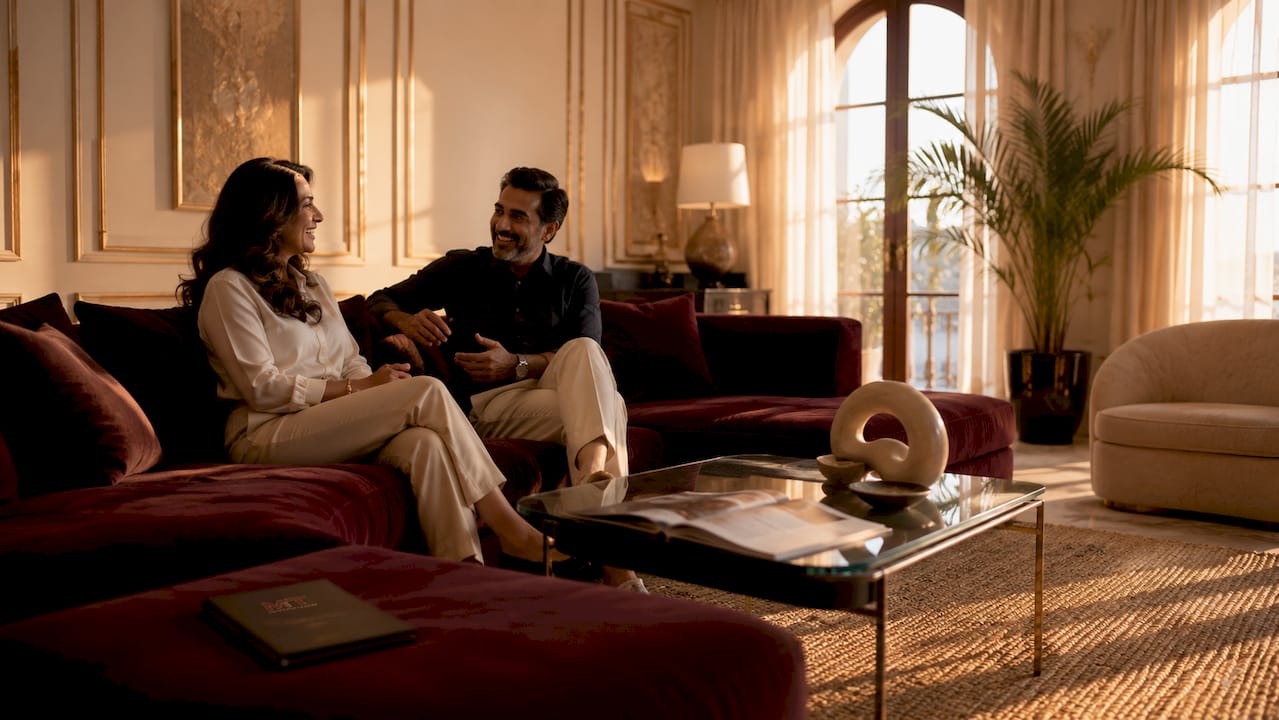
A luxury living room setup is defined by visual restraint, layered texture, and deliberate proportion — not by the price tag of individual pieces. The most enduring high-end interiors share three qualities: a clear layout with functional zones, materials that age gracefully, and lighting that shifts with the mood of the room. This luxury living room setup guide walks you through each of those pillars in practical terms, so you can build a space that feels genuinely elegant rather than merely expensive. Whether you are starting from scratch or refining what you already have, the principles here apply to any room size or budget tier.
How do you plan a luxury living room layout and zoning?
A well-planned layout is the foundation of every elegant living room design. Without it, even the finest furniture reads as cluttered. The goal is to divide the room into distinct zones, each with a clear purpose, while keeping the overall space feeling open and connected.
Zoning works by grouping furniture and objects around a specific activity. A conversation area anchors the room, typically built around a sofa and two accent chairs facing each other. A reading nook sits slightly apart, defined by a floor lamp, a single chair, and a small side table. A display zone along one wall holds art, shelving, or a media console. Each zone has its own visual identity, but all three share the same color palette and material language.
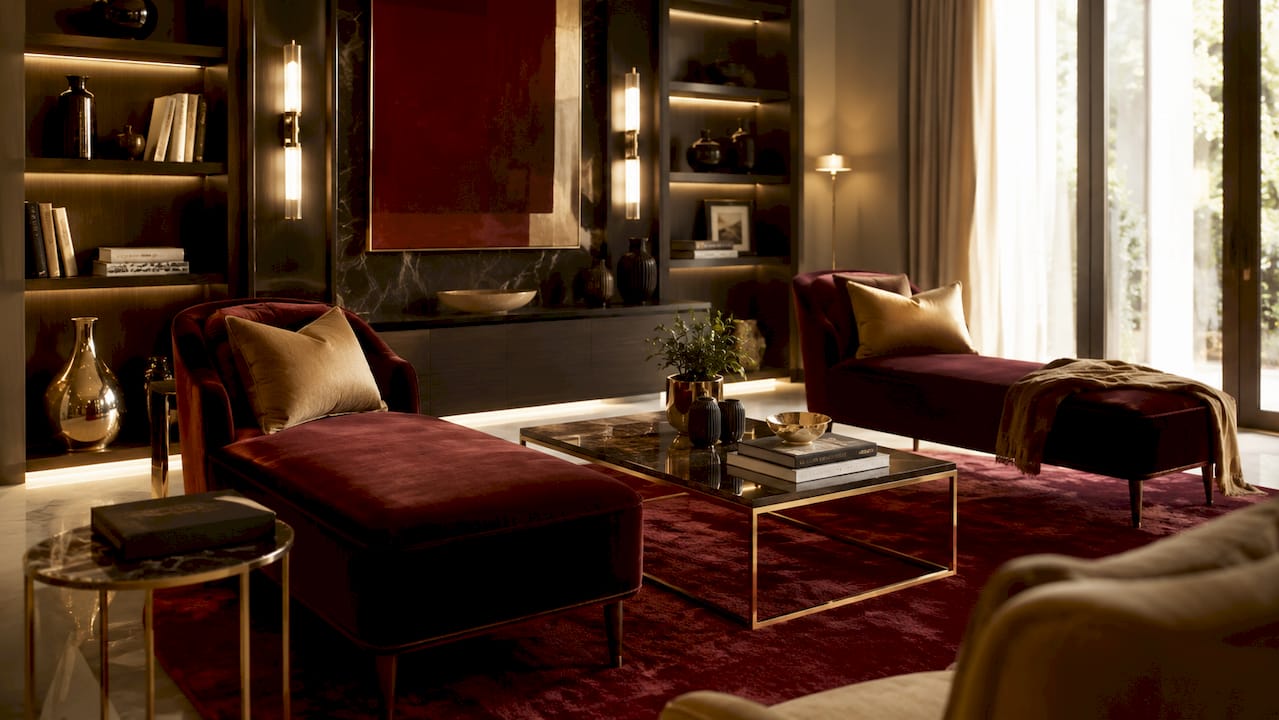
Clear walking paths of at least 90 cm between zones keep the room functional and prevent that cramped, waiting-room feeling. That measurement is not arbitrary. It reflects the minimum space a person needs to move comfortably without turning sideways.
One of the most common layout mistakes is pushing all furniture against the walls. Floating furniture 60–90 cm from the walls creates a sense of openness and balance that perimeter-heavy arrangements simply cannot achieve. A sofa floating in the center of a room, with a console table behind it, immediately reads as considered and confident.
- Define your anchor zone first. Place the sofa and primary seating before anything else.
- Mark your pathways. Use painter’s tape on the floor to confirm 90 cm clearance before buying furniture.
- Layer secondary zones. Add the reading nook and display area once the conversation zone is set.
- Check sightlines. Stand at the room’s entrance and confirm that the most beautiful element is the first thing you see.
- Adjust scale last. Swap out pieces that feel too large or too small once the full layout is visible.
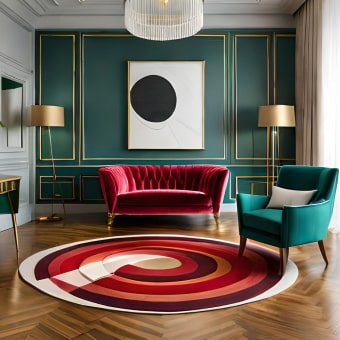
Pro Tip: Place a large area rug under the conversation zone only. It visually anchors that zone without bleeding into adjacent areas, which reinforces the zoning logic without any additional furniture.
Which furniture pieces best establish a high-end interior setup?
The statement sofa is the single most important purchase in any luxury living room. It sets the scale, the color direction, and the material tone for everything else. Choose a sofa with a tight back, solid wood or metal legs, and fabric that holds its shape after years of use. Linen, bouclé, and performance velvet all qualify.
Selecting furniture of the right scale is as critical as selecting the right style. Oversized pieces feel heavy and reduce the sense of openness that luxury interiors depend on. A sofa that is two-thirds the width of the wall it faces is a reliable proportion to start with.
Accent chairs and a chaise lounge add elegance and give the room conversational depth. Choose chairs in a contrasting but complementary material to the sofa. If the sofa is linen, a velvet accent chair in a slightly deeper tone of the same color family reads as intentional rather than mismatched.
- Statement sofa: Invest the most here. Solid frame, quality upholstery, and a silhouette that works with both contemporary and traditional elements.
- Accent chairs: Two chairs facing the sofa create a conversation triangle. Avoid matching them exactly to the sofa fabric.
- Coffee table: Choose one with visual weight, such as a stone top or a solid wood base. Glass tops work in smaller rooms where you need to preserve sightlines.
- Side tables: Vary the height and material. A brass side table next to a linen chair adds contrast without disrupting the palette.
- Chaise lounge: Position it at the edge of the conversation zone. It signals leisure and adds a sculptural element.
One hero element, such as a standout sofa or a piece of art, anchors all other design choices and prevents decision fatigue. That principle simplifies the entire process. Choose your hero first, then build outward.
Pro Tip: Mix one traditional silhouette with one contemporary piece in every zone. A Chesterfield sofa paired with a minimal steel-frame coffee table creates the kind of tension that makes a room feel curated rather than catalog-bought.
What role do materials, textures, and color palettes play in luxury design?
Luxury is defined by visual restraint, low object count, and texture depth within a monochromatic tone. That is the core principle of the Quiet Luxury movement, which has become the dominant framework in high-end residential design. It means fewer objects, better materials, and a palette that does not compete with itself.
The formula calls for five or more material textures within a single color family. Linen, velvet, wool, stone, and glass each catch light differently. Together, they create depth that reads as rich without relying on pattern or contrast color. A room done entirely in warm ivory with those five textures present will always feel more expensive than a room with ten colors and two textures.
| Material | Where to use it | Why it works |
|---|---|---|
| Linen | Sofa upholstery, curtains | Ages beautifully, breathes well, reads as refined |
| Velvet | Accent chairs, cushions | Absorbs light, adds warmth and depth |
| Wool | Area rugs, throw blankets | Adds softness underfoot and tactile comfort |
| Stone or marble | Coffee table top, fireplace surround | Adds permanence and natural variation |
| Glass | Side tables, decorative objects | Reflects light and keeps sightlines open |
Architectural details like paneled walls, built-ins, and substantial baseboards provide timeless structure. They create what designers call “quiet permanence,” a sense that the room has always looked this way and always will. These details also allow you to refresh soft furnishings over time without disrupting the room’s fundamental character.
A monochromatic palette paired with diverse textures delivers sophistication without visual noise. Choose one base tone, then vary its depth across surfaces. Warm white walls, cream upholstery, and a sand-toned rug all belong to the same family. The texture does the work that color would otherwise do.
Pro Tip: Before committing to a palette, collect physical samples of every material you plan to use and hold them together in the room’s natural light. What looks cohesive on a screen often reads differently in person.
How to layer lighting effectively to create ambiance?
Layered lighting is the fastest way to shift a living room from functional to genuinely luxurious. A single overhead fixture, no matter how beautiful, flattens a room. Multiple light sources at different heights create depth, warmth, and the ability to control mood.
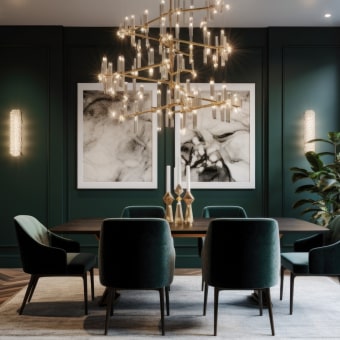
- Central statement fixture: A chandelier or large pendant defines the room’s ceiling height and serves as a sculptural focal point. Choose a fixture that is proportional to the room, not just the table beneath it.
- Recessed lighting: Use recessed lights on a separate dimmer circuit to provide ambient fill without competing with the statement fixture.
- Table lamps: Place them at seated eye level, roughly 58–60 cm from the floor to the bottom of the shade. They add warmth and define zones.
- Floor lamps: Position one behind or beside a reading chair. An arc floor lamp that extends over the seating area adds drama without requiring a surface.
- Sconces: Mount them on either side of a fireplace or a large piece of art. They frame the focal point and add perimeter light.
- Picture lights: Install small directional lights above significant artwork. They signal that the piece is worth looking at and add a gallery-quality finish.
Layered lighting with dimmers combining chandeliers, recessed lights, sconces, and table lamps elevates ambiance and highlights luxury finishes. Dimmers are not optional in a high-end setup. Every circuit in a luxury living room should have one.
How to style with art, plants, and window treatments?
The finishing layer of any chic living space is the one most people rush. Art, plants, and window treatments each carry significant visual weight. Chosen well, they complete the room. Chosen poorly, they undermine everything beneath them.
Art functions best as a focal point when it is large enough to command the wall it occupies. A single well-framed piece hung at eye level reads more confidently than a gallery wall of smaller prints. For guidance on arranging wall art in luxury spaces, the rule is simple: scale up and edit down.
- Art: Choose one large piece per wall. Frame it in a material that complements the room’s metal tones, whether brass, matte black, or brushed nickel.
- Plants: A single large statement plant in a quality pot improves vertical interest and overall polish more than many small pieces. A fiddle-leaf fig or an olive tree in a stone or ceramic pot adds height and organic line.
- Window treatments: Custom drapery hung high and wide creates an expansive, elegant feel without requiring expensive fabric. Mount the rod as close to the ceiling as possible and extend it 30 cm beyond the window frame on each side.
- Accessories: Limit decorative objects on any surface to three or fewer. Group them by material or height for cohesion.
- Hardware: Match all metal finishes in the room, from curtain rods to lamp bases to cabinet pulls. Consistency in hardware is a detail that separates polished rooms from almost-polished ones.
For a broader view of luxury home decor styles that inform these finishing choices, the principles of restraint and material quality apply across every aesthetic direction.
Pro Tip: Hang curtains so the fabric just grazes the floor, not pools on it. Pooling reads as romantic in a bedroom but tends to look unfinished in a living room.
A thoughtful accessory that often gets overlooked is ambient scent. A well-designed air freshener in a refined form can reinforce the sensory experience of a luxury room without adding visual clutter.
Key Takeaways
A luxury living room succeeds when layout, materials, lighting, and restraint work together as a single system rather than as separate decorating decisions.
| Point | Details |
|---|---|
| Zone before you furnish | Define conversation, reading, and display areas before placing a single piece of furniture. |
| Choose one hero element | Anchor the entire design around one standout sofa, artwork, or fixture to simplify every other decision. |
| Use five or more textures | Layer linen, velvet, wool, stone, and glass within one color family for depth without visual noise. |
| Layer every light source | Combine chandeliers, sconces, table lamps, and dimmers so you can shift the room’s mood at any time. |
| Edit accessories ruthlessly | Limit objects on any surface to three or fewer and match all metal finishes throughout the room. |
Why the “hero element” rule changed how I think about luxury interiors
I used to approach living room design the way most people do: start with a mood board, collect references, then try to assemble the pieces. The result was always rooms that looked like they were trying too hard. Every surface had something interesting on it, and nothing stood out.
The shift came when I started applying the hero element principle seriously. Pick one thing. Make it exceptional. Let everything else serve it. That single constraint eliminated about 60% of the decisions that used to slow projects down and produced rooms that felt genuinely resolved.
The other lesson I keep returning to is the danger of trend-driven decorating. Architectural bones, the paneling, the baseboards, the ceiling height, those are what give a room its character over time. Soft furnishings can change. The bones cannot. Investing in timeless architectural details before spending on accessories is the single most reliable path to a room that still looks right in ten years.
Comfort and style are not in tension in a well-planned luxury room. They reinforce each other. A sofa that looks beautiful but feels stiff is a failure. A room that is comfortable but visually incoherent is equally unsatisfying. The goal is always both, and it is achievable when you prioritize quality over quantity from the start.
— Lysander
Mytotaltake’s curated selections for your living room
Mytotaltake brings together luxury furniture that earns its place in a well-considered room, pieces chosen for craftsmanship, proportion, and lasting elegance rather than seasonal appeal. Every item in the collection reflects the same principles this guide is built on: restraint, quality materials, and design that holds up over time.

For homeowners ready to move from planning to purchasing, Mytotaltake’s premium home decor tips and curated product selections give you a direct path from inspiration to a finished room. The focus is always on pieces that age well, complement each other, and reward the investment you make in them.
FAQ
What is the first step in a luxury living room setup?
Define your layout zones before purchasing any furniture. Establishing a conversation area, reading nook, and display zone first prevents overcrowding and ensures every piece has a clear purpose.
How many textures should a luxury living room include?
A luxury living room benefits from at least five distinct material textures, such as linen, velvet, wool, stone, and glass, all within a single color family to create depth without visual clutter.
Does luxury living room design require a large budget?
No. Luxury is defined by visual restraint and material quality, not by spending volume. Investing in one exceptional sofa and editing accessories down to a few well-chosen pieces produces a more refined result than filling a room with many mid-range items.
How do I make a living room look more expensive without renovating?
Hang custom drapery high and wide, add a single large statement plant in a quality pot, and match all metal finishes throughout the room. These three changes produce a measurable shift in perceived quality without structural work.
What lighting setup works best for a luxury living room?
Layer at least four light sources: a central chandelier or pendant, recessed ambient lights, table or floor lamps at seated eye level, and sconces or picture lights to frame focal points. Put every circuit on a dimmer for full mood control.







Leave a comment