
Premium Lifestyle Upgrade Methods for Affordable Luxury
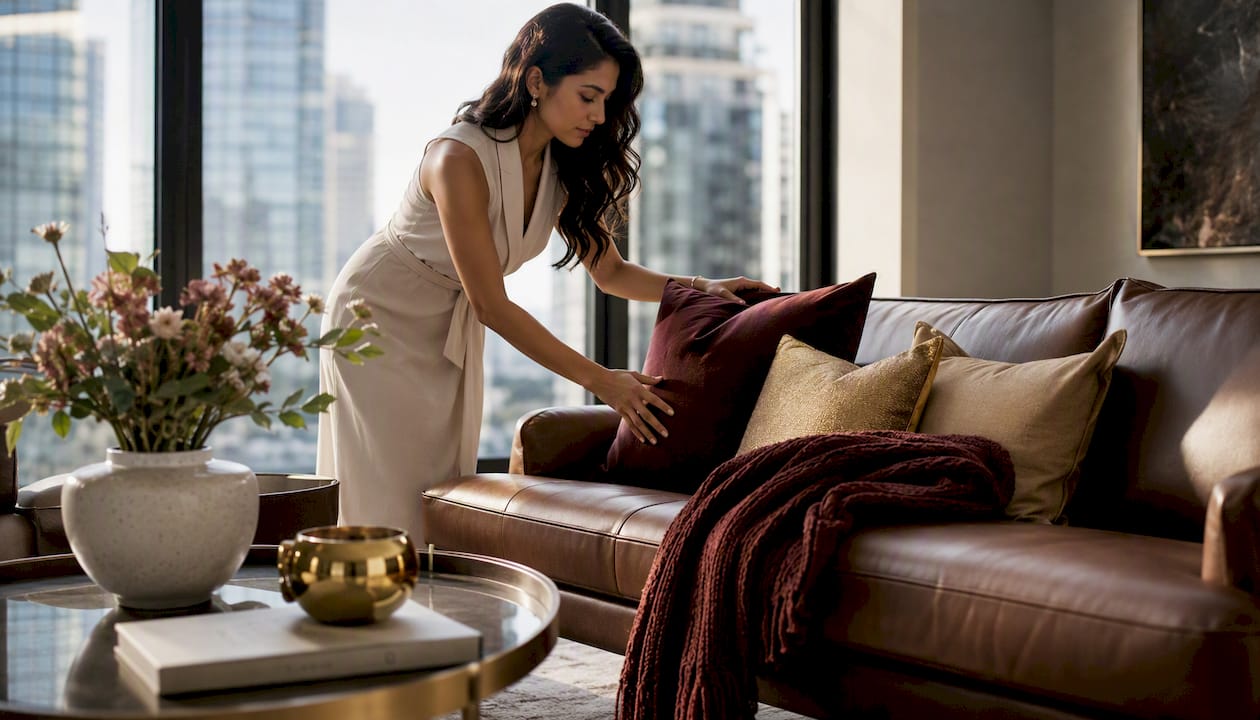
The fastest route to a premium-feeling life is not a single splurge. It is a series of intentional, quality-first edits across your home, wardrobe, daily routines, and the services you choose. Modern luxury is increasingly defined by intentional choices — quality, experiences, wellness, and time freedom — rather than expensive brand names alone. The premium lifestyle upgrade methods that actually stick are the ones you can phase in over weeks, not the ones that require a renovation budget.
Here is a prioritized snapshot of the highest-impact upgrades to start this week:
-
Swap to layered lighting. Replace a single overhead bulb with warm-toned ambient and accent lights. Rooms immediately read warmer and more considered.
-
Add a silk or high-thread-count pillowcase. One item that signals quality every morning and every night.
-
Declutter one surface completely. Removing visual noise raises the perceived value of everything left behind.
-
Start a signature scent ritual. A consistent candle or diffuser scent anchors a space and makes it feel curated.
-
Invest in one tailored or well-fitted piece. Fit does more for a polished look than any label.
-
Upgrade your morning beverage ritual. A quality pour-over setup or French press costs under $50 and changes how you start every day.
-
Set your table intentionally. Linen napkins, a single stem, and matched glassware cost almost nothing but read as effortlessly refined.
-
Browse Mytotaltake’s curated collections for home, wardrobe, and wellness items vetted for craftsmanship and lasting design.
Each of these is a premium lifestyle upgrade method you can act on before the week is out. The sections below go deeper on every category.
Table of Contents
- 1. Ten quick wins you can complete within a week
- 2. Home edits that make a space read premium
- 3. How to build a premium wardrobe and grooming routine on a budget
- 4. Everyday routines that make life feel premium
- 5. High-ROI services that buy back your time
- 6. How to choose which upgrades to do first
- 7. What the research actually says about these upgrades
- Key Takeaways
- The signal worth following
- Mytotaltake’s curated picks for your next upgrade
1. Ten quick wins you can complete within a week
These ten upgrades share one quality: the perceived impact far outweighs the cost or effort. Work through them in any order, but prioritize the first three if you have limited time.
- Layered lighting swap (Low cost) — Replace one overhead fixture with a floor lamp or table lamp using a 2700K warm-white bulb. The shift from flat overhead light to layered light is one of the most immediate ways to make a room feel expensive.
- Silk or sateen pillowcase (Low cost) — A single silk or high-thread-count sateen pillowcase on your primary pillow reads as spa-quality and is genuinely better for skin and hair.
- Declutter one room’s surfaces (Free) — Remove everything from counters, shelves, or a coffee table. Return only what earns its place. Lower visual clutter correlates directly with higher perceived value and greater aesthetic appeal.
- Signature scent ritual (Low cost) — Light the same candle or run the same diffuser blend each evening. Scent memory is powerful; a consistent fragrance makes a home feel intentionally designed.
- Premium hand towels in the bathroom (Low cost) — Swap out worn cotton towels for waffle-weave or Turkish cotton. Guests notice immediately.
- Tailored or well-fitted shirt (Low–medium cost) — Take one existing shirt to a local tailor for a $15–$25 sleeve and side-seam adjustment. The result looks like a garment that cost three times as much.
- Curated ambient playlist (Free) — Build a 30-track playlist in Spotify or Apple Music for mornings and another for evenings. Sound shapes mood as reliably as lighting.
- Matte black or brushed nickel hardware swap (Low cost) — Replace cabinet pulls or a bathroom faucet handle. A single finish upgrade across a kitchen or bath reads as a deliberate design choice.
- Pour-over or French press coffee setup (Low cost) — A Hario V60 or Bodum French press plus quality single-origin beans turns a daily habit into a ritual worth waking up for.
- Simple table setting (Low cost) — Linen napkins, consistent glassware, and one small centerpiece (a candle, a single stem) make every meal feel considered rather than incidental.
2. Home edits that make a space read premium
The most reliable premium home enhancement ideas share a pattern: they address light, texture, and visual noise before anything structural. You do not need to renovate to make a home feel expensive.
Lighting is the highest-leverage change you can make
Layered lighting systems combining ambient, task, and accent sources are rated significantly higher in perceived warmth and overall quality than single overhead lights. Warmer-toned bulbs in the 2700K–3000K range are the low-cost starting point. Add a dimmer switch where possible; the ability to modulate light intensity is itself a signal of a considered space.
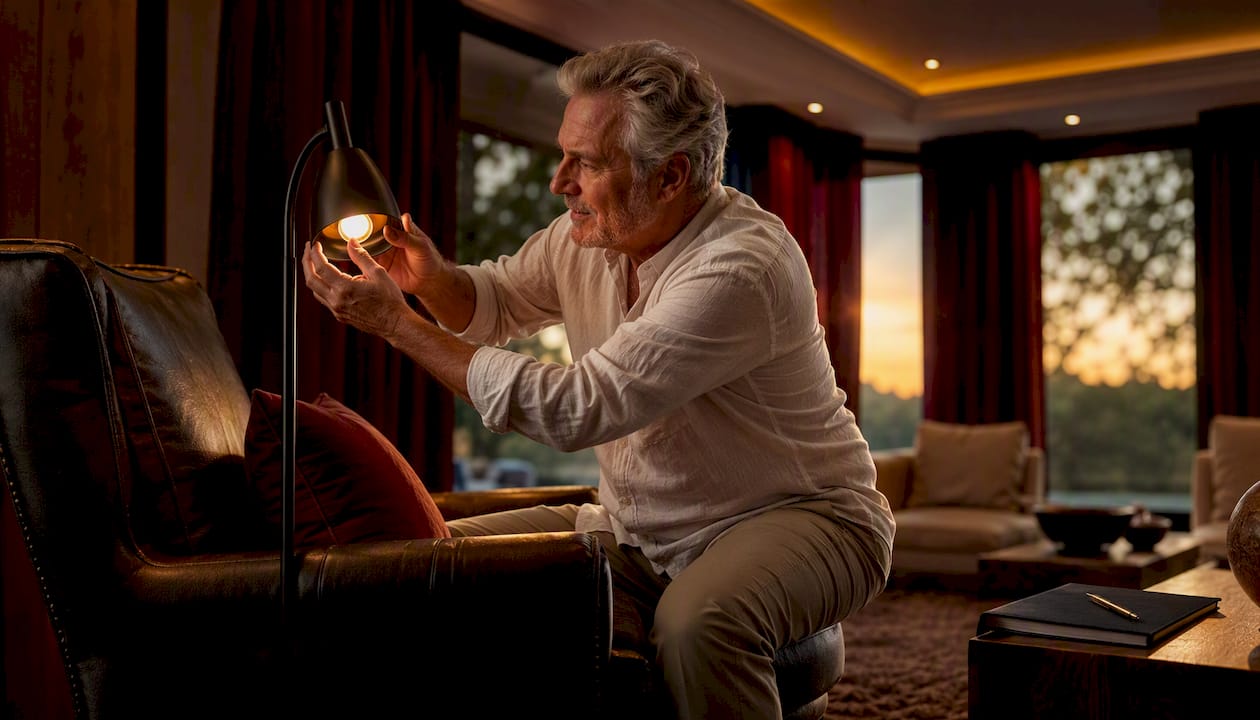
Pro Tip: Hang curtains as close to the ceiling as possible, and make them wide enough to clear the window frame on both sides. This creates the visual illusion of taller, more expansive windows even with modest-priced linen panels.
Declutter before you decorate
Removing unnecessary objects so every remaining item has a purpose is, technically, a free upgrade. Affordable, visible updates like decluttering and better lighting are consistently recommended by home improvement specialists as the fastest way to make a house look more expensive without renovation. When styling groupings on shelves or trays, use odd numbers — three or five items — to create arrangements that feel organic rather than staged.
Textiles and finishes
High-thread-count bedding, layered throw pillows in neutral tones, and quality bath towels are the textile upgrades with the fastest visible return. For finishes, matte black and brushed metal hardware are worth the swap in kitchens and bathrooms; they photograph well, age gracefully, and signal intentionality. DIY the hardware swap yourself — it requires only a screwdriver. For bathroom fixtures that feel like a daily upgrade, matte black faucets and quartz surfaces deliver the highest perceived value per dollar.
| Upgrade | Cost Tier | Expected Impact | Time to Complete |
|---|---|---|---|
| Warm-toned bulb swap | Low ($10–$30) | High | 30 minutes |
| Surface declutter | Free | High | 1–2 hours |
| Curtain rehang (higher rod) | Low (under $50) | High | 1–2 hours |
| Hardware swap (pulls/faucet) | Low–Medium (up to $40) | Medium–High | 2–4 hours |
| Quality bedding set | Medium (up to $40) | High | Same day |
| Layered lighting (lamp + bulbs) | Low–Medium ($15–$40) | High | 1–3 hours |
| Smart lighting system | — | High | Half day |
3. How to build a premium wardrobe and grooming routine on a budget
A polished wardrobe is not about volume. It is about fit, fabric, and a small set of pieces that work together without effort.
The capsule wardrobe approach
Start with an audit: pull everything out and keep only what fits well and makes you feel composed. From there, build toward 6–12 versatile pieces anchored in natural fibers. Cashmere, silk, fine wool, linen, and high-quality cotton age better than synthetics, hold their shape longer, and feel noticeably different against the skin. A single cashmere crewneck or a well-cut wool trouser does more for a wardrobe than ten fast-fashion pieces combined. For a deeper look at what separates lasting pieces from disposable ones, Mytotaltake’s guide to luxury materials covers fabric evaluation in practical terms.
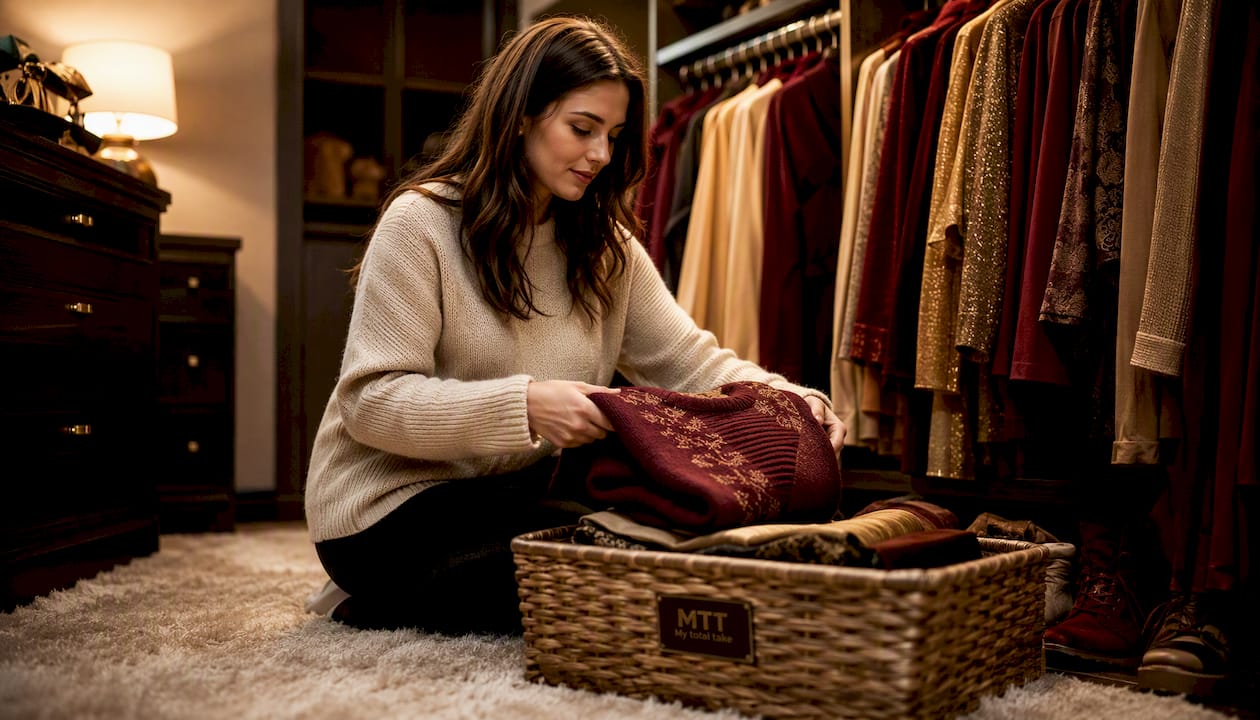
Fit matters more than the label
Tailoring is the single most underused upgrade in most wardrobes. A $40 shirt that fits perfectly reads better than a $200 shirt that does not. Prioritize these alterations first: sleeve length, side seams on shirts and jackets, and trouser hem. Most local tailors charge $15–$40 per alteration. Phase your purchases: invest in one quality piece per month rather than a seasonal haul.
Grooming rituals that feel premium
- Skincare routine: A consistent three-step routine (cleanser, moisturizer with SPF, targeted treatment) using quality formulations reads as self-respect. Brands like CeraVe, La Roche-Posay, and Tatcha offer entry-to-premium options across budgets.
- Hair tools: A quality blow-dryer (Dyson Supersonic or a mid-range alternative) and a good brush make a visible difference in daily presentation.
- Signature scent: One well-chosen fragrance worn consistently is more memorable than rotating through several. Le Labo, Maison Margiela Replica, and Byredo offer lasting, distinctive options.
- Neat nails: A weekly five-minute nail care routine — file, buff, clean — signals attention to detail that most people notice subconsciously.
4. Everyday routines that make life feel premium
Transforming daily routines through mindful mornings, elevated evenings, and quality nutrition creates a sustained premium experience without large spending. The key is consistency: small daily practices compound into a noticeably different quality of life over weeks.
Sleep as a foundation
A consistent sleep schedule, quality bedding (covered in the home section above), and a wind-down ritual are the three levers. The wind-down ritual does not need to be elaborate: dim the lights 45 minutes before bed, stop screen use 30 minutes out, and use a consistent scent (lavender, sandalwood) to signal the transition. These habits cost nothing but attention.
Hydration and nutrition upgrades
Filtered water in a quality glass carafe on your desk or kitchen counter is a small visual and functional upgrade. Infused water with citrus or cucumber takes 90 seconds to prepare and makes hydration feel intentional. For coffee, the pour-over ritual mentioned in the quick wins section is worth repeating: the process itself is meditative, and the result is genuinely better than a standard drip machine.
Micro-habits that compound
Small behavior-change experiments — adopting one new habit per week — help people transition to a more premium-feeling lifestyle without the friction of overhauling everything at once. Try one new ritual per week for a month: a morning walk before screens, an evening reading hour with a quality lamp, a Sunday meal prep session using fresh ingredients. By week four, the cumulative effect is a daily life that feels deliberately designed rather than reactive.
Ambient music is an underrated tool here. A curated playlist for mornings (something instrumental and unhurried) and a separate one for evenings sets a tonal baseline for the day without any ongoing effort.
5. High-ROI services that buy back your time
Wellness and efficiency are central to modern luxury. The most meaningful affluent living strategies are not always about what you own — they are about what you no longer have to manage yourself.
Services worth trialing
- Occasional housekeeping: Even a bi-weekly cleaning service frees several hours and maintains a standard of order that is hard to sustain alone. Trial one session before committing to a subscription.
- Meal kit services: HelloFresh, Green Chef, and similar services reduce decision fatigue around dinner while keeping quality high. A la carte ordering works better than a subscription for most people starting out.
- Laundry and linen service: Available in most mid-to-large cities, these services handle washing, folding, and sometimes pressing. The time saved per week is typically two to three hours.
- Personal shopping or concierge: Services like Stitch Fix or a department store personal stylist offer curated selections without the time cost of browsing. Many are free or low-cost to try.
How to evaluate a service before committing
Three questions cut through the noise: Does this save me more than one hour per week? Does the quality match or exceed what I would do myself? Can I cancel without a penalty? If all three answers are yes, the service is worth a one-month trial. If the answer to any is no, negotiate the terms or move on.
Budget framing: a housekeeping session that costs $100 and saves three hours of your time is worth evaluating against what you would otherwise do with those three hours. Time is the one resource that cannot be replenished.
6. How to choose which upgrades to do first
A simple scoring framework prevents the common mistake of spending on visible upgrades while ignoring the ones with the highest daily impact. Score each potential upgrade on four dimensions, each from 1 to 3:
| Dimension | 1 (Low) | 2 (Medium) | 3 (High) |
|---|---|---|---|
| Ease | Requires planning or a contractor | Requires a half-day effort | Can be done in under two hours |
| Impact | Subtle or occasional benefit | Noticeable improvement | Daily, visible difference |
| Cost | — | — | Under $100 |
| Personal value | Nice to have | Aligns with your priorities | Directly improves daily life |
Add the four scores. Anything scoring 10 or above is a first-phase priority. Items scoring 7–9 belong in the second phase. Lower scores are either long-term projects or worth skipping entirely.
A phased timeline
Weeks 1–4: Quick wins from the list above. Focus on lighting, declutter, one textile upgrade, and one grooming ritual. Total investment: typically under $200.
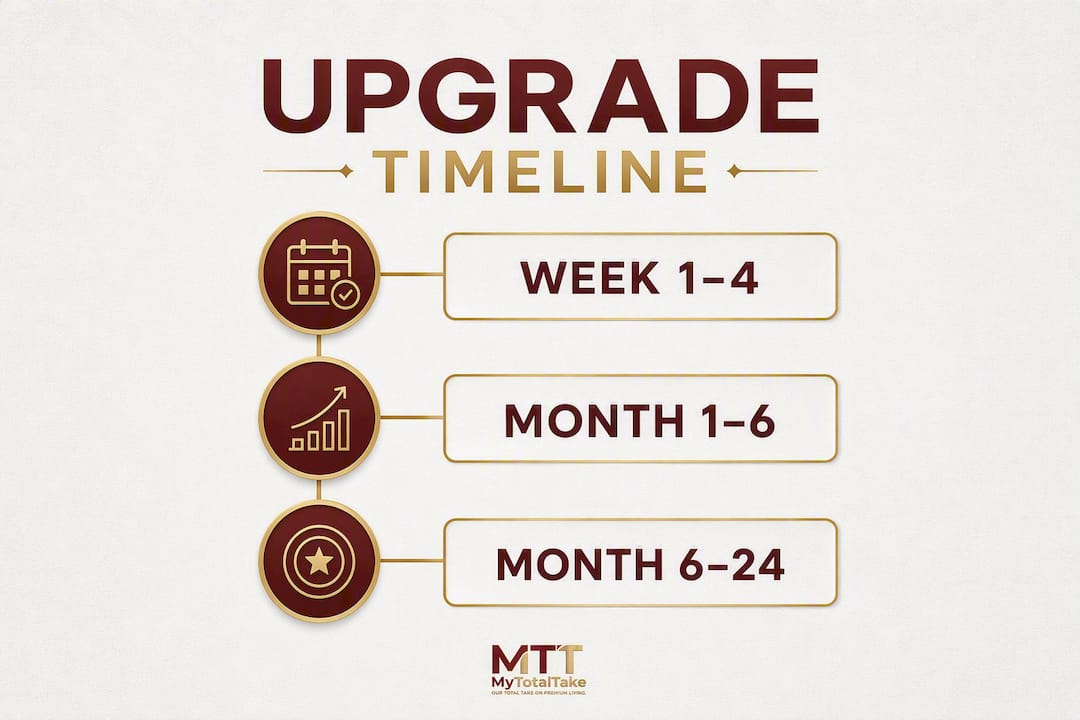
Months 1–6: One medium-cost project per month. Examples: a quality bedding set, a capsule wardrobe piece, a smart lighting starter kit, or a one-month service trial. Budget $100–$400 per month.
Months 6–24: Larger, structural upgrades. Kitchen hardware, a statement piece of luxury furniture that earns its place, or a bathroom fixture overhaul. Phased investment and long-term thinking — favoring materials that age well over trend-chasing renovations — consistently outperforms rushed, one-time overhauls.
7. What the research actually says about these upgrades
The recommendations in this guide are not purely aesthetic opinion. Several of them are backed by documented findings on how people perceive and experience their environments.
On lighting: Layered lighting systems are rated significantly higher in perceived warmth, depth, and overall quality than single overhead sources. The practical instruction: add at least one secondary light source in any room where you spend more than two hours daily, and use bulbs in the 2700K–3000K range.
On clutter: Visual clutter measurably reduces perceived property value and aesthetic appeal. The declutter step is not decorating — it is removing the friction that prevents people from seeing what is already good about a space.
On wardrobe and fit: A capsule approach built on natural fibers and proper tailoring outperforms a high-volume wardrobe on every practical metric: cost per wear, longevity, and daily decision ease. The research consensus on capsule dressing is consistent across style professionals and behavioral economists who study decision fatigue.
These findings translate into a single operating principle: before you buy anything new, remove something unnecessary. The upgrade that costs nothing almost always has the highest return.
Key Takeaways
The most reliable premium lifestyle upgrade methods combine intentional decluttering, quality-first purchases in natural materials, layered lighting, and phased service trials that buy back time.
| Point | Details |
|---|---|
| Start with light and clutter | Layered warm lighting and surface declutter are free-to-low-cost upgrades with the highest immediate perceived impact. |
| Fit beats labels in the wardrobe | One tailored piece in a natural fiber outperforms ten poorly fitted garments; phase purchases monthly. |
| Use the scoring framework | Rate each upgrade on Ease, Impact, Cost, and Personal Value; prioritize anything scoring 10 or above first. |
| Trial services before subscribing | Test housekeeping, meal kits, or personal shopping for one month before committing; evaluate time saved versus cost. |
| Mytotaltake as your curated source | Mytotaltake’s collections across home, wardrobe, and wellness are vetted for craftsmanship and lasting design, making it a reliable starting point for any upgrade category. |
The signal worth following
Most lifestyle content treats “premium” as a price point. That framing is wrong, and it is worth saying plainly. The upgrades with the highest daily return in this guide cost under $100. The ones that cost more — quality bedding, a tailored jacket, a smart lighting kit — earn their price through daily use over years, not through a single moment of purchase satisfaction.
What separates a genuinely premium life from an expensive one is the ratio of intention to accumulation. A home with three well-chosen objects on a shelf reads more refined than one crowded with purchases that never quite fit. A wardrobe of twelve pieces you reach for every week is more luxurious than a closet of sixty you avoid. The research on clutter and perceived value confirms what most people already sense: less, done well, is the actual standard.
The one area where spending more reliably pays off is time. Services that remove friction from your week — a cleaning session, a meal kit, a personal stylist appointment — return something that no product can: hours you can spend on what actually matters to you. That is the definition of modern luxury that holds up under scrutiny.
Mytotaltake’s curated picks for your next upgrade
Knowing what to upgrade is one thing. Finding pieces that genuinely meet the standard is another. Mytotaltake curates across home decor, fashion, wellness, and tech with a single filter: does this item earn its place through craftsmanship, durability, and design that ages well?
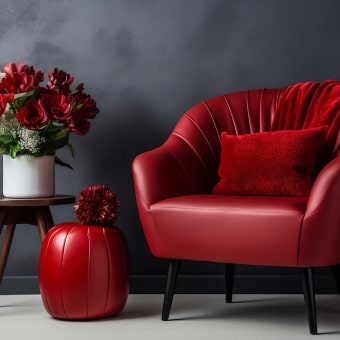
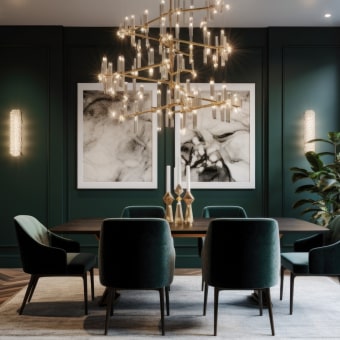
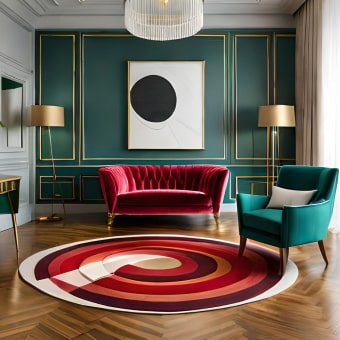
For readers ready to act on the upgrades in this guide, three collections are worth exploring first. The home decor and styling picks cover lighting, textiles, and finish swaps vetted for lasting quality. The high-end fashion essentials collection is built around capsule wardrobe principles — natural fibers, versatile cuts, pieces that tailor well. And for anyone building a wellness routine, the luxury wellness products selection focuses on items that deliver real daily results rather than aesthetic novelty.
When you are ready to choose pieces that last, start with Mytotaltake’s guide to upscale products that hold their value — it covers exactly what to look for before you spend.







Leave a comment