
Review Compact Espresso Machine for Small Kitchen
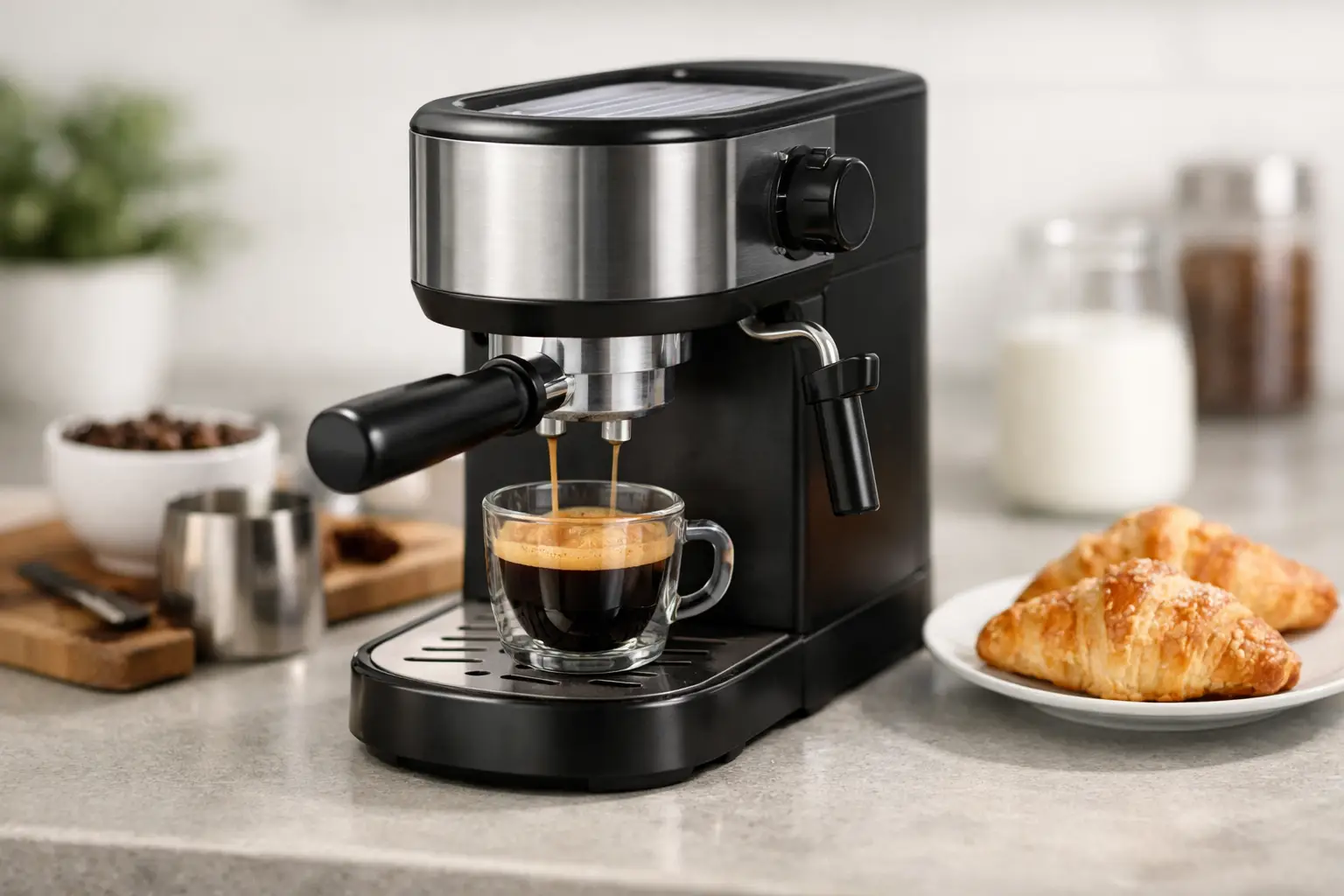
A compact espresso machine earns its place when it turns a narrow stretch of countertop into a more considered morning ritual, not when it merely fits. This review compact espresso machine for small kitchen guide focuses on the details that separate a space-saving appliance from a compromise: shot quality, milk capability, real-world cleanup, and a silhouette worthy of an elevated kitchen.
For apartment kitchens, galley layouts, and thoughtfully designed homes where every surface matters, the right machine can deliver café-style coffee without crowding the toaster, prep space, or design of the room. The best choice depends less on the smallest listed width and more on how you like to drink coffee each day.
What Makes a Compact Espresso Machine Worth Buying?
“Compact” is often used generously. A machine may be narrow but unusually deep, or it may have a modest footprint until its steam wand, water tank, and portafilter need room to operate. Before comparing features, measure the counter from front to back, the clearance under cabinets, and the space around the machine for filling water and removing the drip tray.
A refined compact espresso machine should ideally offer a footprint of roughly 8 to 13 inches wide, a removable water reservoir, and controls that feel intuitive before the first coffee of the day. Its compact dimensions should not force you to move it every time you make a drink. If the water tank can only be removed from the rear and the machine sits beneath cabinetry, a sleek purchase can quickly become an awkward one.
Look beyond size to the essentials of espresso. Consistent temperature, sufficient brewing pressure, and a stable portafilter matter more than a long menu of novelty drinks. Most capable home machines cite 15 to 20 bars of pump pressure, though espresso itself is generally brewed around 9 bars. The meaningful distinction is whether the machine applies pressure evenly and heats water predictably, not the largest number on its box.
Compact Espresso Machine Review: The Key Trade-Offs
Small machines ask buyers to choose where they are willing to compromise. The most satisfying purchase is rarely the model with every possible feature. It is the model with the features you will genuinely use.
Manual control versus one-touch convenience
A semi-automatic machine gives you greater involvement. You grind or dose the coffee, tamp it into the portafilter, start the extraction, and steam milk separately. This approach offers a more traditional espresso experience and allows you to refine your routine over time. It is ideal for someone who values crema, enjoys learning how a coffee responds to a finer grind, and wants the ritual to feel intentional.
The trade-off is preparation. A semi-automatic machine can be compact, but it becomes less compact in practice if it requires a separate grinder, knock box, and milk pitcher. For a small kitchen, the surrounding equipment deserves as much consideration as the machine itself.
Automatic and super-automatic models simplify the process with programmed drinks and, in some cases, built-in grinders. They are an excellent fit for busy households that want espresso, cappuccino, or latte drinks at the press of a button. However, integrated grinders make machines taller and can add maintenance requirements. They also tend to have a larger visual presence, which may not suit a minimalist counter.
Capsule-based machines are the smallest and fastest option. They can create a polished coffee station in very little space and offer exceptional consistency with almost no learning curve. Their limitation is control: you have fewer choices over dose, grind, and extraction. They are best for shoppers who prioritize speed, clean lines, and uncomplicated weekday coffee over the nuance of a manually pulled shot.
Milk drinks require more room than expected
If your everyday order is a double espresso, a compact machine with a simple portafilter and minimal steam system may be all you need. If lattes and cappuccinos are part of the plan, inspect the milk setup carefully.
A traditional steam wand produces the most textured microfoam and gives you the flexibility to use dairy or plant-based milk. It also requires a little counter clearance and a few extra minutes of cleaning after each use. An automatic milk carafe makes drinks faster but adds parts to rinse, store, and occasionally disassemble.
For small kitchens, a strong middle ground is a compact machine with a pivoting steam wand and a removable drip tray. It keeps the profile elegant while preserving the ability to make a proper cappuccino when the moment calls for it.
The Features That Matter More Than a Digital Display
A glossy display can feel luxurious, but it should not distract from the parts that shape daily ownership. Water tank access is one of the first details to evaluate. A front-loading or top-access reservoir is far more convenient beneath upper cabinets than one that must slide out from the back.
Heat-up time matters, too. Thermoblock systems often reach brewing temperature quickly, making them well suited to a single morning coffee or an afternoon reset between meetings. Machines with more substantial boilers can offer stronger steam performance and better temperature stability for several consecutive drinks, but they typically take longer to warm up and occupy more counter space.
Pay attention to the portafilter size and construction. A 58 mm portafilter is closer to commercial standards and provides more room for even extraction, while smaller sizes can still produce excellent coffee with the right coffee dose and grind. Heavier metal components often feel more substantial and tend to support a more premium ownership experience than lightweight plastic fittings.
The drip tray should slide out easily, and the machine should alert you when descaling is due. These are not glamorous features, but they protect the pleasure of owning the appliance. A beautiful espresso machine that is tedious to clean is unlikely to remain part of your everyday routine.
A Design-First Approach to Countertop Placement
An espresso machine is a functional object, but it is also one of the most visible appliances in the kitchen. Choose a finish that supports the room rather than interrupting it. Brushed stainless steel suits contemporary kitchens and mixed-metal hardware. Matte black creates a more architectural look. Cream, soft white, or warm neutral finishes can bring a quieter, European-inspired character to bright spaces.
Avoid placing the machine directly beneath the lowest cabinet if steam cannot dissipate comfortably. Give the steam wand a little breathing room, and position the unit close enough to an outlet that cords do not cross a food-prep area. A slim tray underneath can define the coffee station while protecting stone, wood, or painted surfaces from stray droplets.
If counter space is truly limited, consider the full coffee setup as one composed zone: machine, two favorite cups, a canister for beans or capsules, and a small cloth. This looks deliberate rather than crowded. The goal is not to recreate a commercial café at home. It is to create a compact ritual with high-end appeal.
Who Should Choose Each Type of Machine?
A narrow semi-automatic espresso machine is the strongest option for the coffee enthusiast who wants genuine control and has room for a grinder elsewhere. A compact automatic machine suits couples or families who want café-inspired drinks without adding steps to busy mornings. A capsule system is especially compelling for renters, first apartments, and anyone who wants a sophisticated coffee corner with minimal maintenance.
For entertaining, consider water capacity and recovery time. A machine that excels at one espresso may feel slow when preparing four cappuccinos after dinner. Conversely, purchasing a large, feature-heavy machine for one daily americano can consume valuable space without improving the experience.
At My Total Take, the most compelling kitchen upgrades are those that pair distinctive design with everyday usefulness. An espresso machine should feel just as considered as the lighting, barware, and serveware around it.
Before You Commit, Test the Everyday Details
Read the dimensions with the portafilter attached, not just the machine body. Check whether the cup clearance accommodates your preferred mug, whether the water tank is easy to reach, and whether replacement filters or cleaning supplies fit your routine. If possible, picture yourself making coffee while the kitchen is still quiet and you have only a few minutes to spare.
The right compact espresso machine does not need to dominate the counter to feel luxurious. Choose one that makes the coffee you actually drink, respects the proportions of your kitchen, and invites you to use it often. That is how a small appliance becomes one of the most rewarding upgrades in the home.









Leave a comment