
Is a Smart Pet Camera Treat Dispenser Worth It?
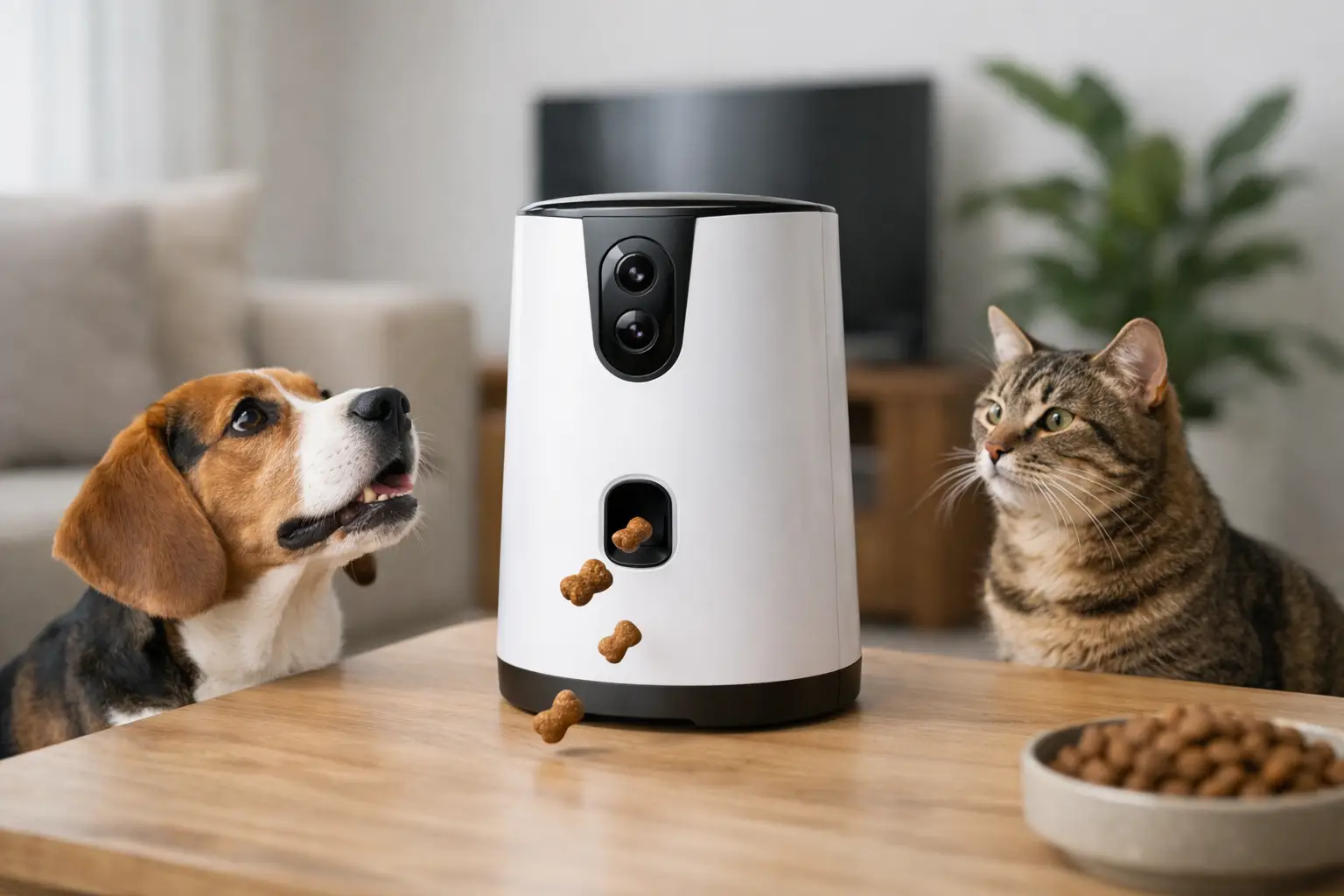
The quietest part of leaving home is often the hardest: the look from a dog at the door, or a cat settling into its favorite chair as your day begins elsewhere. A smart pet camera treat dispenser turns that distance into a small, meaningful moment of connection. With live video, two-way audio, and a treat toss on command, it brings a more considered approach to pet care for households that value both convenience and a beautifully equipped home.
What a Smart Pet Camera Treat Dispenser Does
At its best, this is not simply a camera with a snack compartment. It is an interactive pet-care device designed to let you check in, speak to your pet, and reward calm behavior from your phone. Whether you are at work, out to dinner, or away for a weekend, you can see what is happening at home rather than wondering.
The appeal is easy to understand. A standard indoor camera can show you that your dog is napping or your cat is surveying the room. A smart dispenser adds an action to that view. Call your pet by name, offer a familiar voice, then send a treat across the room. For many pets, that small ritual can make time alone feel less disconnected.
It also has a place in a refined, design-conscious home. Pet technology is increasingly expected to look as intentional as the rest of the space. A well-chosen model has clean lines, a compact footprint, and a finish that does not distract from a modern kitchen, living room, or home office.
The Features That Actually Matter
Specifications can make every model sound impressive. Daily use is where the differences show. Focus on the features that shape the experience for both you and your pet.
Clear, stable video
Look for high-definition video that makes it easy to see more than vague movement in a dim room. A wide-angle lens is useful for monitoring a favorite resting area, crate, or play zone without placing the camera too far away. Night vision matters for pets who are active after dark, especially if you want reassurance during a late evening out.
A crisp image is only as useful as the connection behind it. Choose a device known for stable Wi-Fi performance and an app that opens the live view quickly. A delayed or unreliable feed defeats the point when you are trying to check on a pet between meetings.
A treat system suited to your pet
Treat tossing is the signature feature, but it is not one-size-fits-all. Most dispensers work best with dry, firm treats of a certain size. Oversized biscuits, soft training treats, or irregular pieces may jam the mechanism, so measure the treats you already use before making a decision.
Consider distance, too. A gentle toss works well in an apartment or for a cautious cat. A model with adjustable launch distance is more useful for an energetic dog in a larger room. The goal is a pleasant reward, not a startling interruption.
Two-way audio with a natural sound
Your voice can be comforting, particularly when it is attached to a familiar routine. Look for audio that is clear enough for your pet to recognize without harsh feedback or excessive background noise. A useful speaker lets you offer a cue such as “bed,” “good dog,” or “come here” in the same calm tone you use at home.
Still, there is a trade-off. Some pets become confused or more anxious when they hear their person but cannot locate them. Start with short interactions and watch your pet’s reaction. If they settle easily after hearing you, audio may become a welcome part of the day. If they pace, bark, or search the room, rely more on visual monitoring and treats.
Thoughtful alerts, not constant interruptions
Motion and sound alerts can be helpful, but too many notifications turn a useful device into another source of noise. Adjustable sensitivity is preferable, especially in homes with sunny windows, moving curtains, or multiple pets. The most satisfying setup alerts you to a genuine change in activity rather than every small shift in the room.
If the camera identifies barking or unusual sound patterns, treat that feature as a prompt to look closer, not a diagnosis. A pet camera can show behavior, but it cannot replace attention to a pet’s health, training needs, or emotional well-being.
Where to Place Your Smart Pet Camera Treat Dispenser
Placement determines whether the device becomes part of your routine or gathers dust on a shelf. Set it in the room where your pet naturally spends time, with a clear view of a bed, rug, or open area. A living room often works well because it is familiar, comfortable, and easy to integrate into daily life.
Avoid aiming directly at a bright window, which can wash out the picture. Keep the unit on a stable surface and out of reach of curious paws, tails, or determined chewers. If your pet is enthusiastic about treats, position the dispenser with enough clear floor space in front of it so rewards can land safely.
For multi-pet homes, a central location can be useful, but it may also invite competition. If one pet guards food or becomes overly excited, supervise early interactions and consider reserving remote treats for moments when the pets are separated. Technology should support peaceful routines, not create tension around snacks.
A Better Way to Introduce It at Home
The first few days should feel familiar, not mysterious. Let your pet inspect the device while it is turned off. Place it near a favorite area, offer a few treats by hand nearby, and allow them to build a positive association with its presence.
Once the dispenser is active, use the treat function while you are still in the room. Begin with a low-volume voice and a short toss. This gives your pet time to understand the sound, movement, and reward without the added uncertainty of you being away.
After that, try brief check-ins from another room or just outside the home. Keep interactions calm and predictable. A smart pet camera treat dispenser is most effective when it supports an established routine: a midday greeting, a reward after settling down, or a familiar cue before an afternoon nap.
When It Is Worth the Investment
This category is particularly appealing for pet parents with regular workdays away from home, frequent social plans, or travel that requires a trusted sitter. It can also be a lovely option for first-time pet owners learning a new companion’s habits, or for people who simply enjoy including their pet in a more connected home routine.
The value depends on expectations. It is not a substitute for walks, play, companionship, or professional care during extended absences. It cannot solve separation anxiety by itself, and overusing treats can add unnecessary calories to a pet’s diet. Think of it as a premium support tool: one that offers visibility, gentle interaction, and a little more peace of mind.
Before choosing, consider the size and temperament of your pet, the treats they can safely enjoy, your home’s Wi-Fi coverage, and how much control you want from the app. A simpler camera may be enough for a relaxed cat. An interactive dispenser may be the more rewarding choice for a food-motivated dog who responds well to voice cues and routine.
A carefully selected pet camera deserves the same consideration as any other home upgrade. Choose one that fits your space, respects your pet’s personality, and makes the moments apart feel a little more intentional.










Leave a comment