Luxury Wellness Terminology: What Affluent Guests Need to Know
The terminology of luxury wellness describes the specialized vocabulary used by high-end spas, retreats, and residential programs to name evidence-informed diagnostics, multidisciplinary protocols, and ritual treatments that promise measurable health and lifestyle outcomes. Two authorities frame the field: the Global Wellness Institute, which defines wellness as the active pursuit of activities, choices, and lifestyles that lead to holistic health, and the World Health Organization, which positions health as a state of complete physical, mental, and social well-being. Together, they establish the baseline that luxury wellness vocabulary builds on.
This guide covers:
- What “luxury wellness” means and how it differs from general wellness and a standard spa
- An A–Z glossary of specialized terms you will encounter on high-end menus
- What luxury retreats and programs actually deliver: diagnostics, team roles, and timelines
- How to read a menu and what to ask before you book
- Trust signals and credentials worth verifying
- An industry snapshot on the shift toward precision and longevity
- Key takeaways, editorial perspective, and curated further reading
Table of Contents
- What “luxury wellness” actually means, and why the language matters
- A–Z glossary of terms you will find on luxury wellness menus
- What luxury retreats and programs actually deliver
- How to read a spa menu and what to ask before you book
- Trust signals and credentials worth verifying
- The industry is shifting from pampering to precision
- Key Takeaways
- Why the language of luxury wellness deserves your full attention
- At-home luxury wellness: curated products worth knowing about
- Useful sources for further reading
What “luxury wellness” actually means, and why the language matters
General wellness covers a broad spectrum: gym memberships, meditation apps, clean eating, and a Sunday massage all qualify. A standard spa adds ambiance, skilled therapists, and a menu of treatments. Luxury wellness goes further in three specific ways.
First, personalization is built into the program design, not offered as an upgrade. Second, the team is multidisciplinary, meaning a medical director, registered dietitian, and licensed therapist work from shared data about you rather than operating in separate silos. Third, outcomes are measurable: a luxury program can show you a before-and-after comparison using the same diagnostic tools.
The Global Wellness Institute identifies wellness as a multi-trillion-dollar global market, and the fastest-growing segment within it is precisely this outcomes-oriented tier. According to Corporate Wellness Magazine, a genuine luxury wellness resort treats wellness as the core offering rather than an amenity layered on top of accommodation. That distinction separates a property with a beautiful spa from one that can actually move your health markers.
Three quick contrasts worth keeping in mind:
| Dimension | Standard spa | General wellness | Luxury wellness |
|---|---|---|---|
| Personalization | Treatment preferences | Self-directed goals | Biometric-driven protocols |
| Team | Licensed therapists | Solo practitioners | MD, RD, therapist, coach |
| Outcomes | Relaxation | Lifestyle improvement | Measurable, retested results |
A–Z glossary of terms you will find on luxury wellness menus
The Wellness Tourism Association glossary and the Spafinder spa and wellness glossary together catalog the most common terms in professional resort and travel contexts. What follows is a curated, guest-focused reference that adds what each term means for you as a discerning guest.
Abhyanga (ah-bee-YAHN-gah)
A full-body warm-oil massage rooted in Ayurvedic medicine, originating in India more than 3,000 years ago. The therapist uses long, rhythmic strokes with medicated or herb-infused oils selected for your dosha (constitutional type). Expect a 60–90 minute session followed by a brief steam or rest period. At a luxury property, the oil blend is chosen after a brief Ayurvedic intake consultation rather than from a fixed menu.
Ayurveda (eye-ur-VAY-dah)
Sanskrit for “science of life,” Ayurveda is a traditional Indian system of medicine that classifies individuals by three constitutional types (doshas): Vata, Pitta, and Kapha. In luxury wellness contexts, it informs dietary recommendations, treatment sequencing, and daily routine design. Look for practitioners with formal Ayurvedic training, not just familiarity with the terminology.
Biohacking
The practice of using data, technology, and targeted interventions to optimize biological function. At the luxury tier, this means continuous glucose monitoring, sleep-stage tracking, and personalized supplementation protocols rather than generic lifestyle tips. The term is widely used; the substance behind it varies enormously.
Cryotherapy
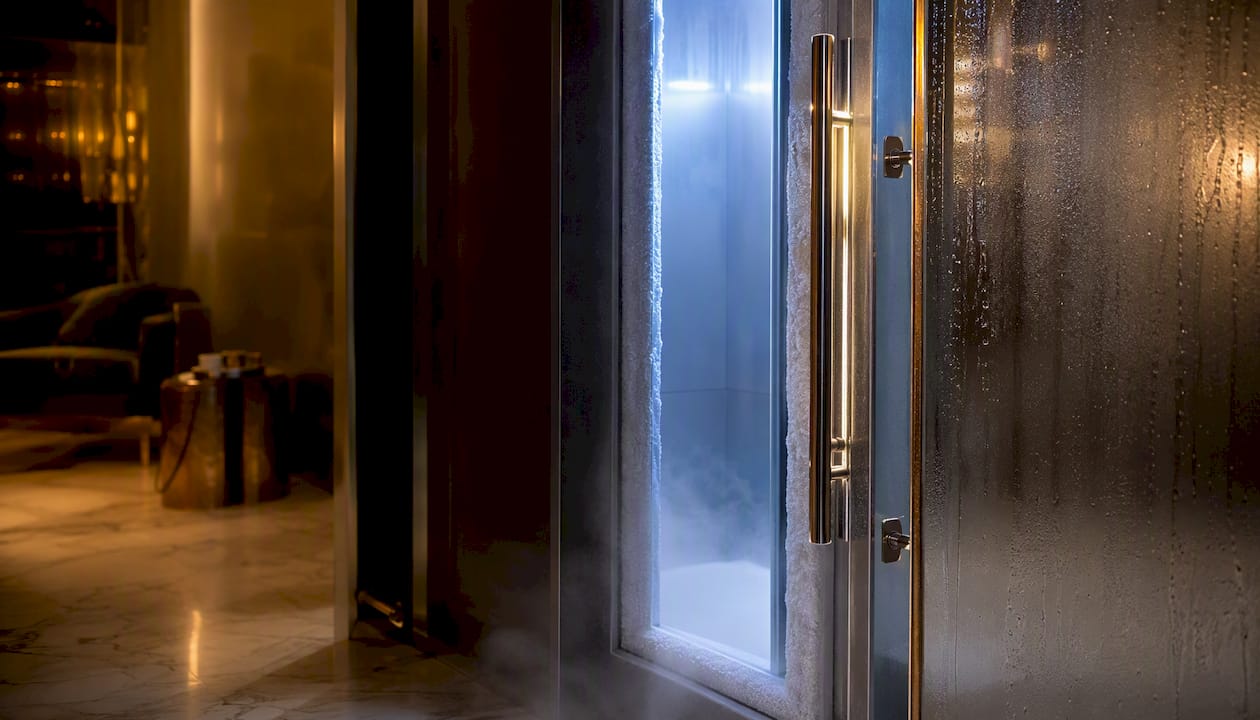
Exposure to extreme cold (typically between -166°F and -220°F in a whole-body cryotherapy chamber) for two to four minutes to reduce inflammation, accelerate recovery, and stimulate the nervous system. Sessions are brief and supervised. At credentialed programs, a physician screens guests for contraindications before the first session.
Diagnostics
In luxury wellness, diagnostics refers to clinical-grade assessments conducted at the start of a program: comprehensive bloodwork, metabolic panels, body composition analysis, and sometimes genetic or microbiome screening. The results drive the personalized protocol. A program that skips diagnostics and moves straight to treatments is offering a menu, not a program.
Dosha
The three constitutional types in Ayurvedic medicine (Vata, Pitta, Kapha) that determine an individual’s physical and psychological tendencies. A qualified Ayurvedic practitioner determines your dosha through pulse diagnosis and a structured intake, not a brief online quiz.
Hammam (hah-MAHM)
Also spelled “Hamam,” this is a traditional steam bath originating in the Ottoman Empire and rooted in earlier Roman and Byzantine bathing culture. The Champneys spa glossary notes that a classic hammam sequence involves progressive heat rooms, a kese (exfoliating mitt) scrub, and a foam massage. At luxury properties, the ritual is often extended with mineral-rich mud masks and private bathing suites.
Hyperbaric Oxygen Therapy (HBOT)
A treatment in which you breathe pure oxygen inside a pressurized chamber, typically at 1.5–3 atmospheres. The elevated pressure allows oxygen to dissolve into the bloodstream at higher concentrations, supporting tissue repair and recovery. Legitimate programs operate chambers certified to medical-device standards and require a physician consultation before use.
Integrative Wellness
A model that combines conventional medicine with evidence-informed complementary approaches (nutrition, movement, stress management, sleep optimization) under a single coordinated care plan. The key word is “integrative”: the disciplines share data and communicate, rather than operating as separate menu items. This is the organizing philosophy behind most serious luxury wellness programs.
Longevity
In wellness travel and residential program contexts, longevity refers to the science-backed pursuit of extending healthspan, not just lifespan. Programs marketed under this term typically include biomarker testing, cellular health assessments, and protocols targeting inflammation, metabolic function, and cognitive performance. The MedicalTourismWatch longevity tourism guide tracks this as a distinct and rapidly growing segment within wellness travel.
Lymphatic Drainage
A gentle, rhythmic manual massage technique developed by Danish physicians Emil and Estrid Vodder in the 1930s. It stimulates the lymphatic system to move excess fluid and metabolic waste from tissues. Sessions are slow and light-pressured. In luxury wellness programs, it often follows more intensive treatments or surgical procedures as part of a recovery protocol.
Nordic Sauna
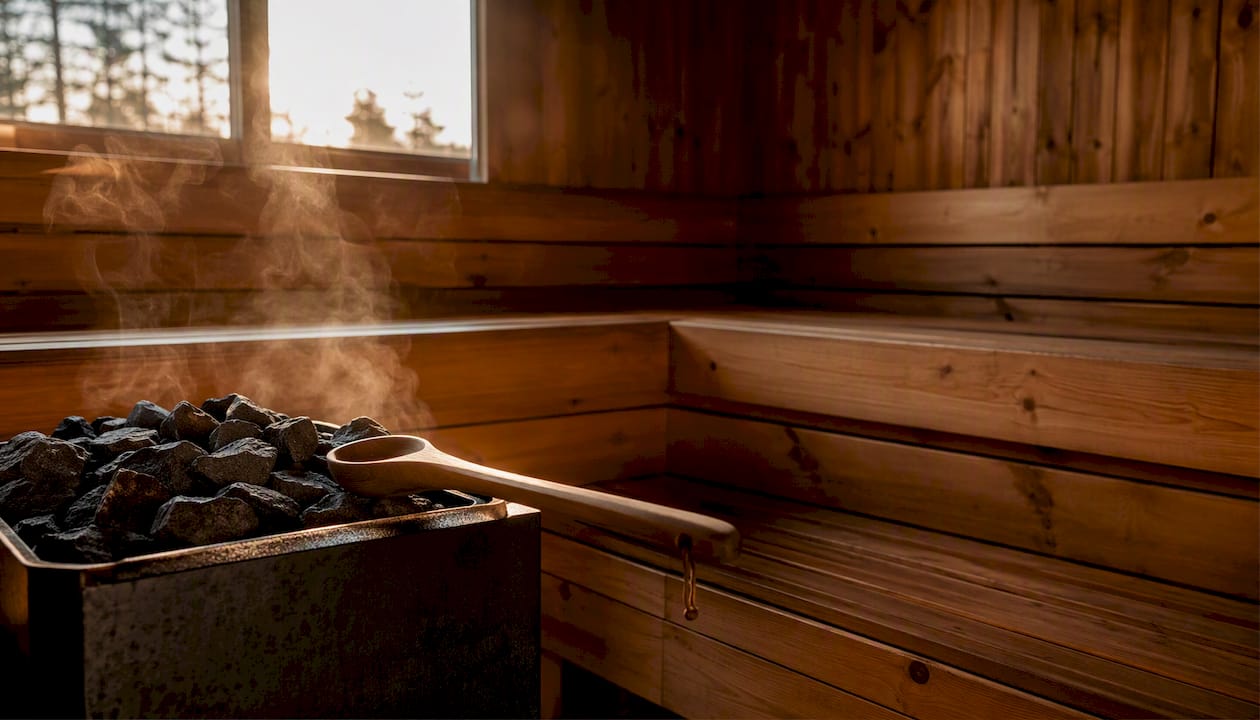
A Finnish-origin bathing tradition combining dry heat (typically 176°F–212°F), steam bursts (löyly), and cold plunge or outdoor exposure. The contrast between heat and cold is the therapeutic mechanism, stimulating circulation and the autonomic nervous system. Authentic Nordic sauna programs at luxury properties follow a structured sequence rather than offering the sauna as a standalone amenity.
Red Light Therapy (Photobiomodulation)
Exposure to low-wavelength red and near-infrared light to stimulate cellular energy production (ATP synthesis) in the mitochondria. Used for skin rejuvenation, muscle recovery, and inflammation reduction. At the luxury tier, panels are medical-grade and sessions are calibrated by wavelength and duration rather than offered as a timed booth.
Shinrin-Yoku (shin-rin YOH-koo)
Japanese for “forest bathing,” this practice involves slow, mindful immersion in a forested environment to reduce cortisol, lower blood pressure, and improve mood. Developed as a public health initiative in Japan in the 1980s, it is now a structured modality at luxury retreats, often guided by a certified forest therapy guide.
Temazcal (teh-maz-KAL)
A pre-Columbian sweat lodge ceremony originating with indigenous Mesoamerican cultures, particularly in Mexico and Central America. A shaman or guide leads participants through a ritual using volcanic stones, medicinal herbs, and chanting inside a dome-shaped structure. At luxury properties, the ceremony is conducted by practitioners with genuine cultural lineage, not a theatrical approximation.
Watsu (WAHT-soo)
A form of aquatic bodywork developed in California in the 1980s by Harold Dull, combining Zen Shiatsu stretches with warm-water flotation. A practitioner holds and moves you through a warm pool (approximately 95°F), creating a state of deep physical and mental release. Practitioners should hold a recognized Watsu certification from the Worldwide Aquatic Bodywork Association.
Wellness Gap
The credibility chasm between the wellness language a property uses in its marketing and the substance of what it actually delivers. As luxe.digital documents, many luxury hotels use similar wellness rhetoric while few deliver longevity- or outcomes-oriented programs. Knowing this term helps you ask the right questions before booking.
Pro Tip: When you encounter an unfamiliar treatment name on a menu, ask the property to name the specific practitioner who will deliver it and their certification body. A confident, specific answer is a strong signal of genuine expertise.
What luxury retreats and programs actually deliver
The difference between a luxury wellness retreat and a high-end spa is largely structural. According to Corporate Wellness Magazine, a genuine luxury wellness resort integrates evidence-informed programming as the core offering, not an optional add-on. The Luxury Partners white paper on longevity recommends hybrid models that integrate longevity principles without attempting to convert hotels into full clinical providers.
Team roles and why they matter
| Role | What they do | Why their presence matters |
|---|---|---|
| Medical Director (MD) | Oversees clinical protocols, reviews diagnostics, clears contraindications | Ensures interventions are medically appropriate for your health profile |
| Registered Dietitian (RD) | Designs nutrition protocols from bloodwork and metabolic data | Translates lab results into a personalized eating plan, not generic clean eating |
| Licensed Therapist (LCSW/LPC) | Addresses stress, sleep, and behavioral patterns | Connects psychological and physiological health in the program design |
| Physiotherapist | Assesses movement, posture, and musculoskeletal function | Identifies structural issues before physical training begins |
| Performance Coach | Designs exercise and recovery protocols | Bridges clinical findings with practical daily movement goals |
Diagnostics and measurable outcomes
A well-structured luxury wellness program opens with a diagnostic phase. Typical assessments include comprehensive bloodwork (lipid panel, inflammatory markers, hormonal profile), metabolic rate testing, body composition analysis (DEXA or bioelectrical impedance), and sometimes wearable-based sleep and HRV assessments. Some programs at the premium tier add genetic screening or microbiome analysis.
The critical detail: these diagnostics are only meaningful if the program retests them. A program that runs diagnostics at intake and never revisits them has used the data as a marketing prop rather than a clinical tool.
Typical program timelines
Most structured luxury wellness programs run five to fourteen days for an immersive retreat format, with a follow-up retesting window of thirty to ninety days after departure. Residential programs can extend to three to six months. Shorter “wellness weekends” of two to three days can deliver meaningful relaxation and reset, but they rarely allow enough time for measurable biomarker change.
How to read a spa menu and what to ask before you book
A luxury spa menu is a sales document as much as it is a service catalog. Reading it critically takes about five minutes and can save you from a significant mismatch between expectation and experience.
Questions worth asking directly
- “How is this program tailored to my specific health data, and what changes if my results are outside normal ranges?”
- “Who specifically delivers each intervention, and what is their certification?”
- “What measurable outcomes should I expect, and how will you track them?”
- “Are there contraindications I should disclose, and how does the program adapt if I have them?”
- “Is there a follow-up protocol after I leave, and is it included in the program fee?”
Red flags
Vague language without specifics (“holistic healing,” “transformative experience,” “ancient wisdom”) with no named modalities or credentialed practitioners. Opaque pricing where the headline rate excludes most of the program’s substance. No mention of follow-up retesting or measurable goals. These patterns suggest a menu of pleasant experiences rather than a structured wellness program.
Trust signals and credentials worth verifying
Affluent, evidence-seeking guests are increasingly sophisticated about the gap between wellness marketing and wellness delivery. The luxe.digital luxury wellness transformation report documents this shift clearly: brands that rely on atmospheric branding without clinical substance are losing credibility with exactly the guests they most want to attract.
How to verify claims
Request the curriculum vitae or license numbers of key clinical staff. In the United States, physician licenses are verifiable through state medical board databases, and registered dietitian credentials are verifiable through the Commission on Dietetic Registration. A property that hesitates to provide this information is telling you something important.
Pro Tip: Ask specifically: “What is your retesting protocol after the program ends, and what metrics do you track?” A program with genuine outcomes orientation will answer this question with specifics. A program that pivots to describing the experience rather than the metrics has answered your question.
The industry is shifting from pampering to precision
The wellness industry is identified as a very large market, with a fast-growing segment focused on outcomes and longevity that emphasizes clinical diagnostics and personalized plans.
— Karla Otto / Phronesis Partners Wellness Insights Report
The Luxury Partners longevity white paper makes the case that hospitality has historically traded wellness rhetoric for cosmetic menus. Its recommendation is a modular integration of longevity principles: properties add clinical diagnostics and credentialed specialists without attempting to become full medical providers. This hybrid model is now the benchmark affluent guests use to evaluate whether a property’s wellness offering is serious.
For guests, this shift has two practical implications. First, the bar for what counts as “luxury wellness” is rising. A beautiful spa with skilled therapists is no longer sufficient to claim the category. Second, the MedicalTourismWatch longevity tourism guide documents the emergence of longevity tourism as a distinct travel segment, where guests plan entire trips around biomarker testing, cellular health protocols, and expert-led optimization programs.
The Wellness Gap concept, as documented by luxe.digital, is the practical reason why understanding luxury wellness vocabulary matters. When every property uses the same language, the language itself stops being a reliable signal. Knowing what the terms mean, and knowing which questions to ask, is how you cut through the rhetoric and find programs that actually deliver.
Smart guests are treating wellness the way they treat premium home decor: the surface finish matters, but the underlying construction is what determines lasting value. The same logic applies to a wellness program. Atmosphere is pleasant; measurable outcomes are the point.
For those interested in how luxury tech in residential settings is converging with wellness, the integration of smart home systems and biometric monitoring is creating a parallel track to resort-based programs.
Key Takeaways
Luxury wellness vocabulary is only useful when you know which terms signal genuine clinical substance and which ones are atmospheric branding.
| Point | Details |
|---|---|
| Personalization requires diagnostics | A program without baseline testing cannot personalize; ask what specific assessments are included before booking. |
| Credentials are verifiable | Physician and RD licenses are publicly verifiable in the United States; request names and check them. |
| Outcomes need retesting | A program that does not retest biomarkers after the program ends has no way to prove its results. |
| The Wellness Gap is real | Many properties use identical wellness language; the difference lies in team credentials, testing, and follow-up protocols. |
| Mytotaltake curates at-home options | For guests who want to extend luxury wellness results at home, Mytotaltake’s curated wellness and premium tech products offer a credible starting point. |
Why the language of luxury wellness deserves your full attention
The most common mistake affluent guests make is treating wellness terminology as decoration rather than as a specification. When a property lists “integrative wellness” on its menu, that phrase is either a precise description of a multidisciplinary, diagnostics-driven program or it is a marketing phrase borrowed from clinical medicine. The two look identical on a brochure. They feel very different when you are three days into a program that was never designed around your specific health data.
What I find genuinely encouraging about the current moment in this sector is that the evidence-seeking guest now has real leverage. Properties that invest in credentialed staff, clinical partnerships, and measurable outcomes are distinguishing themselves clearly from those that invest only in aesthetics. The vocabulary in this guide is your instrument for telling them apart.
Use the glossary when you review a retreat menu. Use the pre-booking checklist before you commit. And when a property cannot answer your questions about retesting and outcome metrics with specifics, take that as a clear signal to look elsewhere. The best luxury wellness programs welcome those questions because they have the answers ready.
At-home luxury wellness: curated products worth knowing about
The results you build at a well-designed retreat do not have to stop at the airport. A growing number of the modalities covered in this guide, including red light therapy panels, cold plunge systems, and precision sleep-tracking devices, are now available as premium home wellness products designed for residential use. The quality gap between clinical-grade and consumer-grade equipment has narrowed considerably at the luxury tier.
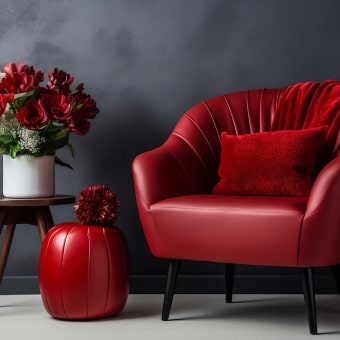
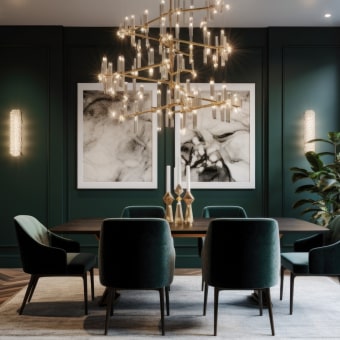
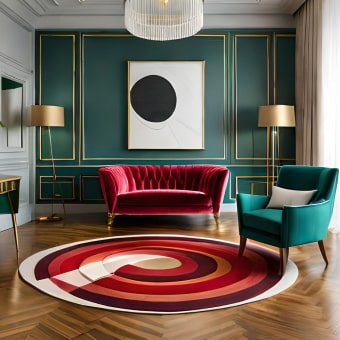
Mytotaltake curates a selection of high-end wellness and lifestyle products chosen for craftsmanship, clinical credibility, and lasting design. Whether you are looking to recreate the thermal contrast of a Nordic sauna sequence, support lymphatic health between retreats, or integrate premium wellness technology into your home environment, the collection is built around the same standard this guide applies to retreat programs: substance over surface. Browse the at-home wellness and luxury lifestyle collection to find products that genuinely earn their place in a discerning home.
Useful sources for further reading
The sources below were used to build this guide. Each one is worth bookmarking if you plan to research specific programs or verify provider claims.
-
Wellness Tourism Association Glossary: — A professional reference for tourism-linked treatment names and integrative practice definitions. Useful when you encounter an unfamiliar term on a retreat menu.
-
luxe.digital Luxury Wellness Transformation Report: — Documents the Wellness Gap and the shift in consumer expectations toward evidence-informed programming. Required reading before booking any high-investment wellness program.
-
Corporate Wellness Magazine: What Defines a Luxury Wellness Resort: — Clear criteria for personalization, integrated programming, and evidence-informed methods. A reliable checklist to apply when comparing properties.
-
Spafinder Spa and Wellness Glossary: — A living reference for standard spa and wellness vocabulary. Practical for decoding treatment names and understanding what a session typically involves.
-
Champneys Spa Glossary: — Strong on etymology and traditional origins of common ritual names, particularly for hammam, Ayurvedic treatments, and European spa traditions.
-
MedicalTourismWatch Longevity Tourism Guide: — Tracks longevity tourism as a distinct segment within wellness travel, with useful context on clinical diagnostics and what to expect from programs at the premium tier.
This article provides general informational guidance about luxury wellness terminology and programs. It is not medical advice. Verify current provider credentials and program specifics with the relevant clinical professionals or licensing bodies before making health-related decisions.







Leave a comment