Tips for Choosing Upscale Products That Last
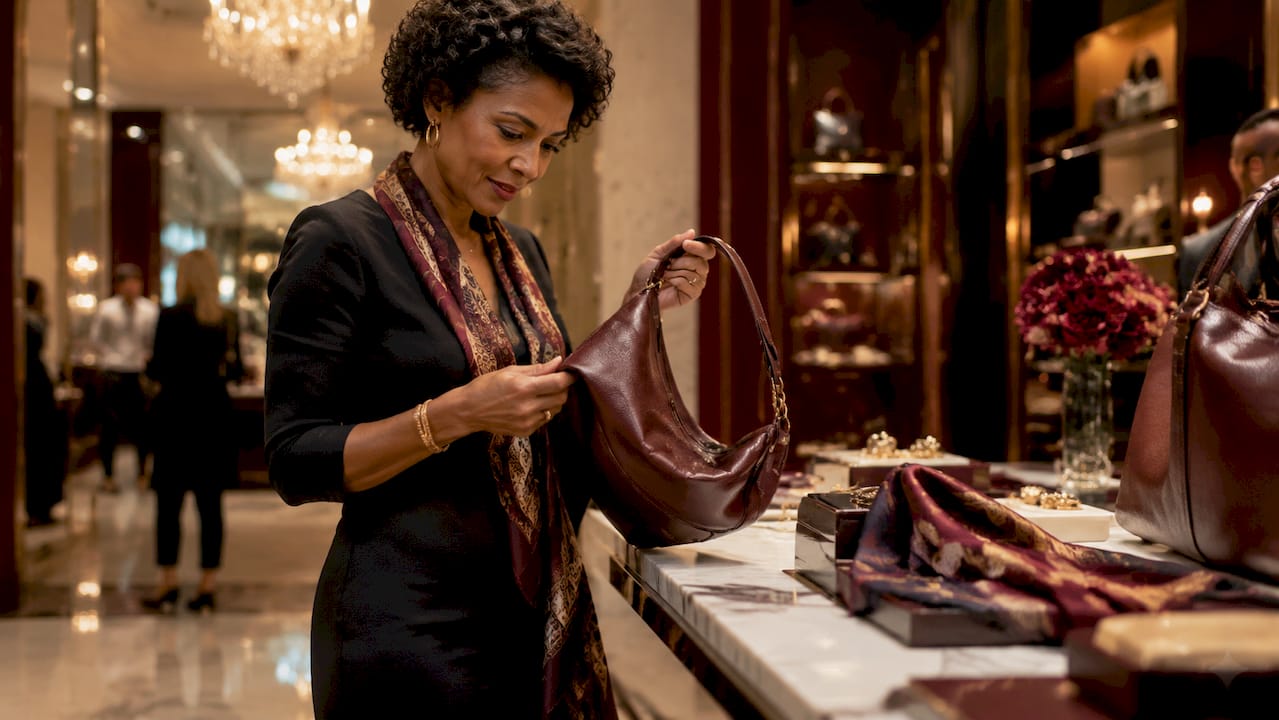
Upscale products are defined as premium goods that deliver lasting value through superior craftsmanship, authentic materials, and brand heritage rather than trend-driven appeal. The best tips for choosing upscale products share one common thread: they shift your focus from price tags to quality markers. Affluent buyers who apply structured selection criteria consistently outperform impulse shoppers in both satisfaction and long-term value. This guide covers the criteria, frameworks, and pitfalls that separate a timeless acquisition from an expensive mistake.
1. What are the essential criteria for identifying genuine luxury?
Authentic luxury signals quality through construction, not marketing. Discerning collectors prioritize craftsmanship and heritage over visible logos. That means the stitching on a leather bag, the weight of a door handle, or the finish on a watch case tells you more than any advertisement.
Material choice is the most reliable indicator of true quality. Authentic luxury materials include full-grain leather, solid gold rather than plated, silk, and sapphire crystal glass. Each of these materials ages well, resists wear, and often improves with use. Plated metals tarnish. Bonded leather peels. The difference shows within two years.
Brand authenticity verification is a non-negotiable step. Serial numbers, certificates of provenance, and official retailer documentation confirm you are buying the real product. For watches, hallmarks and movement engravings matter. For fashion, interior labels, hardware weight, and stitching density are the tells.
- Stitching and seams: Even, tight stitching with no loose threads signals hand-finishing or precision machine work.
- Material weight: Quality goods feel substantial. Lightweight versions of traditionally heavy materials are a red flag.
- Hardware finish: Brushed or polished metal hardware should be consistent across the entire piece, with no rough edges.
- Provenance documentation: Certificates, dust bags, and branded packaging are standard with genuine luxury goods.
- Understated design: Heritage brands rarely shout their name. Quiet, refined design is the hallmark of lasting elegance.
Pro Tip: When evaluating leather goods, bend a corner of the material. Full-grain leather creases naturally and recovers. Synthetic or corrected-grain leather cracks or stays deformed.
2. How to apply a structured decision-making process to premium purchases
A weighted scoring system removes emotion from high-value decisions. Experts recommend a 1-to-5 scoring approach across criteria like price, durability, after-sales support, and features. Assign each criterion a weight based on your priorities, then score every product you are considering. The highest weighted total wins.

Separating must-have features from nice-to-have features is the second step. Must-haves are non-negotiable: a watch must keep accurate time, a sofa must support correct posture, a tech gadget must perform its core function without lag. Nice-to-haves are extras that add appeal but should not drive the decision alone.
Total Cost of Ownership, or TCO, is the most underused tool in luxury buying. TCO calculations include the purchase price plus expected maintenance, repairs, energy consumption, and resale value. A $3,000 sofa that lasts 20 years with no repairs costs less per year than a $900 sofa replaced every five years. Premium products often deliver better long-term value through durability and resale potential.
“A premium purchase should be intentional, not emotional. Disciplined spending in select categories improves overall lifestyle satisfaction.” — Phroogal
Setting a decision deadline also matters. Time-boxing your buying decision prevents endless research loops and builds confidence. Give yourself a defined window, complete your scoring, and commit.
- List every product you are considering with its price and key specs.
- Define your must-have criteria and assign each a weight from 1 to 3.
- Score each product from 1 to 5 on every criterion.
- Multiply each score by its weight and sum the totals.
- Calculate TCO for the top two finalists before making a final call.
3. What common pitfalls to avoid when buying high-end goods
Impulsive buying driven by emotional excitement leads directly to buyer’s remorse. Luxury retail environments are designed to create urgency and desire. Recognizing that pressure is the first defense against a purchase you will regret.
The 24-to-48-hour rule is one of the most effective tools in luxury shopping. Experts recommend waiting 24–48 hours before finalizing any high-value purchase to neutralize emotional decision-making. That window gives you time to research the product independently, compare alternatives, and confirm the purchase fits your actual needs.
Return and warranty policies deserve close attention before you buy. Industry-preferred return policies provide buyers with 14 to 30 days to authenticate and verify products. A retailer unwilling to offer at least 14 days is signaling low confidence in their own product. Thirty days is the standard you should expect from any credible luxury seller.
- Avoid hype-driven purchases. Limited-edition releases and influencer endorsements are marketing tools, not quality indicators.
- Verify the return window in writing before completing any transaction, especially online.
- Ignore urgency tactics. “Only 2 left” and countdown timers are pressure techniques, not facts.
- Prioritize substance over branding. A product that leads with its logo and hides its construction is rarely worth the premium.
4. Which product categories reward investing in premium quality
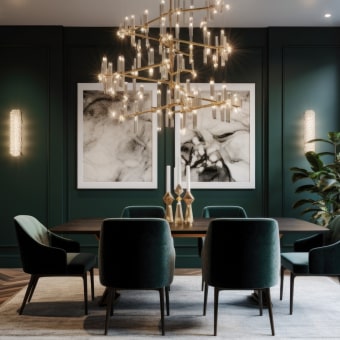
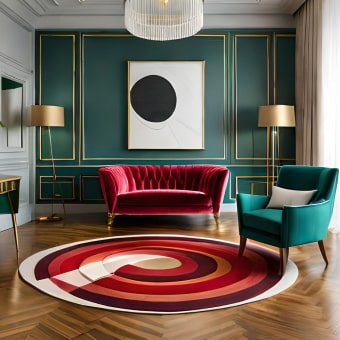
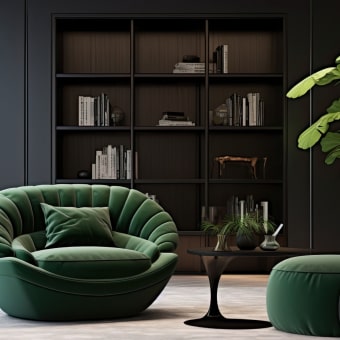
Daily-use items deliver the clearest return on a quality investment. You interact with your shoes, your bag, your bedding, and your seating every single day. Premium home decor and furniture reward investment through quality craftsmanship and timeless style that holds its appeal for decades. A well-made piece of furniture becomes part of your home’s identity.
High-end accessories, including watches and fine jewelry, hold and often grow their value. Mechanical watches from established heritage brands have demonstrated consistent resale strength. The craftsmanship in a hand-finished movement is both functional and collectible. For buyers interested in high-end fashion, the same principle applies: construction quality and brand heritage determine long-term worth.
Tech products reward premium investment when design and reliability intersect. A well-engineered audio system, a precision-built laptop, or a thoughtfully designed home automation device performs better and lasts longer than its budget equivalent. The aesthetic dimension matters too. Products that integrate beautifully into a living space add visual value beyond their function.
Pro Tip: For outdoor living spaces, luxury pool and outdoor design follows the same rule as interior decor: materials that weather gracefully, like teak, powder-coated aluminum, and natural stone, cost more upfront and far less over time.
| Category | Why premium pays | Key quality signal |
|---|---|---|
| Furniture and home decor | Daily use amplifies durability returns | Joinery method, solid wood vs. veneer |
| Watches and jewelry | Resale value and craftsmanship longevity | Movement type, hallmark certification |
| Leather goods | Full-grain leather outlasts alternatives by years | Grain texture, hardware weight |
| Tech gadgets | Reliability and design integration | Build material, warranty terms |
| Outdoor furniture | Weather resistance reduces replacement costs | Material grade, finish quality |
Key takeaways
Choosing upscale products well requires applying craftsmanship criteria, a structured scoring framework, and a disciplined waiting period before every significant purchase.
| Point | Details |
|---|---|
| Prioritize material quality | Full-grain leather, solid gold, and sapphire crystal are the baseline for genuine luxury. |
| Use weighted scoring | Score each product on price, durability, and support before committing to a purchase. |
| Calculate total cost of ownership | Include maintenance and resale value to find the true long-term cost of any premium item. |
| Apply the 24-to-48-hour rule | Waiting before finalizing a purchase neutralizes emotional pressure and reduces regret. |
| Verify return policies | Expect at least 14 to 30 days for returns from any credible luxury retailer. |
What I have learned from years of curating a luxury lifestyle
The most common mistake I see affluent buyers make is confusing price with quality. A high price tag is a necessary but not sufficient condition for genuine luxury. I have handled $5,000 bags with uneven stitching and $800 watches with movements that outlasted far more expensive competitors.
The buyers who build the most satisfying collections share one habit: patience. They research before they shop, not during. They know their criteria before they walk into a store or open a product page. That preparation removes the emotional fog that luxury retail environments are specifically designed to create.
Understated quality is almost always the better long-term choice. The piece that earns compliments five years after purchase, the sofa that still looks right after a decade, the watch you reach for every morning without thinking. Those are the products that justify their price. Loud branding fades. Craftsmanship does not.
My personal rule: if I cannot articulate why I want something beyond “it looks good,” I wait. That pause has saved me from more regrettable purchases than any checklist. Informed patience is the most underrated skill in luxury shopping.
— Lysander
Curated luxury selections worth your attention
Mytotaltake brings together premium home decor, designer furniture, and lifestyle products selected for craftsmanship and enduring style.
The Mytotaltake catalog covers everything from designer furniture built to last generations to tech gadgets that integrate beautifully into refined living spaces. Every product in the collection is evaluated against the same quality criteria covered in this guide: materials, construction, heritage, and long-term value. For buyers ready to invest with confidence, Mytotaltake’s premium home decor selections offer a curated starting point across every room in your home.
FAQ
What makes a product genuinely upscale?
Genuine upscale products combine superior materials, precise construction, and brand heritage. Authentic luxury signals quality through craftsmanship details like stitching, hardware weight, and material grade rather than logo prominence.
How do I avoid overpaying for a brand name?
Apply a weighted scoring system that rates durability, materials, and after-sales support alongside price. Calculate total cost of ownership to confirm the premium is justified by long-term performance and resale value.
What return policy should I expect from a luxury retailer?
Industry standards set the minimum at 14 days, with 30 days preferred for high-value purchases. Any retailer offering less than 14 days warrants additional scrutiny before you commit.
Which product categories offer the best return on a luxury investment?
Daily-use items like furniture, leather goods, and watches deliver the clearest return because quality compounds with frequency of use. Premium outdoor furniture and tech gadgets also reward investment when materials and construction are verified.
How long should I wait before finalizing a high-value purchase?
Experts recommend a 24-to-48-hour waiting period to neutralize emotional decision-making. That window is enough time to research independently and confirm the purchase aligns with your criteria and budget.
Recommended
How to Choose a Shower Head That Fits
Is Buying Furniture Online Worth It?
Comments
[…] curated shop worth your money for upscale products should be able to answer, in plain language, why this specific item beat the dozen similar ones it […]







Leave a comment