
What Defines Luxury Materials: A Buyer’s Guide
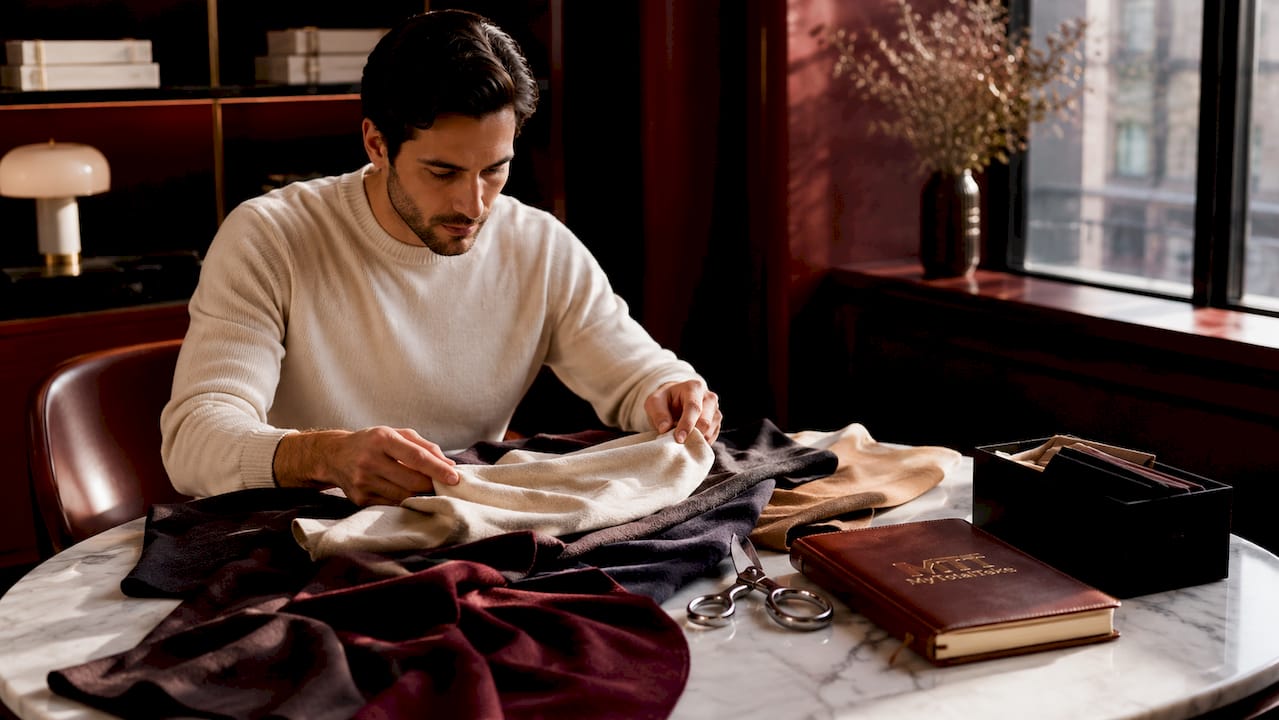
Luxury materials are defined by a combination of microscopic fiber properties, traceable provenance, and the capacity to age with character rather than deteriorate. What defines luxury materials goes beyond price or brand recognition. The true markers are fiber diameter, surface uniformity, thermal responsiveness, and documented origin. Cashmere, silk, vicuña, full-grain leather, marble, and solid wood each meet these criteria through measurable, sensory, and historical standards. Understanding these qualities lets you make purchases that hold their value, improve with time, and deliver a tactile experience no synthetic can replicate.
What physical qualities distinguish luxury materials?
Luxury materials communicate quality through touch before the eye confirms it. Fiber diameter is the most objective measure: cashmere fibers range between 14–19 microns, while fine merino wool typically falls between 17–24 microns. That fineness is what creates the signature softness against skin.
Surface uniformity is the second marker. Run your fingers across a luxury fabric and you feel an even, consistent texture with no irregularities or rough patches. Commercial fabrics, by contrast, show visible inconsistencies in weave density and fiber thickness. That unevenness is a direct result of lower-grade fiber selection and faster production.
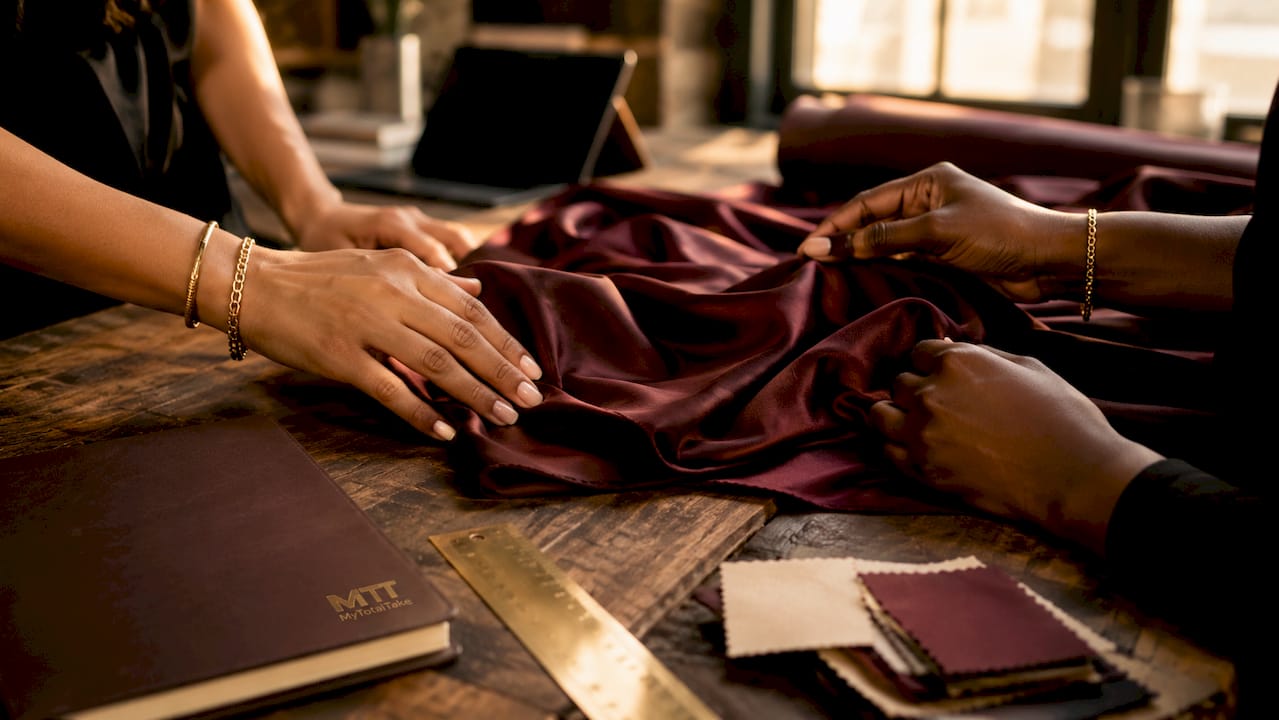
Resilience is the third physical quality. High-quality merino wool springs back immediately after pinching, while commercial fabrics retain the pinch mark longer. This elasticity signals strong fiber structure and careful yarn construction.
Thermal feel and weight also matter. Dense materials signal investment and durability, and thermal responsiveness creates an emotional connection. Stone holds warmth differently than travertine; timber reads as warm, while metal reads as cool. These are not arbitrary sensations. They are cognitive cues your hand uses to assess quality.
The qualities that separate luxury from ordinary materials include:
- Fiber diameter: Finer fibers (under 20 microns) produce superior softness and drape
- Surface consistency: Uniform weave and fiber alignment with no visible irregularities
- Resilience: Immediate spring-back after compression or pinching
- Thermal responsiveness: Materials that feel warm, cool, or weighted in ways that match their composition
- Aging behavior: Character development over time rather than degradation
Pro Tip: Run the back of your hand, not your fingertips, across a fabric. The back of the hand is more sensitive to texture irregularities and will detect low-grade fibers that fingertips miss.
How does provenance shape the value of luxury materials?
Provenance is now a primary criterion for luxury legitimacy. Traceability and craft narratives are the leading indicators that discerning buyers use to verify authenticity. Knowing where a fiber was grown, how it was harvested, and who transformed it into a finished product carries real weight.
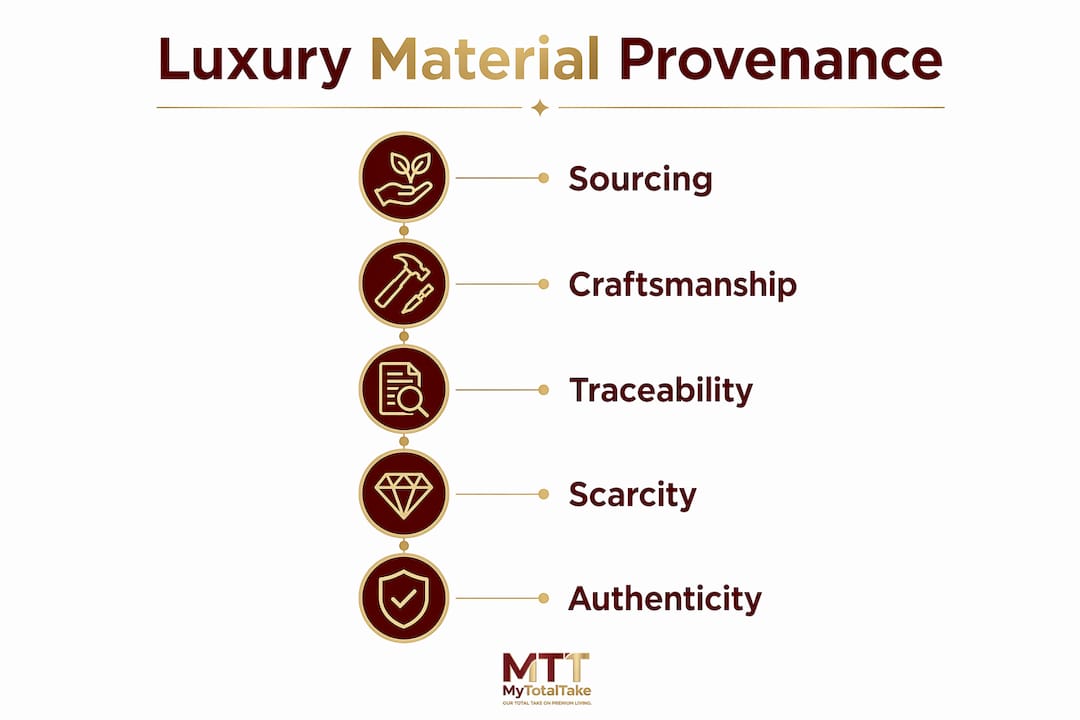
Artisanal transformation separates luxury from mass production. A cashmere sweater combed by hand from Mongolian goats and woven by a specialist in Scotland carries a fundamentally different story than one produced at scale in an automated facility. That story is not just marketing. It reflects the time, skill, and material selection that produce a superior result.
Scarcity reinforces provenance. Vicuña fiber, harvested from wild Andean animals only every two to three years, is among the rarest textiles on earth. Organic cotton represents only 2.9% of global cotton production. Rarity drives exclusivity, and exclusivity drives perceived and actual value.
The shift in consumer preference is clear. Buyers who once relied on brand logos as proxies for quality now demand documented supply chains and verifiable origin. This is not a trend. It is a structural change in how luxury is evaluated.
Key provenance signals to look for:
- Named geographic origin (region, farm, or cooperative)
- Documented harvesting and processing methods
- Artisanal or small-batch production credentials
- Certifications from recognized bodies (such as the Responsible Wool Standard)
- Brand transparency about the full supply chain
Which natural materials are most recognized as luxury?
The most recognized luxury fabrics include silk, cashmere, vicuña, fine merino wool, alpaca, linen, and velvet. Each earns its status through a specific combination of fiber origin, rarity, and performance.
| Material | Key quality | Primary use |
|---|---|---|
| Silk | Natural sheen, lightweight drape, temperature regulation | Fashion, bedding, scarves |
| Cashmere | Exceptional softness, 14–19 micron fiber diameter | Knitwear, wraps, fine suiting |
| Vicuña | Rarest natural fiber, ultra-fine, warm | Couture, heirloom textiles |
| Fine merino wool | Versatile, resilient, moisture-wicking | Activewear, suiting, interiors |
| Alpaca | Hypoallergenic, silky, durable | Knitwear, blankets, upholstery |
| Linen | Breathable, grows softer with washing | Interiors, summer fashion |
In home decor, the luxury material hierarchy shifts toward surfaces. Marble, solid wood, and premium textiles are valued for how well they function together and how they hold up over decades. Experts recommend concentrating investment on high-impact, durable surfaces like flooring and countertops, where material quality is most visible and most tested by daily use.
For high-end home decor, the same logic applies as in fashion. The material must perform, age well, and carry a traceable origin. A solid walnut dining table sourced from a certified sustainable forest tells a story that a veneer table simply cannot.
Premium ceramics follow a similar pattern. [Characteristics like density and firing temperature](https://thegildedcup.co/blogs/news/features-of-premium ceramics-what-sets-them-apart) separate fine ceramics from mass-produced alternatives, just as fiber micron counts separate cashmere from acrylic.
How can you identify authentic luxury materials?
The hand test is the most reliable starting point. Your hand perceives authenticity before your eyes confirm it. Solid brass feels 3–4 times heavier than zinc die-cast imitations. That weight difference is immediate and unmistakable.
Follow these practical steps to assess any material:
- Pinch and release. Pinch the fabric or material firmly, then release. A luxury fabric springs back immediately. A lower-grade material holds the crease or recovers slowly.
- Assess surface texture. Drag your fingertips slowly across the surface. Luxury materials feel consistent and even. Irregularities, pilling, or rough patches signal lower fiber quality.
- Check weight and density. Lift the item. Luxury materials feel anchored without being clumsy. A fabric that feels insubstantial or a piece of furniture that feels hollow signals cost-cutting in the material.
- Observe thermal response. Hold the material against your wrist. Natural fibers warm quickly to body temperature. Synthetics often feel cool and stay cool, or feel artificially warm in a way that does not shift.
- Look for aging patterns. Ask how the material changes over time. Full-grain leather softens and darkens, brass develops a warm patina, and wood deepens in color under UV exposure. Synthetics fade, crack, or pill instead.
Red flags that signal imitation or low-grade materials include uniform, plastic-like sheen on fabrics, hollow sound when tapping furniture, and labels that list “faux” or “bonded” versions of natural materials.
Pro Tip: Ask the retailer directly: “Where was this fiber sourced, and how was it processed?” A confident, specific answer is itself a quality signal. Vague or evasive responses tell you what you need to know.
Key Takeaways
Luxury materials are defined by measurable fiber properties, traceable origin, and the ability to develop character with age rather than degrade.
| Point | Details |
|---|---|
| Fiber diameter matters | Cashmere at 14–19 microns and merino at 17–24 microns set the standard for softness. |
| Provenance is a quality marker | Documented origin and artisanal processing are primary indicators of luxury legitimacy. |
| The pinch test works | Luxury fabrics spring back immediately; lower-grade materials hold the crease. |
| Weight signals authenticity | Dense, anchored materials communicate investment and durability before visual inspection. |
| Luxury materials age well | Full-grain leather, brass, and solid wood improve with use rather than deteriorating. |
Why feel matters more than the label
I have spent years handling materials across fashion and interiors, and the single most common mistake I see is confusing brand recognition with material quality. A logo does not make a fabric luxurious. The fiber does.
The most revealing moment in any material assessment is the first touch. Before you read the label, before you check the price, your hand already knows. That is not intuition. It is your nervous system responding to fiber diameter, surface consistency, and thermal properties. Those responses are measurable and consistent across people.
What I find most compelling about genuine luxury materials is how they reward patience. A cashmere sweater worn regularly for five years becomes softer, not rougher. A solid brass fixture develops a patina that a plated version can never replicate. That aging behavior is the clearest proof of authenticity. Synthetics degrade. True luxury materials mature.
My practical advice: stop buying for the label and start buying for the hand feel and the origin story. Ask where the material came from. Ask how it was processed. If the answer is specific and confident, you are likely looking at the real thing. If it is vague, keep looking.
— Lysander
Mytotaltake’s curated selection of genuine luxury materials
Mytotaltake applies the same criteria covered in this article to every product in its collection. Every piece is selected for material integrity, traceable craftsmanship, and lasting performance.
The luxury furniture collection focuses on solid wood, full-grain leather, and premium upholstery that meet the standards of fiber quality and aging behavior described here. For interiors, the premium home decor guidance helps you prioritize investment on high-impact surfaces and textiles that hold their value. Every category on Mytotaltake is curated with one standard in mind: does the material earn its place over time?
FAQ
What defines luxury materials in simple terms?
Luxury materials are defined by superior fiber properties, traceable provenance, and the ability to age with character. They feel anchored, respond thermally, and improve with use rather than degrading.
How do I tell real cashmere from imitation?
Real cashmere has a fiber diameter of 14–19 microns, feels immediately soft against skin, and springs back after pinching. Imitation cashmere often contains acrylic blends that feel slightly coarse and retain pinch marks.
Are luxury materials always natural?
The most recognized luxury materials are natural, including silk, cashmere, vicuña, marble, and solid wood. Some engineered materials meet luxury standards through density and finish quality, but natural origin remains the primary benchmark.
Why do luxury materials cost more?
Rarity, artisanal processing, and strict fiber selection drive the cost. Organic cotton represents only 2.9% of global cotton production, and vicuña fiber is harvested every two to three years from wild animals. That scarcity is built into the price.
Can I identify luxury materials without expert knowledge?
The pinch-and-release test, weight assessment, and thermal response check require no expertise. These sensory tests reliably distinguish high-quality materials from lower-grade alternatives before you ever read a label.








Leave a comment